 Popular
Photo: Wikipedia
Quality of Life in Oklahoma City, OK
Above-average quality of iife. The area offers a reasonable cost of living, decent mobility, and a mix of neighborhood amenities.
What does Quality of Life tell us?
Quality of Life blends cost of living, nearby amenities, socioeconomic signals, and neighborhood character. City-level scores represent the whole municipality; individual neighborhoods can differ.
What does this tell us?
Quality of Life blends cost of living, nearby amenities, socioeconomic signals, and neighborhood character. City-level scores represent the whole municipality; individual neighborhoods can differ.
Cost of Living
14% below national average
The Real Cost of Living in Oklahoma City, OK for 2026
| Tier | Individual | Family (4) |
|---|---|---|
| Survival | $17k | $32k |
| Comfortable | $42k | $61k |
| Luxury | $120k+ | $187k+ |
| Elite (Top 5%) | $147k+ | $228k+ |
109%
The Area Signal
A metric tracking the socioeconomic signals of the area.
Hobbies
Explore the areaGroceries
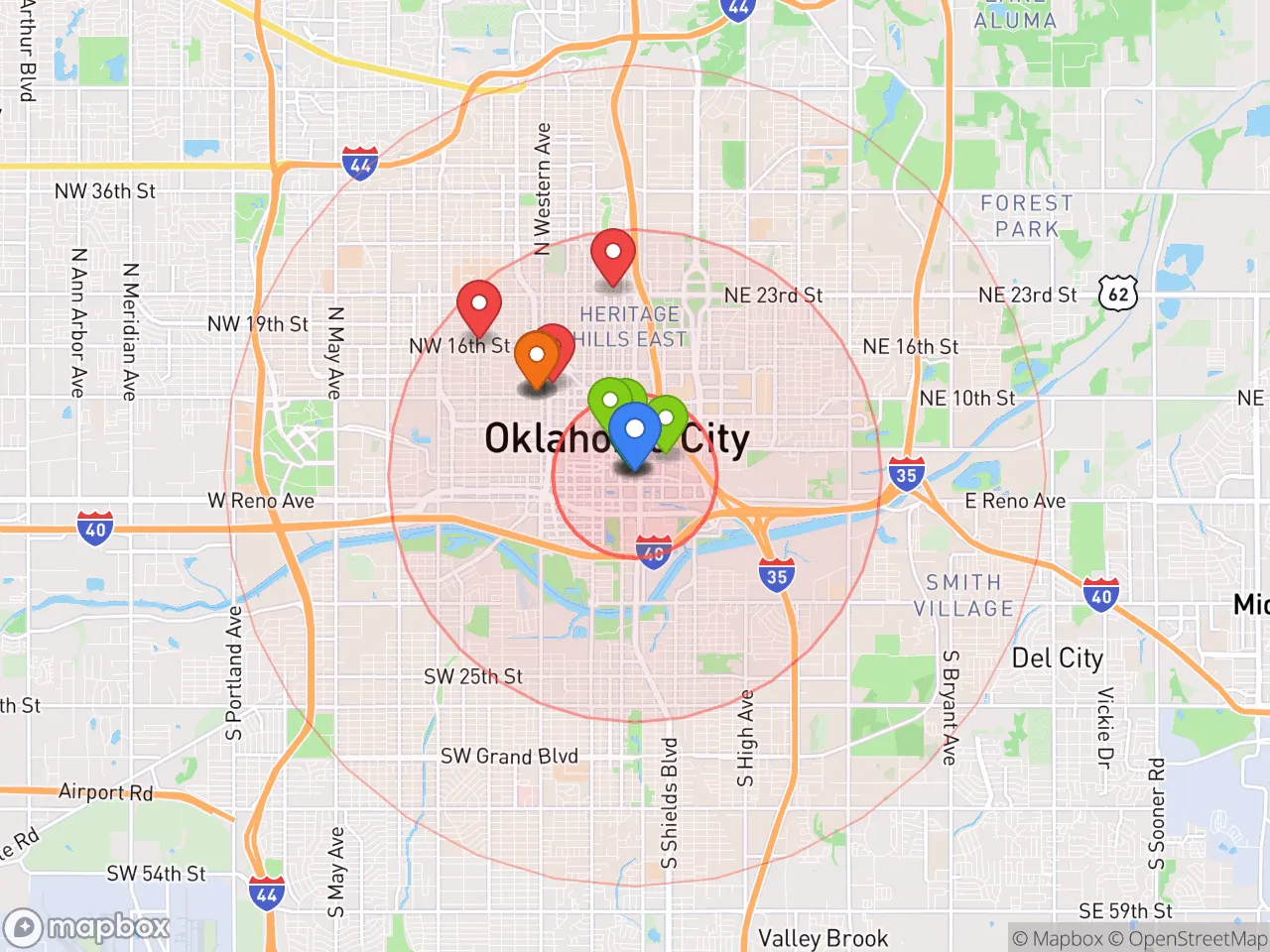
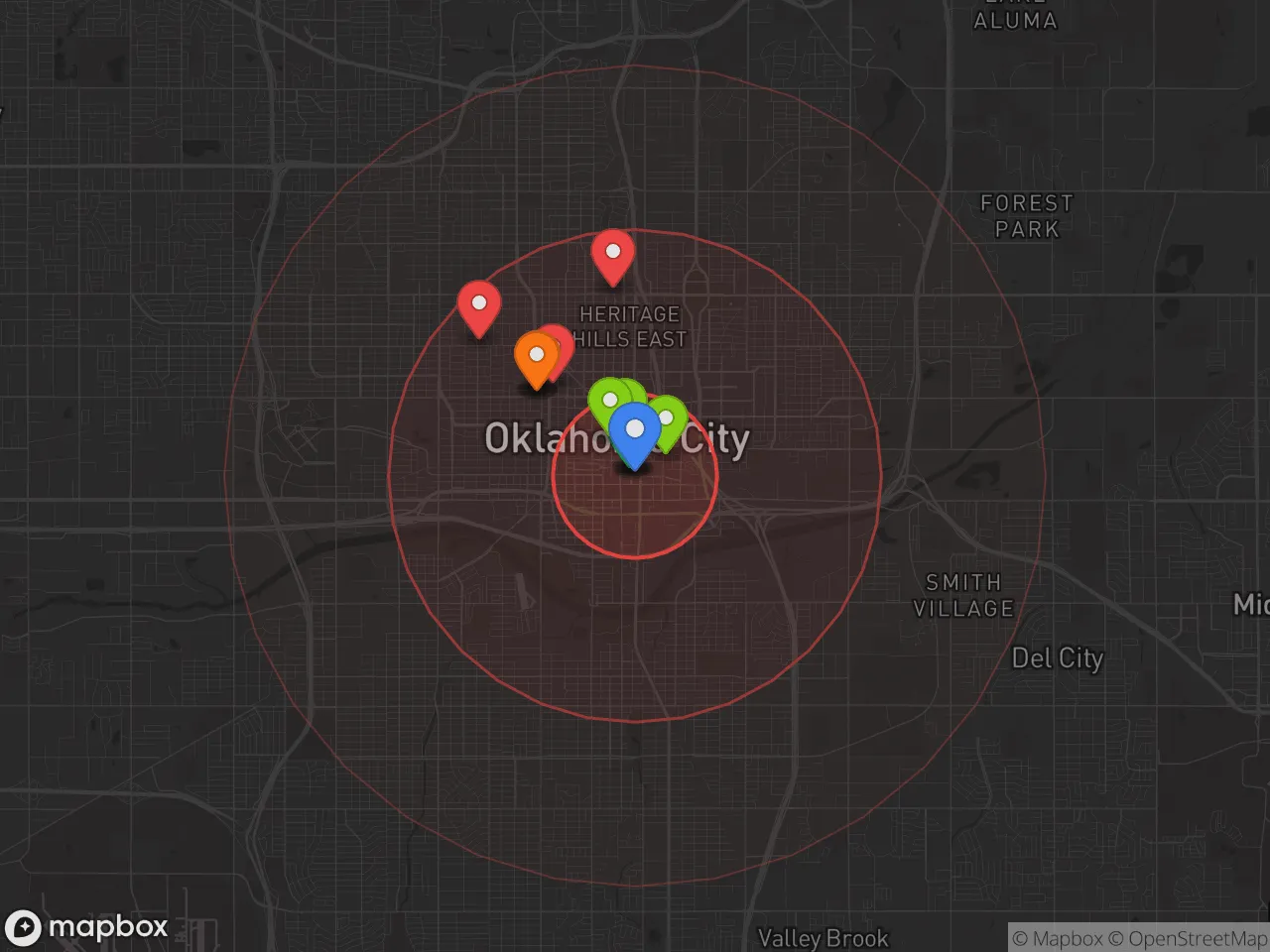
6 within 10 miles
Gas
20 within 10 miles
Hospital
20 within 20 miles
Airport
DFW — Dallas/Fort Worth International
Post Office
USPS — Oklahoma City, OK
Critical Amenities
Quality-of-Life Analysis
Oklahoma City offers a notably lower cost of living than the national average, attracting a broad mix of young professionals, growing families, and retirees seeking more disposable income. With a cost of living index of 86 (where 100 equals the U.S. average), the metro area provides a middle-class lifestyle that feels attainable, particularly for those moving from higher-cost regions like the West Coast or Northeast. The population is diverse in income and background, though the city's affordability means many residents can own a home and still have room in their budget for travel, dining, and entertainment.
How housing costs and everyday expenses compare to nearby areas
Housing is the primary driver of Oklahoma City's affordability. The median home value sits at $215,100, well below the national median of roughly $350,000, while the median rent is $1,083 per month. These figures are significantly lower than in nearby regional hubs like Dallas-Fort Worth (where median home values exceed $400,000) or Tulsa (around $200,000, but with a smaller job market). Everyday expenses such as groceries, utilities, and transportation also run below the national average, meaning a household earning $60,000 can live comfortably here. The average commute time is 22.2 minutes, shorter than the national average of 26 minutes, which reduces daily transportation costs and frees up time for family or leisure. Property taxes are moderate, and Oklahoma's state income tax rate of 4.75% is competitive with neighboring states like Texas (which has no income tax but higher property taxes) and Kansas.
What daily life is like for families and professionals
Daily life in Oklahoma City balances urban amenities with a relaxed, family-oriented pace. The city is home to the Oklahoma City Public Schools district, which includes several magnet and charter options, as well as highly rated suburban districts like Edmond and Deer Creek. For higher education, the University of Oklahoma Health Sciences Center and Oklahoma City University anchor the area. Amenities are plentiful: the Myriad Botanical Gardens, the National Cowboy & Western Heritage Museum, and the Bricktown entertainment district offer year-round activities. The city's MAPS 3 and MAPS 4 public improvement programs have added a modern streetcar, a new convention center, and extensive park upgrades, including the Scissortail Park. Sports fans follow the NBA's Oklahoma City Thunder, while the Adventure District draws families with the Oklahoma City Zoo and Science Museum. The restaurant scene has grown significantly, with a concentration of locally owned spots in the Plaza District and Uptown 23rd. The overall rhythm is slower than in larger metros, with a strong emphasis on community events, farmers' markets, and outdoor recreation at Lake Hefner and the Stinchcomb Wildlife Refuge.
Oklahoma City is best suited for those who value affordability and space over high-density urban energy. Young professionals and remote workers will appreciate the low housing costs and short commutes, while families benefit from strong suburban schools and abundant parks. Retirees on fixed incomes find the cost of living especially favorable. However, those seeking a walkable, transit-rich lifestyle or a highly diverse cultural scene may find the city's car-dependent layout and more conservative social climate less appealing. For anyone prioritizing financial breathing room and a slower pace, Oklahoma City delivers a high quality of life at a fraction of the cost of most U.S. metros.

Crime in Oklahoma City, OK
Higher crime rates than 74% of comparable U.S. locations.
Violent CrimeViolent Crime Analysis
Property CrimeProperty Crime Analysis
Crime Analysis
Oklahoma City’s overall safety picture is mixed, with crime rates that significantly exceed both state and national averages. The city recorded a violent crime rate of 678.2 per 100,000 residents and a property crime rate of 2,648.6 per 100,000 in the most recent data, placing it among the higher-risk large metros in the region. While many neighborhoods are safe and family-friendly, the city’s justice system—influenced by progressive district attorneys and judges in Oklahoma County—has drawn criticism for policies that prioritize offender rehabilitation over public safety, a factor that contributes to elevated recidivism and street-level crime.
Crime in context
Oklahoma City’s violent crime rate of 678.2 per 100,000 is roughly 85% higher than the national average (about 367 per 100,000) and well above the Oklahoma state average of roughly 480 per 100,000. Property crime, at 2,648.6 per 100,000, is similarly elevated—about 40% above the national property crime rate. These figures place Oklahoma City in the top 15% of U.S. cities for overall crime. The city’s status as a large metro area with a liberal-leaning county justice system is a key concern: Oklahoma County has seen a pattern of progressive prosecutors reducing felony charges, diverting cases from jail, and advocating for shorter sentences. Critics argue these policies put more offenders back on the street faster, directly undermining deterrence and victim justice.
What residents experience
Residents report that property crime—especially vehicle break-ins, theft from porches, and burglary—is the most common safety issue in daily life. Violent crime, while less frequent, is concentrated in specific corridors and neighborhoods. The city’s police department has struggled with staffing shortages, leading to slower response times in some areas. Progressive criminal justice reforms in Oklahoma County, including a 2023 policy by the district attorney to decline prosecution for certain low-level drug and property offenses, have been linked to a rise in repeat offenses. For families and professionals, this means that even in relatively safe zip codes, the risk of encountering a repeat offender is higher than in jurisdictions with tougher sentencing norms.
Neighborhood-level variation is stark. Areas like Nichols Hills, The Village, and far northwest Oklahoma City (zip codes 73120, 73116) report crime rates 50-70% below the city average. In contrast, central and southeast neighborhoods—such as the 73129 and 73119 zip codes—see violent crime rates that can exceed 1,200 per 100,000. Prospective residents should research specific precinct-level data and consider that the county’s progressive judicial philosophy means that even low-crime neighborhoods are not insulated from citywide recidivism trends. For those prioritizing safety, suburban communities in Canadian or Cleveland counties (e.g., Edmond, Yukon, Moore) offer significantly lower crime rates and more conservative justice policies.
* Values derived from national, state, county, city and local statistics and may differ in a specific area. Last updated: 2026-04-25T13:49:21.000Z
Narrative content on this page is AI-generated and may contain mistakes. Verify any details that matter before acting on them.
ReloMaps may earn a commission from affiliate links at no extra cost to you.

