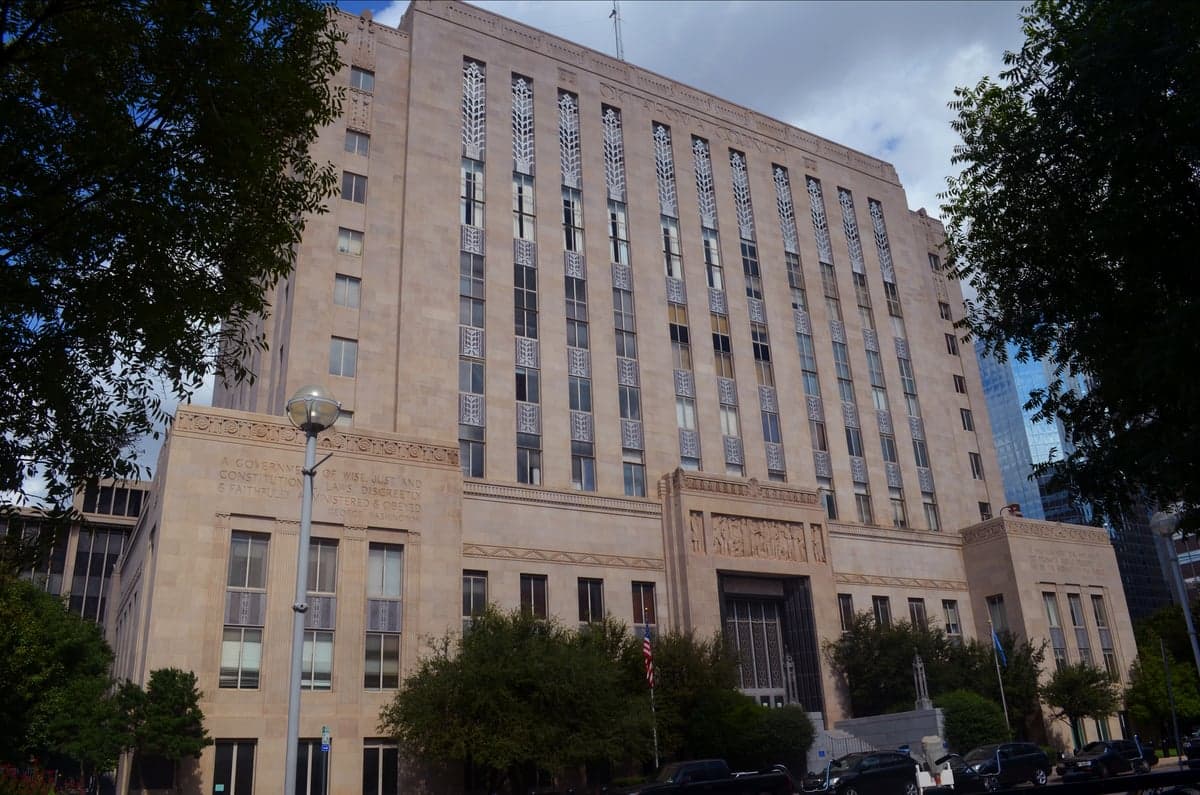
Photo: Wikipedia
Quality of Life in Oklahoma County
A livable area that tracks near national norms for affordability, walkability, and neighborhood health.
What does Quality of Life tell us?
Quality of Life measures an area by evaluating factors like cost of living, nearby amenities, country club access, airport proximity, socioeconomic signals and neighborhood character. For large states, this is a general average — quality of life can vary dramatically between metro areas, suburbs, and rural communities within the same state.
What does this tell us?
Quality of Life measures an area by evaluating factors like cost of living, nearby amenities, country club access, airport proximity, socioeconomic signals and neighborhood character. For large states, this is a general average — quality of life can vary dramatically between metro areas, suburbs, and rural communities within the same state.
Cost of Living
15% below national average
110%
The Real Cost of Living in Oklahoma County for 2026
| Tier | Individual | Family (4) |
|---|---|---|
| Survival | $17k | $32k |
| Comfortable | $40k | $59k |
| Luxury | $118k+ | $183k+ |
| Elite (Top 5%) | $159k+ | $247k+ |
Quality-of-Life Analysis
Oklahoma County offers a broad quality-of-life spectrum, from the urban energy of Oklahoma City to the quiet, unincorporated stretches of Arcadia and Lake Aluma, attracting everyone from young professionals and creatives to families seeking affordable acreage and retirees looking for low-cost living. With a cost of living index of 85 (well below the national average of 100), a median home value of $207,800, and a median rent of $1,073, the county provides tangible financial breathing room across most of its communities. The average commute of just under 22 minutes is notably short for a metro area, meaning residents in far-flung corners can still access the city core without a punishing drive.
Largest town(s) & population centers
Oklahoma City dominates the county as its largest population center and economic engine, offering a dense mix of entertainment districts, professional jobs, and cultural amenities. Daily life here varies sharply by neighborhood: the Bricktown and Deep Deuce areas draw a younger crowd with walkable nightlife and breweries, while Edmond, a large suburb in the northern part of the county, is known for its top-rated public schools and family-oriented subdivisions. Midwest City and Del City, east of downtown, are more affordable, blue-collar communities anchored by Tinker Air Force Base, where commutes are short and housing stock is older but cheaper. Bethany and Warr Acres, on the western edge, offer a quieter suburban feel with easy access to the city's retail corridors along NW Expressway.
Smaller towns & rural pockets
Beyond the suburban ring, Oklahoma County retains genuine small-town and rural character in places like Arcadia, a tiny community north of Edmond known for its historic round barn and antique shops, where residents live on large lots with a strong sense of isolation. Lake Aluma, an incorporated town of fewer than 100 people, is a gated lakeside enclave with no commercial zoning, offering a rural retreat minutes from the city. Nichols Hills and The Village are small, affluent residential enclaves within the metro area, but they feel more like quiet suburbs than rural areas. Forest Park and Smith Village are tiny incorporated towns (populations under 1,000) that provide a slower pace, often with no downtown or retail, relying entirely on nearby Oklahoma City or Edmond for services.
Cost & lifestyle range
The cost spread across Oklahoma County is significant, even within the same metro area. At the upper end, Nichols Hills and Edmond's gated communities see median home values well above the county average, often exceeding $400,000, with larger lots and top-tier schools. At the lower end, Del City and Spencer offer median home values closer to $150,000, with older, smaller homes and more rental stock. Renters find the biggest bargains in Midwest City and Warr Acres, where two-bedroom apartments often rent for under $900. Lifestyle varies accordingly: urbanites in Oklahoma City's Midtown pay a premium for walkability and nightlife, while families in Edmond prioritize school quality and suburban amenities. Rural residents in Arcadia or Lake Aluma trade convenience for space and privacy, often on acreage with septic systems and well water.
Oklahoma County is best suited for people who want a low cost of living without sacrificing access to a major city's jobs and amenities. Young professionals and creatives thrive in the urban core of Oklahoma City, while families and retirees find strong value in the suburban and rural pockets. The county's short average commute and wide range of housing prices mean that nearly any budget can find a viable option, from a downtown apartment to a rural homestead.

Crime in Oklahoma County
Crime rates similar to the national median for U.S. locations.
Violent CrimeViolent Crime Analysis
Property CrimeProperty Crime Analysis
Crime Analysis
Oklahoma County, anchored by Oklahoma City, reports a violent crime rate of 405.3 per 100,000 residents and a property crime rate of 1,820.6 per 100,000, placing it above both state and national averages for overall crime. While the county contains pockets of relative safety, its larger urban core and certain suburban corridors drive elevated risks, particularly for property offenses. Residents and newcomers should weigh these statistics carefully, as the county’s progressive judicial leadership in Oklahoma City has drawn criticism for policies that prioritize offender rehabilitation over public safety, potentially contributing to recidivism and street-level crime.
Crime in context
Oklahoma County’s violent crime rate of 405.3 per 100,000 is roughly 16% higher than the national average of approximately 350 per 100,000 and significantly exceeds the Oklahoma state average of around 370 per 100,000. Property crime in the county, at 1,820.6 per 100,000, is nearly 30% above the national rate of about 1,400 per 100,000. These figures place Oklahoma County among the higher-crime jurisdictions in the state, comparable to Tulsa County but notably worse than suburban counties like Canadian or Cleveland. The county’s crime challenges are concentrated in Oklahoma City’s urban districts, particularly near the downtown core, the Capitol Hill area, and along the I-35 and I-44 corridors, where property theft and vehicle break-ins are common. In contrast, smaller municipalities within the county—such as Nichols Hills, The Village, and Edmond—report substantially lower crime rates, often 50–70% below the county average, due to higher median incomes, stronger police presence, and more conservative local governance.
What residents experience
For daily life in Oklahoma County, property crime is the most tangible threat. Residents in Oklahoma City’s central neighborhoods frequently report package theft, car break-ins, and residential burglaries, with the property crime rate of 1,820.6 per 100,000 translating to roughly 5 incidents per 1,000 residents annually. Violent crime, while less common, is a serious concern in specific areas: the 73129 and 73119 ZIP codes near the Oklahoma City-Moore border have seen elevated rates of aggravated assault and robbery. The county’s District Attorney, Vicki Behenna, elected in 2022 on a reform platform, has implemented policies that reduce felony charges for nonviolent offenders and emphasize diversion programs. Critics argue this approach has emboldened repeat offenders, particularly in property crime, as progressive sentencing in Oklahoma City’s courts often results in shorter jail terms or probation for theft and drug-related offenses. This contrasts sharply with neighboring Canadian County, where a more traditional law-and-order approach has kept crime rates lower. Residents in Edmond and Nichols Hills report feeling safe walking at night, while those in parts of Del City and Midwest City express growing frustration with car thefts and open-air drug markets.
Neighborhood-level variation is stark. The safest areas—Edmond, Nichols Hills, and The Village—benefit from dedicated police forces and community watch programs, with violent crime rates below 150 per 100,000. In contrast, high-crime hotspots like the 73109 and 73111 ZIP codes in Oklahoma City’s south and east sides see violent crime rates exceeding 600 per 100,000. The county’s progressive judicial district, which includes Oklahoma City proper, has been a focal point for conservative critics who argue that soft-on-crime policies directly harm victims and the public. For those considering relocation, choosing a suburb with a separate police department and a more conservative city council—such as Edmond or Nichols Hills—can significantly reduce exposure to the county’s broader crime trends.
* Values derived from national, state, county, city and local statistics and may differ in a specific area. Last updated: 2026-05-11T21:58:04.000Z
Narrative content on this page is AI-generated and may contain mistakes. Verify any details that matter before acting on them.
ReloMaps may earn a commission from affiliate links at no extra cost to you.

