Photo: Wikipedia
Quality of Life in Parker, CO
Above-average quality of iife. The area offers a reasonable cost of living, decent mobility, and a mix of neighborhood amenities.
What does Quality of Life tell us?
Quality of Life blends cost of living, nearby amenities, socioeconomic signals, and neighborhood character. City-level scores represent the whole municipality; individual neighborhoods can differ.
What does this tell us?
Quality of Life blends cost of living, nearby amenities, socioeconomic signals, and neighborhood character. City-level scores represent the whole municipality; individual neighborhoods can differ.
Cost of Living
89% above national average
The Real Cost of Living in Parker, CO for 2026
| Tier | Individual | Family (4) |
|---|---|---|
| Survival | $31k | $59k |
| Comfortable | $119k | $175k |
| Luxury | $178k+ | $277k+ |
| Elite (Top 5%) | $210k+ | $325k+ |
74%
The Area Signal
A metric tracking the socioeconomic signals of the area.
Hobbies
Explore the areaGroceries
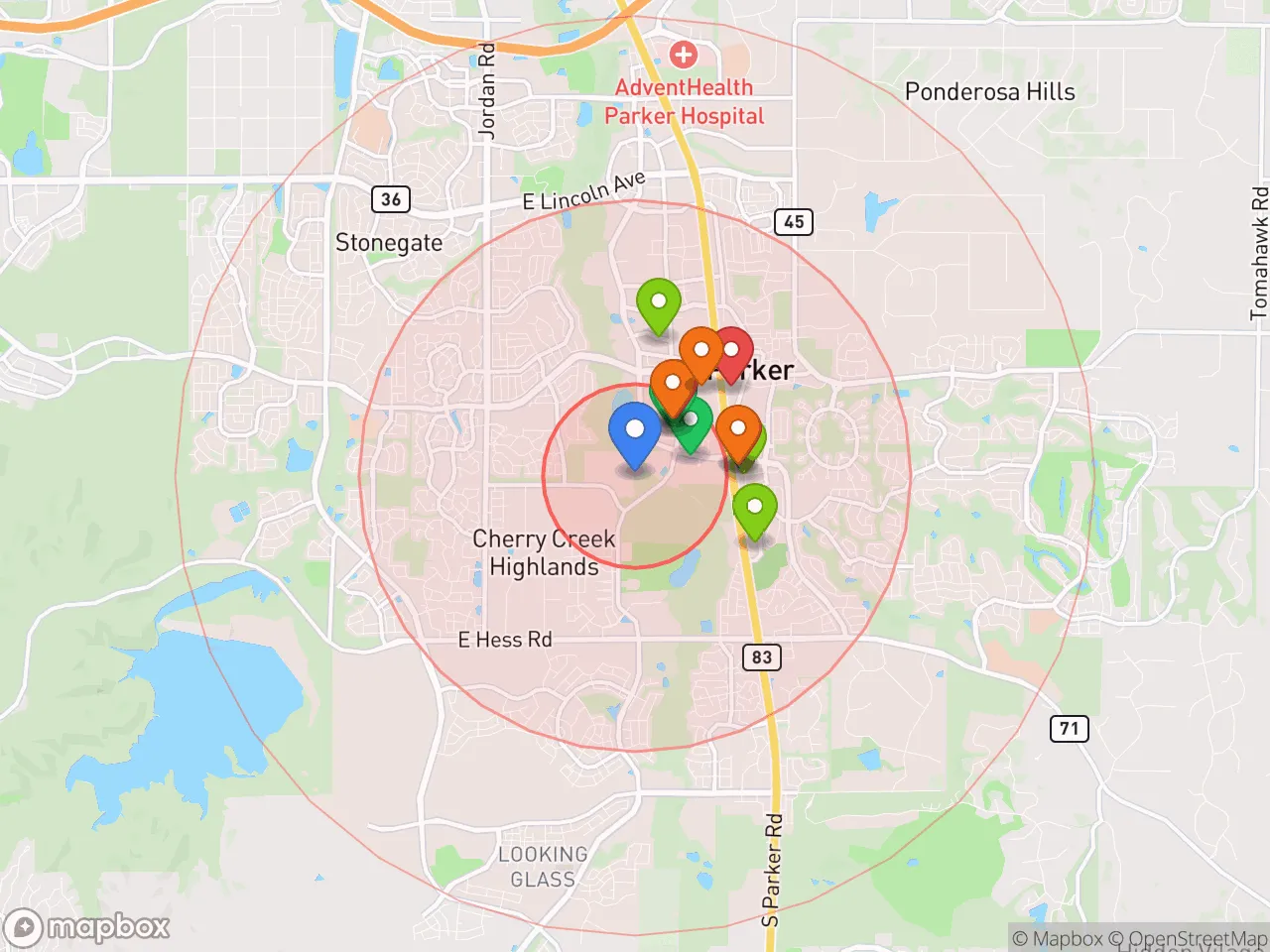
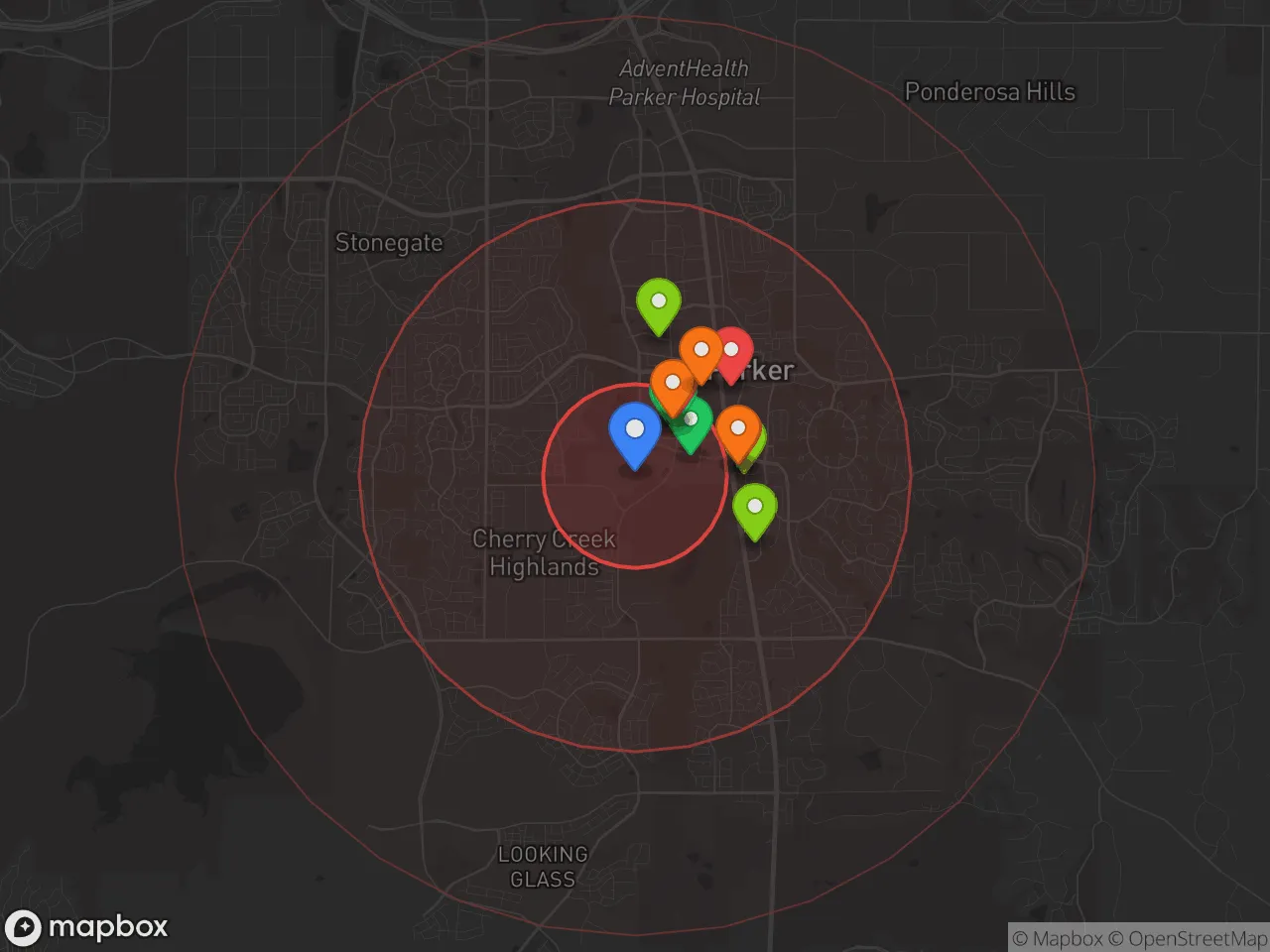
9 within 10 miles
Gas
20 within 10 miles
Hospital
20 within 20 miles
Airport
DEN — Denver International
Post Office
USPS — Parker, CO
Critical Amenities
Quality-of-Life Analysis
Parker, Colorado, is an affluent suburban community in Douglas County, consistently ranked among the nation’s wealthiest counties. With a cost of living index of 189 (nearly double the U.S. average), the town attracts established professionals, executives, and families seeking top-tier schools, low crime, and a semi-rural aesthetic within commuting distance of Denver. The population skews toward married couples with children, and the median household income significantly exceeds state and national averages, reinforcing a lifestyle centered on stability, outdoor recreation, and community involvement.
Cost of living, housing affordability, and how Parker compares to nearby areas
Parker’s cost of living is 89% above the national average, driven primarily by housing. The median home value sits at $613,200, roughly 40% higher than the Denver metro median and nearly double the Colorado state median. Rents are also elevated, with a median of $1,973 per month, though this is comparable to other Douglas County suburbs like Castle Rock ($2,100) and Lone Tree ($2,050). For context, a household earning the Douglas County median income of roughly $120,000 would spend about 30% of gross income on a mortgage at current rates, while renters in Parker typically allocate 25–28% of income to housing. Compared to central Denver, Parker offers more square footage and larger lots for the price, but buyers face stiff competition in a market with limited inventory under $600,000. Property taxes remain relatively low (around 0.55% of assessed value), offsetting some of the high purchase costs.
Schools, amenities, and what daily life is like for families
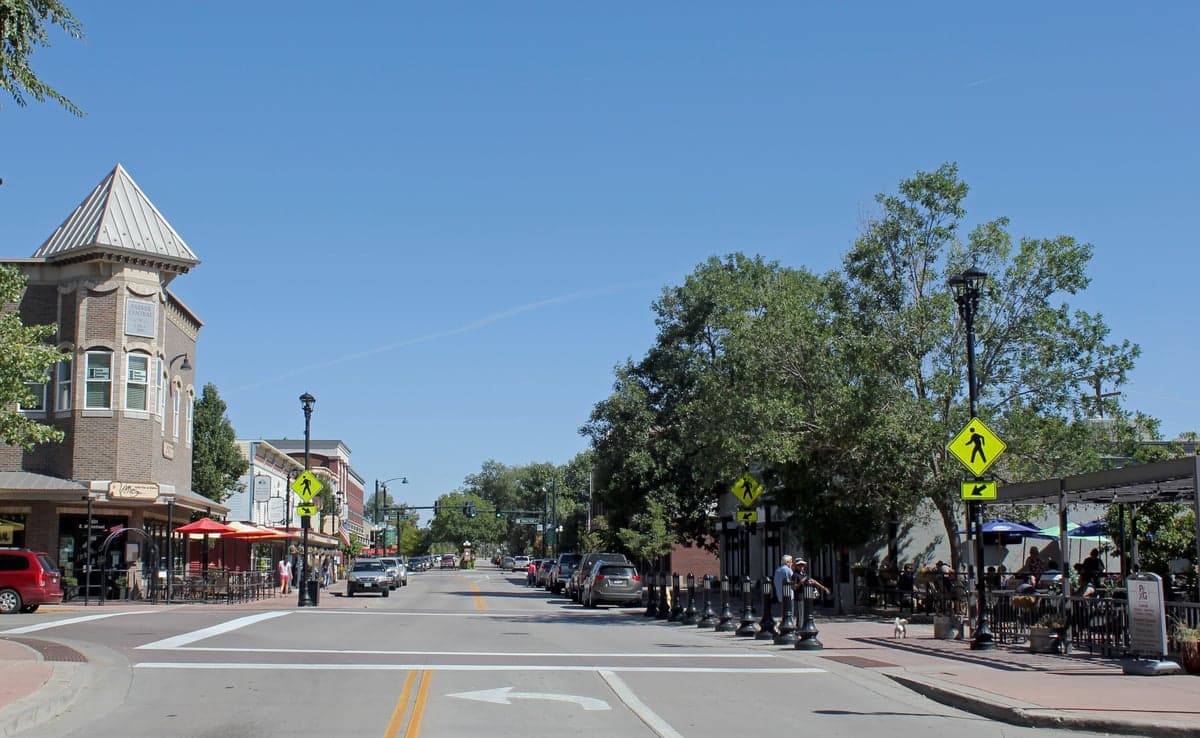
Daily life in Parker revolves around its highly rated Douglas County School District, which includes top-performing schools like Chaparral High School and Legend High School, both boasting graduation rates above 95% and strong STEM and arts programs. The town’s amenity base is robust: the Parker Recreation Center offers indoor pools, fitness classes, and youth sports leagues, while the 1,400-acre Cherry Creek Trail system provides paved paths for biking and running. The historic downtown area along Mainstreet features locally owned shops, restaurants, and seasonal farmers’ markets. Commuting patterns define the rhythm—the average one-way commute is 26 minutes, with most residents driving to employment hubs in Denver (25 miles north), the Denver Tech Center (20 miles), or Aurora (15 miles). Traffic on E-470 and I-25 can add 10–15 minutes during peak hours, but the commute is generally shorter than from farther exurbs like Castle Rock or Elizabeth. Weekend life often includes trips to nearby state parks (Castlewood Canyon, Chatfield) or youth sports tournaments at the Parker Fieldhouse, a 90,000-square-foot indoor sports complex.
Parker is best suited for families and professionals who prioritize school quality, safety, and space over urban convenience or nightlife. The town’s low violent crime rate (roughly 1.2 per 1,000 residents, well below the national average) and strong sense of community appeal to those raising children. Empty-nesters and remote workers also find value in the larger homes and quieter pace, though the high cost of living and car-dependent layout may deter singles, young renters, or those seeking walkable urban density. For buyers who can afford the premium, Parker offers a predictable, amenity-rich suburban lifestyle with strong long-term property value appreciation.

Crime in Parker, CO
Lower crime rates than 75% of comparable U.S. locations.
Violent CrimeViolent Crime Analysis
Property CrimeProperty Crime Analysis
Crime Analysis
Parker, Colorado, presents a mixed safety profile that demands careful consideration. While the town's violent crime rate of 196.3 per 100,000 residents is notably lower than both the Colorado state average and the national median, its property crime rate of 1,079.7 per 100,000 is significantly higher than national benchmarks. This combination of low violent crime but elevated property crime is a common pattern in affluent suburban communities, but it is compounded by the broader criminal justice environment in the Denver metro area, where progressive district attorneys and judges have implemented policies that prioritize offender rehabilitation over incarceration, leading to more criminals on the street and reduced deterrence.
Crime in context
Parker's violent crime rate of 196.3 per 100,000 is roughly half the national average of 380 per 100,000 and well below Colorado's state rate of approximately 410 per 100,000. This makes Parker one of the safer large suburbs in the Denver region for violent offenses like homicide, robbery, and aggravated assault. However, the property crime rate of 1,079.7 per 100,000 is about 25% higher than the national average of 860 per 100,000 and slightly above the Colorado state average of 1,050 per 100,000. This elevated property crime is driven largely by thefts from vehicles and residential burglaries, which are common in suburban communities with easy highway access and a transient population. The progressive criminal justice policies in Douglas and Arapahoe counties, which include Parker, have resulted in lower incarceration rates for property offenders, contributing to higher recidivism and more crimes against property.
What residents experience
For daily life in Parker, the risk of violent victimization is low, but property crime is a tangible concern. Residents frequently report incidents of package theft, vehicle break-ins, and garage burglaries, particularly in neighborhoods near major thoroughfares like Parker Road and E-470. The town's police department has responded with increased patrols and a community alert system, but the underlying issue remains: progressive prosecutors in the 18th Judicial District have adopted policies that reduce bail for property crimes and divert many cases to pretrial programs, meaning repeat offenders are often back on the street within days. This directly impacts victims, who may see their stolen property never recovered and the offender facing minimal consequences. For families and retirees, this means that while walking the streets at night is generally safe, securing one's home and vehicle requires constant vigilance.
Neighborhood-level variation is significant. Established, gated communities in the northern and western parts of Parker, such as those near the Parker Golf Club, report property crime rates 30-40% lower than the town average. In contrast, newer developments along the southern corridor near Castle Rock and areas adjacent to the Parker Road commercial strip experience higher rates of theft and vandalism. The safest neighborhoods are those with active homeowners' associations, private security patrols, and limited access points. Prospective residents should research specific subdivision crime maps and consider that the progressive justice policies affecting the entire metro area mean that even in Parker's safest pockets, the risk of property crime is higher than in similarly affluent suburbs in more conservative judicial districts elsewhere in Colorado.
* Values derived from national, state, county, city and local statistics and may differ in a specific area. Last updated: 2026-05-01T11:24:31.000Z
Narrative content on this page is AI-generated and may contain mistakes. Verify any details that matter before acting on them.
ReloMaps may earn a commission from affiliate links at no extra cost to you.

