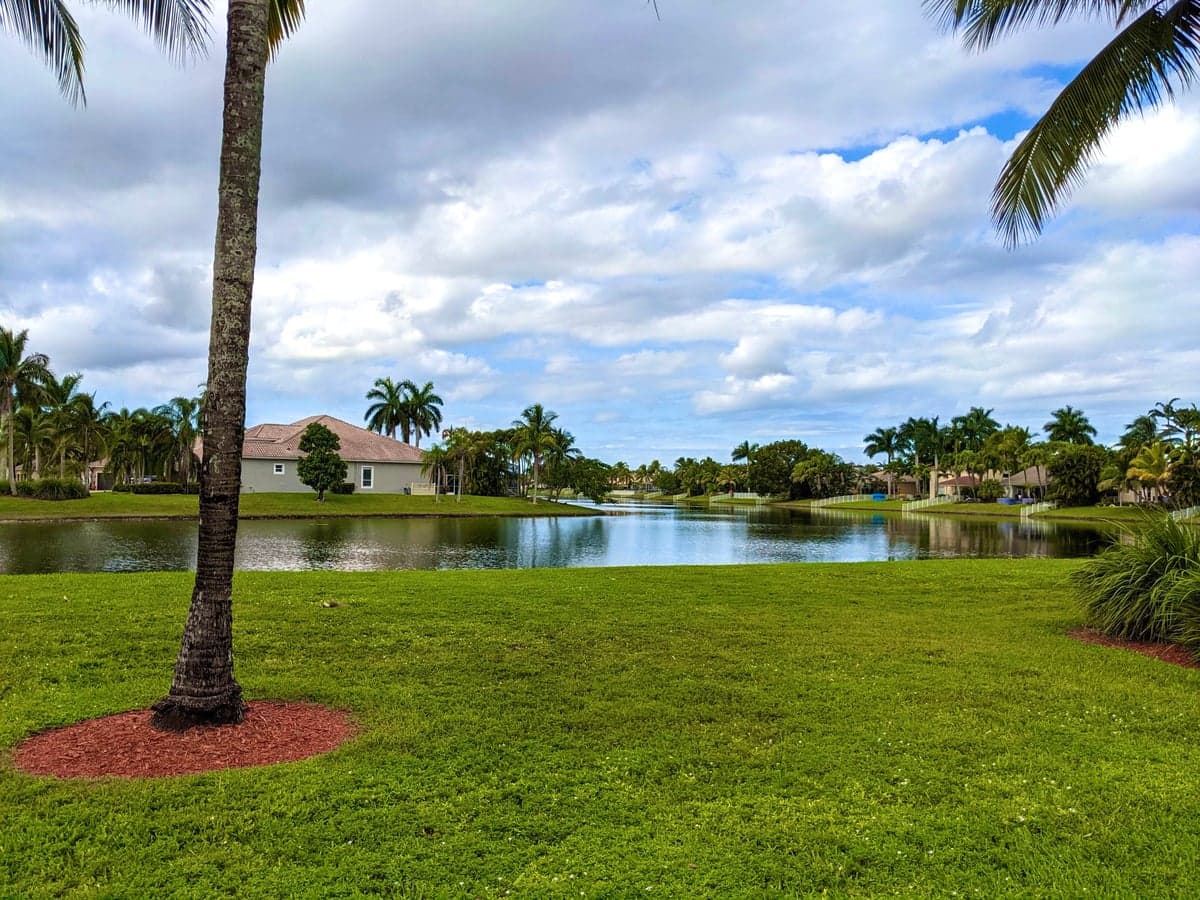
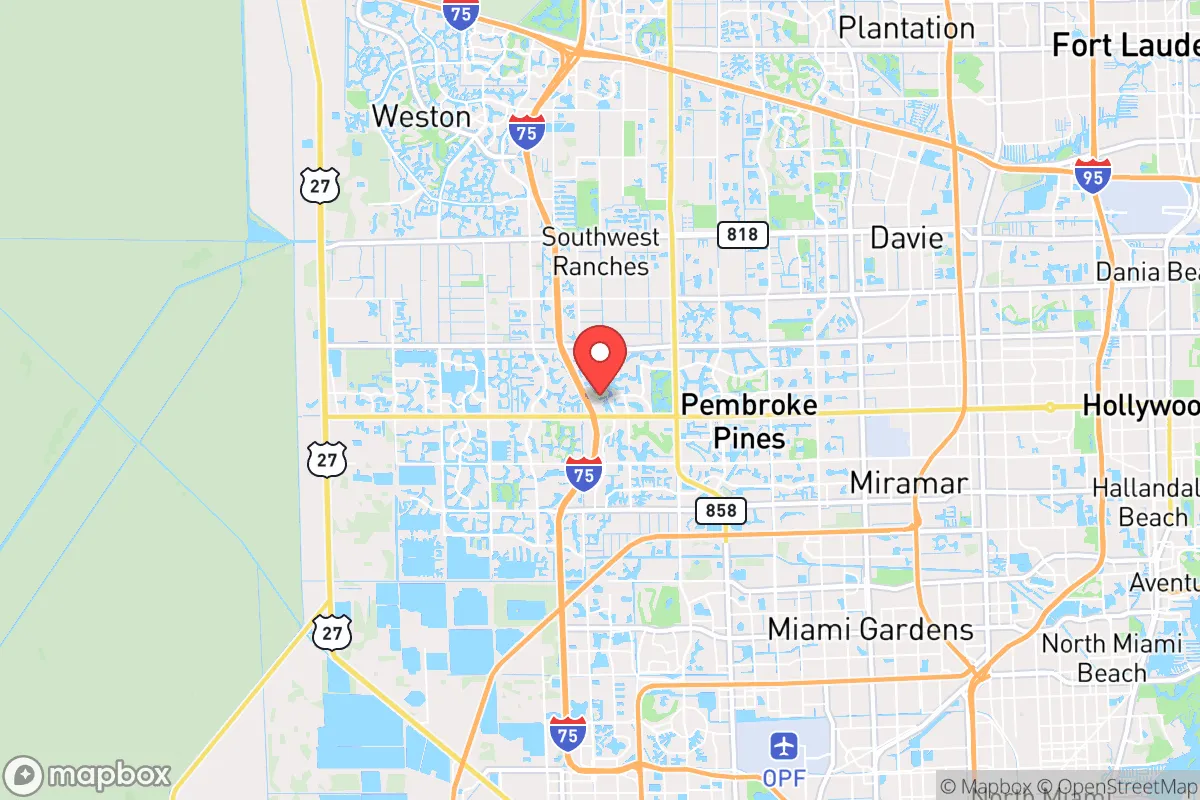
Photo: Wikipedia
Quality of Life in Pembroke Pines, FL
A high quality of life with strong walkability, manageable living costs, healthy neighborhood signals, and solid amenity access.
What does Quality of Life tell us?
Quality of Life blends cost of living, nearby amenities, socioeconomic signals, and neighborhood character. City-level scores represent the whole municipality; individual neighborhoods can differ.
What does this tell us?
Quality of Life blends cost of living, nearby amenities, socioeconomic signals, and neighborhood character. City-level scores represent the whole municipality; individual neighborhoods can differ.
Cost of Living
57% above national average
The Real Cost of Living in Pembroke Pines, FL for 2026
| Tier | Individual | Family (4) |
|---|---|---|
| Survival | $30k | $57k |
| Comfortable | $80k | $118k |
| Luxury | $136k+ | $212k+ |
| Elite (Top 5%) | $161k+ | $249k+ |
69%
The Area Signal
A metric tracking the socioeconomic signals of the area.
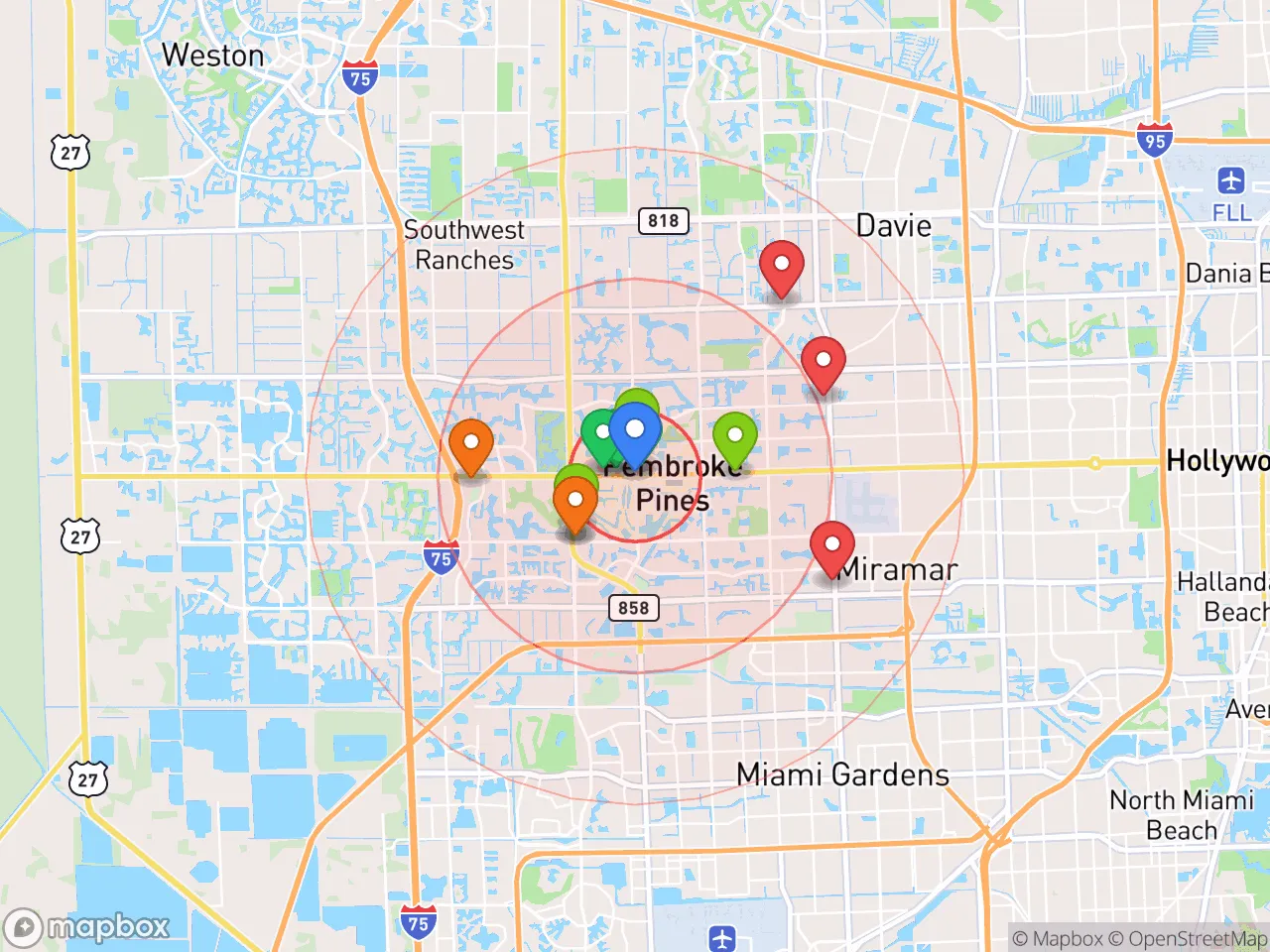
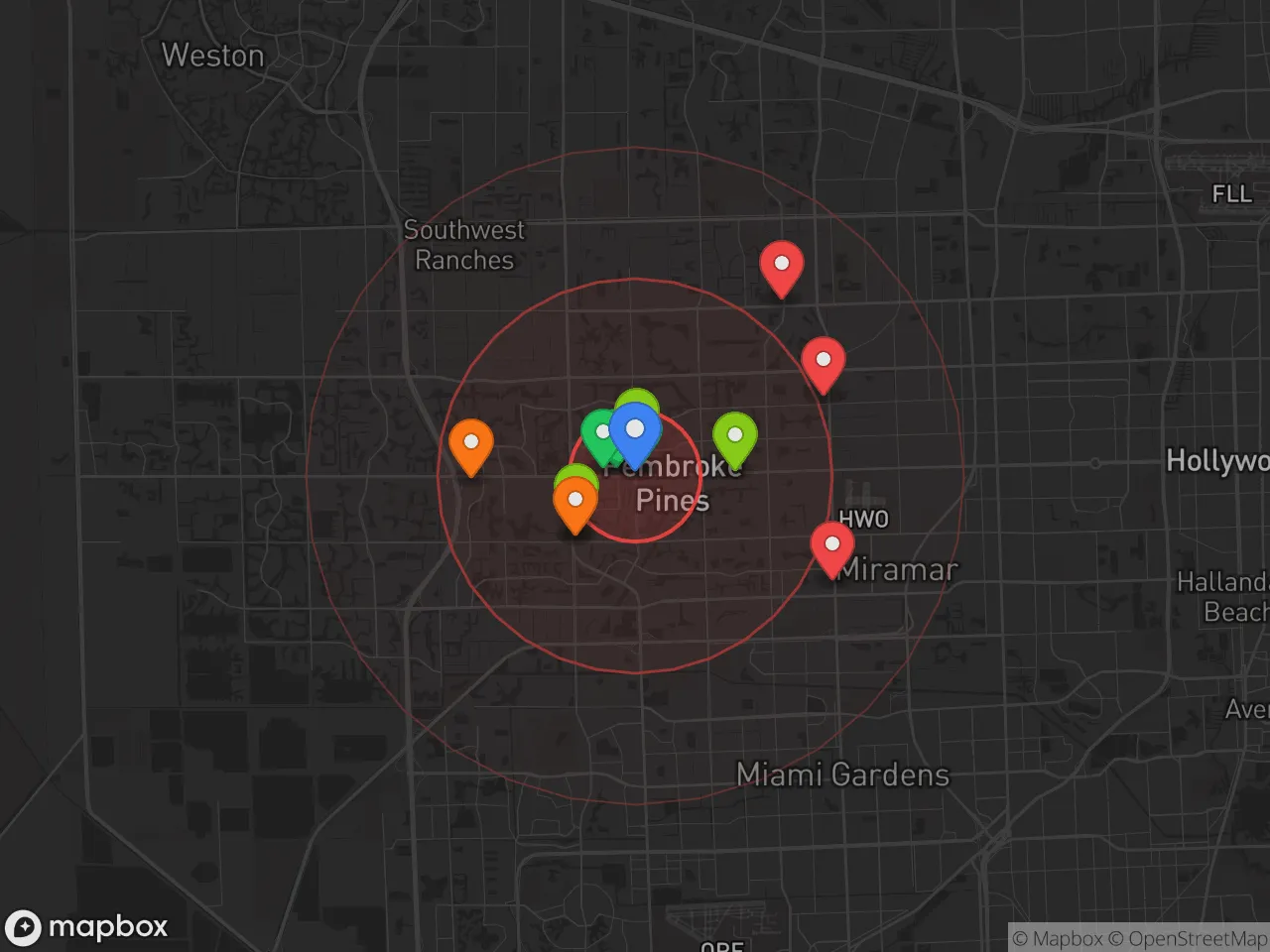
Hobbies
Explore the areaGroceries
6 within 10 miles
Gas
20 within 10 miles
Hospital
20 within 20 miles
Airport
FLL — Fort Lauderdale–Hollywood
Post Office
USPS — Pembroke Pines, FL
Critical Amenities
Quality-of-Life Analysis
Pembroke Pines is an affluent, family-oriented suburb in southwest Broward County, where the cost of living index of 157 (100 = US average) reflects a community of established professionals, dual-income households, and retirees drawn to its master-planned neighborhoods and top-rated schools. The city’s population of roughly 175,000 is notably diverse, with a large Hispanic and Caribbean presence, and the median household income hovers well above the national figure, supporting a lifestyle centered on stability, education, and suburban amenities.
Cost of living, housing, and how affordability compares to nearby cities
Pembroke Pines is significantly more expensive than the national average, but it remains a relative bargain compared to coastal Broward cities like Fort Lauderdale or Hollywood. The median home value of $411,700 is about 20% lower than in Fort Lauderdale, while the median rent of $1,910 undercuts Miami’s typical rent by several hundred dollars. However, these figures are notably higher than in inland suburbs like Miramar or Weston, where newer construction and larger lots command similar or slightly lower prices. The average commute of 30.6 minutes is a key trade-off: many residents work in Miami-Dade or downtown Fort Lauderdale, and the drive along I-75 or the Turnpike can add time, though the city’s location near major highways mitigates some congestion. Property taxes in Broward County run about 1.0–1.2% of assessed value, which is moderate for South Florida, and no state income tax helps offset the elevated housing costs for higher earners.
What daily life is like for families: schools, parks, and local amenities
Daily life in Pembroke Pines revolves around its extensive park system, highly rated public schools, and a calendar of community events that foster a strong suburban identity. The city operates over 30 parks, including the sprawling Pembroke Pines Sports Complex and the Shirley Branca Park, which offer soccer fields, tennis courts, and splash pads. The Broward County Public Schools system serves the area, with schools like Pembroke Pines Charter High School and Silver Trail Middle School consistently earning A ratings from the state, making the city a magnet for families prioritizing education. Retail and dining are anchored by the Pembroke Lakes Mall and the Pines Boulevard corridor, a dense strip of big-box stores, chain restaurants, and medical offices that handles most errands. The city also hosts recurring events such as the Pembroke Pines Farmers Market and holiday parades, which reinforce a neighborly, low-key atmosphere distinct from the nightlife-heavy coastal towns.
Families with school-age children, professionals who work in Miami-Dade or Fort Lauderdale but want a quieter home base, and retirees seeking a well-maintained, amenity-rich suburb will thrive in Pembroke Pines. The city’s combination of strong schools, abundant parks, and a diverse, stable population makes it a practical choice for those who can absorb the higher cost of living and don’t mind a 30-minute commute. It is less suited for young singles seeking urban energy or for households on tight budgets, as housing and everyday expenses consistently run above national norms.

Crime in Pembroke Pines, FL
Lower crime rates than 88% of comparable U.S. locations.
Violent CrimeViolent Crime Analysis
Property CrimeProperty Crime Analysis
Crime Analysis
Pembroke Pines, Florida, reports a violent crime rate of 41.6 incidents per 100,000 residents and a property crime rate of 679.2 per 100,000, according to the most recent data. These figures place the city well below national averages for violent offenses but slightly above the national property crime benchmark. However, the broader context of Broward County’s justice system—part of the South Florida metro area—introduces significant concerns for residents and potential movers, particularly regarding progressive prosecutorial policies that can undermine public safety.
Crime in context
Pembroke Pines’ violent crime rate is roughly 70% lower than the U.S. average of 380 per 100,000, making it one of the safer large suburbs in the Miami-Fort Lauderdale region. Property crime, while higher than the national rate of about 1,950 per 100,000, is still comparatively moderate for a city of its size. Yet these statistics must be weighed against the reality that Broward County operates under a progressive district attorney’s office. Critics argue that policies emphasizing diversion programs, reduced cash bail, and lenient sentencing for nonviolent offenders—while well-intentioned—can lead to repeat offenses and embolden property criminals. The result is a property crime rate that, while not extreme, remains elevated compared to more conservative jurisdictions in Florida, such as those in Collier or St. Johns counties.
What residents experience
Daily life in Pembroke Pines feels safe for most residents, with well-lit streets, active neighborhood watch programs, and a visible police presence in commercial corridors like Pines Boulevard and Flamingo Road. However, property crime—particularly vehicle break-ins, package thefts, and burglaries from unlocked homes—is a recurring frustration. The city’s proximity to I-75 and the Florida Turnpike makes it a convenient target for transient criminals from Miami-Dade and Broward. Residents should also be aware that Broward’s progressive judicial philosophy, which prioritizes rehabilitation over incarceration, can result in shorter sentences for property offenders. This creates a revolving-door effect where repeat offenders cycle through the system, increasing the likelihood of victimization for law-abiding residents.
Neighborhood-level variation is notable. Communities west of I-75, such as those near SilverLakes and the Pembroke Lakes area, generally report lower crime rates due to gated entries and higher property values. In contrast, areas closer to the eastern border with Hollywood and the University Drive corridor see more property crime, particularly in apartment complexes and retail zones. For families and retirees considering a move, the safest bet is to target neighborhoods with active homeowners’ associations and private security patrols. While Pembroke Pines is statistically safer than many peer cities in South Florida, the county’s progressive criminal justice policies mean that vigilance—especially regarding property security—remains essential.
* Values derived from national, state, county, city and local statistics and may differ in a specific area. Last updated: 2026-04-24T09:27:55.000Z
Narrative content on this page is AI-generated and may contain mistakes. Verify any details that matter before acting on them.
ReloMaps may earn a commission from affiliate links at no extra cost to you.

