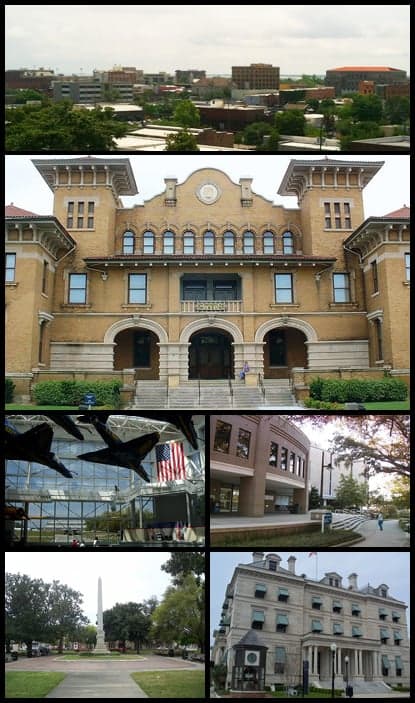
Photo: Wikipedia
Quality of Life in Pensacola, FL
A high quality of life with strong walkability, manageable living costs, healthy neighborhood signals, and solid amenity access.
What does Quality of Life tell us?
Quality of Life blends cost of living, nearby amenities, socioeconomic signals, and neighborhood character. City-level scores represent the whole municipality; individual neighborhoods can differ.
What does this tell us?
Quality of Life blends cost of living, nearby amenities, socioeconomic signals, and neighborhood character. City-level scores represent the whole municipality; individual neighborhoods can differ.
Cost of Living
2% above national average
The Real Cost of Living in Pensacola, FL for 2026
| Tier | Individual | Family (4) |
|---|---|---|
| Survival | $19k | $36k |
| Comfortable | $54k | $79k |
| Luxury | $131k+ | $204k+ |
| Elite (Top 5%) | $174k+ | $270k+ |
92%
The Area Signal
A metric tracking the socioeconomic signals of the area.


Hobbies
Explore the areaGroceries
4 within 10 miles
Gas
0 within 10 miles
Hospital
3 within 20 miles
Airport
ATL — Hartsfield–Jackson Atlanta International
Post Office
USPS — Pensacola, FL
Critical Amenities
Quality-of-Life Analysis
Pensacola, Florida, presents a middle-market quality of life defined by its status as a military, healthcare, and tourism hub on the western Panhandle. The area’s affluence is moderate, with a median household income around $55,000, attracting a mix of active-duty and retired military personnel, healthcare professionals from Ascension Sacred Heart and Baptist Health Care, and remote workers drawn to the Gulf Coast lifestyle. The population skews slightly older and more family-oriented than the state average, with a strong sense of community rooted in the historic downtown and beachside neighborhoods.
Cost of living and housing affordability compared to nearby areas
Pensacola’s overall cost of living sits at 102 on the index (100 = U.S. average), making it slightly more expensive than the national baseline but notably cheaper than Florida’s major metro areas. The median home value of $276,500 is roughly $50,000 below the state median and significantly undercutting Tampa ($380,000) and Miami ($500,000+). Median rent of $1,209 is about 15% lower than the Florida average, offering a tangible affordability advantage for renters. Compared to nearby Gulf Breeze (median home value ~$350,000) or Destin ($600,000+), Pensacola provides a clear cost break. The average commute of 21.5 minutes is shorter than the national average (26 minutes), a practical benefit for workers commuting to Naval Air Station Pensacola, downtown offices, or the beaches. However, property insurance costs in Florida are high, and Pensacola’s hurricane risk keeps premiums elevated, which can offset some housing savings for homeowners.
What daily life is like for families and professionals
Daily life in Pensacola revolves around a blend of outdoor recreation, military culture, and a growing food-and-arts scene. The area’s white-sand beaches (Pensacola Beach, Perdido Key) are the primary amenity, offering swimming, fishing, and boating within a 15-minute drive from most neighborhoods. For families, Escambia County Public Schools range widely in performance; top-rated options include West Florida High School and N.B. Cook Elementary, while private and charter schools (e.g., Pensacola Christian Academy) are popular. The University of West Florida and Pensacola State College provide higher education and cultural events. The downtown core on Palafox Street features a walkable historic district with local restaurants, breweries, and the Saenger Theatre. Healthcare access is strong, anchored by Ascension Sacred Heart and Baptist Hospital. The rhythm is slower than a major city—traffic is manageable outside of summer tourist season—but the area lacks the dense urban amenities (e.g., extensive public transit, major league sports) found in Jacksonville or Tampa. Crime rates in Pensacola are slightly above the national average, with property crime being the primary concern, though violent crime is concentrated in specific census tracts.
Pensacola is best suited for people who prioritize coastal access, a moderate cost of living, and a tight-knit community over urban intensity. Remote workers, military families, and retirees will find the most value here, especially those who can tolerate Florida’s humidity and hurricane season. Professionals in healthcare, education, or the service industry will find a stable job market, while those seeking high-end dining, rapid career advancement, or a vibrant nightlife may feel limited. For someone who wants a Gulf Coast lifestyle without the premium price tag of Sarasota or Naples, Pensacola delivers a balanced, livable trade-off.

Crime in Pensacola, FL
Lower crime rates than 83% of comparable U.S. locations.
Violent CrimeViolent Crime Analysis
Property CrimeProperty Crime Analysis
Crime Analysis
Pensacola, Florida, reports a violent crime rate of 59.5 per 100,000 residents and a property crime rate of 305.1 per 100,000, figures that place the city below the national average for both categories. However, the overall safety picture is complicated by the fact that Pensacola sits within Escambia County, which is part of a larger metro area where progressive judicial policies have raised concerns about public safety. Residents should weigh the relatively low crime numbers against the broader regional context of lenient sentencing and reduced prosecution rates that can embolden repeat offenders.
Crime in context
Pensacola's violent crime rate of 59.5 per 100K is roughly 40% lower than the national average of approximately 100 per 100K, while its property crime rate of 305.1 per 100K is about 35% below the U.S. median of 470 per 100K. These numbers compare favorably to Florida's statewide violent crime rate of 74.1 per 100K and property crime rate of 392.6 per 100K. However, these statistics do not account for the impact of local judicial philosophies. Escambia County, like many large metro areas, has seen the influence of progressive district attorneys who prioritize diversion programs and reduced incarceration, which can result in higher recidivism rates and more criminals on the street despite lower reported crime figures.
What residents experience
Daily life in Pensacola involves typical urban safety considerations, with property crimes like vehicle break-ins and package thefts being the most common incidents reported. The city's downtown and beach-adjacent neighborhoods see higher foot traffic and police presence, which can deter opportunistic crime. However, residents in outlying areas and near major thoroughfares like U.S. 98 and I-10 report more frequent property crimes. A key concern for locals is the lenient treatment of repeat property offenders under progressive prosecution policies, where individuals arrested multiple times for theft or burglary often face minimal jail time, eroding public confidence in the justice system. This dynamic means that while the raw crime numbers appear low, the perceived risk of encountering a repeat offender remains elevated for many Pensacola residents.
Neighborhood-level variation
Safety varies significantly across Pensacola's neighborhoods. Areas like East Hill and Scenic Heights consistently report lower crime rates, benefiting from higher property values and active neighborhood watch programs. In contrast, parts of West Pensacola and the Warrington area experience higher concentrations of both violent and property crime, often linked to socioeconomic factors and reduced police patrol density. The progressive judicial policies affecting Escambia County have a disproportionate impact on these higher-crime neighborhoods, where victims of theft or assault may see their cases resolved with plea deals or probation rather than meaningful incarceration. Prospective residents should research specific zip codes—such as 32501 and 32505—where crime data and judicial outcomes warrant closer scrutiny before relocating.
* Values derived from national, state, county, city and local statistics and may differ in a specific area. Last updated: 2026-04-19T06:57:09.000Z
Narrative content on this page is AI-generated and may contain mistakes. Verify any details that matter before acting on them.
ReloMaps may earn a commission from affiliate links at no extra cost to you.

