 Popular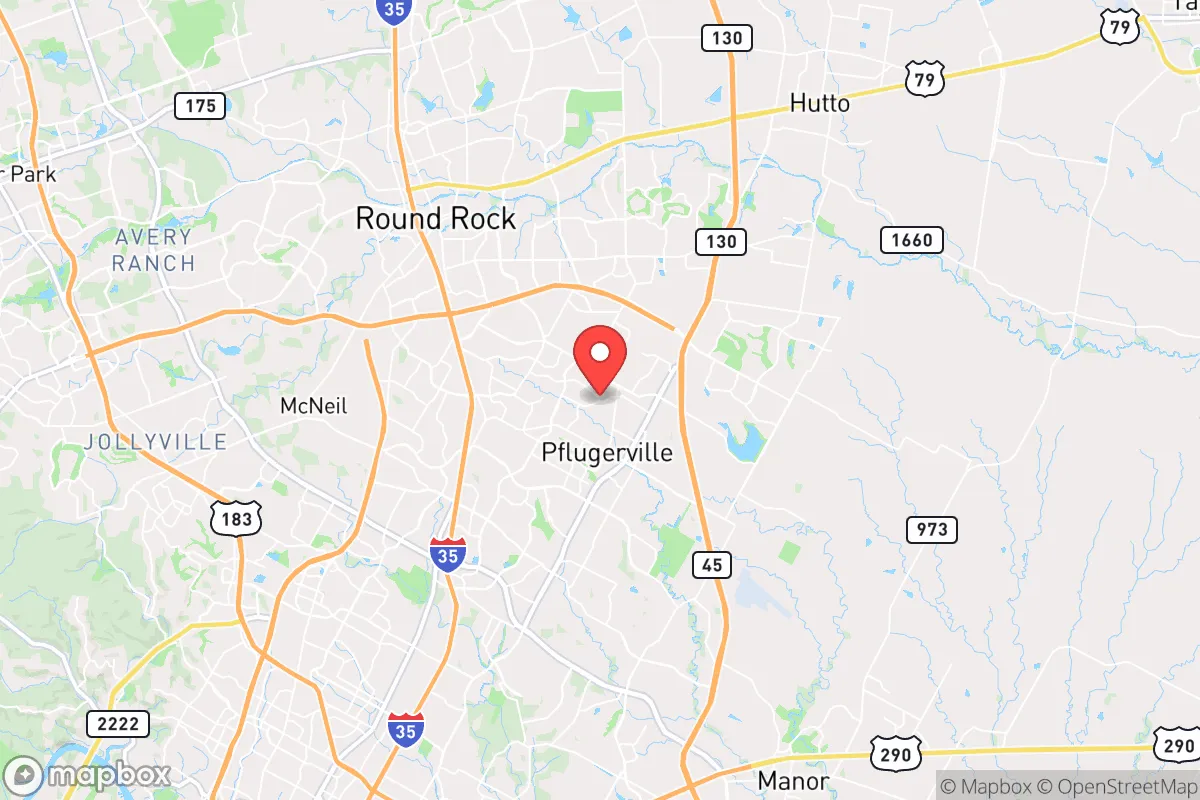
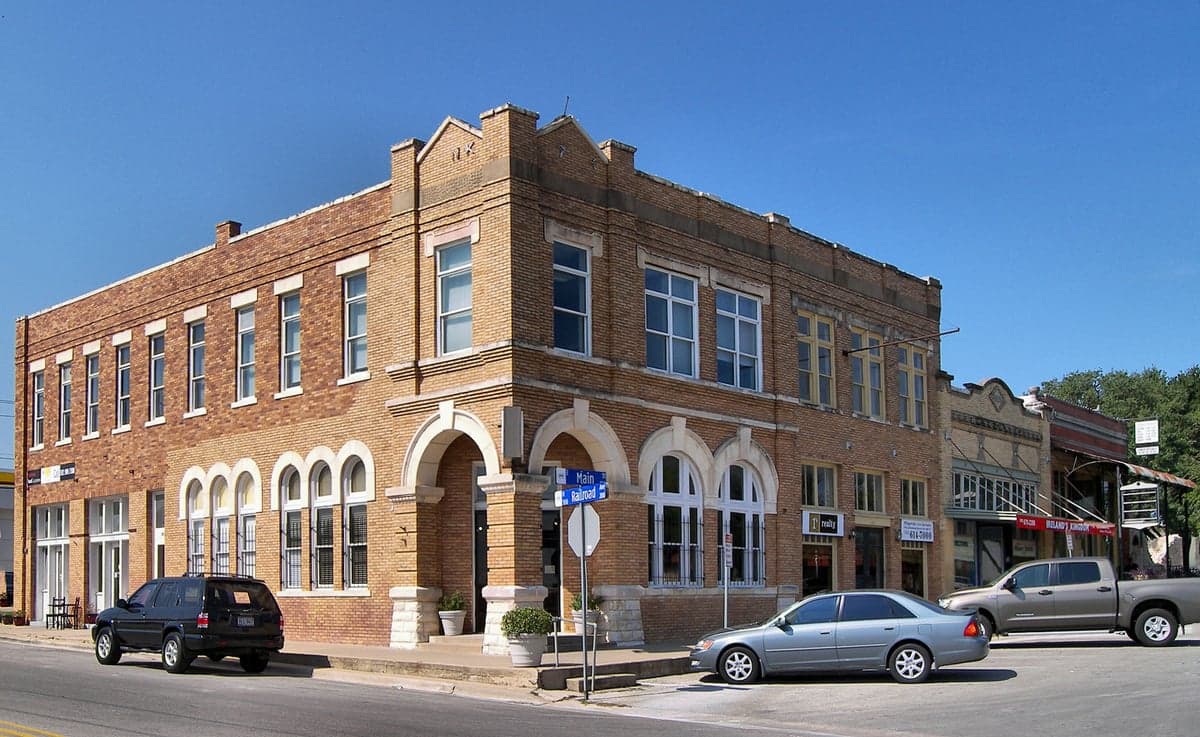
Photo: Wikipedia
Political ClimatePolitical Climate in Pflugerville, TX
District shown is the primary district for this city’s centroid. Cities may span multiple districts.
Local Political AnalysisPolitical Analysis of Pflugerville, TX
Pflugerville sits in a bit of a political tug-of-war, and if you’ve been here a while like I have, you’ve watched it shift. The area’s Cook PVI is R+14, which tells you the broader Travis County and surrounding precincts still lean solidly red, but Pflugerville itself has been drifting left over the past decade. It’s not Austin-level progressive yet, but the signs are there—more local candidates running on “equity” platforms, zoning fights that feel like government overreach, and a growing number of transplants who bring big-city voting habits with them. For a longtime resident, it’s a little unsettling to see the slow creep of policies that chip away at personal freedoms, especially when you remember how things used to be.
How it compares
Drive ten minutes east to Hutto or Taylor, and you’re back in deep-red territory—those towns still vote like the old Pflugerville did. Head west into Austin, and it’s a completely different world: progressive policies on housing, policing, and taxes that feel like a warning of what could come here. Round Rock, just north, is more of a mixed bag, but it’s held onto a conservative lean better than Pflugerville has. The contrast is stark: in the 2020 election, Pflugerville’s precincts split almost evenly, while surrounding rural areas went +20 or more for the Republican candidate. That R+14 rating masks the fact that Pflugerville is the weak link in an otherwise conservative corridor. If you’re looking for a place where your vote still counts and local government respects your right to live without endless regulations, you’d feel more at home in Hutto or even parts of Round Rock.
What this means for residents
For folks who value personal freedoms—like choosing your own healthcare, deciding how to educate your kids, or keeping your property rights intact—the political drift here is worth watching. The city council has flirted with things like mandatory affordable housing set-asides and environmental ordinances that sound nice but often mean more red tape for homeowners and small businesses. Property taxes have crept up as the city expands services, and there’s talk of density mandates that could limit what you can do with your own land. The school board has seen some contentious races over curriculum transparency and parental rights, which is a sign that the progressive push is reaching the classroom. If you’re a conservative, you’re not alone—there are plenty of like-minded neighbors—but you’ll need to stay engaged at the ballot box and at city hall meetings to keep things from sliding further.
One thing that still sets Pflugerville apart from Austin is the gun-friendly culture and the general lack of heavy-handed policing on things like noise complaints or property use. You can still run a home-based business without a dozen permits, and the local sheriff’s office hasn’t gone full “defund” mode. But the long-term trend is concerning: as more people move in from blue states, they bring expectations for government to solve every problem. If you’re considering a move here, I’d say come for the affordable housing and the good schools, but keep an eye on the local elections. The Pflugerville of 2026 isn’t the Pflugerville of 2016, and if the trajectory holds, it could look a lot more like Austin by 2036. That’s not necessarily a bad thing if you’re progressive, but for those of us who value limited government and personal responsibility, it’s a slow erosion worth fighting.

State Political ClimatePolitical Climate in Texas
State Political AnalysisPolitical Environment in the State
Texas has been a reliably Republican state for decades, with the GOP holding every statewide office and both chambers of the legislature since the 1990s. The state’s overall partisan lean is roughly +10 to +12 points Republican in presidential elections, though that margin has narrowed from +16 in 2012 to +9 in 2020 and +8 in 2024. The dominant coalition is a mix of rural conservatives, suburban fiscal conservatives, and a growing number of Hispanic voters in the Rio Grande Valley who have shifted rightward, while the Democratic base is concentrated in the urban cores of Houston, Dallas, San Antonio, and Austin, plus the heavily Democratic border city of El Paso.
Urban vs. rural divide
The political map of Texas is a tale of two worlds. The vast rural and exurban areas—places like Lubbock, Amarillo, and the Panhandle—are deep red, often voting 75-80% Republican. The major metros are more complex: Houston and Dallas-Fort Worth are purple, with the suburbs trending red and the inner cities blue. Austin is the state’s most liberal city, a progressive island in a conservative sea, while San Antonio leans Democratic but with a strong moderate streak. The real story is the Rio Grande Valley, where counties like Hidalgo and Cameron that once voted 60-70% Democratic have shifted dramatically—Trump won Zapata County in 2020 and improved margins across the region in 2024. This Hispanic shift is reshaping the map, making places like McAllen and Brownsville battlegrounds rather than safe blue turf.
Policy environment
Texas remains a low-tax, low-regulation state with no personal income tax, a business-friendly climate, and a strong right-to-work law. The state’s education policy has been a flashpoint: the 2021 “Critical Race Theory” ban (HB 3979) and the 2023 “Parental Bill of Rights” (HB 900) restrict how race and gender are taught in public schools, giving parents more control over curriculum. Healthcare is a mixed bag—Texas has not expanded Medicaid, keeping government out of healthcare decisions, but the state has the highest uninsured rate in the nation. Election laws tightened after 2020 with SB 1, which banned drive-thru voting, added ID requirements for mail ballots, and restricted early voting hours. The state also passed a near-total abortion ban (SB 8 in 2021, triggered by Roe’s reversal) and a permitless carry law (HB 1927 in 2021), reflecting a strong conservative tilt on social issues.
Trajectory & freedom
On balance, Texas has moved toward more personal freedom in recent years, especially on gun rights and parental control. The permitless carry law lets law-abiding adults carry a handgun without a license, and the “Second Amendment Sanctuary” movement has spread to over 100 counties. The 2023 “Save Women’s Sports Act” (SB 15) bans biological males from competing in female sports, and the “Texas Heartbeat Act” (SB 8) effectively ended abortion after six weeks. However, there are concerning trends: the state has expanded its surveillance powers under the “Texas Privacy Act” (HB 4474) in 2023, which requires age verification for adult websites but also gives the government more data on online behavior. Property rights remain strong, with no statewide zoning and low property taxes, though some cities like Austin have imposed local regulations that restrict development. The biggest freedom concern is the growing influence of corporate and federal overreach—Texas is fighting the Biden administration on border security (Operation Lone Star) and environmental rules, but the state’s own bureaucracy has grown under Governor Greg Abbott and Lieutenant Governor Dan Patrick.
Civil unrest & political movements
Texas has seen its share of political flashpoints. The 2020 Black Lives Matter protests in Austin, Houston, and Dallas were large but mostly peaceful, though they exposed deep divisions. The “Defund the Police” movement gained traction in Austin, leading to a $150 million cut to the police budget in 2020, which was later partially restored after a backlash. On the right, the “Texas Nationalist Movement” has pushed for secession, though it remains fringe. Immigration politics are the hottest button: Governor Abbott’s Operation Lone Star has bused migrants to New York, Chicago, and Washington D.C., and the state has sued the Biden administration over border policies. The “sanctuary city” debate is real—cities like Austin and Houston have declared themselves “welcoming” but are blocked by state law (SB 4) from enacting official sanctuary policies. Election integrity remains a sore spot: the 2020 election saw no widespread fraud, but the 2021 SB 1 was passed amid deep distrust, and some counties like Harris (Houston) have seen ongoing fights over voting access.
Projection
Over the next 5-10 years, Texas will likely remain Republican but with a narrower margin. The in-migration from California and other blue states is bringing more moderate and left-leaning voters to the suburbs of Dallas, Houston, and Austin, while the Hispanic shift in the Valley and the growth of conservative exurbs like Fort Worth and San Antonio’s northern suburbs will offset some of that. The state’s population is projected to grow by 4-5 million by 2030, with most growth in the “Texas Triangle” (Dallas-Fort Worth, Houston, San Antonio, Austin). This will make the state more diverse and more urban, which could push it toward purple status in presidential elections. However, the state’s gerrymandered districts and strong Republican infrastructure mean the legislature will stay red for the foreseeable future. The biggest wildcard is the border—if the federal government continues to fail on immigration, Texas will keep asserting its own authority, which could lead to more legal battles and federal intervention. For a conservative moving in, expect a state that is still solidly red but with growing pockets of blue, especially in Austin and the inner suburbs of Houston and Dallas.
For a new resident, the bottom line is this: Texas offers a low-tax, high-freedom environment with strong gun rights, parental control in schools, and a booming economy. But the political landscape is shifting—the urban cores are becoming more progressive, the suburbs are contested, and the state government is increasingly assertive in fighting federal overreach. If you’re looking for a place where your values are still the majority, the exurbs of Fort Worth, the Hill Country around San Antonio, or the Panhandle around Lubbock are your best bets. Just be prepared for the culture war to keep heating up, because Texas is ground zero for the fight over America’s future.
* Values derived from national, state, county, city and local statistics and may differ in a specific area. Last updated: 2026-04-19T07:22:28.000Z
Narrative content on this page is AI-generated and may contain mistakes. Verify any details that matter before acting on them.
ReloMaps may earn a commission from affiliate links at no extra cost to you.

