Photo: Wikipedia
Quality of Life in Plano, TX
Above-average quality of iife. The area offers a reasonable cost of living, decent mobility, and a mix of neighborhood amenities.
What does Quality of Life tell us?
Quality of Life blends cost of living, nearby amenities, socioeconomic signals, and neighborhood character. City-level scores represent the whole municipality; individual neighborhoods can differ.
What does this tell us?
Quality of Life blends cost of living, nearby amenities, socioeconomic signals, and neighborhood character. City-level scores represent the whole municipality; individual neighborhoods can differ.
Cost of Living
55% above national average
The Real Cost of Living in Plano, TX for 2026
| Tier | Individual | Family (4) |
|---|---|---|
| Survival | $29k | $54k |
| Comfortable | $86k | $126k |
| Luxury | $196k+ | $304k+ |
| Elite (Top 5%) | $233k+ | $361k+ |
86%
The Area Signal
A metric tracking the socioeconomic signals of the area.


Hobbies
Explore the areaGroceries
1 within 10 miles
Gas
0 within 10 miles
Hospital
3 within 20 miles
Airport
DFW — Dallas Fort Worth International
Post Office
USPS — Frisco, TX
Critical Amenities
Quality-of-Life Analysis
Plano, Texas, consistently ranks among the most desirable suburbs in the Dallas-Fort Worth metroplex, attracting a population that is notably affluent, highly educated, and family-oriented. With a cost of living index of 155 (100 = U.S. average), the city commands a premium that reflects its top-tier public schools, low crime rates, and robust job market anchored by corporate headquarters like Toyota North America, JPMorgan Chase, and Frito-Lay. The typical resident is a professional in finance, technology, or healthcare, often commuting to nearby Richardson’s Telecom Corridor or downtown Dallas, while the city’s demographic profile—roughly 50% White, 20% Asian, and 15% Hispanic—mirrors its status as a magnet for both domestic and international talent seeking a high-amenity suburban lifestyle.
Cost of living, housing costs, and affordability compared to nearby cities
Plano’s cost of living index of 155 is significantly higher than the national average but remains competitive within the DFW region. The median home value sits at $440,600, which is roughly 10% above the Dallas-Fort Worth metro average of $400,000, yet still well below the $600,000+ median seen in comparable affluent suburbs like Highland Park or Southlake. For renters, the median rent of $1,792 is about 15% higher than the DFW average of $1,550, though it undercuts the $2,100+ rents found in Uptown Dallas or Frisco’s newer luxury complexes. The average commute time of 25.6 minutes is slightly longer than the national average of 26 minutes, but it is notably shorter than the 30+ minute commutes common in outer-ring suburbs like McKinney or Allen, thanks to Plano’s central location along the Dallas North Tollway and proximity to major employment hubs. While housing costs have risen 35% since 2020, property taxes in Collin County (roughly 2.1% of assessed value) are moderate by Texas standards, and the absence of state income tax helps offset the higher home prices for many buyers.
What daily life is like for families: schools, parks, and amenities
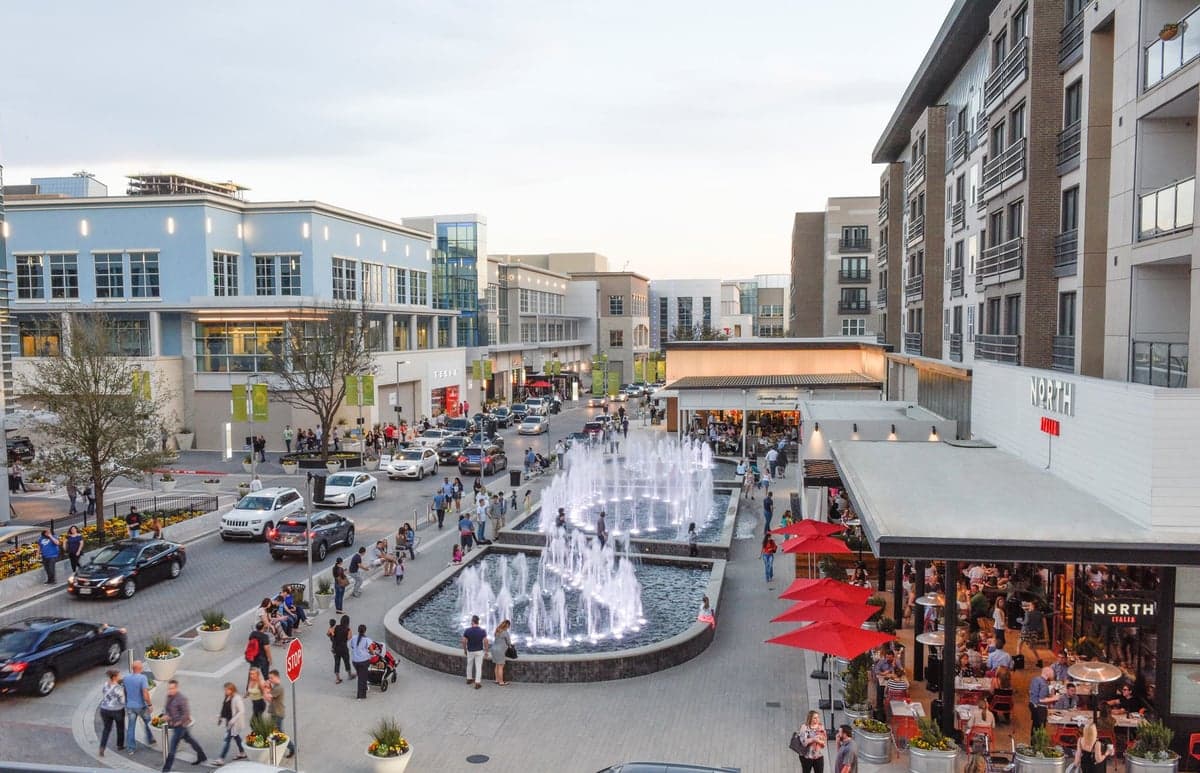
Daily life in Plano revolves around its nationally recognized public school system, Plano Independent School District (PISD), which consistently earns A ratings from Niche and sends over 90% of graduates to college. The district’s 70+ schools, including Plano West Senior High and Jasper High School, are frequently ranked among Texas’s best, drawing families who prioritize education. Beyond the classroom, the city maintains over 80 parks, 50 miles of hike-and-bike trails, and major recreational hubs like Oak Point Park and Nature Preserve (800 acres) and the 125-acre Arbor Hills Nature Preserve. The rhythm of life is decidedly suburban: weekends are filled with youth soccer leagues at Carpenter Park, farmers’ markets at the historic downtown Haggard Park, and dining along the Legacy West development, which offers upscale restaurants and retail. Cultural amenities include the Plano Symphony Orchestra, the ArtCentre of Plano, and the annual Plano Balloon Festival, while the nearby Shops at Willow Bend and Stonebriar Centre provide major shopping. The city’s low violent crime rate (roughly 1.5 per 1,000 residents) and well-lit, walkable neighborhoods in areas like Downtown Plano and the Lakeside District further reinforce its reputation as a safe, family-friendly environment.
Plano is best suited for professionals and families who value exceptional schools, low crime, and a polished suburban environment, and who are willing to pay a premium for these benefits. The city’s strong job market, particularly in finance and technology, makes it a natural fit for corporate transferees and dual-income households, while its extensive parks and community programs appeal to active families with children. However, singles and young professionals may find the social scene quieter than in Dallas proper, and the high cost of housing can be a barrier for entry-level workers. For those seeking a safe, amenity-rich community with top-tier education and a 25-minute commute to major employment centers, Plano remains one of the most compelling choices in North Texas.

Crime in Plano, TX
Lower crime rates than 78% of comparable U.S. locations.
Violent CrimeViolent Crime Analysis
Property CrimeProperty Crime Analysis
Crime Analysis
Plano, Texas, maintains a reputation as one of the safer large suburbs in the Dallas-Fort Worth metroplex, but its crime statistics reveal a more nuanced picture than the city's polished image might suggest. With a violent crime rate of 144.4 per 100,000 residents and a property crime rate of 1,192.8 per 100,000, Plano is significantly safer than the national average for violent offenses but faces property crime challenges that demand attention from prospective residents.
Crime in context
Plano's violent crime rate of 144.4 per 100,000 is roughly 60% lower than the national average of approximately 380 per 100,000, placing it among the safest cities of its size in Texas. However, the property crime rate of 1,192.8 per 100,000 sits slightly above the national average of around 1,100 per 100,000. This means residents are statistically more likely to experience theft, burglary, or vehicle break-ins than violent confrontations. As part of Collin County, Plano benefits from a conservative legal environment where district attorneys and judges generally prioritize public safety and victim rights over progressive sentencing reforms. This stands in contrast to nearby Dallas County, where more liberal prosecutorial policies have been linked to higher recidivism and reduced accountability for repeat offenders—a factor that can spill over into Plano's crime patterns through regional criminal networks.
What residents experience
Daily life in Plano for most residents involves minimal direct exposure to violent crime. The city's homicide rate is exceptionally low, typically under 2 per 100,000 annually, and incidents of robbery and aggravated assault are concentrated in specific commercial corridors and late-night entertainment zones. Property crime is the more tangible concern: package thefts from front porches, bicycle thefts from garages, and occasional vehicle burglaries in apartment complexes and shopping centers are common complaints. The Plano Police Department maintains a proactive community policing model, with neighborhood patrol officers and a robust crime mapping system that allows residents to track incidents in real time. However, the city's wealth and density of retail make it a persistent target for organized retail theft rings operating across the metroplex.
Neighborhood-level variation
Safety in Plano varies noticeably by geography. The most affluent areas west of U.S. Highway 75, including neighborhoods like West Plano and the Willow Bend area, report violent crime rates near zero and property crime rates well below the city average. East Plano, particularly areas near the DART rail stations and older commercial strips along Parker Road and K Avenue, sees higher concentrations of property crime and occasional gang-related activity. The Legacy West and Shops at Willow Bend retail districts experience elevated theft and vehicle break-ins due to high foot traffic. For families, the safest bets are the master-planned communities in the western half of the city, while renters in east-side apartment complexes should verify recent crime logs and consider properties with secure access controls.
* Values derived from national, state, county, city and local statistics and may differ in a specific area. Last updated: 2026-04-16T16:01:12.000Z
Narrative content on this page is AI-generated and may contain mistakes. Verify any details that matter before acting on them.
ReloMaps may earn a commission from affiliate links at no extra cost to you.

