 Popular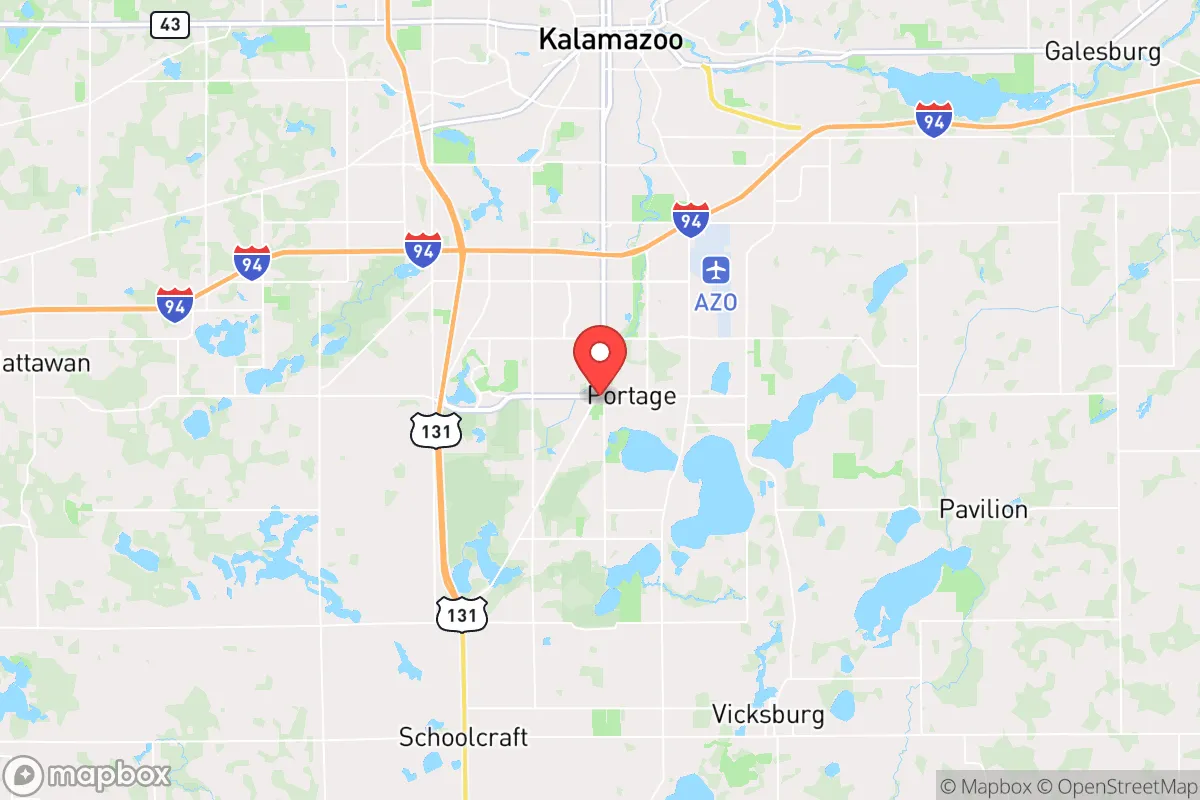
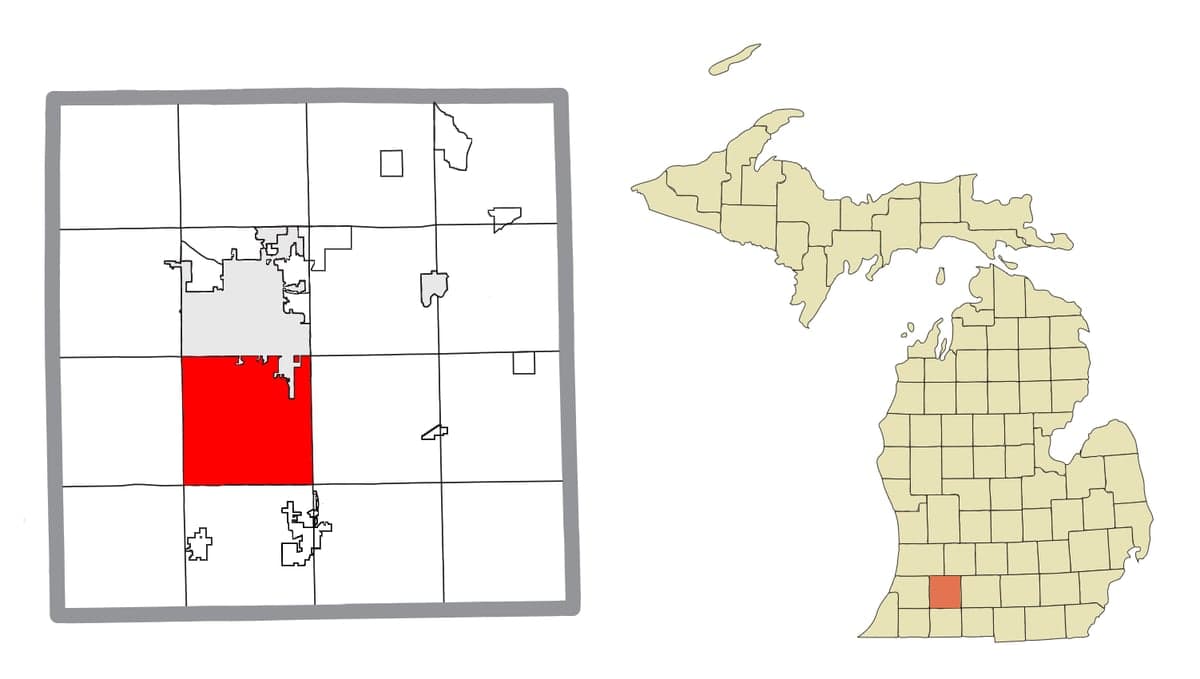
Photo: Wikipedia
Political ClimatePolitical Climate in Portage, MI
District shown is the primary district for this city’s centroid. Cities may span multiple districts.
Local Political AnalysisPolitical Analysis of Portage, MI
Portage, Michigan, sits in a politically interesting spot. The Cook PVI rating of R+3 tells you the district leans Republican, but it’s not a deep red stronghold—it’s more of a purple patch where the old-school, live-and-let-live conservatism that built this town is getting squeezed by progressive ideas creeping in from Kalamazoo just to the north. For a long time, Portage was the kind of place where folks minded their own business, kept taxes reasonable, and didn’t expect the government to run their lives. That’s still the backbone here, but you can feel the shift, especially in local school board meetings and city council decisions where the talk is getting louder about “equity” initiatives and zoning changes that sound a lot like top-down control.
How it compares
Drive ten minutes north into Kalamazoo, and you’re in a different world—a solidly blue city where the university and hospital systems drive a progressive agenda that often feels like it’s telling you how to live. Portage, by contrast, has historically been the sensible neighbor: lower taxes, fewer regulations, and a general attitude that your property and your business are yours to manage. But the comparison that really stings is with the smaller towns to the south and east, like Schoolcraft or Vicksburg. Those communities have held the line harder on things like mask mandates and land-use restrictions, while Portage has started to waffle. You see it in the way the city council handles things like short-term rental rules or new housing density mandates—there’s a creeping tendency to say “we know what’s best for you” rather than trusting residents to make their own choices. It’s not full-blown overreach yet, but the trajectory is concerning if you value personal freedom over bureaucratic convenience.
What this means for residents
For the average person living here, the political climate translates directly into how much the government pokes its nose into your daily life. Property taxes in Portage have inched up faster than in surrounding townships, partly because of new spending on “sustainability” programs and diversity offices that sound nice on paper but add layers of compliance and cost. If you run a small business, you’ve probably noticed more paperwork and fees tied to state-level mandates that the city enforces enthusiastically. The school district, once a point of pride for its straightforward curriculum and discipline, now has parents watching for critical race theory or gender ideology sneaking into lesson plans—and the administration’s response has been to double down on “inclusive” language rather than just teaching the basics. For families, this means you have to stay vigilant: attend those school board meetings, vote in local primaries, and push back when the city tries to impose new rental inspection schemes or noise ordinances that treat neighbors like suspects. The good news is that the R+3 lean means there’s still a strong conservative base that can flip things back if enough people show up. The bad news is that apathy lets the progressive creep win by default.
Culturally, Portage still has a lot going for it—the parks are well-maintained, the crime rate is low, and you can still buy a house with a decent yard without needing a government subsidy. But the policy distinctions are where the rubber meets the road. Unlike Kalamazoo, Portage hasn’t gone all-in on sanctuary city status or defunding the police, and the city council has resisted some of the more extreme housing mandates that would force density on single-family neighborhoods. That said, the long-term outlook depends on whether the conservative majority wakes up. If the trend toward progressive governance continues, you’ll see more regulations on everything from lawn watering to home-based businesses, and the freedom that made Portage a great place to raise a family will get chipped away one ordinance at a time. Keep your ear to the ground, vote in every local election, and don’t let them tell you it’s for your own good.

State Political ClimatePolitical Climate in Michigan
State Political AnalysisPolitical Environment in the State
Michigan has shifted from a reliably purple battleground to a state where Democrats now hold unified control of the governor’s office, legislature, and Supreme Court, a dramatic change from just a decade ago when Republicans controlled all three branches. The state’s overall partisan lean is now a narrow Democratic tilt, driven by the massive population centers of Detroit, Ann Arbor, and Grand Rapids, while the rest of the state remains deeply red. Over the last 20 years, the GOP’s rural and exurban base has been unable to keep pace with the Democratic consolidation in the urban core and the steady leftward drift of the once-moderate suburbs.
Urban vs. rural divide
The political map of Michigan is a textbook case of the urban-rural chasm. Wayne County (Detroit) and Washtenaw County (Ann Arbor) are the Democratic engine, delivering margins of 60-70% for statewide Democrats. Oakland County, once a Republican stronghold, has flipped decisively blue in the last two cycles, driven by educated suburbanites in places like Royal Oak and Ferndale. Meanwhile, the rural Upper Peninsula, the Thumb region, and most of the Lower Peninsula north of Grand Rapids vote Republican by 20-30 points. The Grand Rapids metro area itself is a microcosm: the city votes blue, but its surrounding suburbs like Holland and Rockford remain conservative. The key battleground is now the exurban ring around Detroit—places like Macomb County (home to Sterling Heights and Clinton Township)—which voted for Trump twice but is trending toward Democrats in state-level races.
Policy environment
Michigan’s policy environment has shifted sharply left since Democrats took full control in 2023. The state now has a progressive income tax structure, with a flat rate of 4.25% that is scheduled to drop to 4.05% in 2026 due to a 2015 law triggered by revenue growth, but Democrats have already attempted to repeal that trigger. Property taxes are high, with an average effective rate of 1.5%, and the state’s Headlee Amendment caps annual assessment increases at 5% or inflation, whichever is lower—a protection that is under constant political threat. On education, the state has eliminated the “right-to-work” law that had made Michigan a more business-friendly state, and it has expanded collective bargaining for teachers. Healthcare policy is dominated by the Healthy Michigan Plan (Medicaid expansion), which covers over 1 million residents. Election laws have been dramatically rewritten: Proposal 2 of 2022 enshrined nine days of early voting, automatic voter registration, and no-excuse absentee voting, making Michigan one of the most accessible voting states in the nation. For a conservative, the policy environment is increasingly hostile to fiscal restraint and local control.
Trajectory & freedom
Michigan is becoming less free by nearly every measure a conservative would care about. The most alarming recent development is the repeal of the state’s right-to-work law in 2023, which now forces private-sector workers to pay union dues or fees as a condition of employment—a direct assault on individual liberty. On gun rights, the state passed universal background checks and a red flag law in 2023, allowing courts to temporarily seize firearms from individuals deemed a risk, without a criminal conviction. Parental rights have been eroded by the Michigan Department of Education’s adoption of “culturally responsive” curricula that critics say prioritize identity politics over academic rigor. Medical autonomy took a hit with the 2022 ballot initiative that enshrined a state constitutional right to abortion up to fetal viability, overriding any future legislative restrictions. Property rights are under pressure from the Michigan Environmental Protection Act, which has been used to block development and farming operations. The state’s renewable energy mandate (100% clean energy by 2040) will drive up electricity costs and limit energy choices for homeowners and businesses. In short, the trajectory is toward more government control over personal decisions.
Civil unrest & political movements
Michigan has been a flashpoint for political activism on both sides. The 2020 election integrity controversy centered on Detroit’s absentee ballot counting process, with allegations of irregularities that led to multiple lawsuits and a Republican-led Senate investigation that found no widespread fraud but did recommend changes to election procedures. The Wolverine Watchmen militia plot to kidnap Governor Gretchen Whitmer in 2020 highlighted the extreme fringe of the right-wing movement. On the left, the “Stand Up Michigan” protests against the governor’s COVID-19 lockdowns in 2020 were among the largest in the nation, drawing thousands to the state capitol. Immigration politics are relatively quiet, but Ann Arbor and Detroit have declared themselves “sanctuary cities,” limiting cooperation with federal immigration enforcement. The “Michigan for Trump” movement remains active, with regular rallies and a strong presence in the Macomb County and Ottawa County areas. A new resident will notice the stark political divide: bumper stickers and yard signs are common, and conversations about politics can quickly turn heated, especially in the suburbs.
Projection
Over the next 5-10 years, Michigan is likely to continue its leftward drift, driven by demographic trends. The Detroit metro area is attracting young, college-educated professionals from other states, while the rural population is aging and shrinking. The Grand Rapids area is growing but becoming more politically diverse, with its Hispanic and immigrant populations trending Democratic. The Upper Peninsula will remain red but its population decline means less political weight. The key wildcard is Macomb County: if it continues to trend Democratic, the state will become solidly blue for the foreseeable future. A conservative moving in now should expect higher taxes, more regulation, and a political environment where their views are increasingly marginalized at the state level. However, local control in conservative counties like Ottawa and Livingston will remain strong, offering a refuge from state-level policies.
For a new resident, the bottom line is this: Michigan offers a high quality of life in its conservative-leaning counties, with affordable housing and strong communities, but you will be living under a state government that is actively working against your values on taxes, guns, education, and parental rights. If you move here, choose your county carefully—places like Holland or Traverse City offer a more conservative-friendly environment than the Detroit suburbs. But be prepared for the political climate to become more challenging over time, as the state’s urban centers continue to drive policy in a direction that prioritizes government control over individual freedom.
* Values derived from national, state, county, city and local statistics and may differ in a specific area. Last updated: 2026-05-01T12:21:19.000Z
Narrative content on this page is AI-generated and may contain mistakes. Verify any details that matter before acting on them.
ReloMaps may earn a commission from affiliate links at no extra cost to you.

