 Popular
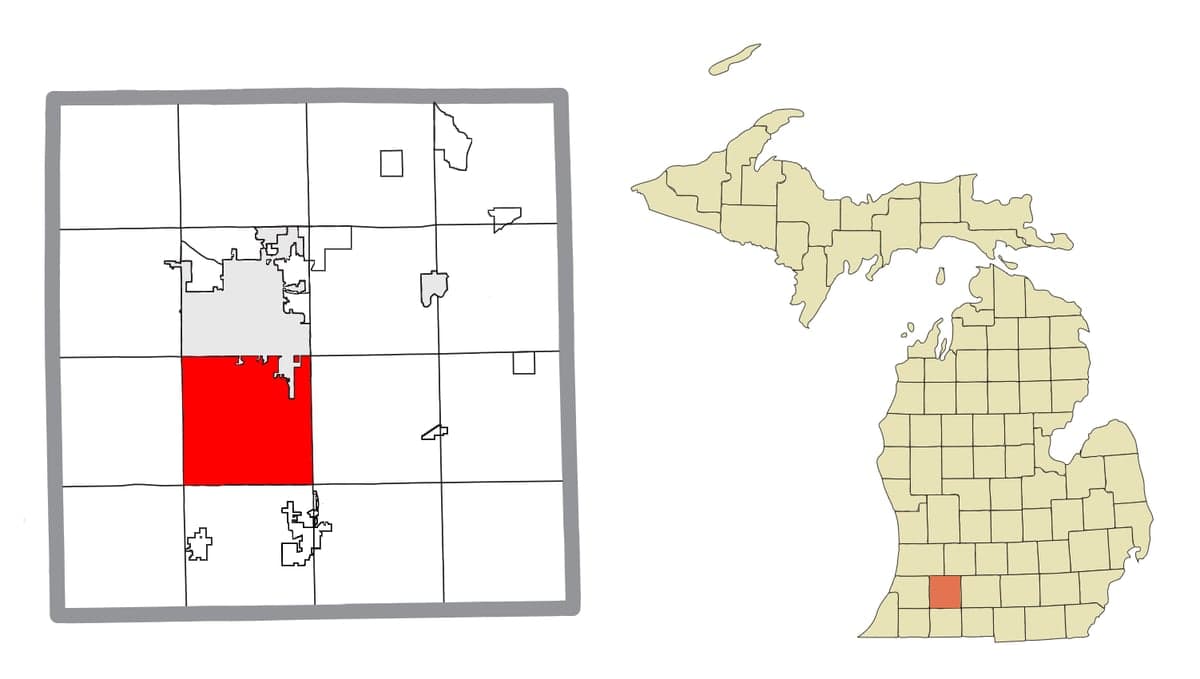
Photo: Wikipedia
Quality of Life in Portage, MI
A high quality of life with strong walkability, manageable living costs, healthy neighborhood signals, and solid amenity access.
What does Quality of Life tell us?
Quality of Life blends cost of living, nearby amenities, socioeconomic signals, and neighborhood character. City-level scores represent the whole municipality; individual neighborhoods can differ.
What does this tell us?
Quality of Life blends cost of living, nearby amenities, socioeconomic signals, and neighborhood character. City-level scores represent the whole municipality; individual neighborhoods can differ.
Cost of Living
8% below national average
The Real Cost of Living in Portage, MI for 2026
| Tier | Individual | Family (4) |
|---|---|---|
| Survival | $18k | $34k |
| Comfortable | $47k | $70k |
| Luxury | $139k+ | $215k+ |
| Elite (Top 5%) | $163k+ | $253k+ |
114%
The Area Signal
A metric tracking the socioeconomic signals of the area.
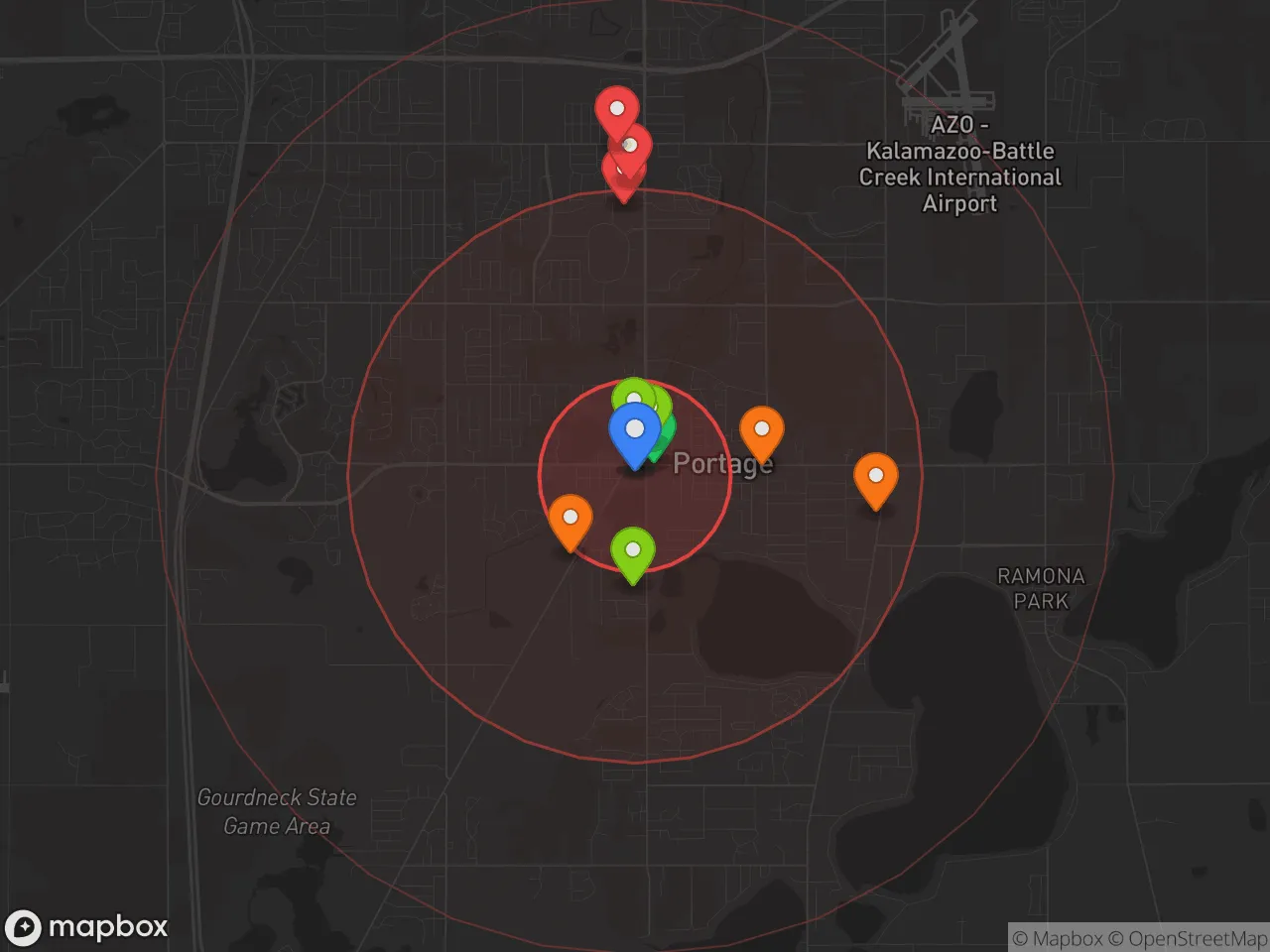
Hobbies
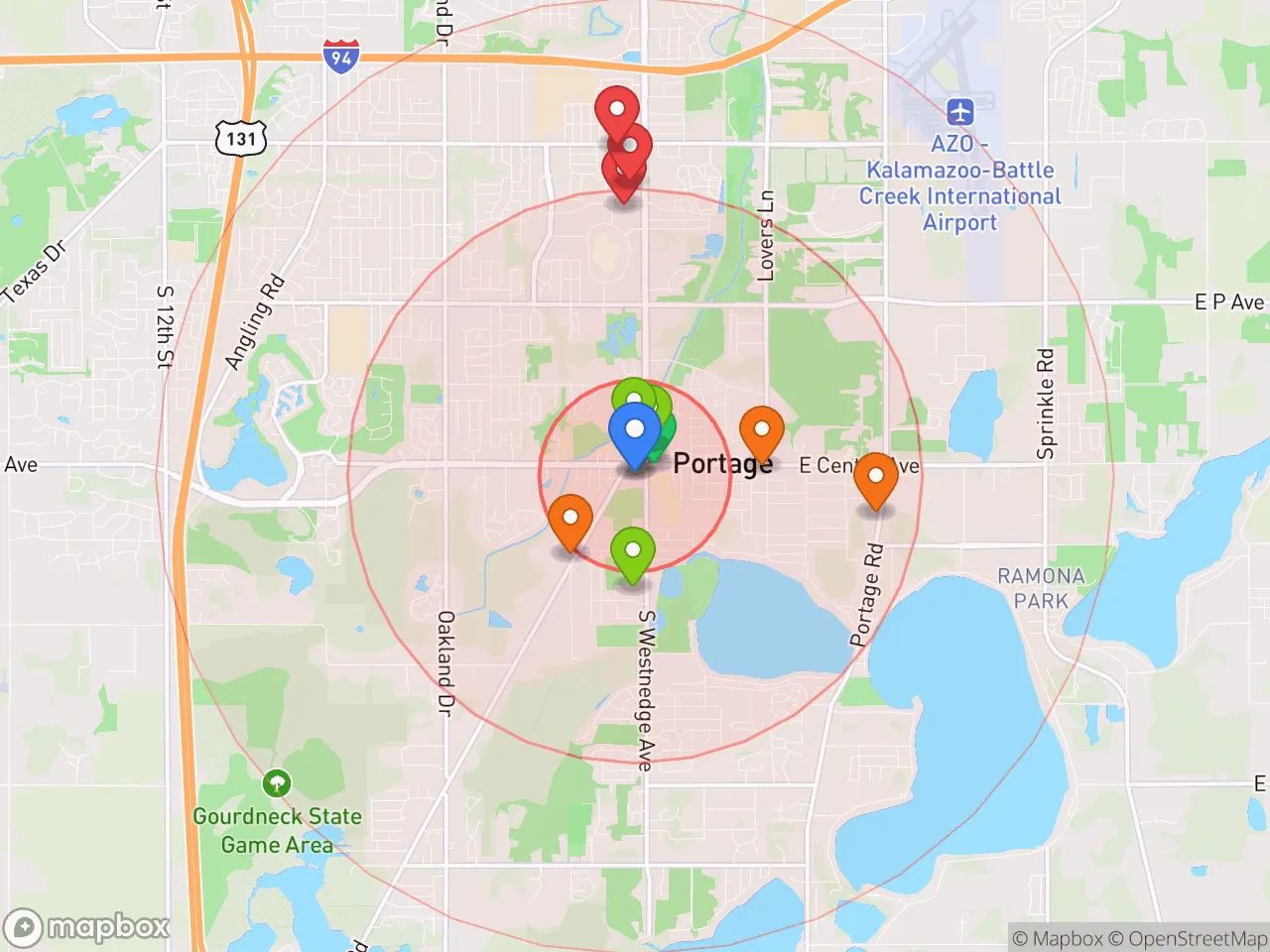
Explore the areaGroceries
7 within 10 miles
Gas
20 within 10 miles
Hospital
8 within 20 miles
Airport
DTW — Detroit Metropolitan Wayne County
Post Office
USPS — Portage, MI
Critical Amenities
Quality-of-Life Analysis
Portage, Michigan, offers a quality of life defined by solid middle-class stability, strong schools, and a notably lower cost of living than much of the Midwest, attracting a mix of young families, Kalamazoo-area professionals, and retirees seeking a quieter suburban base. With a cost-of-living index of 92 (where 100 equals the U.S. average), the city provides a tangible financial cushion that allows residents to stretch their incomes further than in nearby metro hubs like Grand Rapids or Ann Arbor. The population skews toward homeowners and dual-income households, with a median age around 36, creating a community that balances suburban calm with access to the cultural and employment anchors of Kalamazoo and Portage’s own growing business parks.
Cost of living, housing affordability, and how Portage compares to nearby cities
Portage’s housing market is the primary driver of its affordability advantage. The median home value sits at $243,400, significantly below the national median of roughly $350,000 and well under the $300,000+ averages seen in Kalamazoo’s more desirable neighborhoods or in Holland to the west. For renters, the median monthly rent of $1,120 is roughly 15% lower than the national average, making it feasible for single professionals and younger couples to live without being rent-burdened. The average commute of just 19.5 minutes is a standout quality-of-life factor — far shorter than the 26-minute national average — meaning residents spend less time in traffic and more time at home or on local errands. Compared to Battle Creek (where homes are slightly cheaper but job options are thinner) or the pricier lakeshore communities of Saugatuck and South Haven, Portage offers a pragmatic middle ground: lower costs than the coast, better schools than the city core, and a commute that rarely tests patience.
What daily life is like: amenities, schools, and community rhythm
Daily life in Portage revolves around a well-maintained network of parks, reliable public services, and a school system that consistently ranks among the top in Southwest Michigan. The Portage Public Schools district serves roughly 8,500 students and is known for strong test scores, robust Advanced Placement offerings, and a 90%+ graduation rate — a key draw for families moving from out of state. The city’s 1,200-acre park system includes the Portage Creek Bicentennial Trail and the expansive Celery Flats Historic Area, providing walking, biking, and seasonal events like the Portage Winterfest. Retail and dining cluster along South Westnedge Avenue and Shaver Road, anchored by the Crossroads Mall and a mix of national chains and local spots like Bilbo’s Pizza and the Old Burdick’s Bar & Grill. The community rhythm is notably low-key: weeknights are quiet, weekends see families at the Portage District Library or the Kalamazoo Nature Center, and the proximity to Western Michigan University and Kalamazoo College adds a subtle cultural and athletic calendar without the bustle of a college town.
Portage is best suited for those who prioritize financial predictability, short commutes, and a safe, family-oriented environment over urban excitement or rural seclusion. Young professionals working at major employers like Stryker Corporation, Pfizer, or Bronson Healthcare will find the commute and housing costs especially favorable. Retirees on fixed incomes benefit from the low property taxes relative to the rest of Michigan and the easy access to Kalamazoo’s medical facilities. The city lacks a vibrant nightlife or dense walkable downtown — those seeking that energy will gravitate toward downtown Kalamazoo or Grand Rapids — but for anyone wanting a stable, affordable base with strong schools and a 20-minute drive to everything, Portage delivers a consistently high quality of life.

Crime in Portage, MI
Generally safer than 73% of comparable U.S. locations.
Violent CrimeViolent Crime Analysis
Property CrimeProperty Crime Analysis
Crime Analysis
Portage, Michigan reports a violent crime rate of 199.1 incidents per 100,000 residents, a figure that sits below the national average but warrants careful consideration given its location within the broader Kalamazoo metropolitan area. The property crime rate stands at 2,394.6 per 100,000, significantly higher than the national benchmark and a primary driver of local safety concerns. As a mid-sized city adjacent to a larger urban center, Portage’s crime profile reflects both its own community dynamics and the spillover effects of regional justice policies.
Crime in context
Portage’s violent crime rate is roughly 30% lower than the U.S. average, placing it in a relatively safer tier for cities of its size. However, the property crime rate is approximately 30% higher than the national rate, with larceny-theft and motor vehicle theft being the most common offenses. Compared to Michigan’s statewide averages, Portage fares better on violent crime but worse on property crime. The city’s proximity to Kalamazoo—a larger metro area with a more pronounced crime problem—means that regional crime patterns, including those influenced by local prosecutorial policies, can affect Portage residents. Kalamazoo County has seen a shift toward progressive prosecution in recent years, with district attorneys emphasizing diversion programs and reduced sentencing for nonviolent offenders. While intended to reduce incarceration, such policies can lead to higher recidivism and more property crimes in surrounding communities like Portage.
What residents experience
For daily life in Portage, the most tangible safety issue is property crime. Residents report frequent package thefts, vehicle break-ins, and bicycle thefts, particularly in neighborhoods near shopping corridors like South Westnedge Avenue and Shaver Road. Violent crime is less common but not absent; incidents tend to be concentrated in specific areas, often linked to domestic disputes or drug-related activity. The presence of progressive judicial policies in the region means that offenders arrested for property crimes in Portage may face lighter consequences, potentially cycling back into the community more quickly. This creates a perception among residents that the justice system prioritizes offender rehabilitation over victim protection, a concern echoed in local community forums and Nextdoor discussions.
Neighborhood-level variation is notable. Areas east of I-94 and closer to Kalamazoo’s city limits tend to report higher crime rates, while western Portage—near the Portage Creek Bicentennial Park and newer subdivisions—experiences fewer incidents. Gated apartment complexes and communities with active neighborhood watch programs report lower property crime rates. Prospective residents should research specific blocks and consider that the broader metro area’s liberal justice policies may undermine local enforcement efforts, making personal security measures like home surveillance systems and secure parking a practical necessity.
* Values derived from national, state, county, city and local statistics and may differ in a specific area. Last updated: 2026-05-01T12:21:19.000Z
Narrative content on this page is AI-generated and may contain mistakes. Verify any details that matter before acting on them.
ReloMaps may earn a commission from affiliate links at no extra cost to you.

