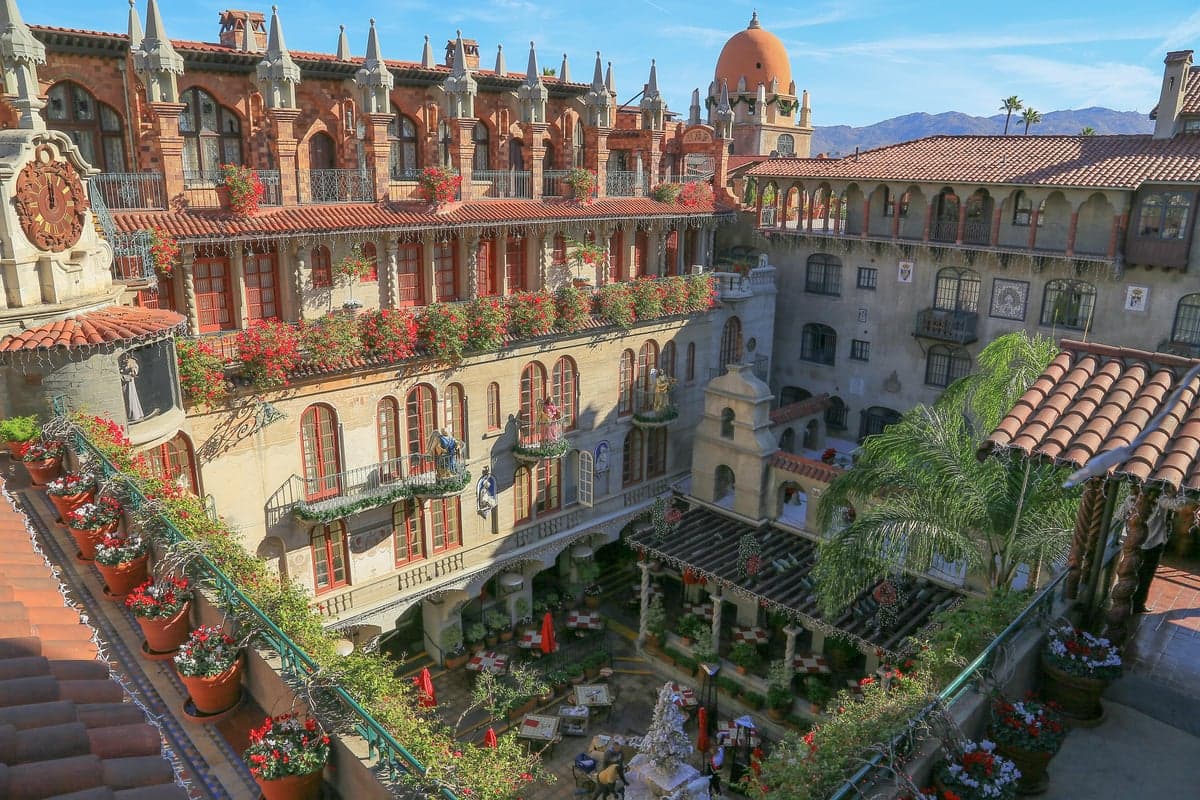
Photo: Wikipedia
Political ClimatePolitical Climate in Riverside, CA
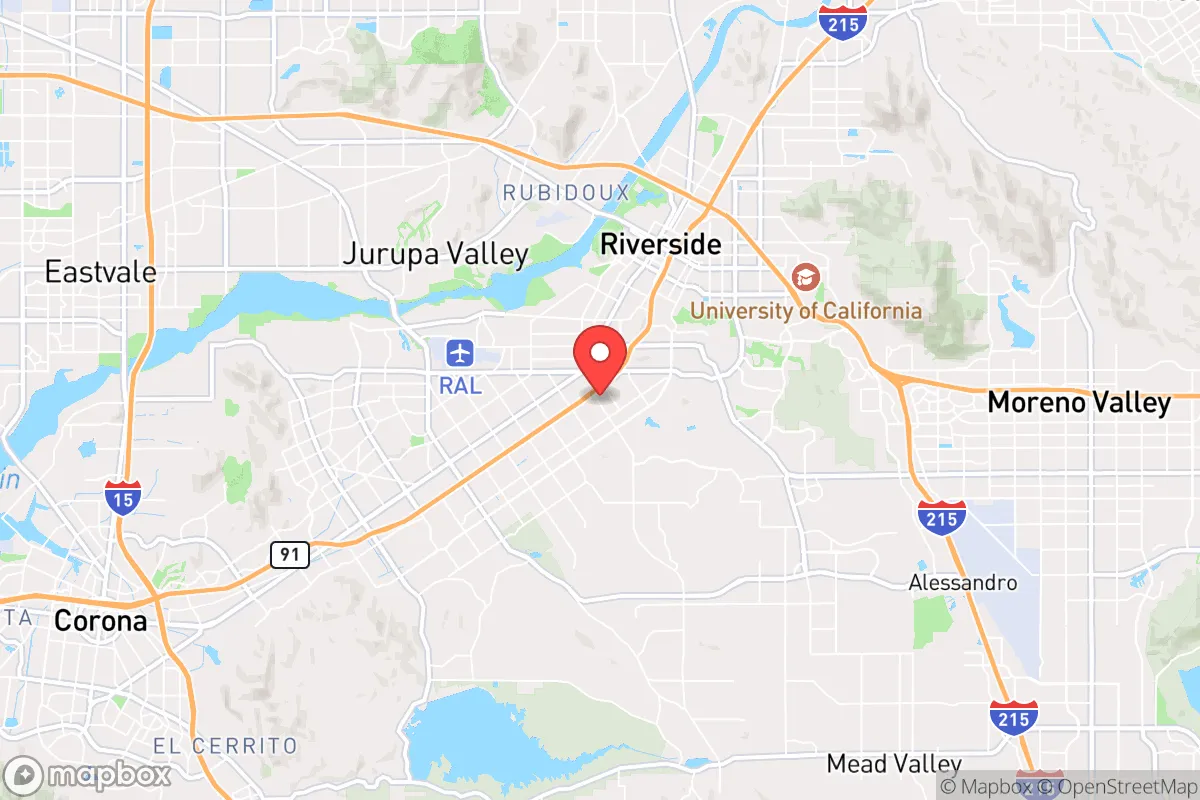
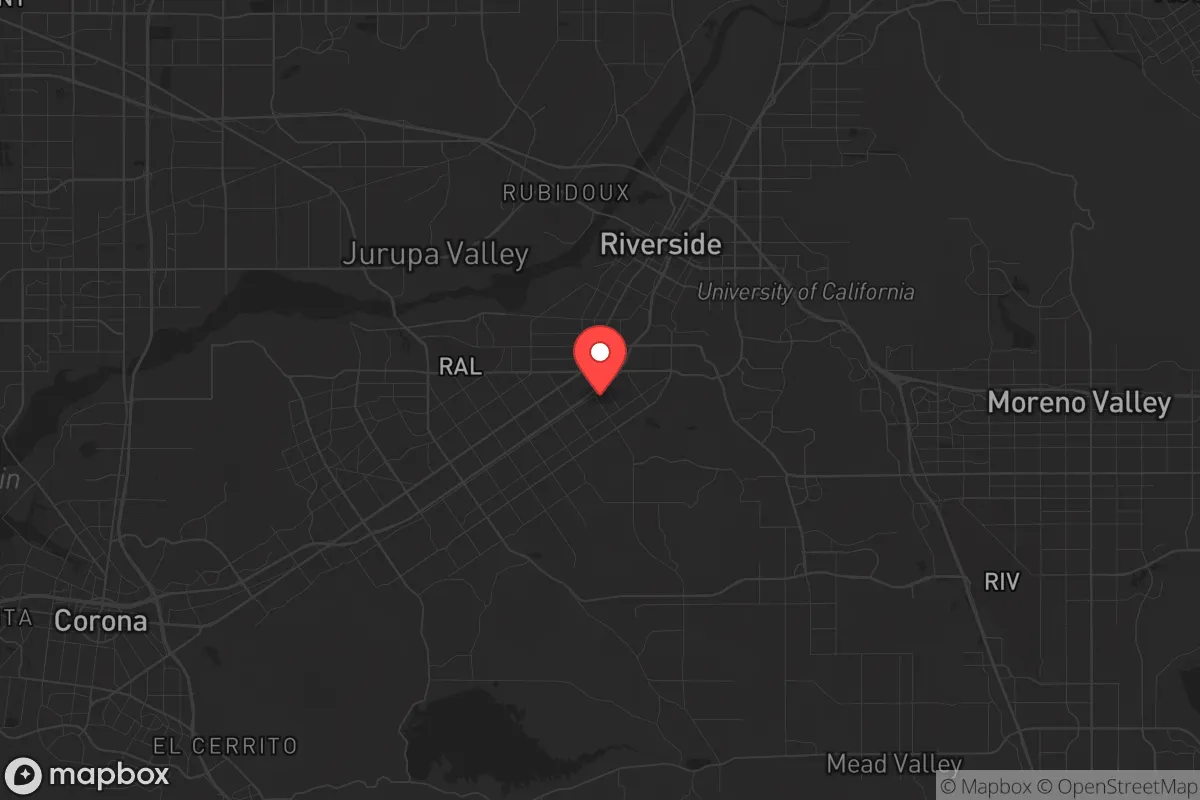
District shown is the primary district for this city’s centroid. Cities may span multiple districts.
Local Political AnalysisPolitical Analysis of Riverside, CA
Riverside’s political climate has shifted noticeably over the last decade, and if you’ve lived here as long as I have, you’ve felt it. The city now carries a Cook PVI of D+7, meaning it leans about seven points more Democratic than the national average. That’s a real change from the more balanced, toss-up feel we had in the early 2000s. Today, the city council and county board are solidly progressive, and the local Democratic machine is well-organized. The trajectory is clear: each election cycle brings a tighter grip of one-party rule, and with it, policies that feel less about local needs and more about checking ideological boxes.
How it compares
Drive 15 minutes east to Corona or 20 minutes south to Murrieta, and you’ll find a completely different political world. Those cities lean reliably conservative, with city councils that push back on state mandates and keep taxes lower. Riverside, by contrast, has become a progressive island in a sea of more moderate Inland Empire communities. Even nearby Temecula, once a sleepy conservative town, has held the line better than Riverside. The contrast is stark: while Corona’s city council debates how to cut red tape for small businesses, Riverside’s council is more likely to debate zoning for high-density housing or new equity commissions. If you value local control and limited government, the surrounding towns feel like a breath of fresh air compared to what’s happening here.
What this means for residents
For the average homeowner or small business owner, the shift means more regulations, higher fees, and a growing sense that city hall doesn’t trust you to make your own decisions. We’ve seen new rental inspection programs, stricter short-term rental bans, and a push for “climate action plans” that add costs to everything from new construction to your utility bill. The school board has also moved left, with curriculum changes and diversity initiatives that some parents feel prioritize ideology over academics. Property taxes here are already higher than in neighboring cities, and with the progressive majority, there’s little appetite for relief. If you’re a gun owner, you’ll find the city council sympathetic to state-level restrictions rather than pushing back. The bottom line: if you value personal freedoms—whether it’s how you run your business, what your kids learn, or how you use your property—Riverside is becoming a harder place to call home.
One cultural distinction that stands out is the city’s embrace of “sanctuary” policies and its willingness to defy state law on housing mandates. Riverside has aggressively pursued state funding for homeless services and high-density housing, even when local neighborhoods push back. The old Riverside—the one I remember from the 1990s—was a place where the city council listened to residents first. Now, it often feels like they’re listening to Sacramento first. If the trend continues, I expect more families and small business owners will vote with their feet and head to the surrounding conservative towns. It’s not a bad place to live if you align with the progressive agenda, but for those of us who value limited government and personal responsibility, the writing is on the wall.

State Political ClimatePolitical Climate in California
State Political AnalysisPolitical Environment in the State
California’s political climate is overwhelmingly dominated by the Democratic Party, with a partisan lean of roughly D+23 in statewide elections as of 2024. The state has not voted for a Republican presidential candidate since 1988, and the GOP’s share of registered voters has fallen below 24%. Over the past 20 years, the state has shifted sharply leftward, driven by massive population growth in coastal metros and a steady exodus of moderates and conservatives to states like Texas and Idaho. While the state retains a strong progressive coalition in Sacramento, the political landscape is far from uniform—pockets of deep red resistance remain, particularly in the Central Valley and inland regions.
Urban vs. rural divide
The political map of California is a tale of two worlds. The coastal urban corridor—from San Francisco and Oakland down through Los Angeles and San Diego—is the engine of Democratic dominance. These metros produce over 70% of the state’s votes and are home to the most progressive constituencies in the nation. In contrast, the Central Valley and inland counties—places like Bakersfield, Fresno, and Redding—vote reliably Republican. Orange County, once a GOP stronghold, flipped blue in 2018 and has stayed that way, driven by suburban moderates and Asian-American voters. The rural north, including Shasta County and Modoc County, remains deeply conservative, but their populations are too small to offset the coastal vote. The divide is not just political but cultural: urban Californians tend to favor high taxes, strict regulations, and progressive social policies, while rural residents prioritize property rights, gun ownership, and lower taxes.
Policy environment
California’s policy environment is among the most interventionist in the nation. The state has a progressive income tax system with a top marginal rate of 13.3%—the highest in the country—and a state sales tax that can exceed 10% in some cities. Property taxes are capped at 1% of assessed value under Proposition 13, but annual increases are limited to 2%, which benefits long-time homeowners but creates inequities for new buyers. The regulatory posture is aggressive: California has its own environmental standards (CARB), strict labor laws (including a $16 minimum wage as of 2024), and a near-total ban on new oil and gas drilling. Education policy is heavily centralized, with the state controlling curriculum and funding, and parental rights have been eroded by laws like AB 1955, which prohibits schools from notifying parents if a child changes their gender identity. Election laws are among the most liberal: universal mail-in voting, same-day registration, and no voter ID requirements. Healthcare is dominated by the state’s massive Medi-Cal system, and a single-payer proposal (AB 1400) has been introduced but not yet passed.
Trajectory & freedom
California is becoming less free by nearly every measure. The Cato Institute’s Freedom in the 50 States index ranks California 49th overall, with particularly poor scores for economic freedom and regulatory freedom. Recent legislation has expanded government control over personal choices: the California Privacy Rights Act (CPRA) of 2020 gave the state broad authority over data, but also enabled new surveillance powers. Gun rights have been severely restricted—the state bans assault weapons, requires background checks for ammunition purchases, and in 2023 passed SB 2, which effectively eliminates concealed carry in most public places. Parental rights took a hit with AB 1955 (2024), which bars schools from informing parents about a child’s gender identity. Medical autonomy has been constrained by vaccine mandates for schoolchildren and healthcare workers, though some COVID-era mandates have been relaxed. Property rights are under pressure from rent control laws (AB 1482) and a 2024 ballot measure that expanded local rent control authority. On the positive side, Proposition 13 still protects homeowners from runaway property taxes, and the state has not passed a wealth tax—yet.
Civil unrest & political movements
California has been a flashpoint for political activism on both sides. The Black Lives Matter protests of 2020 in Los Angeles and Oakland were among the largest and most destructive in the nation, with billions in property damage. The anti-lockdown movement of 2020-2021 was particularly strong in Orange County and the Central Valley, with protests outside the state capitol in Sacramento drawing thousands. Immigration politics are a constant source of tension: California is a sanctuary state under SB 54, which limits local law enforcement cooperation with federal immigration authorities. This has led to clashes with the Trump administration and ongoing debates over border security. Secessionist rhetoric, particularly the Calexit movement, has faded since 2020 but still has a small following. Election integrity controversies have been less pronounced than in other states, but concerns about mail-in ballot security persist among conservatives. Visible flashpoints include the homeless encampments in San Francisco and Los Angeles, which have become symbols of failed progressive policies, and the fentanyl crisis in the Bay Area, which has sparked calls for tougher law enforcement.
Projection
Over the next 5-10 years, California’s political trajectory points further left, but with growing internal friction. Demographic trends are working against conservatives: the state’s white population is shrinking, while Latino and Asian populations—which lean Democratic—are growing. In-migration from other states is net negative, with more people leaving than arriving, and those leaving tend to be moderate and conservative. This self-selection reinforces the state’s blue tilt. However, the cost of living crisis and housing shortage are creating a new political cleavage: younger voters are increasingly frustrated with high taxes and NIMBY policies, which could fuel a moderate backlash. The 2026 gubernatorial election will be a key test—if a more centrist Democrat wins, it could signal a slight moderation. But don’t expect a Republican to win statewide office anytime soon. The most likely scenario is continued one-party rule in Sacramento, with progressive policies on taxes, regulation, and social issues becoming more entrenched. A new resident moving in now should expect to see higher taxes, more government control over daily life, and a political culture that is hostile to conservative values.
For a conservative-leaning individual or family, California presents a challenging environment. The state’s high taxes, restrictive gun laws, and erosion of parental rights are significant red flags. While there are conservative-friendly pockets—like Bakersfield, Huntington Beach, and El Dorado Hills—they are islands in a sea of progressive governance. If you value personal freedom, low taxes, and local control, California is likely a poor fit. But if you have a high-income career in tech or entertainment and can afford the cost of living, you may find the trade-offs acceptable—just know that the political winds are blowing against you.
* Values derived from national, state, county, city and local statistics and may differ in a specific area. Last updated: 2026-04-29T21:30:54.000Z
Narrative content on this page is AI-generated and may contain mistakes. Verify any details that matter before acting on them.
ReloMaps may earn a commission from affiliate links at no extra cost to you.

