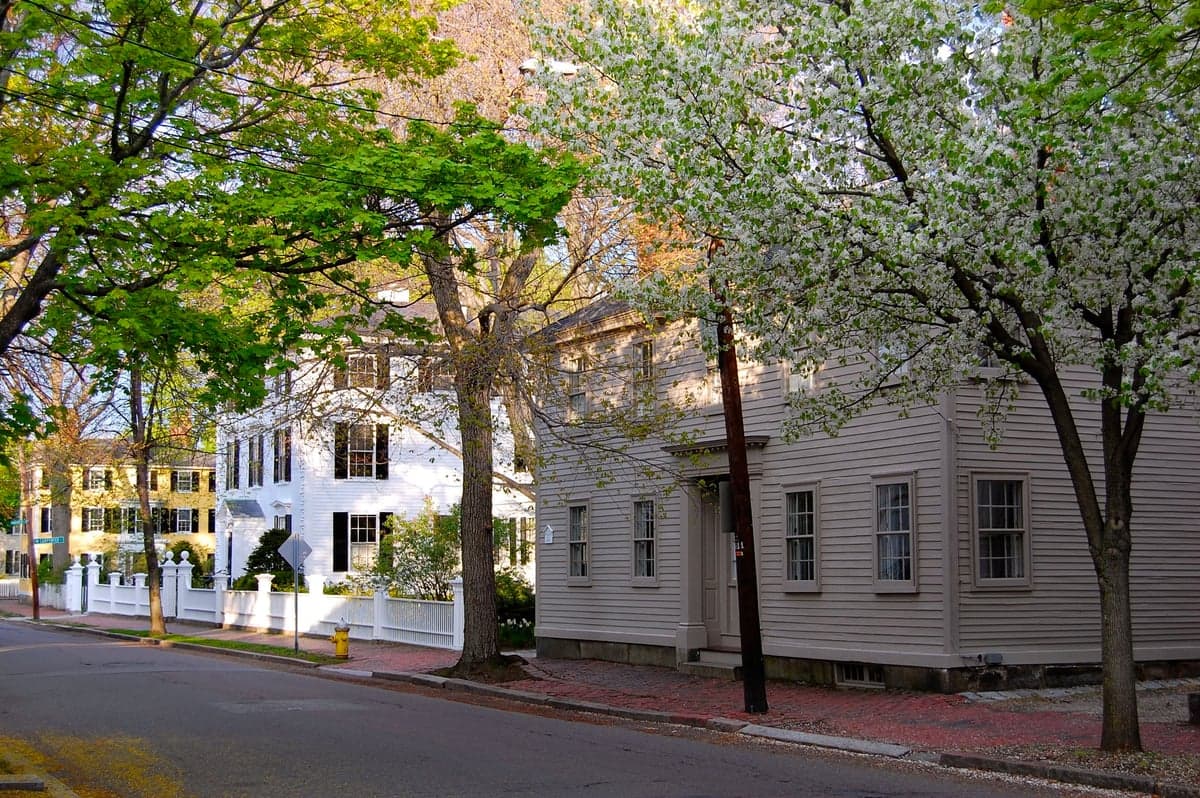
Photo: Wikipedia
Quality of Life in Salem, MA
A high quality of life with strong walkability, manageable living costs, healthy neighborhood signals, and solid amenity access.
What does Quality of Life tell us?
Quality of Life blends cost of living, nearby amenities, socioeconomic signals, and neighborhood character. City-level scores represent the whole municipality; individual neighborhoods can differ.
What does this tell us?
Quality of Life blends cost of living, nearby amenities, socioeconomic signals, and neighborhood character. City-level scores represent the whole municipality; individual neighborhoods can differ.
Cost of Living
63% above national average
The Real Cost of Living in Salem, MA for 2026
| Tier | Individual | Family (4) |
|---|---|---|
| Survival | $29k | $54k |
| Comfortable | $96k | $141k |
| Luxury | $141k+ | $218k+ |
| Elite (Top 5%) | $166k+ | $257k+ |
60%
The Area Signal
A metric tracking the socioeconomic signals of the area.
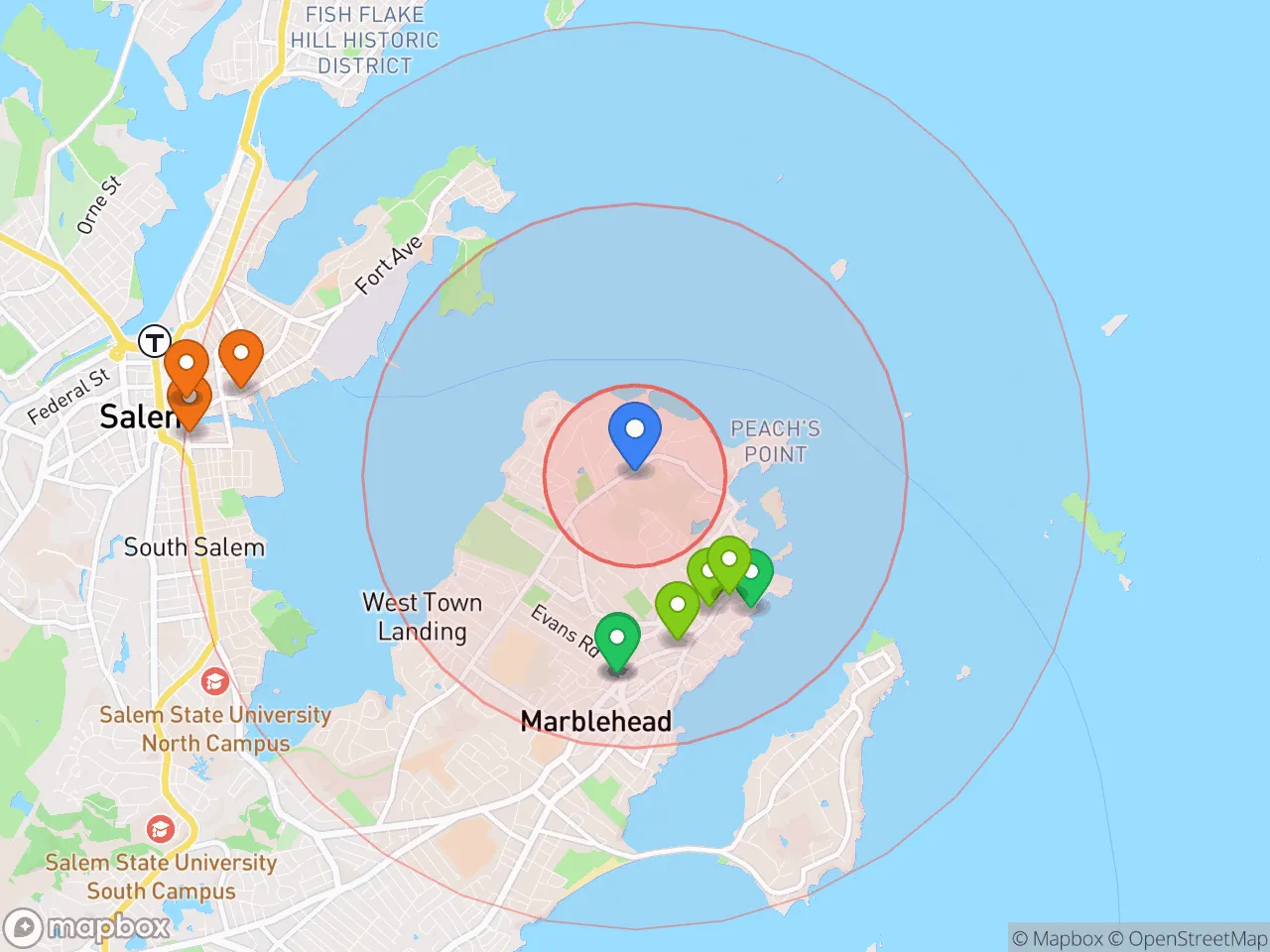
Hobbies
Explore the areaGroceries
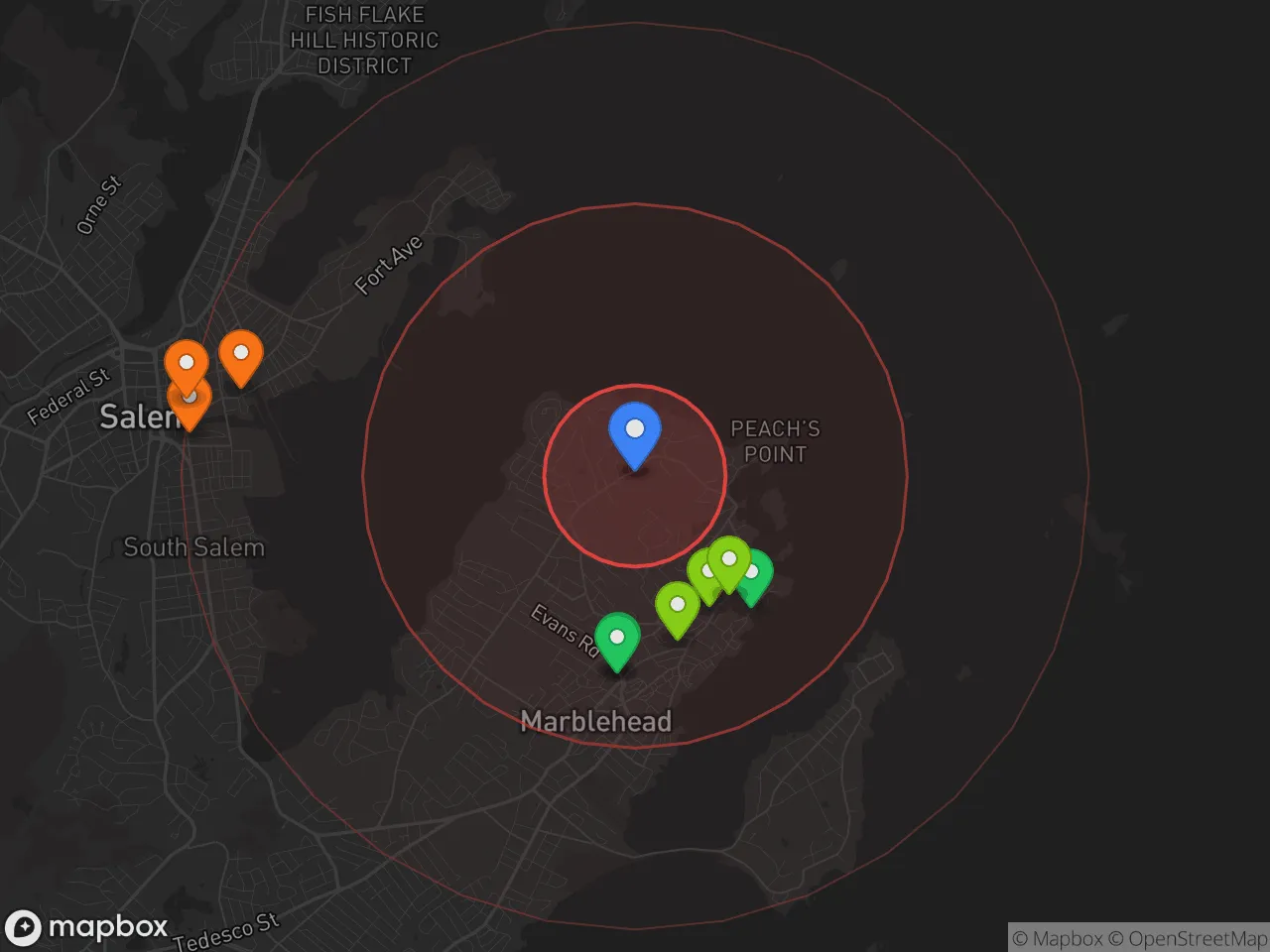
6 within 10 miles
Gas
20 within 10 miles
Hospital
20 within 20 miles
Airport
PDX — Portland International Jetport
Post Office
USPS — Salem, MA
Critical Amenities
Quality-of-Life Analysis
Salem, Massachusetts, is a historically rich coastal city where quality of life is shaped by high affluence, a dense urban fabric, and a population that skews toward educated professionals, creative-class workers, and families drawn to its walkable downtown and cultural cachet. With a cost-of-living index of 163 (63% above the U.S. average), Salem is notably more expensive than the national norm but remains a relative value compared to Boston proper, offering a distinct blend of historic character, waterfront access, and commuter convenience that attracts residents willing to pay a premium for place.
Cost of living, housing affordability, and how Salem compares to nearby cities
Salem’s housing market reflects its desirability and limited inventory. The median home value sits at $497,400, while the median rent is $1,800—figures that are significantly higher than the national median but roughly 20–30% lower than comparable neighborhoods in Boston (where median rents often exceed $2,500). This pricing positions Salem as a more attainable alternative for those priced out of Cambridge, Somerville, or the Back Bay, though it still demands a household income well above the national average to afford comfortably. The cost-of-living index of 163 is driven primarily by housing and transportation; groceries and healthcare are also elevated but less extreme. For context, nearby Beverly and Peabody offer slightly lower home values (mid-$400,000s) but less walkable downtown cores, while Marblehead and Swampscott are pricier and more suburban. The average commute time of approximately 30 minutes—largely via the MBTA commuter rail or Route 128—is manageable for many, though traffic on the Salem-Boston corridor can push it longer during peak hours.
What daily life is like: amenities, schools, and the local rhythm
Daily life in Salem is defined by a compact, walkable downtown packed with independent shops, restaurants, and historic sites like the Salem Maritime National Historic Site and the Peabody Essex Museum. The city’s public school system, Salem Public Schools, serves roughly 4,000 students and includes Salem High School, which offers a strong International Baccalaureate program; however, some families opt for private or charter options like the Salem Academy Charter School. The city’s rhythm is heavily seasonal—October’s Halloween tourism brings massive crowds and economic energy, while the rest of the year is quieter, with a strong sense of local community centered on the Salem Common, the waterfront at Derby Wharf, and year-round farmers’ markets. Residents enjoy reliable MBTA commuter rail service to Boston (North Station) in under 30 minutes, plus ferry service during warmer months. Healthcare access is solid, with North Shore Medical Center in nearby Lynn and Salem Hospital providing emergency and specialty care. The trade-off for this amenity-rich lifestyle is density: parking is notoriously difficult, and the tourist influx can strain infrastructure during peak weeks.
Salem is best suited for professionals who work in or near Boston but want a smaller, character-filled city with a strong sense of place, as well as for families who value walkability and cultural amenities over large yards and quiet suburban streets. Empty-nesters and remote workers also thrive here, drawn by the historic architecture, robust arts scene, and easy access to the North Shore’s beaches and hiking trails. Those seeking lower housing costs or a car-dependent lifestyle will find Salem challenging; but for buyers and renters who prioritize a vibrant, walkable community with deep history and a manageable commute, it offers a quality of life that justifies its premium price tag.

Crime in Salem, MA
Generally safer than 71% of comparable U.S. locations.
Violent CrimeViolent Crime Analysis
Property CrimeProperty Crime Analysis
Crime Analysis
Salem, Massachusetts, presents a mixed safety profile for potential residents. While the city's violent crime rate of 69.5 incidents per 100,000 residents is notably lower than both the Massachusetts state average and the national median, its property crime rate of 1,263.4 per 100,000 is significantly elevated, exceeding state averages by a considerable margin. This divergence means that while the risk of violent confrontation is relatively low, the likelihood of experiencing theft, burglary, or vandalism is a tangible concern for those living in or moving to this historic coastal city.
Crime in context
Salem's violent crime rate of 69.5 per 100,000 is roughly one-third the national average, placing it among the safer large cities in Massachusetts for personal safety. However, the property crime rate of 1,263.4 per 100,000 is a different story. This figure is approximately 50% higher than the Massachusetts state average and is driven largely by larceny-theft, which includes shoplifting and theft from vehicles. The city's status as a major tourist destination, particularly during October, creates a transient population that contributes to these property crime numbers. A significant factor for residents to consider is the broader legal environment in Essex County and Massachusetts, where progressive district attorneys and judges often prioritize diversion programs and reduced sentencing. This ideological approach, while intended to reduce recidivism, can result in repeat property offenders cycling through the system quickly, directly increasing the number of active criminals on Salem's streets and diminishing the deterrent effect of prosecution.
What residents experience
For daily life in Salem, the primary safety concern is property crime rather than personal violence. Residents commonly report package thefts from doorsteps, break-ins of unlocked cars, and occasional bicycle thefts. The downtown and tourist-heavy areas near the Salem Common and Essex Street pedestrian mall see the highest concentration of larceny incidents. While violent crime like assault or robbery is rare, it does occur, often concentrated in late-night hours near bars and restaurants. The progressive criminal justice policies in Massachusetts mean that even when property criminals are arrested, they frequently receive minimal jail time or are released on their own recognizance pending trial. This creates a frustrating cycle for victims, who may see the same individuals committing crimes in their neighborhood repeatedly, undermining the sense of security that the low violent crime rate might otherwise provide.
Neighborhood-level variation is notable. The more residential areas like the Willows, Salem Neck, and the Collins Cove neighborhood generally experience lower crime rates than the downtown core. The Point neighborhood, near the Salem-Beverly bridge, has historically reported higher rates of both property and drug-related offenses. For those considering a move, renting or buying a home with off-street parking and a secure package delivery area is a practical step to mitigate the most common property crime risks. Overall, Salem is not a dangerous city in terms of personal safety, but the combination of elevated property crime and a justice system that often fails to hold repeat offenders accountable means residents must remain vigilant about securing their belongings.
* Values derived from national, state, county, city and local statistics and may differ in a specific area. Last updated: 2026-04-23T06:47:15.000Z
Narrative content on this page is AI-generated and may contain mistakes. Verify any details that matter before acting on them.
ReloMaps may earn a commission from affiliate links at no extra cost to you.

