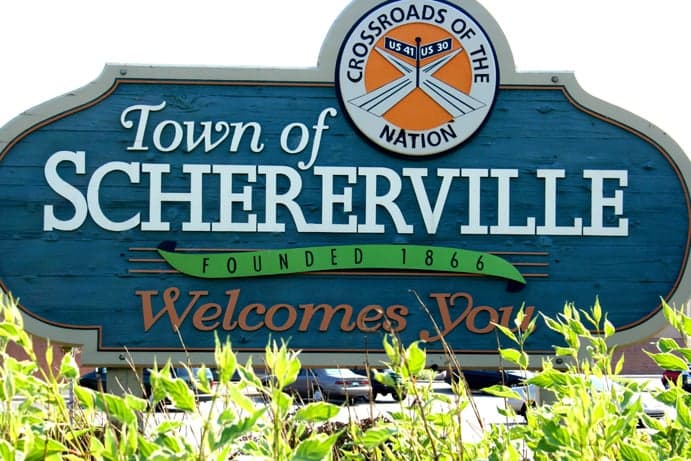
Photo: Wikipedia
Political ClimatePolitical Climate in Schererville, IN
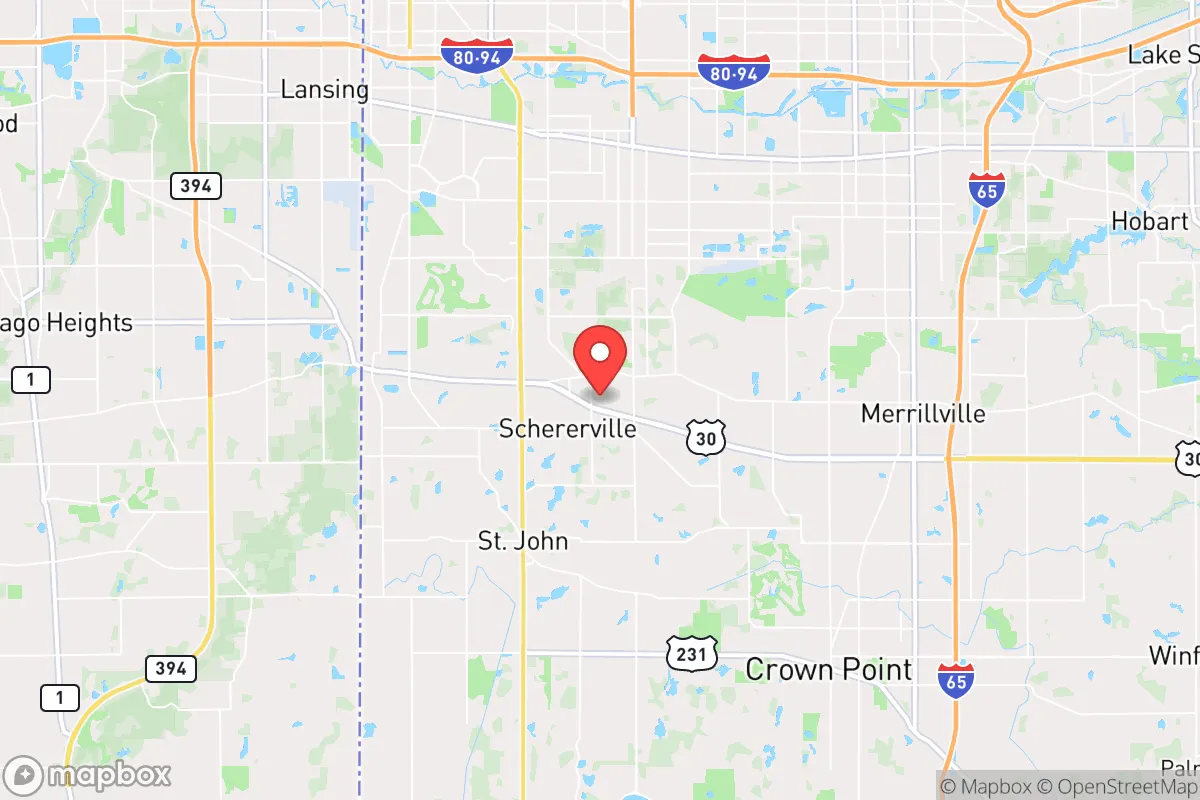
District shown is the primary district for this city’s centroid. Cities may span multiple districts.
Local Political AnalysisPolitical Analysis of Schererville, IN
Schererville sits in a bit of a political tug-of-war, and if you’ve lived here as long as I have, you’ve felt the ground shift under your feet. The Cook PVI clocks us at D+1, which sounds like a toss-up, but the reality is that this town has been leaning bluer in recent cycles, especially in presidential years. Back in the 2000s, you’d see a lot more “Don’t Tread on Me” flags in yards; now, you’re just as likely to spot a “Coexist” bumper sticker in the Meijer parking lot. The trajectory is concerning if you value limited government and personal freedom—the kind of freedom that means you don’t need permission to run a home business or keep a firearm in your truck. The local school board and town council have seen a slow but steady influx of progressive voices, and while they haven’t gone full Chicago yet, the handwriting is on the wall.
How it compares
Drive ten minutes east to Dyer, and you’ll find a town that’s still holding the line—more conservative, more “leave us alone” in its attitude. Head west to Highland or south to St. John, and the contrast gets sharper. St. John is reliably red, with a strong sense of local control and a council that doesn’t buy into the latest state mandates from Indianapolis. Schererville, by contrast, has become a bit of a bellwether for Lake County’s broader shift. The county itself is a Democratic stronghold, but Schererville used to be the moderate outlier. Now, it’s drifting toward the county average. The difference shows up in small ways: stricter noise ordinances, more talk about “equity” in local planning meetings, and a zoning board that’s gotten more aggressive about telling people what they can do with their own property. It’s not a full-blown progressive takeover, but the trend line is clear, and it’s not pointing toward more freedom.
What this means for residents
For the average family here, the political shift means you’re paying closer attention to local elections than you used to. School board races, which were once sleepy affairs, now draw crowds because parents are worried about curriculum overreach and the erosion of parental rights. The town council’s recent push for a “welcoming city” resolution raised eyebrows—not because anyone is unwelcoming, but because it felt like virtue signaling that could open the door to sanctuary-city policies down the road. Property taxes are another sore spot; they’ve crept up as the town takes on more social programs, and there’s a sense that your money is being spent on things you didn’t vote for. If you value the Second Amendment, you’ll notice that Schererville’s police department is still friendly, but the county sheriff’s office has started to waffle on cooperation with state preemption laws. It’s death by a thousand cuts, and the long-term outlook is that if you want to keep your freedoms intact, you might start eyeing property in unincorporated areas or towns like Cedar Lake that still have a libertarian streak.
Culturally, Schererville still has its charms—the annual Summer Concert Series at Redar Park is a good time, and the town does a solid job with snow removal. But there’s a creeping sense that the local government is getting too cozy with state-level progressive agendas, like the push for electric vehicle mandates and renewable energy zones that could affect property values. The biggest policy distinction is that Schererville hasn’t gone the way of Hammond or Gary, but it’s no longer the quiet conservative haven it was in the 1990s. If you’re thinking of moving here, just know that the political climate is in flux. The old-timers are fighting to keep it real, but the newcomers from Illinois are bringing their voting habits with them. Keep an eye on the next town council election—that’s where the real battle for Schererville’s soul will be won or lost.

State Political ClimatePolitical Climate in Indiana
State Political AnalysisPolitical Environment in the State
Indiana has been a reliably Republican state for decades, but the political climate is more nuanced than a simple red-state label suggests. The state has voted for the GOP presidential candidate in every election since 2008, with Donald Trump winning by 11 points in 2020 and 18 points in 2024, but the coalition is split between a deeply conservative rural base, a moderate-to-liberal urban core, and a growing suburban battleground. Over the last 10-20 years, the state has shifted rightward on cultural and economic issues, even as its largest cities have become more progressive, creating a distinct urban-rural tension that defines Indiana politics today.
Urban vs. rural divide
The political map of Indiana is a classic tale of two states. The Indianapolis metro area, anchored by Marion County, is the state's Democratic stronghold, consistently voting blue by double digits in statewide races. However, the surrounding suburban counties—Hamilton, Hendricks, and Johnson—have been trending right, with Hamilton County (home to Carmel and Fishers) voting +15 R in 2024, up from +10 R in 2016. Lake County in the northwest, near Chicago, is another Democratic bastion, but its influence is diluted by the rest of the state. The real engine of Republican dominance is the vast rural and small-town expanse: counties like Dubois (Jasper), Huntington, and Steuben routinely deliver 70-80% of the vote for GOP candidates. The cities of Fort Wayne and Evansville lean Republican but are more moderate, while Bloomington (home to Indiana University) and West Lafayette (Purdue) are liberal islands in a conservative sea. The divide isn't just about population density—it's cultural. Rural voters see Indianapolis and Lake County as out of touch with their values, while urbanites view the rest of the state as resistant to change.
Policy environment
Indiana's policy environment is broadly conservative, with a strong emphasis on low taxes and limited regulation. The state has a flat income tax rate of 3.15%, which is set to drop to 2.9% by 2027, and no inheritance or estate tax. Property taxes are capped at 1% of assessed value for owner-occupied homes, a populist measure that keeps housing costs manageable. On education, Indiana has a robust school choice program—the Choice Scholarship Program, launched in 2011, now serves over 60,000 students, making it one of the largest voucher systems in the country. Parents can use public funds for private or religious schools, a major draw for conservative families. The state also has a near-total abortion ban (Senate Enrolled Act 1, 2023), with exceptions only for rape, incest, and life of the mother, and a "red flag" law that allows courts to temporarily seize firearms from individuals deemed a threat. Election laws are strict: voter ID is required, early voting is limited to 28 days before an election, and absentee voting requires an excuse. The state also has a right-to-work law (2012) and is a "shall issue" state for concealed carry permits, though permitless carry was enacted in 2022. Healthcare policy is mixed: Indiana expanded Medicaid under the Healthy Indiana Plan (HIP 2.0) in 2015, but the state has not expanded the program further and has resisted Medicaid work requirements.
Trajectory & freedom
Indiana has been moving in a direction that expands personal freedom in many areas, but with some notable exceptions. The most significant recent expansion is the permitless carry law (House Enrolled Act 1296, 2022), which allows any law-abiding adult to carry a handgun without a license. This was a major win for gun rights advocates. On parental rights, the state passed a law in 2023 requiring schools to notify parents of any changes to a student's mental, emotional, or physical health, including gender identity issues—a move that strengthens family autonomy. The state also banned transgender athletes from competing in girls' sports (House Enrolled Act 1041, 2022) and restricted gender-affirming care for minors (Senate Enrolled Act 480, 2023). On the other hand, the state's "red flag" law (2019) is a point of contention for some conservatives who see it as a due process violation. Property rights are generally strong, with no statewide rent control and limited zoning restrictions in rural areas, though urban centers like Indianapolis have seen increased regulation. The tax trajectory is positive: the flat tax is being phased down, and there are no plans for a state sales tax on groceries. Overall, Indiana is becoming more free on cultural and Second Amendment issues, but the red flag law and Medicaid expansion represent government overreach to some.
Civil unrest & political movements
Indiana has seen its share of political flashpoints, but they tend to be localized rather than statewide. The most visible recent unrest was the 2020 George Floyd protests in Indianapolis, which led to property damage and a curfew, but the state avoided the widespread violence seen in Portland or Seattle. The Black Lives Matter movement has a presence in Indianapolis and Bloomington, but it's not a dominant force. On the right, the "Moms for Liberty" chapter in Hamilton County has been active in school board meetings, pushing for parental rights and book bans. Immigration politics are relatively quiet, as Indiana is not a border state, but there have been local controversies over sanctuary city policies—Indianapolis has a "welcoming city" ordinance that limits cooperation with federal immigration enforcement, which has drawn criticism from state lawmakers. Election integrity was a hot topic after 2020, with Republican legislators passing a law in 2021 that tightened voter ID requirements and limited drop boxes. There have been no major secession or nullification movements, but some rural counties have passed symbolic resolutions asserting local control. The most visible political movement is the growing divide between the Indianapolis metro and the rest of the state, with rural residents feeling increasingly alienated from urban policy decisions.
Projection
Over the next 5-10 years, Indiana is likely to remain a solidly Republican state, but the urban-rural divide will deepen. The Indianapolis metro area is growing faster than the rest of the state, driven by tech and logistics jobs, which could slowly shift the state's political center of gravity. However, the suburbs are also growing and trending right, so the net effect may be a continued Republican dominance at the state level. The biggest wild card is in-migration: Indiana is attracting people from Illinois and California who are fleeing high taxes and crime, and these newcomers tend to be conservative-leaning. This could reinforce the state's rightward trajectory. On policy, expect further tax cuts, continued expansion of school choice, and more restrictions on abortion and transgender rights. The red flag law is unlikely to be repealed, but permitless carry is here to stay. The biggest risk to freedom is the potential for local governments to impose their own regulations—watch for Indianapolis to push for stricter gun laws or rent control, which would create a patchwork of policies. For a new resident, Indiana in a decade will likely look much like it does today: a low-tax, culturally conservative state with a vibrant but politically isolated urban core.
For a conservative individual or family considering a move to Indiana, the bottom line is this: you'll find a state that respects your right to keep and bear arms, gives you control over your children's education, and keeps taxes low. The trade-off is that you'll be living in a state where the urban centers are increasingly at odds with the rest of the state, and where local politics can sometimes feel like a tug-of-war between freedom and regulation. If you choose a suburb like Carmel, Fishers, or Zionsville, you'll be in a conservative bubble with excellent schools and low crime. If you pick a rural area like Jasper or Huntington, you'll get even more freedom but fewer amenities. Just avoid Indianapolis proper if you want to steer clear of progressive policies. Indiana is a good bet for the next decade, but keep an eye on the urban-rural dynamic—it's the key to understanding where the state is headed.
* Values derived from national, state, county, city and local statistics and may differ in a specific area. Last updated: 2026-04-22T09:57:23.000Z
Narrative content on this page is AI-generated and may contain mistakes. Verify any details that matter before acting on them.
ReloMaps may earn a commission from affiliate links at no extra cost to you.

