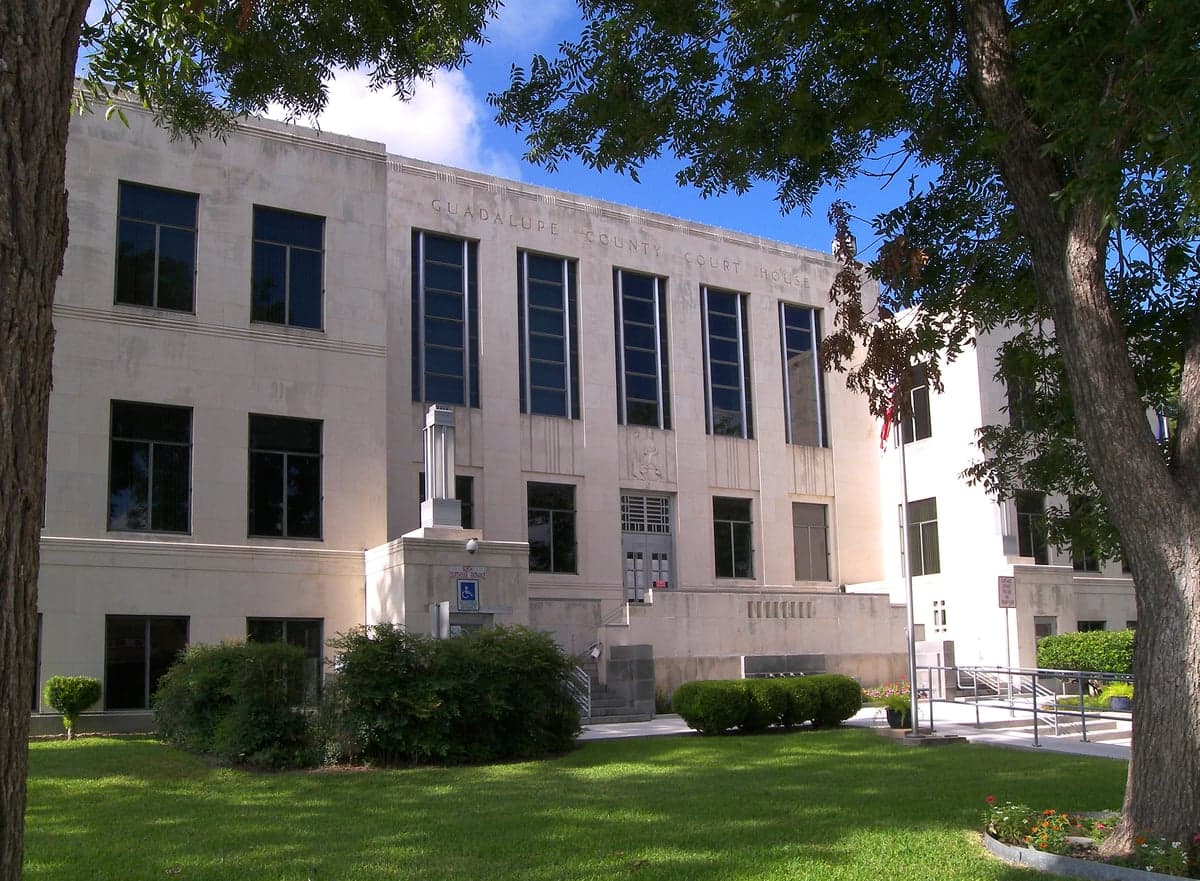
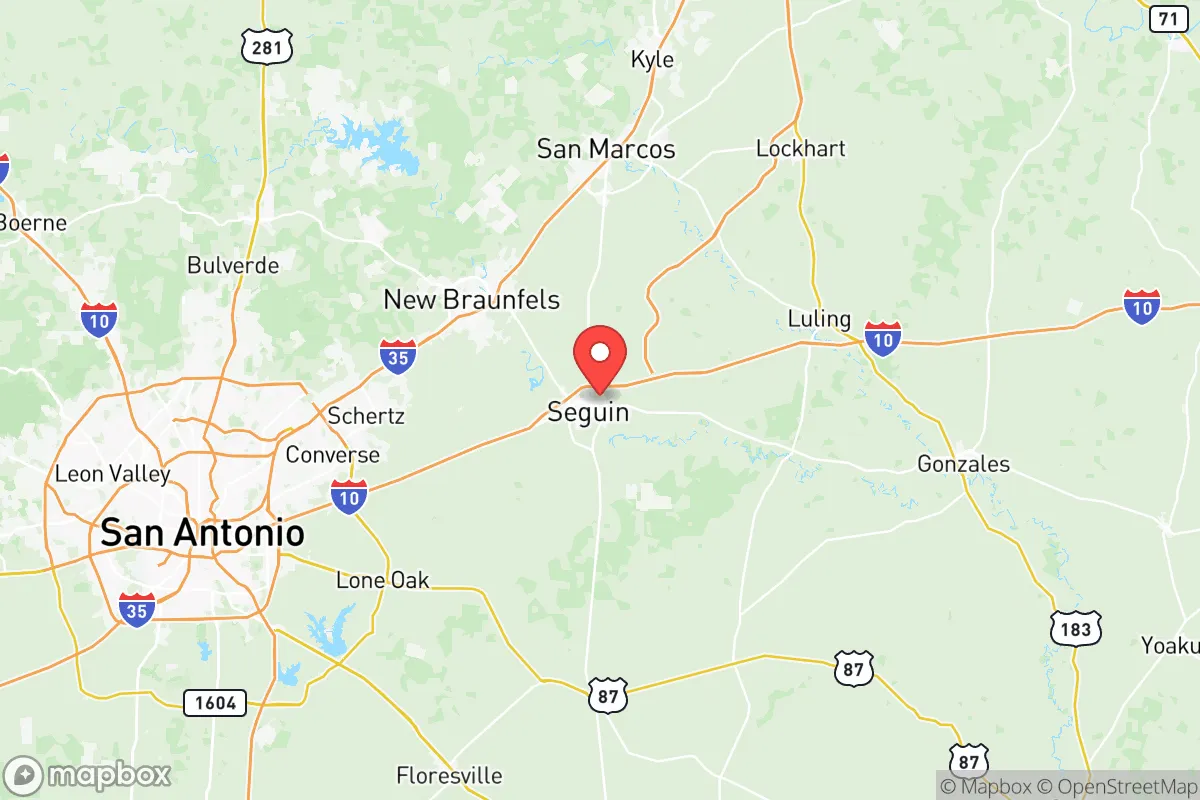
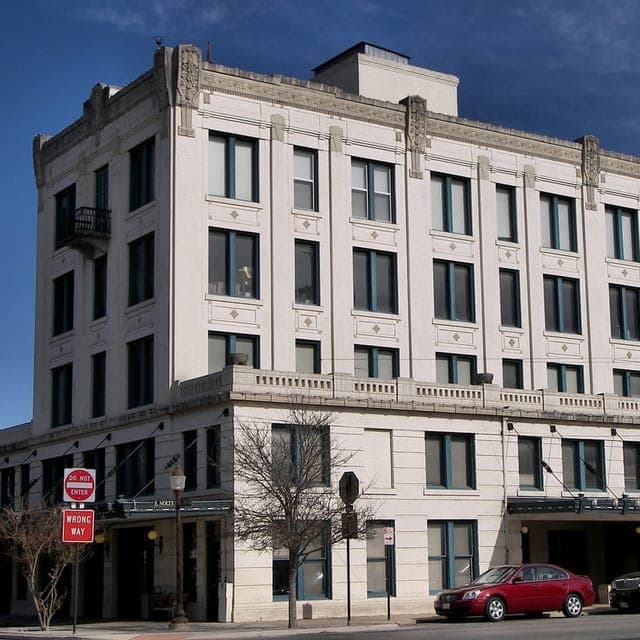
Photo: Wikipedia
Find The Best Places To Live in Guadalupe County
PRO TIP! You can paste a Zillow or Redfin link to get info on that property.
Best Places to Live in Guadalupe County
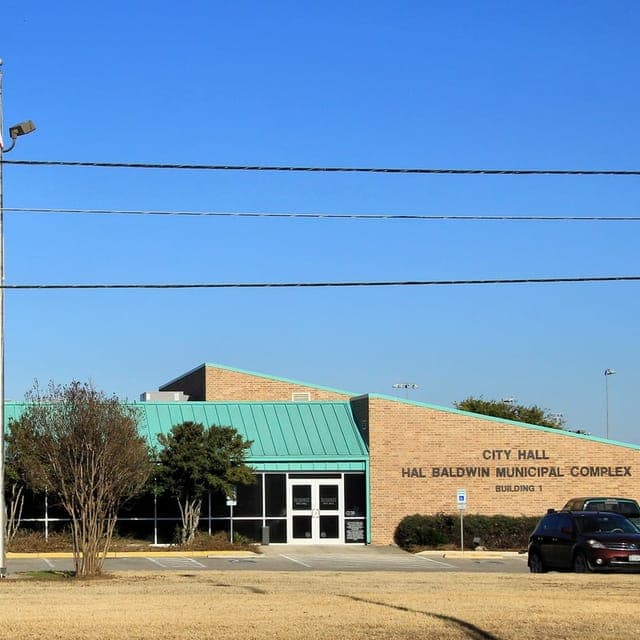
Cities & Towns in Guadalupe County
Cities in Guadalupe County
What It's Like Living in Guadalupe County, TX
Guadalupe County feels like the last reasonable compromise between San Antonio’s sprawl and the Hill Country’s quiet. It’s where a family can buy a three-bedroom home for $285,900—still high by Texas standards but a bargain compared to Bexar County—and still be within a 30-minute commute of downtown San Antonio. The county’s identity is split between the fast-growing suburbs of Schertz, Cibolo, and Selma, the historic square of Seguin, and the rural pockets around Marion and Santa Clara. If you’re looking for a place that still feels like small-town Texas but has a Costco within 15 minutes, this is it.
The Daily Rhythm: Suburban Sprawl Meets Small-Town Roots
Most mornings in Guadalupe County start with a commute that averages just under 29 minutes—long enough to finish a podcast, short enough to avoid road rage. The bulk of that traffic funnels onto I-10 and IH-35, which can back up near the Schertz/Selma corridor, especially during school drop-off and the holiday shopping rush. People here shop at the Schertz H-E-B (the busiest in the county), grab coffee at Summer Moon Coffee in Cibolo, and eat lunch at Willie’s Grill & Icehouse in Selma. Weekends are often spent at the kids’ soccer games at Schertz Sports Complex or floating the Guadalupe River near Seguin. The county’s median age of 37.5 reflects a population heavy on young families and mid-career professionals—people who moved here for the schools and the space.
The rhythm is distinctly suburban, but with a rural heartbeat. In Seguin, the Downtown Farmers Market on Saturday mornings draws a mix of retirees and young parents buying local honey and pecans. In Marion, you’ll still see cattle guards on farm-to-market roads. The county’s median income of $93,776 supports a comfortable middle-class lifestyle, but the cost of living index of 115 means housing and utilities eat a bigger slice than in, say, rural Wilson County. People who fit in here tend to value predictability over excitement—they want good schools, a safe yard, and a neighborhood where the Fourth of July parade is the social event of the season.
Sports, Schools, and the Friday-Night Lights
High school football is the closest thing Guadalupe County has to a civic religion. Seguin High School’s Matadors pack the stands at Matador Stadium on Friday nights, and the rivalry with Schertz-Cibolo-Universal City’s Clemens and Steele high schools is fierce. Steele High School, in particular, has produced multiple Division I athletes and regularly competes for district titles. For college sports, most residents are split between Texas State University in San Marcos (30 minutes north) and the University of Texas at San Antonio (20 minutes south). There’s no pro team in the county, but the San Antonio Spurs are a 25-minute drive from Selma, and the San Antonio Missions minor-league baseball team draws families on summer weekends.
Schools are a major reason people move here. The Schertz-Cibolo-Universal City Independent School District is consistently rated A by the Texas Education Agency, and Marion ISD and Navarro ISD are known for smaller class sizes and strong agricultural programs. The downside: property taxes are high (around 2.5% of assessed value), which is the trade-off for those top-rated schools. Many parents say the tax bill stings, but they’d rather pay it than deal with Bexar County’s crowded classrooms.
What’s There to Do: Festivals, Rivers, and BBQ Joints
Guadalupe County’s entertainment leans heavily on outdoor and community events. The Seguin River Festival in June draws thousands to the Guadalupe River for live music, a rubber duck race, and tubing. The Schertz Festival of the Arts in October fills the civic center with local painters and potters. For a night out, locals hit Buc-ee’s in New Braunfels (just across the county line) for the novelty, or The Pour House in Seguin for craft beer and live acoustic sets. The Guadalupe County Fair & Rodeo in Seguin is a legit rodeo—bull riding, mutton busting, and a midway—and it’s the kind of event where you’ll see three generations of the same family.
Outdoor options are solid but not spectacular. The Guadalupe River State Park is 20 minutes from Seguin and offers tubing, kayaking, and hiking. Lake McQueeney and Lake Placid are smaller reservoirs popular for fishing and jet skiing, but they’re prone to drought-related drawdowns. The San Antonio River Walk is a 30-minute drive from Cibolo, which means residents can enjoy big-city nightlife without living in it. The biggest frustration among locals is the lack of a dedicated music venue or performing arts center—most concerts require a drive to San Antonio or Austin.
Pros and Cons of Living in Guadalupe County
- Pro: Affordable housing relative to the region. A median home value of $285,900 is about $100,000 less than San Antonio’s median and $400,000 less than Austin’s. You can still find a 1,800-square-foot home on a quarter-acre lot in Cibolo for under $300,000.
- Con: Property taxes are punishing. The effective tax rate hovers around 2.5%, which means a $285,900 home costs roughly $7,150 a year in taxes. That’s the price of those good schools and low crime.
- Pro: Low violent crime for a growing county. The violent crime rate of 342.3 per 100,000 is below the Texas average (447) and well below San Antonio’s (720). Most crime is property-related and concentrated in commercial corridors.
- Con: Traffic is getting worse. IH-35 through Schertz and Selma is a parking lot during peak hours, and the county’s population growth (up 18% since 2020) means more cars on two-lane farm roads.
- Pro: Genuine community feel. In Marion, the annual Marion Day Festival still features a pie-baking contest. In Seguin, the Downtown Revitalization Project has brought back a local bookstore and a diner. People know their neighbors.
- Con: Limited nightlife and culture. If you want a live theater, a comedy club, or a late-night bar scene, you’re driving to San Antonio or Austin. The county is built for families, not singles.
Guadalupe County is not for everyone. It’s for the person who wants a house with a yard, a school system that doesn’t require a private-school budget, and a commute that doesn’t destroy their soul. It’s for the parent who’d rather spend Saturday at a Little League game than at a brunch spot. The county’s cultural quirks—the pride in high school football, the obsession with H-E-B, the willingness to drive 30 minutes for a good meal—are pure Texas. If that sounds like home, it probably is.

* Values derived from national, state, county, city and local statistics and may differ in a specific area. Last updated: 2026-06-03T01:33:34.000Z
Narrative content on this page is AI-generated and may contain mistakes. Verify any details that matter before acting on them.
ReloMaps may earn a commission from affiliate links at no extra cost to you.

