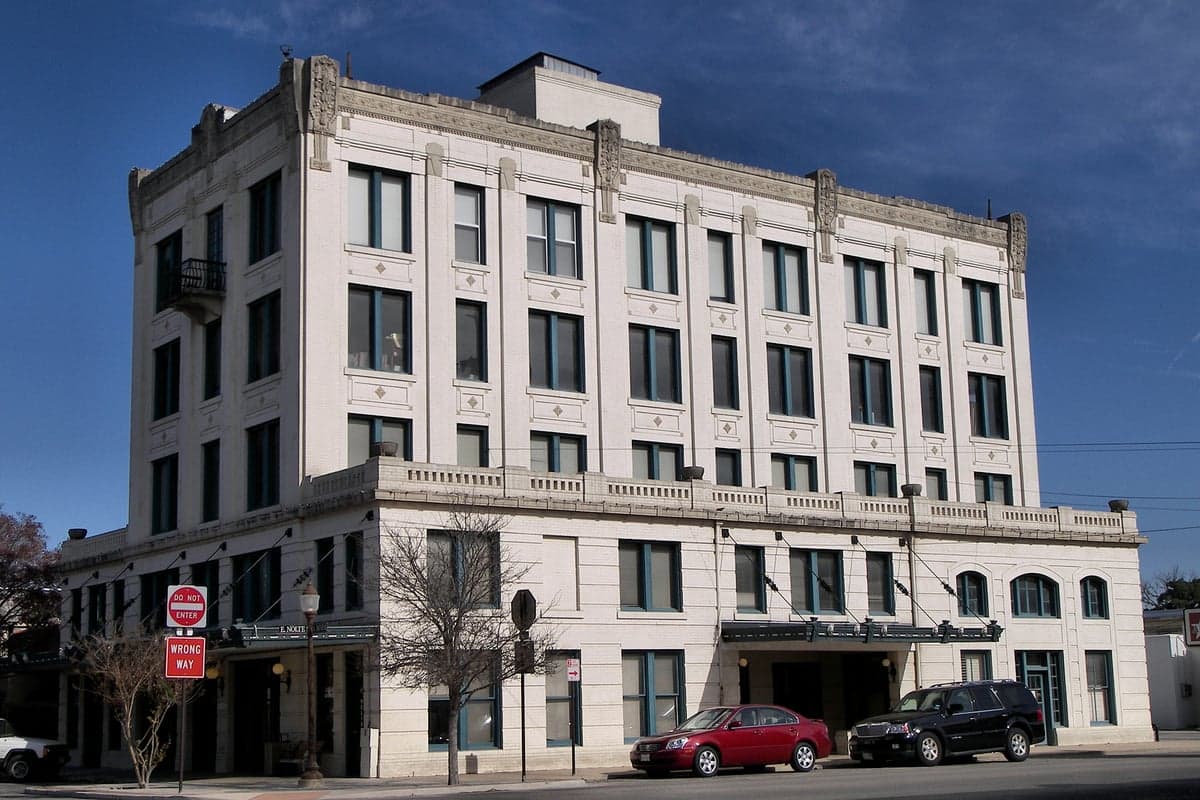
Photo: Wikipedia
Quality of Life in Seguin, TX
A high quality of life with strong walkability, manageable living costs, healthy neighborhood signals, and solid amenity access.
What does Quality of Life tell us?
Quality of Life blends cost of living, nearby amenities, socioeconomic signals, and neighborhood character. City-level scores represent the whole municipality; individual neighborhoods can differ.
What does this tell us?
Quality of Life blends cost of living, nearby amenities, socioeconomic signals, and neighborhood character. City-level scores represent the whole municipality; individual neighborhoods can differ.
Cost of Living
9% below national average
The Real Cost of Living in Seguin, TX for 2026
| Tier | Individual | Family (4) |
|---|---|---|
| Survival | $18k | $34k |
| Comfortable | $44k | $65k |
| Luxury | $112k+ | $173k+ |
| Elite (Top 5%) | $132k+ | $205k+ |
95%
The Area Signal
A metric tracking the socioeconomic signals of the area.
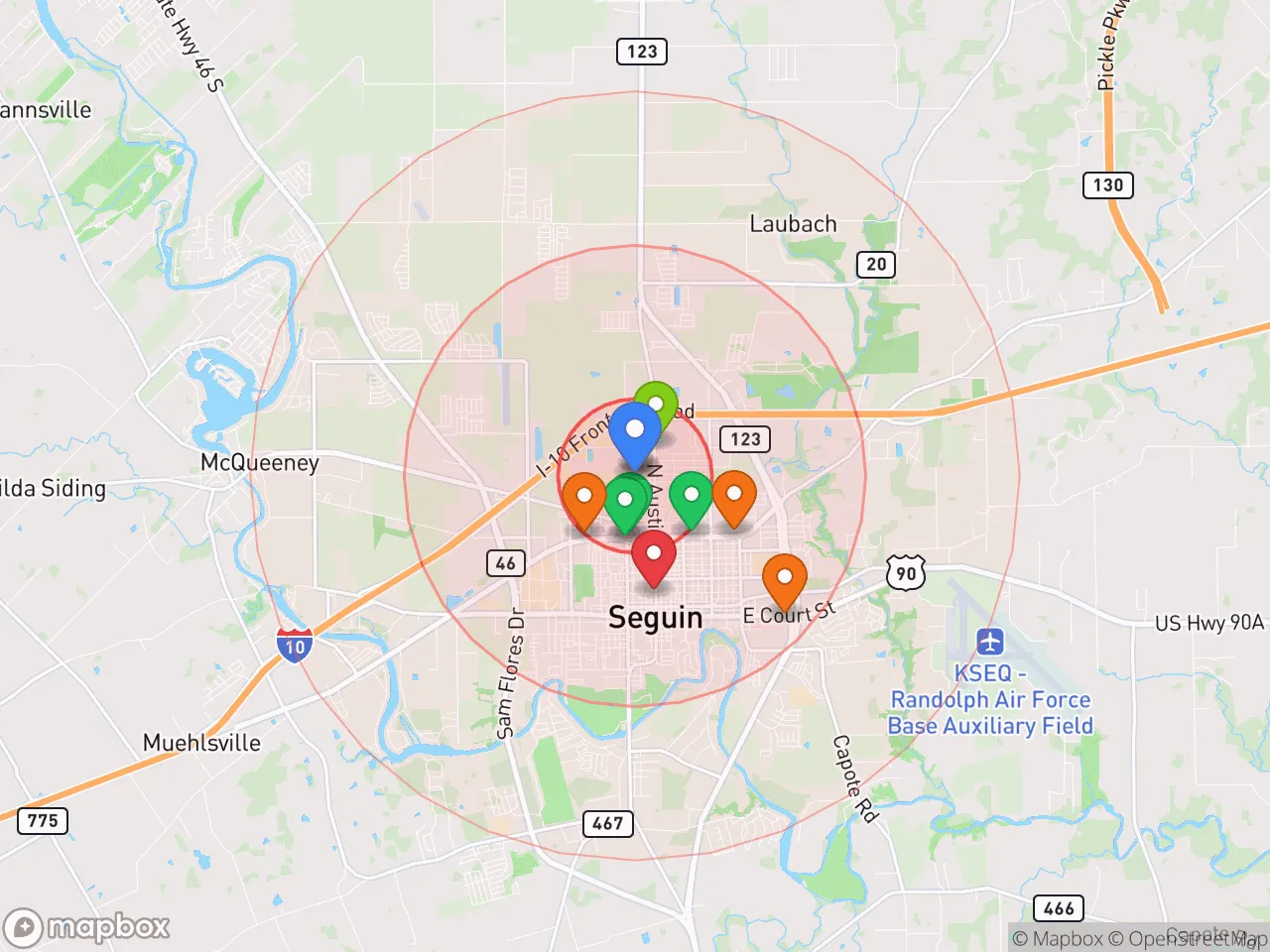
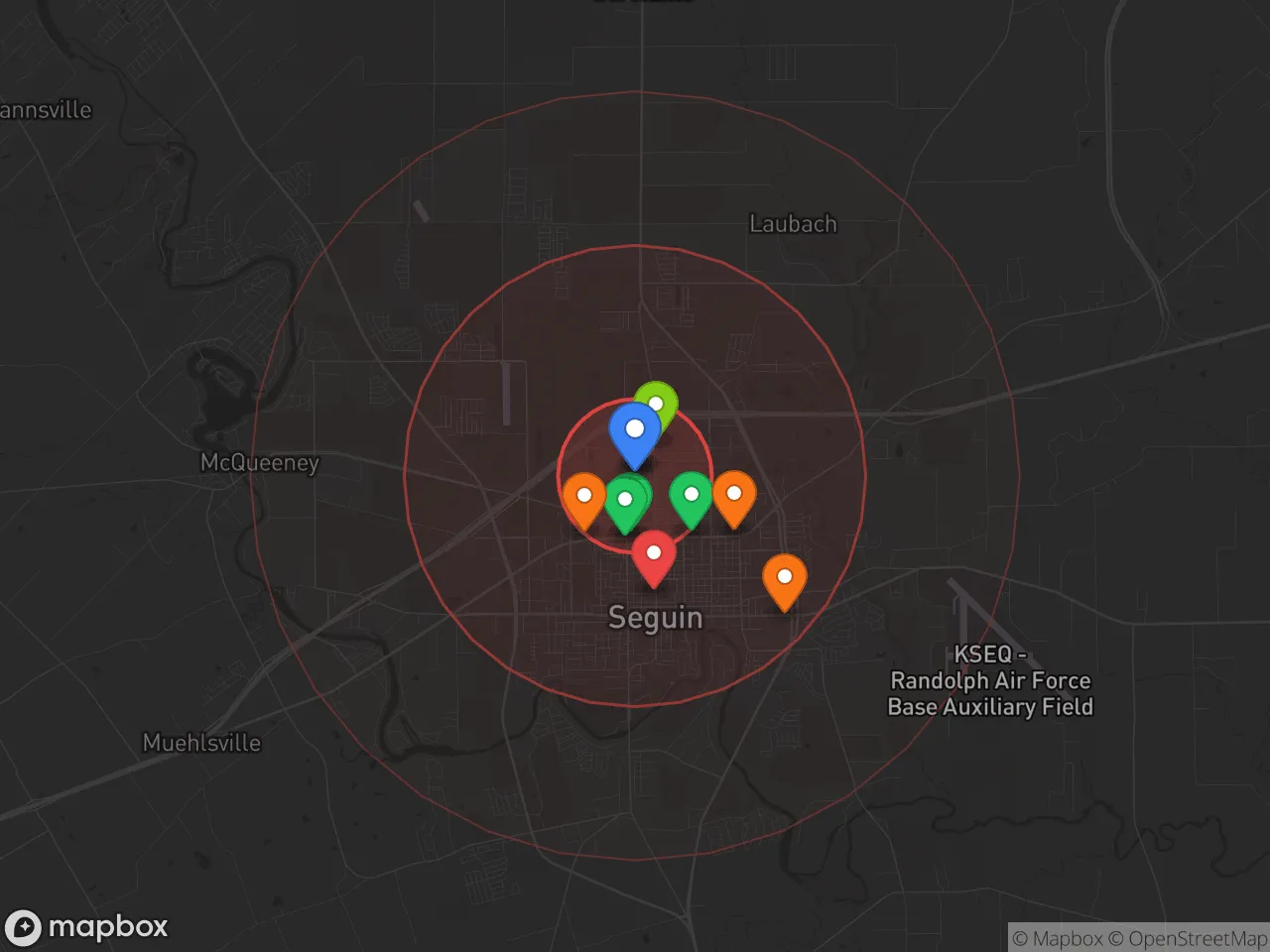
Hobbies
Explore the areaGroceries
2 within 10 miles
Gas
20 within 10 miles
Hospital
9 within 20 miles
Airport
SAN — San Antonio International
Post Office
USPS — New Braunfels, TX
Critical Amenities
Quality-of-Life Analysis
Seguin, Texas, offers a notably affordable quality of life that attracts a mix of young families, skilled tradespeople, and retirees seeking a slower pace without sacrificing proximity to a major metro. With a cost of living index of 91 (9% below the U.S. average), the city provides a middle-class standard of living that feels increasingly out of reach in nearby San Antonio and Austin. The population skews slightly younger than the national median, and the local economy is anchored by manufacturing, education, and healthcare, creating a stable, family-oriented community profile.
Cost of living and housing affordability compared to San Antonio and Austin
Seguin’s housing market is the primary driver of its affordability advantage. The median home value sits at $227,000, which is roughly $100,000 less than the San Antonio metro median and less than half the typical price in Austin. Median rent is a manageable $1,135, making it one of the most budget-friendly rental markets in the I-35 corridor. Property taxes in Guadalupe County are competitive, though buyers should note that Texas has no state income tax, so the effective tax burden remains low for most households. The average commute time of 22.1 minutes is significantly shorter than the 30+ minute averages in San Antonio or Austin, meaning residents save both time and fuel costs. For those who work in New Braunfels or San Marcos, the drive is often under 20 minutes, while a commute to downtown San Antonio takes about 35 minutes in normal traffic.
Local amenities, schools, and what daily life feels like
Daily life in Seguin centers on its historic downtown square, the Guadalupe River, and a network of well-maintained parks. The Seguin Independent School District includes several highly rated elementary schools and Seguin High School, which offers dual-credit programs through Texas Lutheran University and the local community college. For shopping and dining, residents rely on a mix of local taquerias and barbecue joints along with national chains on Highway 123. The city hosts seasonal events like the Pecan Festival and the Texas Clay Festival, which reinforce a tight-knit community feel. Outdoor recreation is a strong draw: Lake McQueeney and the Guadalupe River provide fishing, kayaking, and swimming within a 10-minute drive. Healthcare access is solid, with Guadalupe Regional Medical Center handling most routine needs, while specialized care is available in San Antonio, 35 miles south.
Who thrives in Seguin and what to consider before moving
Seguin is best suited for people who prioritize space, affordability, and a slower daily rhythm over urban nightlife or high-end retail. Remote workers, tradespeople employed at local manufacturers like Continental Automotive or Caterpillar, and retirees on fixed incomes find the cost structure especially favorable. Families appreciate the lower housing costs and shorter commutes, though those seeking top-tier school rankings or a dense restaurant scene may prefer New Braunfels or San Marcos. The city is growing steadily—population has increased roughly 15% since 2020—so new subdivisions are appearing on the outskirts, but the core retains a small-town character. Anyone moving here should expect a conservative-leaning, church-oriented community where knowing your neighbors is still the norm.

Crime in Seguin, TX
Generally safer than 67% of comparable U.S. locations.
Violent CrimeViolent Crime Analysis
Property CrimeProperty Crime Analysis
Crime Analysis
Seguin, Texas, reports a violent crime rate of 409.2 incidents per 100,000 residents and a property crime rate of 1,533.2 per 100,000, placing it above the national average for both categories. While not among the most dangerous cities in the state, these figures indicate a community where residents face elevated risks compared to the typical U.S. municipality. The city’s proximity to the San Antonio-New Braunfels metro area means it is subject to the same regional crime pressures and, critically, the same prosecutorial and judicial philosophies that shape public safety outcomes across the broader region.
Crime in context
Seguin’s violent crime rate of 409.2 per 100,000 is roughly 17% higher than the national average of approximately 350 per 100,000 and significantly above the Texas state average of about 445 per 100,000. Property crime in Seguin, at 1,533.2 per 100,000, is about 8% higher than the national average of roughly 1,420 per 100,000 but below the Texas average of approximately 2,100 per 100,000. These numbers place Seguin in a middle tier among Texas cities of similar size. However, the broader context of the San Antonio metro area is critical: many jurisdictions in this region have adopted progressive criminal justice policies, including reduced bail requirements, diversion programs for repeat offenders, and district attorneys who prioritize decarceration. These policies, while well-intentioned, have been linked to higher recidivism and a greater number of offenders remaining on the street, directly impacting communities like Seguin that are within the metro’s commuting and crime-shed zone.
What residents experience
For Seguin residents, the elevated crime rates translate into tangible daily concerns. Property crimes such as burglary, theft, and vehicle break-ins are the most common incidents, often concentrated near commercial corridors like Interstate 10 and State Highway 123. Violent crimes, including aggravated assault and robbery, occur less frequently but are more likely to involve firearms. The influence of progressive judicial policies in Guadalupe County and the surrounding metro area means that offenders arrested in Seguin may face lenient plea deals or early release, reducing the deterrent effect of arrest. Residents report that repeat property offenders are a persistent problem, as the justice system’s focus on rehabilitation over incarceration often returns the same individuals to the community quickly. This dynamic creates a sense of frustration and insecurity, particularly among homeowners and small business owners who bear the brunt of theft and vandalism.
Neighborhood-level variation in Seguin is notable. Older, established neighborhoods near downtown Seguin tend to have lower crime rates due to stronger community watch presence and higher homeownership. In contrast, newer subdivisions on the city’s periphery and areas near apartment complexes along Kingsbury Street and Court Street report higher incident volumes. The city’s overall safety picture is thus uneven: a resident in a well-maintained historic district may feel relatively secure, while someone in a rental-heavy corridor may encounter crime more frequently. Prospective movers should research specific block-level data and consider that the metro area’s progressive judicial environment means even low-crime pockets are not insulated from regional recidivism trends.
* Values derived from national, state, county, city and local statistics and may differ in a specific area. Last updated: 2026-05-11T22:05:42.000Z
Narrative content on this page is AI-generated and may contain mistakes. Verify any details that matter before acting on them.
ReloMaps may earn a commission from affiliate links at no extra cost to you.

