Photo: Wikipedia
Quality of Life in Sherman, TX
Above-average quality of iife. The area offers a reasonable cost of living, decent mobility, and a mix of neighborhood amenities.
What does Quality of Life tell us?
Quality of Life blends cost of living, nearby amenities, socioeconomic signals, and neighborhood character. City-level scores represent the whole municipality; individual neighborhoods can differ.
What does this tell us?
Quality of Life blends cost of living, nearby amenities, socioeconomic signals, and neighborhood character. City-level scores represent the whole municipality; individual neighborhoods can differ.
Cost of Living
8% below national average
The Real Cost of Living in Sherman, TX for 2026
| Tier | Individual | Family (4) |
|---|---|---|
| Survival | $19k | $35k |
| Comfortable | $43k | $63k |
| Luxury | $105k+ | $162k+ |
| Elite (Top 5%) | $123k+ | $191k+ |
97%
The Area Signal
A metric tracking the socioeconomic signals of the area.
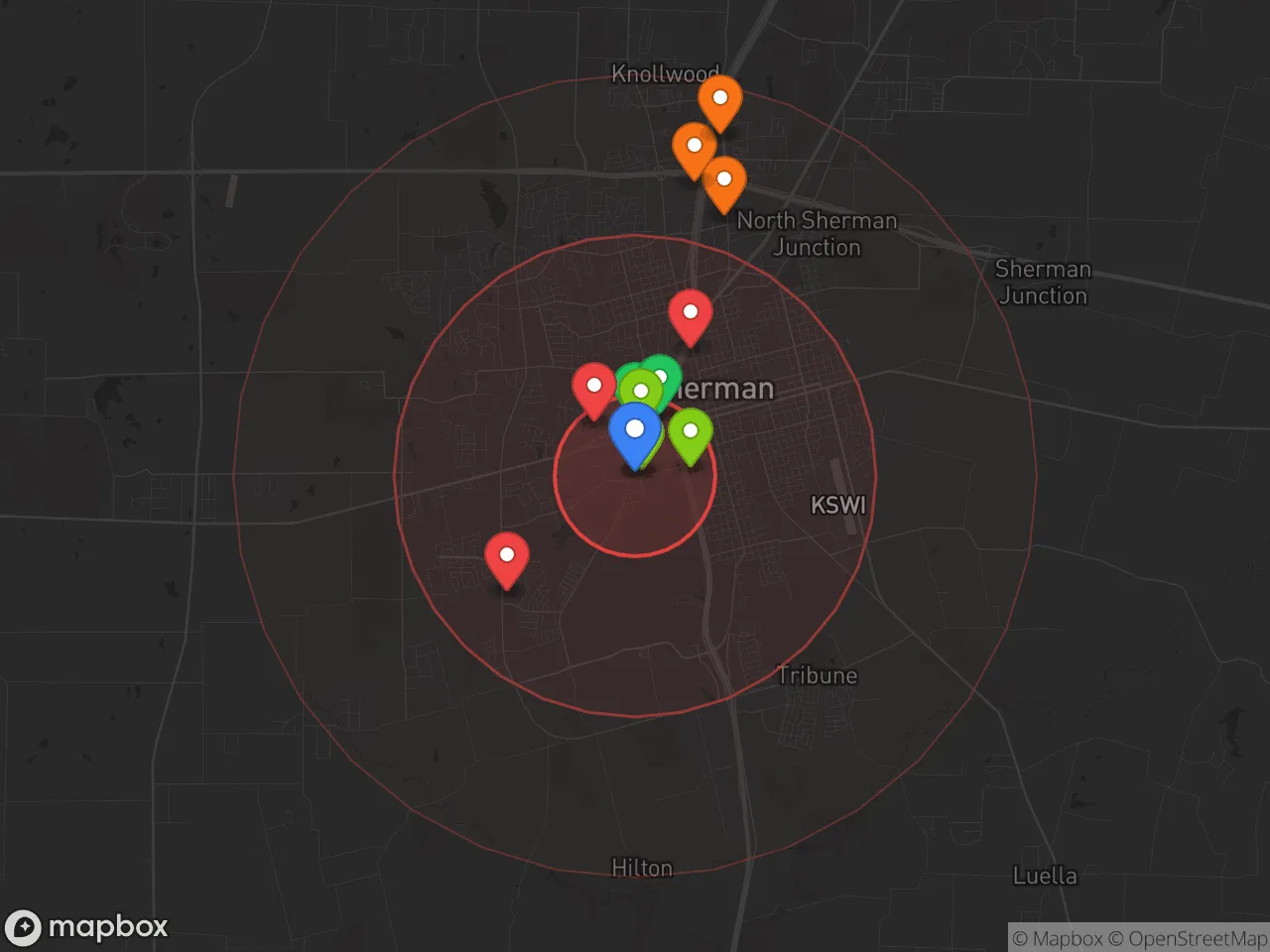
Hobbies
Explore the areaGroceries
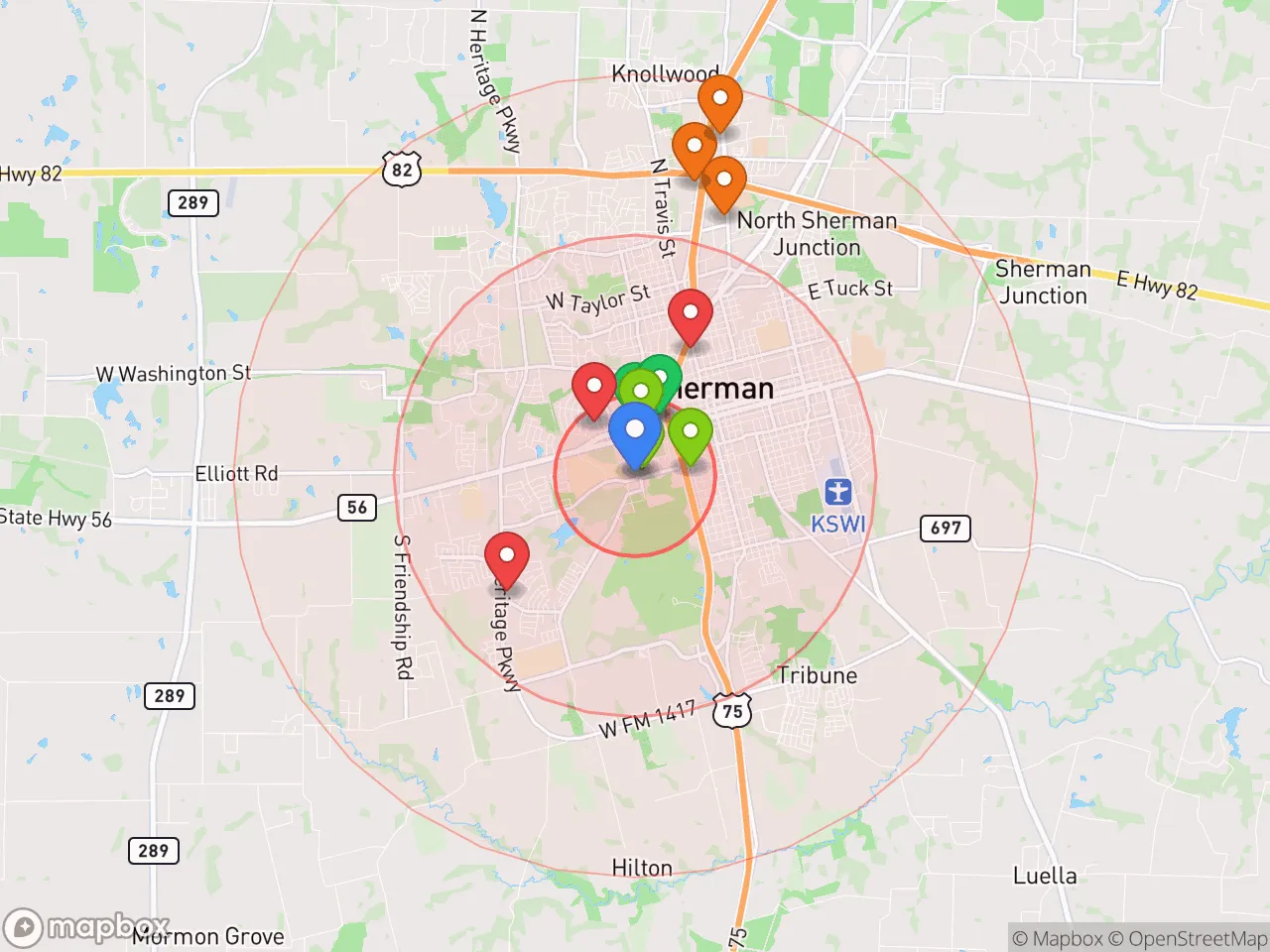
6 within 10 miles
Gas
20 within 10 miles
Hospital
5 within 20 miles
Airport
DFW — Dallas/Fort Worth International
Post Office
USPS — Sherman, TX
Critical Amenities
Quality-of-Life Analysis
Sherman, Texas, offers a quality of life defined by its blend of small-town affordability and growing suburban convenience, attracting a mix of young families, long-time residents, and professionals priced out of the Dallas-Fort Worth metroplex. With a cost of living index of 92 (8% below the national average), the city provides a notably lower financial barrier to homeownership and daily expenses than nearby Plano or Frisco, while still offering access to regional employment hubs. The population skews slightly younger and more family-oriented than the state average, with a median age around 32, and the local economy is anchored by manufacturing, healthcare, and education sectors rather than tech or finance.
Cost of living and housing affordability compared to DFW suburbs
Sherman’s housing market remains one of its strongest draws for budget-conscious movers. The median home value sits at $219,300, roughly half the median in Frisco ($450,000+) and about 35% lower than in McKinney. Median rent is $1,177, which undercuts the DFW-area average by nearly $400 per month. While home prices have risen about 8% year-over-year as of early 2026, they still allow a household earning the local median income of roughly $62,000 to afford a mortgage without stretching beyond 28% of gross income. Property taxes in Grayson County average 2.1% of assessed value, slightly above the state median, but the lower base price keeps annual tax bills manageable compared to Collin County suburbs. The average commute time of 24.1 minutes is shorter than the DFW regional average of 28 minutes, a meaningful advantage for workers employed locally at Tyson Foods, Texas Instruments, or the Sherman Independent School District.
What daily life is like for families: schools, amenities, and local rhythm
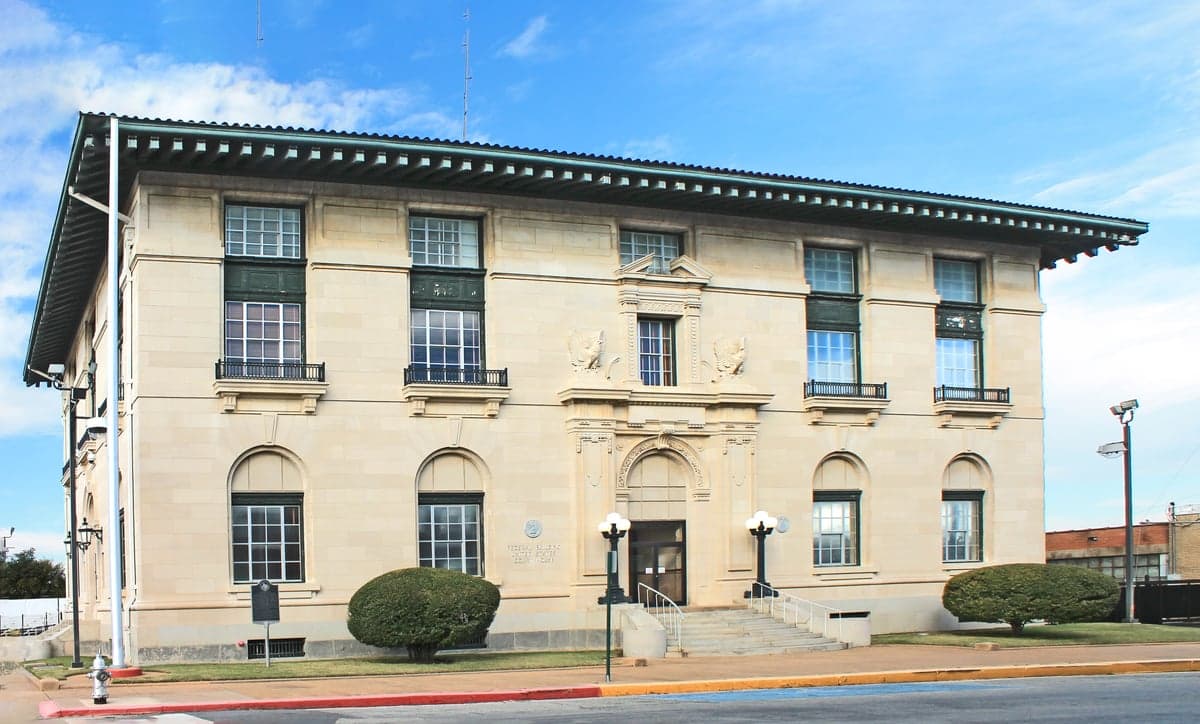
Daily life in Sherman centers on a slower pace than the DFW core, with a downtown anchored by the historic Sherman Municipal Building and a growing number of locally owned restaurants and breweries. The Sherman Independent School District serves about 16,000 students and includes three high schools—Sherman High, the STEM-focused Sherman Innovation Academy, and the alternative Sory High School—with an overall B rating from the Texas Education Agency. For recreation, the city maintains over 20 parks, including the 80-acre Pecan Grove Park with a splash pad and disc golf course, and Lake Texoma lies 20 minutes north for boating and fishing. Shopping and dining options are more limited than in Plano or Allen, but the 75-minute drive to DFW International Airport and the presence of a Walmart Supercenter, H-E-B, and a growing number of chain restaurants cover most daily needs. The city’s annual events, such as the Sherman Airshow and the Grayson County Fair, reinforce a community-oriented rhythm that appeals to families seeking engagement without urban crowding.
Sherman is best suited for those who prioritize lower housing costs and a manageable commute over the dense amenities and nightlife of a major metro. Young families and first-time homebuyers will find the most value here, as will remote workers who need occasional access to DFW but want a quieter base. Retirees on fixed incomes also benefit from the below-average cost of living, though those requiring specialized medical care may need to travel to Plano or Dallas for certain services. The city’s ongoing growth—projected to add roughly 3,000 residents per year through 2030—suggests that its affordability window is narrowing, making 2026 a practical time for cost-conscious movers to lock in a lower housing cost before prices converge further with the DFW suburbs.

Crime in Sherman, TX
Generally safer than 60% of comparable U.S. locations.
Violent CrimeViolent Crime Analysis
Property CrimeProperty Crime Analysis
Crime Analysis
Sherman, Texas, reports a violent crime rate of 342.3 incidents per 100,000 residents and a property crime rate of 1,780.9 per 100,000, placing it above national averages for both categories. While not among the most dangerous cities in the state, these figures indicate a tangible risk environment that prospective residents should weigh carefully, particularly given the broader criminal justice trends in the region. The city's proximity to the Dallas-Fort Worth metroplex means it is influenced by the policies of a large urban area where progressive prosecutorial approaches have been linked to reduced incarceration and increased recidivism.
Crime in context
Sherman's violent crime rate of 342.3 per 100,000 is roughly 20% higher than the national average of about 280 per 100,000 and significantly above the Texas state average of approximately 290 per 100,000. Property crime in Sherman, at 1,780.9 per 100,000, also exceeds the national benchmark of roughly 1,600 per 100,000. These numbers place Sherman in a higher-risk tier compared to smaller, more rural North Texas communities, though it remains below the rates seen in the core of the DFW metroplex. The elevated figures are consistent with a city experiencing growth and the associated challenges of increased population density and transient populations.
What residents experience
For daily life in Sherman, the elevated property crime rate is the most immediate concern. Residents report that vehicle burglaries, package theft, and shed break-ins are the most common property crimes, often concentrated near apartment complexes and commercial corridors like U.S. Highway 75. Violent crime, while less frequent, includes aggravated assault and robbery, with incidents often tied to domestic disputes or drug-related activity rather than random attacks on the public. A critical factor for readers is the criminal justice environment: Grayson County, where Sherman is the seat, operates under a conservative district attorney's office that emphasizes prosecution and incarceration. However, the city's location within the broader DFW commuting zone means that offenders from Dallas or Collin counties—where progressive district attorneys have implemented policies like reduced cash bail and diversion programs—can and do travel into Sherman. This dynamic means that criminals from jurisdictions with lenient sentencing policies may be active in Sherman, increasing the risk for residents who live near major highways or entertainment venues.
Neighborhood-level variation is significant. Established, owner-occupied neighborhoods such as those near Austin College or the historic West Sherman district generally report lower crime rates, while areas with higher rental density—particularly along the U.S. 75 corridor and near the intersection of FM 1417 and SH 56—see more frequent property crime. Prospective residents should prioritize homes with off-street parking, security systems, and good street lighting, and should verify specific block-level crime data through the Sherman Police Department's online portal before committing to a lease or purchase.
* Values derived from national, state, county, city and local statistics and may differ in a specific area. Last updated: 2026-05-11T13:39:36.000Z
Narrative content on this page is AI-generated and may contain mistakes. Verify any details that matter before acting on them.
ReloMaps may earn a commission from affiliate links at no extra cost to you.

