Find The Best Places To Live in Norfolk City County
PRO TIP! You can paste a Zillow or Redfin link to get info on that property.
Best Places to Live in Norfolk City County
Cities & Towns in Norfolk City County
Cities in Norfolk City County
What It's Like Living in Norfolk City County, VA
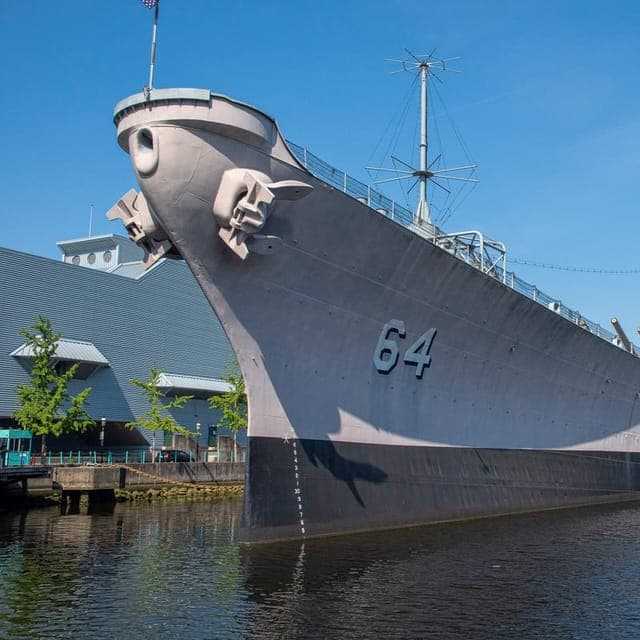
Norfolk City County, Virginia, is a dense, historic port city where the rhythms of the Navy, a major university, and a revitalizing downtown all pulse at once. It’s a place of stark contrasts—you’ll find a world-class art museum blocks from a dive bar, and a battleship docked next to a trendy brewery. Life here is shaped by the water, the military, and a palpable sense of reinvention, making it a fit for young professionals, students, and families who value walkability and culture over suburban sprawl.
The Daily Grind: Water, Walkability, and the Navy
For most residents, the day starts with a commute that averages just under 23 minutes—one of the shortest in the Hampton Roads region. You’re as likely to hear a conversation about the latest deployment schedule for the USS George H.W. Bush as you are about the weekend’s art show at the Chrysler Museum. The city’s identity is deeply tied to Naval Station Norfolk, the world’s largest naval base, which brings a steady flow of active-duty families and civilians. This military presence gives the city a transient, yet patriotic, feel. You’ll see sailors in uniform grabbing coffee at Fair Grounds in the Ghent neighborhood, a historic district of tree-lined streets and Victorian homes that feels like a small college town dropped into a mid-sized city.
Ghent is the heart of daily life for many. It’s where you’ll find locals jogging along the Elizabeth River Trail, grabbing brunch at Jack Brown’s Beer & Burger Joint, or shopping for produce at the Norfolk Farmers Market on Saturday mornings. The city’s walkability is a major draw—you can live in Ghent or downtown and rarely need a car for errands. That said, the city’s layout is a grid of neighborhoods, each with its own personality. Ocean View, along the Chesapeake Bay, offers a more laid-back, beach-town vibe with older bungalows and a fishing pier, while Wards Corner is a practical, family-oriented area with big-box shopping and easy access to the interstate. The median home value of $271,900 is a relative bargain compared to Northern Virginia or Richmond, making it a realistic entry point for first-time buyers, though the cost of living index of 103 (slightly above the national average) means groceries and utilities can feel a bit steep.
Sports, Community, and the Weekend Vibe
Sports here are a big deal, but not in the way you might expect. There’s no major pro team in Norfolk itself, so the energy is split between the Norfolk Tides (the Triple-A affiliate of the Baltimore Orioles) at Harbor Park—a beautiful ballpark right on the Elizabeth River—and the Norfolk Admirals (ECHL hockey) at the Scope Arena. Friday-night high school football is a genuine community event, especially at Granby High School and Maury High School, where games draw crowds that rival small-college atmospheres. For college sports, Old Dominion University’s basketball and football games are the biggest show in town, with the Monarchs’ football team playing at S.B. Ballard Stadium. The city’s young median age of 32.4 means the weekend crowd leans toward craft breweries and live music. The Veil Brewing Co. and Benchtop Brewing Company are local favorites, often packed with a mix of ODU students, young families, and Navy personnel.
Outdoor life revolves around the water. The Elizabeth River Trail is a 10.5-mile path that connects downtown to the naval base, and it’s a hub for cyclists and runners. The Norfolk Botanical Garden is a 175-acre escape with themed gardens and a tram tour, popular for weekend strolls and family outings. The biggest annual event is Harborfest, a free waterfront festival in June that features tall ships, air shows, and live music, drawing over 100,000 people. The city’s cultural quirk is its embrace of the “Mermaid” as an unofficial mascot—you’ll see mermaid statues all over town, a nod to the city’s maritime heritage and a fun scavenger hunt for kids.
Pros and Cons of Living in Norfolk City County
What locals love:
- Walkable, historic neighborhoods. Ghent and downtown offer a dense, urban feel rare in the South, with coffee shops, restaurants, and parks within walking distance.
- Affordable housing. The median home value of $271,900 is well below the national median, and you can find charming older homes in established neighborhoods for under $250,000.
- Cultural density. The Chrysler Museum of Art, the Nauticus maritime museum, and the Virginia Symphony Orchestra all punch above the city’s weight class.
- Proximity to the beach. Virginia Beach is a 20-minute drive, and the Outer Banks of North Carolina are about 90 minutes away.
What frustrates residents:
- Traffic bottlenecks. The Hampton Roads Bridge-Tunnel (HRBT) is a notorious choke point, especially during rush hour and summer weekends. The average commute of 23 minutes can balloon to 45 minutes if you’re crossing the water.
- Crime concerns. The violent crime rate of 203 per 100,000 is higher than the national average, and it’s concentrated in certain areas like parts of the Park Place and Huntersville neighborhoods. Most residents are aware of this and adjust their routines accordingly.
- Transient population. The constant churn of military families means it can be hard to build deep, long-term friendships. Many people complain that “everyone is just passing through.”
- Humidity and hurricanes. Summers are muggy, and the city is vulnerable to coastal storms. Locals keep a hurricane kit and know their evacuation zone.
The kind of person who fits in here is someone who values authenticity over polish. It’s not a pristine, manicured suburb—it’s a working port city with grit and character. You’ll find young professionals who work at Sentara Healthcare or Old Dominion University, military families stationed at the base, and creatives drawn to the low cost of living and the arts scene. The schools, like Norfolk Public Schools, are a mixed bag—some are strong (like Larchmont Elementary), but others struggle, so families often research specific zones or consider private options. The seasonal rhythm is distinct: fall brings ODU football and the Norfolk Greek Festival, winter is quiet with holiday lights in the MacArthur Center mall, spring explodes with azaleas at the botanical garden, and summer is all about the water. It’s a place that rewards curiosity and patience—and if you give it a chance, it grows on you.

* Values derived from national, state, county, city and local statistics and may differ in a specific area. Last updated: 2026-08-25T02:10:12.000Z
Narrative content on this page is AI-generated and may contain mistakes. Verify any details that matter before acting on them.
ReloMaps may earn a commission from affiliate links at no extra cost to you.

