
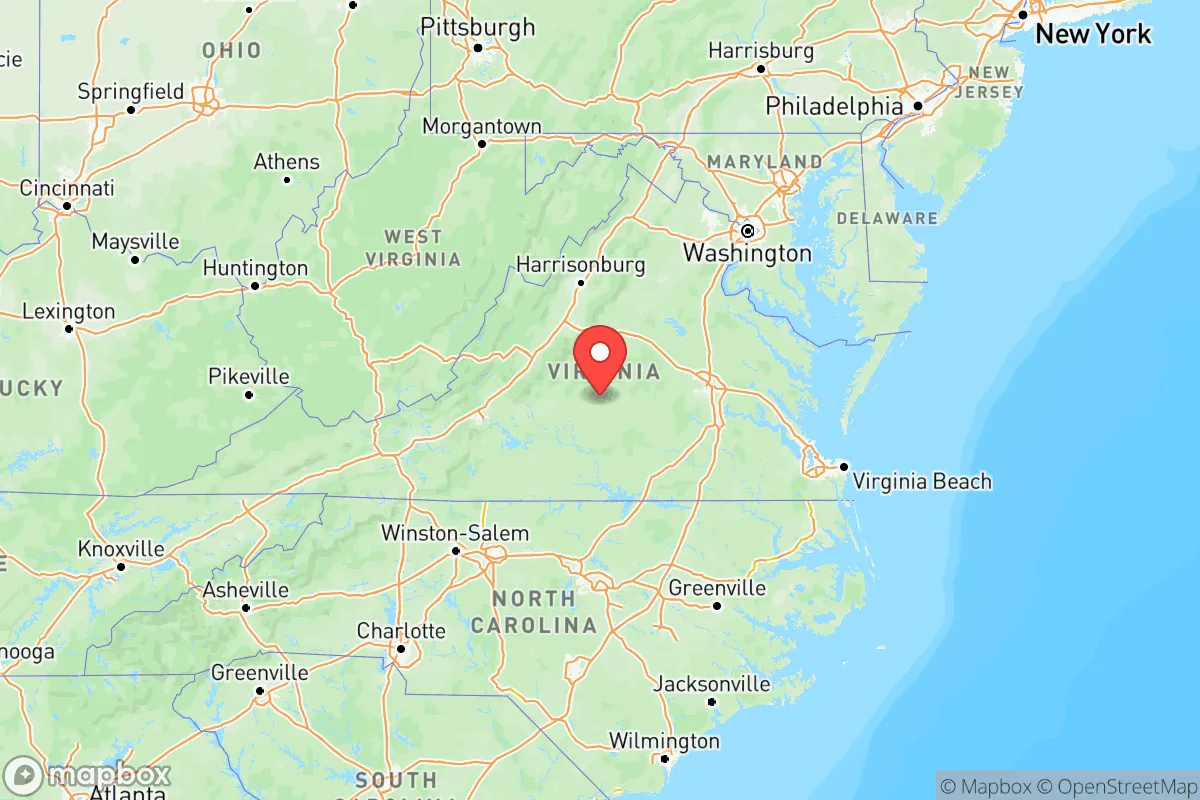
Photo: Wikipedia
Quality of Life in Virginia
A livable area that tracks near national norms for affordability, walkability, and neighborhood health.
What does Quality of Life tell us?
Quality of Life measures an area by evaluating factors like cost of living, nearby amenities, country club access, airport proximity, socioeconomic signals and neighborhood character. For large states, this is a general average — quality of life can vary dramatically between metro areas, suburbs, and rural communities within the same state.
What does this tell us?
Quality of Life measures an area by evaluating factors like cost of living, nearby amenities, country club access, airport proximity, socioeconomic signals and neighborhood character. For large states, this is a general average — quality of life can vary dramatically between metro areas, suburbs, and rural communities within the same state.
Cost of Living
29% above national average
88%
The Real Cost of Living in Virginia for 2026
| Tier | Individual | Family (4) |
|---|---|---|
| Survival | $24k | $45k |
| Comfortable | $70k | $103k |
| Luxury | $164k+ | $255k+ |
| Elite (Top 5%) | $204k+ | $317k+ |
Quality-of-Life Analysis
Virginia offers one of the most diverse quality-of-life spectrums on the East Coast, ranging from the dense, globalized corridors of Northern Virginia to the quiet, agricultural rhythms of the Shenandoah Valley and the coastal lifestyle of Hampton Roads. With a statewide cost-of-living index of 129 (29% above the national average), a median home value of $360,700, and a median rent of $1,514, the state presents a stark divide between high-cost urban centers and more affordable rural and mid-size markets. The average commute of 27.6 minutes reflects the state’s dual nature: a short drive for small-town residents, but a grueling 45-60 minutes for many Northern Virginia commuters. This analysis breaks down the tiers of living options across the Commonwealth, naming specific places and the type of resident each attracts.
Major metros
Virginia’s major metropolitan areas are defined by their economic engines and cultural identities. Northern Virginia, anchored by Arlington, Alexandria, and McLean, is the state’s economic powerhouse, driven by federal government contracting, defense, and tech. It offers the highest density, the most expensive real estate (median home values above $600,000 in many zip codes), and a fast-paced, highly educated population. This tier attracts professionals in cybersecurity, consulting, and policy who prioritize career advancement and urban amenities over space. Richmond, the state capital, provides a more balanced urban experience with a growing food scene, historic architecture, and a lower cost of living (median home value around $320,000). It draws creatives, state government workers, and young families seeking a mid-size city with cultural depth. Virginia Beach, part of the Hampton Roads metro, offers a coastal lifestyle with a strong military presence (Naval Station Norfolk) and tourism economy. It appeals to those who want beach access, a slower pace than Northern Virginia, and a family-oriented suburban environment. Norfolk and Newport News round out the region with a more industrial, working-class vibe, attracting maritime and shipbuilding workers.
Mid-size cities & college towns
Virginia’s mid-size cities and college towns offer a sweet spot of opportunity and affordability. Charlottesville, home to the University of Virginia, is a liberal enclave with a vibrant downtown, wineries, and Blue Ridge Mountain access. Median home values hover around $450,000, attracting academics, retirees, and remote workers who value culture and nature. Roanoke, nestled in the Blue Ridge, is a more affordable alternative with a median home value near $250,000. Its revitalized downtown and outdoor recreation (Appalachian Trail, Carvins Cove) draw hikers, artists, and those seeking a lower cost of living without sacrificing urban amenities. Blacksburg, home to Virginia Tech, is a classic college town with a strong engineering and research focus. It offers a tight-knit community, low crime, and a median home value around $300,000, appealing to students, faculty, and families who want a safe, walkable environment. Fredericksburg, midway between Richmond and D.C., has grown rapidly as a commuter hub, with a historic downtown and a median home value near $380,000. It attracts families and government workers who want a smaller city but need access to the D.C. job market. Harrisonburg, home to James Madison University, is a smaller, more affordable college town (median home value ~$280,000) with a growing food scene and proximity to Shenandoah National Park, drawing students and outdoor enthusiasts.
Small towns & rural areas
Virginia’s small towns and rural areas offer a dramatically different pace and cost structure. In the Shenandoah Valley, towns like Staunton, Lexington, and Woodstock provide historic main streets, farmland, and mountain views. Median home values here range from $200,000 to $350,000, attracting retirees, artists, and those seeking a quieter, self-sufficient lifestyle. Southside Virginia, including towns like Danville, Martinsville, and South Boston, is among the most affordable regions in the state, with median home values often below $150,000. These areas appeal to those on fixed incomes, remote workers with low housing budgets, or people seeking land for farming or homesteading. The Eastern Shore, with towns like Onancock and Chincoteague, offers a coastal rural lifestyle with fishing, tourism, and a slower pace, attracting retirees and second-home buyers. The Coalfields region in far southwest Virginia (e.g., Wise, Big Stone Gap) is the most remote and least expensive, with median home values under $100,000, drawing those who prioritize isolation and low costs above all else.
Luxury vs. affordable living
The luxury tier in Virginia is concentrated in Northern Virginia suburbs like Great Falls, McLean, and Vienna, where median home values exceed $1 million and residents enjoy top-rated schools, large estates, and proximity to D.C. power centers. Middleburg in Loudoun County is the horse country enclave, with sprawling farms and wineries attracting wealthy equestrians and weekenders. On the coast, Virginia Beach’s North End and Sandbridge offer oceanfront luxury homes starting above $800,000. For affordable living, Danville (median home value ~$120,000) and Martinsville (~$110,000) are the most budget-friendly cities. Petersburg, near Richmond, offers homes under $150,000 with historic architecture and a revitalizing downtown. Bristol, straddling the Tennessee border, provides mountain views and a median home value around $180,000. The spread is enormous: a luxury home in McLean can cost 10 times more than a comparable home in Danville.
The practical reality is that Virginia is a state of distinct economic and lifestyle zones. Northern Virginia is for career-driven professionals willing to pay a premium for access and amenities. Richmond and Charlottesville offer a balanced urban-suburban experience for families and creatives. Roanoke, Blacksburg, and Harrisonburg provide affordable, high-quality living for those who value nature and community. Small towns in the Shenandoah Valley and Southside are ideal for retirees, remote workers, and those seeking a slower, lower-cost life. The cost-of-living spread is extreme: a household earning $80,000 can live comfortably in Danville but would struggle in McLean. The average commute of 27.6 minutes masks the reality that many Northern Virginia residents endure 45-60 minute drives, while rural residents often commute under 15 minutes. Ultimately, Virginia offers a tier for nearly every budget and lifestyle, but the choice requires understanding which trade-offs—cost, commute, culture, or space—matter most.

Crime in Virginia
Generally safer than 61% of comparable U.S. locations.
Violent CrimeViolent Crime Analysis
Property CrimeProperty Crime Analysis
Crime Analysis
Virginia’s overall crime picture is mixed: the state’s violent crime rate of 203 incidents per 100,000 residents sits below the national average of 380 per 100,000, but its property crime rate of 1,344.2 per 100,000 is slightly above the national figure of 1,316. This gap reflects a state where property crime—particularly theft and vehicle break-ins—is a more pressing daily concern than violent offenses. However, these averages mask stark differences between jurisdictions, driven largely by the policies of local prosecutors and the socioeconomic conditions of individual cities.
Crime in context
Virginia’s violent crime rate is roughly half the U.S. average, placing it among the safer states for personal safety. Property crime, however, runs about 2% above the national rate. The disparity is most visible in the state’s urban centers. Richmond and Norfolk report violent crime rates well above the state average—Richmond’s rate exceeds 400 per 100,000—while Virginia Beach and Arlington fall below 150 per 100,000. Property crime is concentrated in areas with high population density and tourism, such as Alexandria and parts of Fairfax County, where car break-ins and package thefts are common. By contrast, rural counties like Bath County and Highland County report crime rates near zero for violent offenses and well under 500 per 100,000 for property crime.
What residents experience
For most Virginians, the risk of violent crime is low, but property crime is a routine nuisance. Vehicle theft and larceny from autos are the most frequently reported offenses, especially in parking lots near shopping centers and transit hubs. In Richmond and Norfolk, progressive district attorneys have implemented policies such as presumptive diversion for nonviolent offenders and reduced cash bail, which critics argue have contributed to a rise in repeat property offenses. Richmond Commonwealth’s Attorney Colette McEachin, for example, has faced scrutiny for declining to prosecute certain low-level thefts, a stance that some residents say emboldens criminals. In Arlington and Alexandria, similar prosecutorial discretion has been linked to a surge in shoplifting and car break-ins, though violent crime remains rare. Residents in these areas often report feeling safe during the day but express concern about property crime after dark, particularly near Metro stations and commercial corridors.
Neighborhood-level variation is significant. In Norfolk, the Ghent and Larchmont neighborhoods have crime rates far below the city average, while areas near the Naval Station and downtown see higher incidents of assault and theft. Richmond’s Fan District and Museum District are relatively safe, but the city’s East End and Southside have violent crime rates triple the state average. Suburban counties like Loudoun and Prince William maintain low crime rates overall, though property crime has ticked up in developments near commuter rail stations. For those considering relocation, the safest bets are the outer suburbs and rural counties, where both violent and property crime rates are a fraction of the state average. Conversely, cities with progressive justice reforms—particularly Richmond, Norfolk, and Arlington—warrant closer scrutiny of neighborhood-level data and local prosecutorial trends before committing to a move.
Top Cities for Quality of Life in Virginia


* Values derived from national, state, county, city and local statistics and may differ in a specific area. Last updated: 2026-04-19T08:36:37.000Z
Narrative content on this page is AI-generated and may contain mistakes. Verify any details that matter before acting on them.
ReloMaps may earn a commission from affiliate links at no extra cost to you.

