
Photo by Christian Alvarez on Unsplash
Find The Best Places To Live in Williamsburg City County
PRO TIP! You can paste a Zillow or Redfin link to get info on that property.
Best Places to Live in Williamsburg City County

Cities & Towns in Williamsburg City County
Cities in Williamsburg City County
What It's Like Living in Williamsburg City County, VA
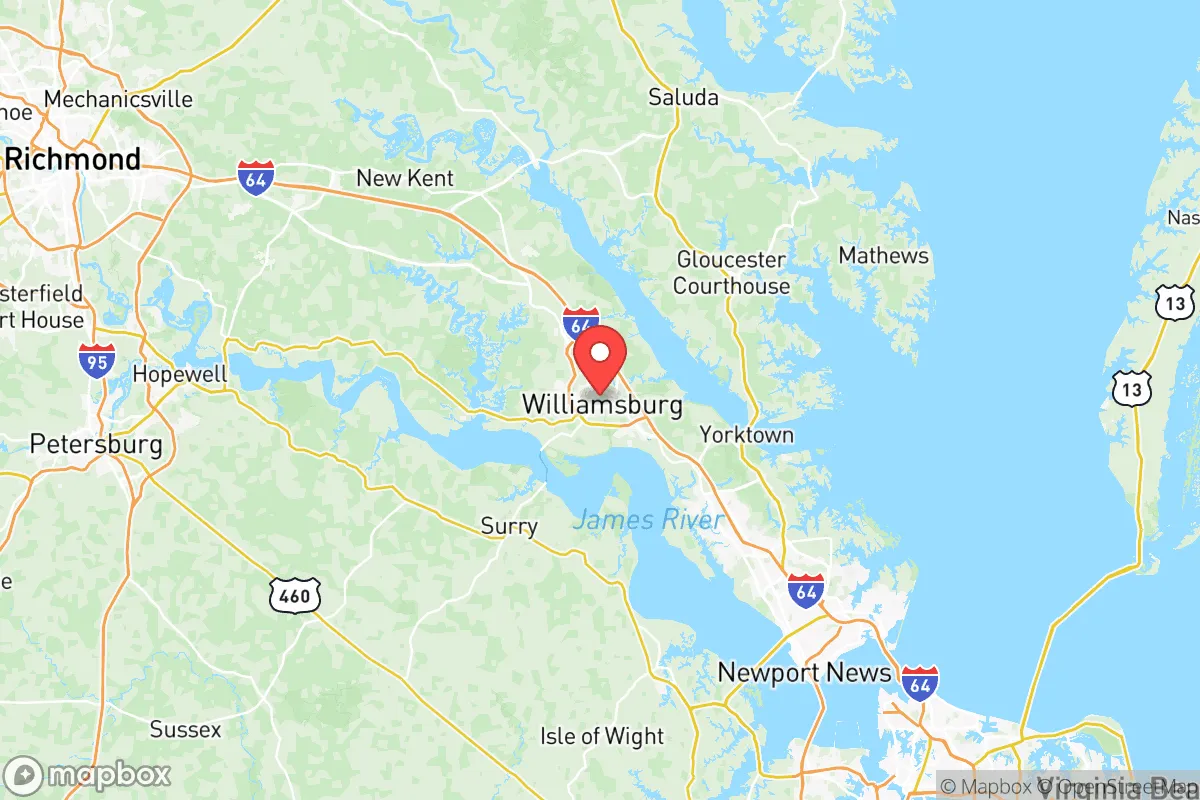
Williamsburg City County is a place where the past and present live side by side, but not in a stuffy, museum-piece way. It’s a small, tight-knit community of about 15,500 people, anchored by the College of William & Mary, where the median age of 24 gives the historic streets a youthful, energetic pulse. You’ll find a mix of college students, university faculty, and families who’ve settled into the quiet neighborhoods around town, all sharing a landscape of brick sidewalks, old-growth trees, and a pace of life that feels deliberate and unhurried.
The Daily Rhythm in a College Town
Life here moves to the academic calendar. The fall semester brings a surge of energy as students return to William & Mary, filling the coffee shops and the bars on Richmond Road. For residents, the rhythm is defined by short commutes—the average is just over 17 minutes—which means more time for a walk through Colonial Williamsburg’s historic area or a quick trip to the Williamsburg Farmers Market on a Saturday morning. The median income of $70,206 supports a comfortable lifestyle, though the cost of living index sits at 126, notably higher than the national average. That extra cost shows up in housing: the median home value is $393,200, which can feel steep for a city of this size, especially for young families or single professionals just starting out. Many locals shop at the Williamsburg Premium Outlets for deals or hit the Food Lion on Monticello Avenue for everyday groceries, but the real draw is the local scene—places like The Cheese Shop in Merchants Square for a sandwich and a glass of wine, or Precarious Beer Project for a craft brew and live music.
Sports, Community, and What People Actually Do
Sports here are a big deal, but not in the way you might expect from a larger city. The William & Mary Tribe is the heart of local athletics, and on a fall Saturday, Zable Stadium fills with students, alumni, and families for football games. The energy is genuine and community-driven—it’s the kind of place where you’ll see the same faces at every home game. High school sports are also a major social hub, with Lafayette High School and Jamestown High School drawing crowds for Friday-night football and basketball. Beyond the bleachers, weekends are spent on the Virginia Capital Trail, a paved path that runs from Williamsburg to Richmond, perfect for biking or a long run. The College Creek and James River offer kayaking and paddleboarding, and the Freedom Park trail system is a favorite for mountain bikers and hikers. For entertainment, the Kimball Theatre in Merchants Square shows indie films and hosts live performances, while the Williamsburg Botanical Garden offers a quiet escape. The annual Williamsburg Christmas Market and the Grand Illumination in early December are can’t-miss events that bring the whole community out into the cold, sipping hot cider and watching fireworks over the historic area.
Who Fits In—and Who Might Struggle
This is a place that works best for people who value education, history, and a slower pace. The 48.5% college-educated population means conversations often turn to books, travel, or local politics. It’s a good fit for families who want their kids in strong public schools—Waller Mill Elementary and Berkeley Middle School are well-regarded—and for retirees who enjoy the cultural amenities without the bustle of a bigger city. But the youthful median age of 24 also means a transient population; many residents are students who leave after graduation, which can make it hard to build deep, lasting friendships outside the university orbit. The violent crime rate of 210.4 per 100,000 is slightly above the national average, and while most incidents are concentrated near the campus and the commercial corridors on Richmond Road, it’s something to be aware of, especially for single women or families with teenagers. Locals will tell you that the biggest frustration is the summer humidity—it’s thick and unrelenting from June through August—and the way tourism swells the population, making it hard to get a table at popular spots like The Fat Canary or Blue Talon Bistro without a reservation.
Pros and Cons of Living in Williamsburg City County
- Pro: The short commute is a genuine quality-of-life win. You can live in the Kingsmill neighborhood or near the College of William & Mary and be at work in under 20 minutes, leaving more time for family or hobbies.
- Con: Housing is expensive relative to local incomes. The median home value of $393,200 means many renters or first-time buyers struggle to find affordable options, especially in the historic district or near campus.
- Pro: The cultural and historical amenities are world-class. Living in a place where you can walk to the Governor’s Palace or attend a lecture at the Phi Beta Kappa Memorial Hall is a unique perk.
- Con: The summer heat and humidity can be draining, and the tourist crowds from March through October make the historic area feel more like a theme park than a neighborhood.
- Pro: The sense of community is strong, especially around the schools and the university. You’ll know your neighbors, and the local Facebook groups are active with recommendations for plumbers, babysitters, and the best spots for crab cakes.
- Con: Job opportunities outside of education, healthcare, and tourism are limited. Many residents commute to Newport News or Hampton for work, which adds to the traffic on I-64 during rush hour.

* Values derived from national, state, county, city and local statistics and may differ in a specific area. Last updated: 2026-10-15T09:32:56.000Z
Narrative content on this page is AI-generated and may contain mistakes. Verify any details that matter before acting on them.
ReloMaps may earn a commission from affiliate links at no extra cost to you.

