Photo: Wikipedia
Demographics of Wahiawa, HI
Affluence Level in Wahiawa, HI
A middle-class area roughly in line with national averages across income, home values, education, and employment.
People of Wahiawa, HI
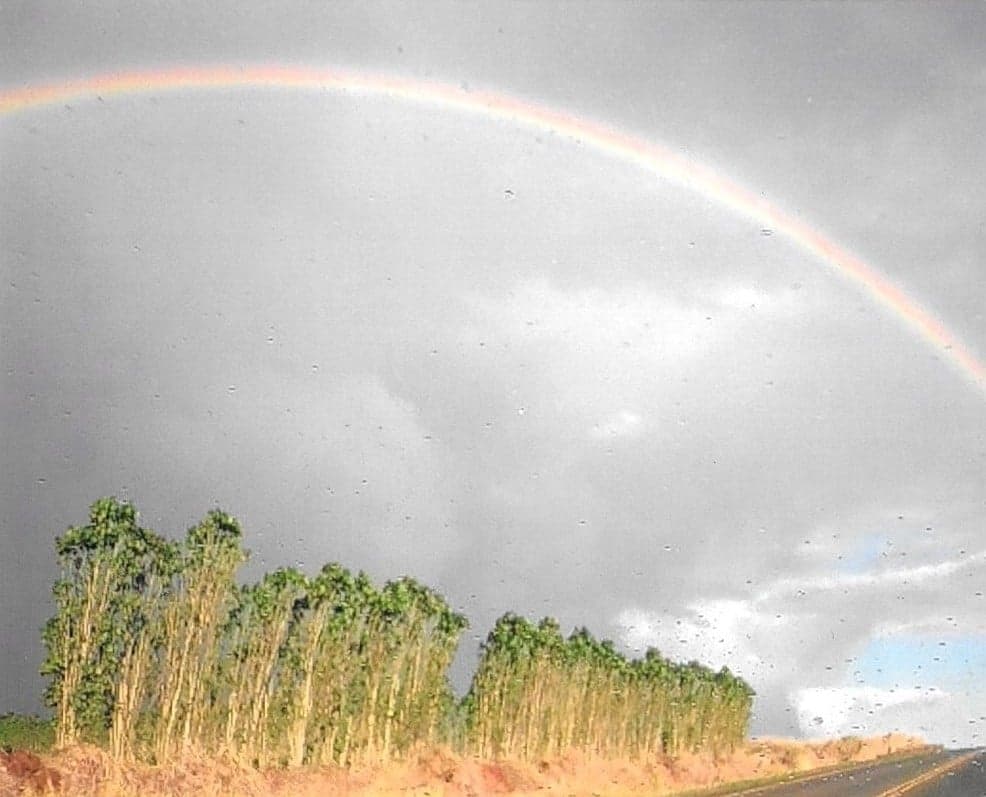
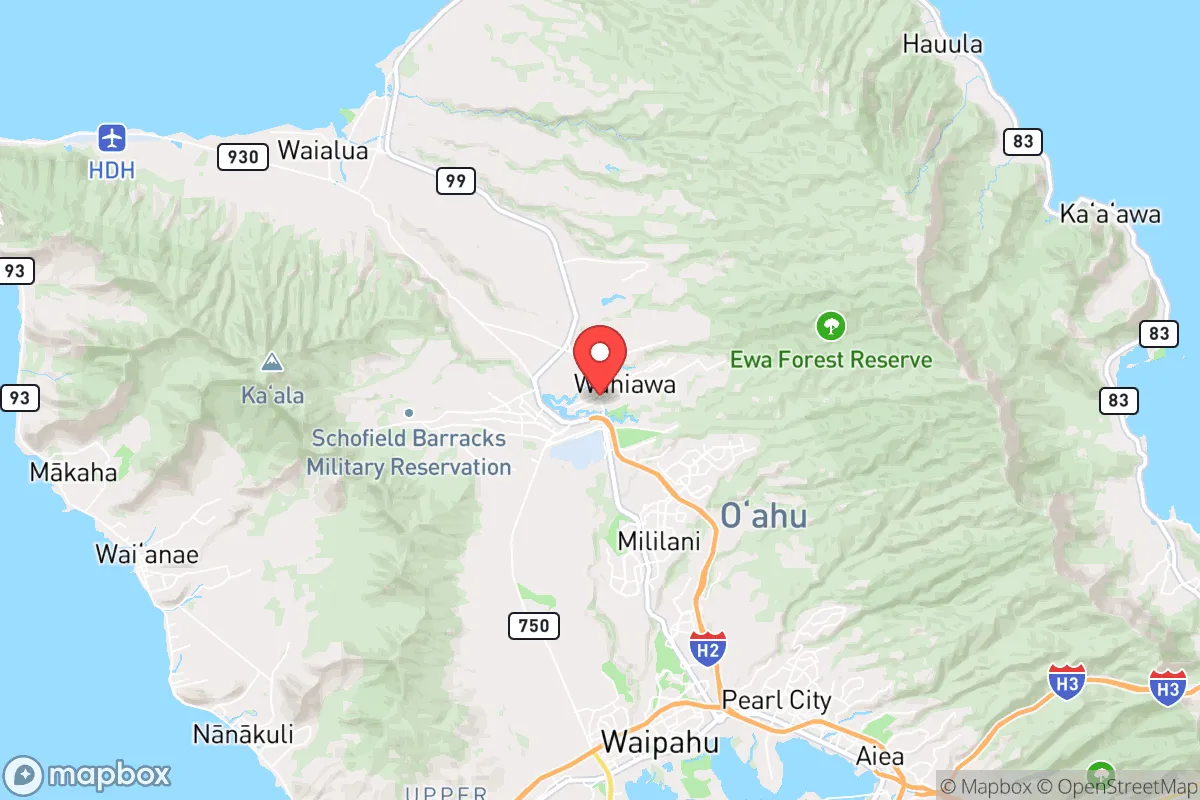
The people of Wahiawa, Hawaii, today form a dense, working-class community of 17,515 residents, distinguished by its majority East and Southeast Asian population (42.0%) and a significant Hispanic minority (14.2%). Located in central Oahu, the city is notably less affluent and less white than the island average, with only 10.1% of residents identifying as White and a college attainment rate of 23.9%. Its identity is shaped by a history of plantation labor and military service, creating a tight-knit, multiethnic character that feels distinct from Honolulu’s tourist corridors.
How the city was settled and grew
Wahiawa’s population history begins with the Hawaiian Kingdom’s land division system, but the city’s modern settlement was driven entirely by the sugar industry. In the late 19th and early 20th centuries, the Oahu Sugar Company and later the Waialua Agricultural Company established vast plantations in the central plain. To work the fields, plantation owners recruited waves of contract laborers from East Asia. The first major group were Japanese immigrants, who arrived in large numbers between 1885 and 1924, settling in what became known as Japanese Camp near the old mill site. They were followed by Chinese laborers, who concentrated in Chinese Camp along what is now California Avenue. Portuguese immigrants, recruited from Madeira and the Azores, formed a smaller but distinct enclave in Portuguese Camp, near the intersection of Kamehameha Highway and Kilani Avenue. These plantation camps were ethnically segregated by design, creating the neighborhood patterns that persist today. By the 1930s, Wahiawa was a company town of roughly 6,000 people, overwhelmingly Asian and Portuguese, with a small Native Hawaiian population living in the surrounding ahupuaʻa of Helemano and Waikakalaua.
Modern era (post-1965)
The 1965 Immigration and Nationality Act opened the door for new Asian immigration, but Wahiawa’s demographic shifts in the post-1965 era were driven more by domestic migration and military presence than by new foreign arrivals. The closure of the sugar plantations in the 1970s and 1980s displaced many workers, but the expansion of Schofield Barracks and Wheeler Army Airfield brought a steady influx of military families, many of whom were White or Black. Today, the city’s 2.6% Black population is concentrated in neighborhoods near the bases, such as Helemano Military Reservation and the rental housing along Wilikina Drive. The Hispanic population, now 14.2%, grew primarily through Puerto Rican and Mexican migration tied to military service and construction work, settling in Village Park and the newer subdivisions off Kamehameha Highway. The East and Southeast Asian population—42.0%—remains the largest group, but its composition has shifted: the original Japanese and Chinese communities have aged and partially dispersed, while newer Filipino immigrants have moved into Whitmore Village and the older plantation camps, drawn by family networks and lower housing costs. The foreign-born share is 8.6%, lower than the state average, reflecting the city’s character as a multi-generational, American-born community rather than a gateway for new immigrants.
The future
Wahiawa’s population is aging and slowly declining, with a median age above the state average and a birth rate that has not kept pace with out-migration to the mainland. The city is not homogenizing; rather, it is tribalizing along lines of ethnicity and military status. The East and Southeast Asian population is plateauing, as younger Japanese and Chinese families move to Kapolei or the mainland, while Filipino families remain anchored by strong community institutions like Wahiawa Hongwanji Mission and the Filipino Community Center. The Hispanic population is growing modestly, driven by births rather than immigration, and is increasingly concentrated in the newer subdivisions east of the city center. The White population, at 10.1%, is stable but aging, largely composed of retired military and federal employees. The Indian subcontinent population is effectively zero, and no significant growth is projected. Over the next 10-20 years, Wahiawa will likely become more Filipino and Hispanic, less Japanese and Chinese, and remain a predominantly working-class, military-adjacent community with a distinct local identity.
For someone moving in now, Wahiawa offers a dense, affordable, and ethnically defined community where neighborhood identity still matters—a place where the plantation-era camp names are still used by locals, and where the military base shapes daily life. It is not a place of rapid change or new arrivals, but of slow demographic drift and deep-rooted social networks.

* Values derived from national, state, county, city and local statistics and may differ in a specific area. Last updated: 2026-04-24T13:20:22.000Z
Narrative content on this page is AI-generated and may contain mistakes. Verify any details that matter before acting on them.
ReloMaps may earn a commission from affiliate links at no extra cost to you.

