
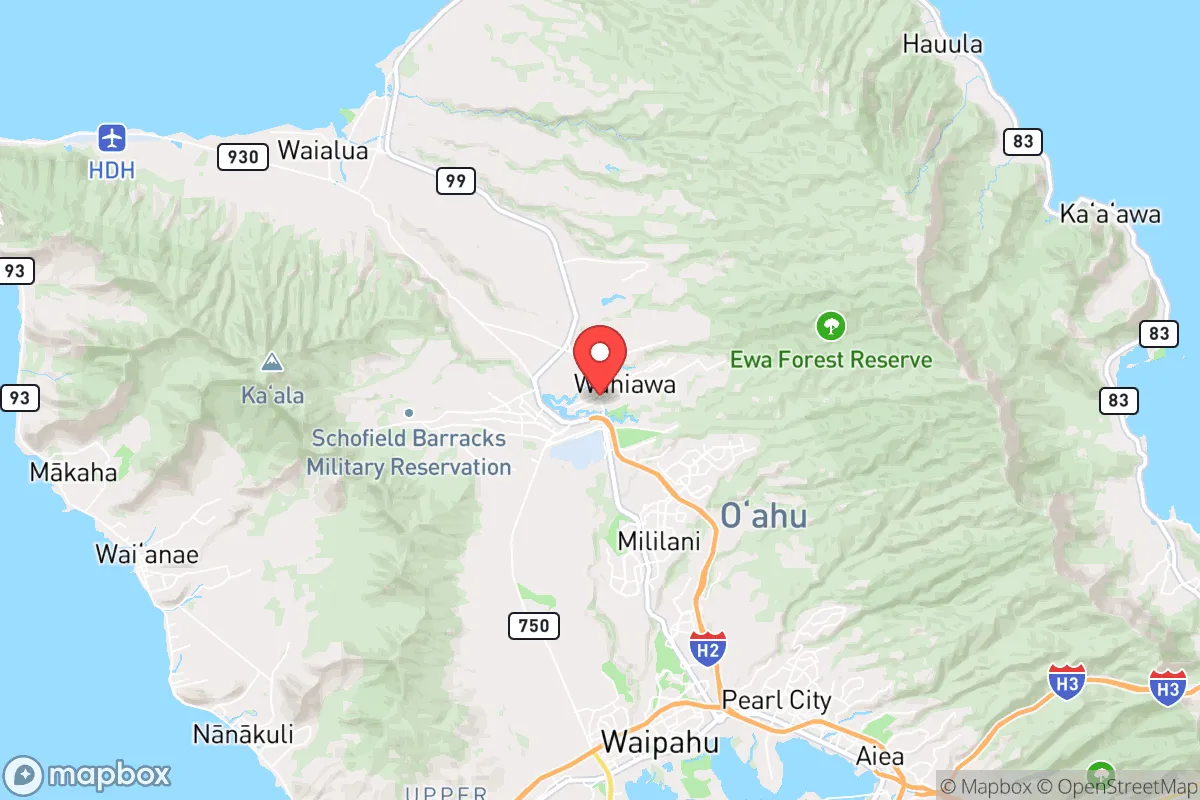
Photo: Wikipedia
Quality of Life in Wahiawa, HI
A high quality of life with strong walkability, manageable living costs, healthy neighborhood signals, and solid amenity access.
What does Quality of Life tell us?
Quality of Life blends cost of living, nearby amenities, socioeconomic signals, and neighborhood character. City-level scores represent the whole municipality; individual neighborhoods can differ.
What does this tell us?
Quality of Life blends cost of living, nearby amenities, socioeconomic signals, and neighborhood character. City-level scores represent the whole municipality; individual neighborhoods can differ.
Cost of Living
76% above national average
The Real Cost of Living in Wahiawa, HI for 2026
| Tier | Individual | Family (4) |
|---|---|---|
| Survival | $23k | $43k |
| Comfortable | $98k | $144k |
| Luxury | $143k+ | $222k+ |
| Elite (Top 5%) | $169k+ | $262k+ |
60%
The Area Signal
A metric tracking the socioeconomic signals of the area.
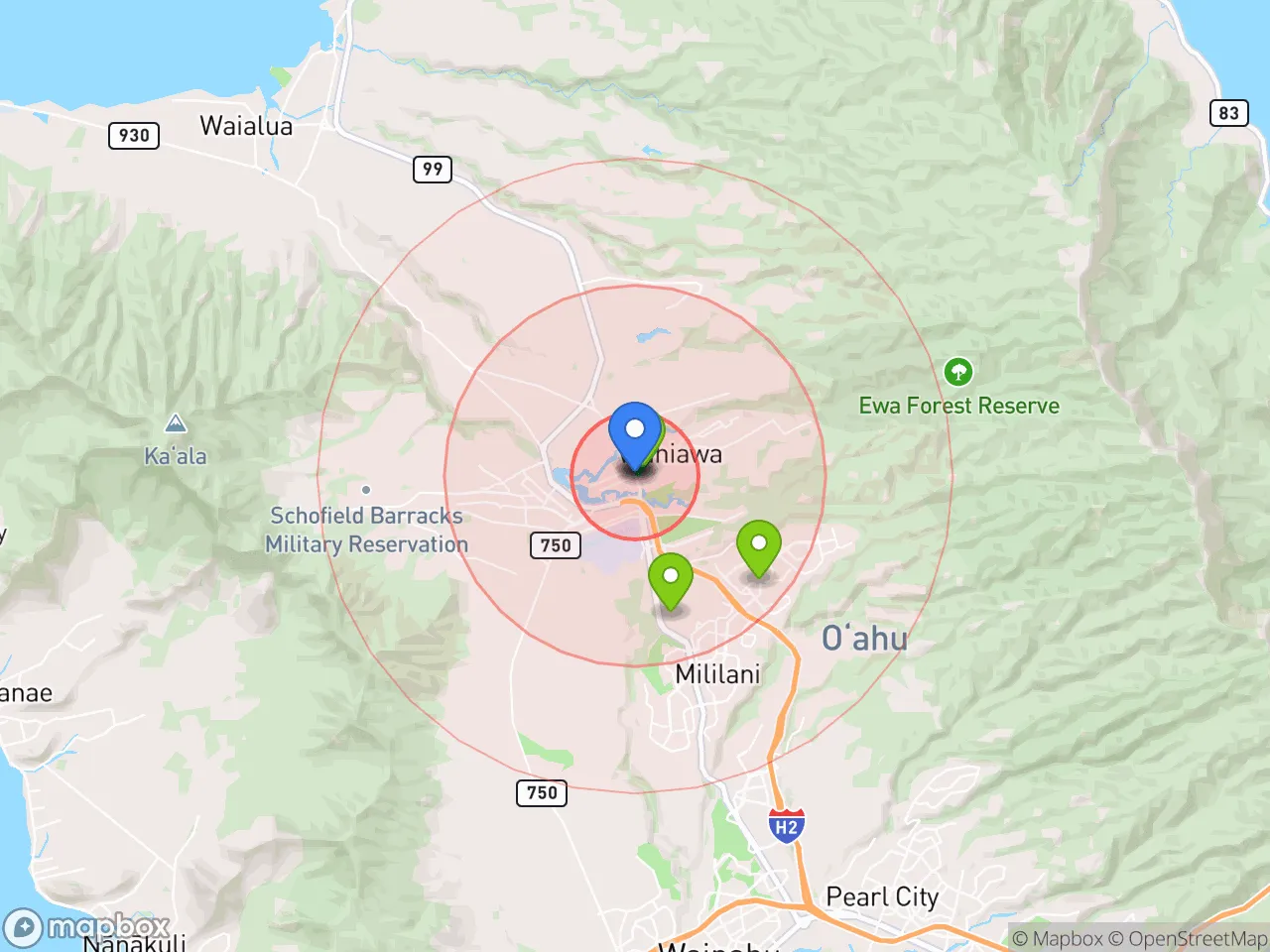
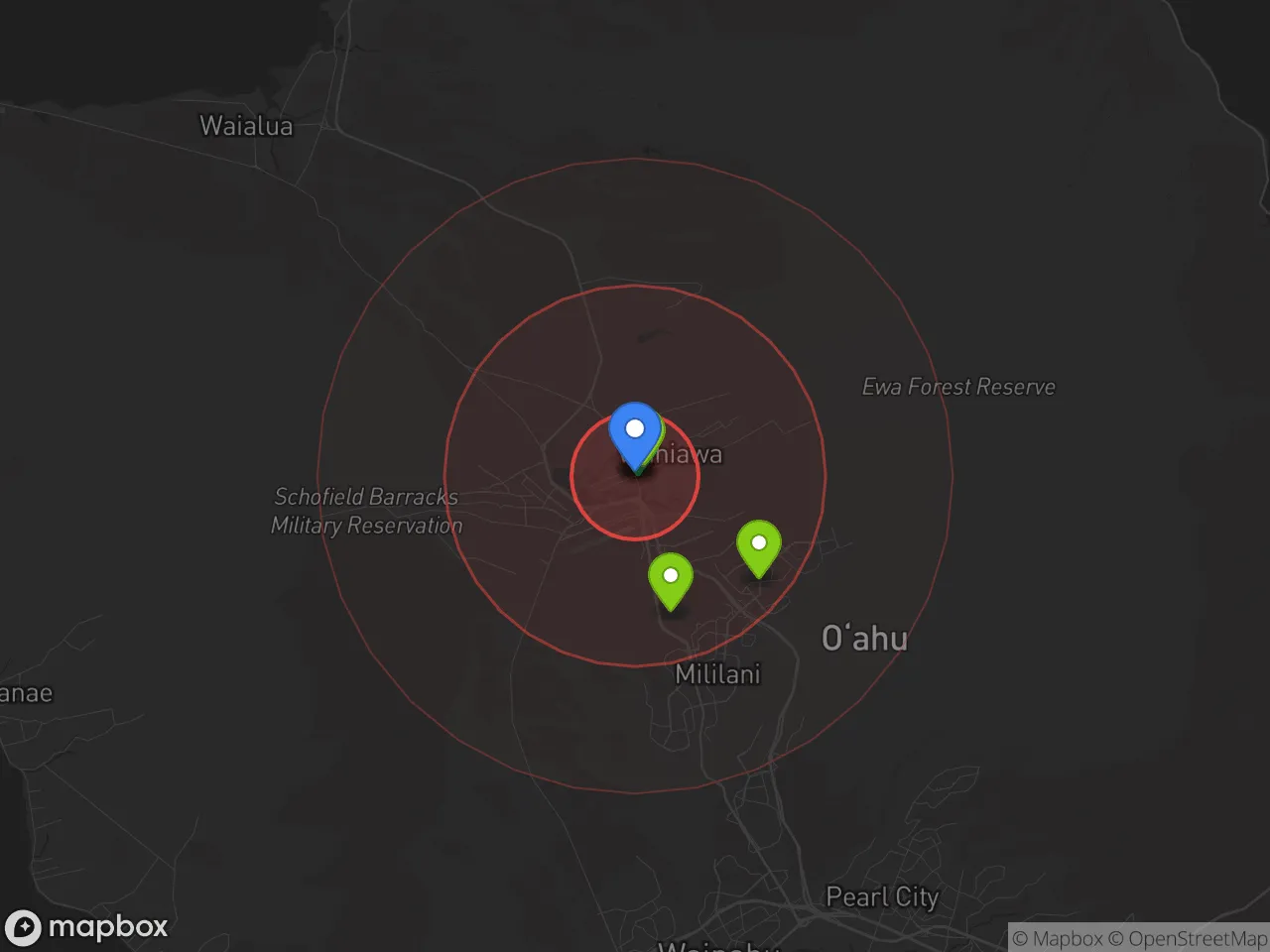
Hobbies
Explore the areaGroceries
4 within 10 miles
Gas
20 within 10 miles
Hospital
16 within 20 miles
Airport
Daniel K. Inouye International Airport
Post Office
USPS — Mililani, HI
Critical Amenities
Quality-of-Life Analysis
Wahiawa presents a distinctive quality-of-life profile within Oahu, blending a middle-class, family-oriented community with the high costs inherent to island living. With a cost of living index of 176 (76% above the U.S. average), the area is notably less affluent than nearby Honolulu or the North Shore, attracting a demographic of military families, local government workers, and long-term residents who prioritize community stability and central access over beachfront luxury. The population is predominantly Asian and Pacific Islander, reflecting a deep-rooted local culture that values neighborliness and outdoor recreation.
Cost of living, housing, and affordability compared to Honolulu and the North Shore
Wahiawa offers a relative affordability advantage within Oahu’s inflated market, though it remains expensive by mainland standards. The median home value of $716,800 is significantly lower than Honolulu’s median (often exceeding $1 million) and the North Shore’s premium coastal properties, making it one of the more attainable entry points for single-family homeownership on the island. Median rent sits at $1,443, which is below the Oahu average of roughly $1,800, appealing to renters who need more space for their dollar. However, the average commute of 33.2 minutes is a key trade-off: many residents drive the H2 freeway into Honolulu or to Schofield Barracks, and traffic congestion is a daily reality. Utility costs and grocery prices are elevated due to island import logistics, further straining household budgets despite the lower housing base.
Schools, amenities, and what daily life feels like in central Oahu
Daily life in Wahiawa revolves around a slower, more local rhythm than Honolulu’s urban core. The area is anchored by Schofield Barracks and Wheeler Army Airfield, giving the town a strong military presence that shapes its economy and social fabric. Public schools, such as Wahiawa Elementary and Leilehua High School, serve the community with average-to-slightly-below-average ratings compared to state benchmarks, though private options like Trinity Christian School exist. Amenities are practical rather than luxurious: the Wahiawa Shopping Center and nearby Mililani Town provide grocery stores, restaurants, and retail, while the Wahiawa Botanical Garden and Lake Wilson (Wahiawa Reservoir) offer green spaces for walking, fishing, and kayaking. The town lacks the nightlife of Waikiki but compensates with easy access to North Shore beaches (20 minutes north) and Pearl Harbor (20 minutes south), making it a functional base for outdoor enthusiasts and commuters alike.
Wahiawa is best suited for those who value affordability, community stability, and central Oahu access over prestige or luxury. Military personnel and their families will find the proximity to Schofield Barracks and the lower housing costs particularly appealing. Families seeking a quieter, more local environment than Honolulu, and who can tolerate a 30-minute commute for work or entertainment, will also thrive here. The area’s strong sense of local identity and slower pace make it less ideal for young professionals seeking urban energy or tourists, but for those prioritizing space, community, and a central launchpad for island exploration, Wahiawa offers a grounded, practical quality of life.

Crime in Wahiawa, HI
Generally safer than 64% of comparable U.S. locations.
Violent CrimeViolent Crime Analysis
Property CrimeProperty Crime Analysis
Crime Analysis
Wahiawa, a central Oahu community situated between the island's North Shore and Honolulu, presents a mixed safety picture that requires careful consideration. While its violent crime rate of 200.2 per 100,000 residents is notably lower than the national average, its property crime rate of 1,586.9 per 100,000 is significantly higher, placing it above both state and national benchmarks. This combination of relatively low violent crime but elevated property crime is a pattern seen in many communities within large metro areas, where progressive judicial policies can inadvertently contribute to higher recidivism and a greater number of offenders on the street.
Crime in context
To understand Wahiawa's safety, it is essential to compare its rates to broader averages. The national violent crime rate is roughly 380 per 100,000, meaning Wahiawa's rate of 200.2 is about 47% lower. However, the national property crime rate sits near 1,950 per 100,000, making Wahiawa's 1,586.9 figure about 19% lower than the national average but still elevated compared to many safer suburban communities. Within Hawaii, Wahiawa's property crime rate is higher than the state average of approximately 2,500 per 100,000, but this is partly because the state figure is inflated by Honolulu's urban core. The real concern for residents is the persistent property crime, which is often linked to repeat offenders cycling through a justice system that, in many parts of the state, prioritizes rehabilitation over incarceration. This approach, while sympathetic to offenders, can leave victims feeling underserved and public safety compromised.
What residents experience
Daily life in Wahiawa is shaped by this property crime reality. Residents commonly report vehicle break-ins, package thefts, and occasional burglaries, particularly in areas near the town center and along the Kamehameha Highway corridor. The presence of Schofield Barracks and Wheeler Army Airfield brings a large military population, which can create transient pockets where crime is more opportunistic. While violent confrontations are rare, the perception of safety is often lower than the statistics suggest due to visible signs of property crime, such as broken car windows and graffiti. The community's strong sense of local identity and neighborhood watch efforts do help, but the underlying issue of property crime persists, fueled by a justice system that some argue is too lenient on repeat offenders.
Neighborhood-level variation is notable. Areas closer to the military bases, such as the housing around Schofield Barracks, tend to have lower crime rates due to military police presence and controlled access. In contrast, older residential streets near the Wahiawa town center, particularly around California Avenue and Kilani Avenue, see higher rates of property crime. The area around the Wahiawa Shopping Center and the bus transit hub also experiences more theft and vandalism. For those considering a move, choosing a home in a quieter, more established residential pocket away from main thoroughfares can significantly reduce exposure to property crime, though the broader challenges of a progressive metro-area justice system remain a factor for the entire community.
* Values derived from national, state, county, city and local statistics and may differ in a specific area. Last updated: 2026-04-24T13:20:22.000Z
Narrative content on this page is AI-generated and may contain mistakes. Verify any details that matter before acting on them.
ReloMaps may earn a commission from affiliate links at no extra cost to you.

