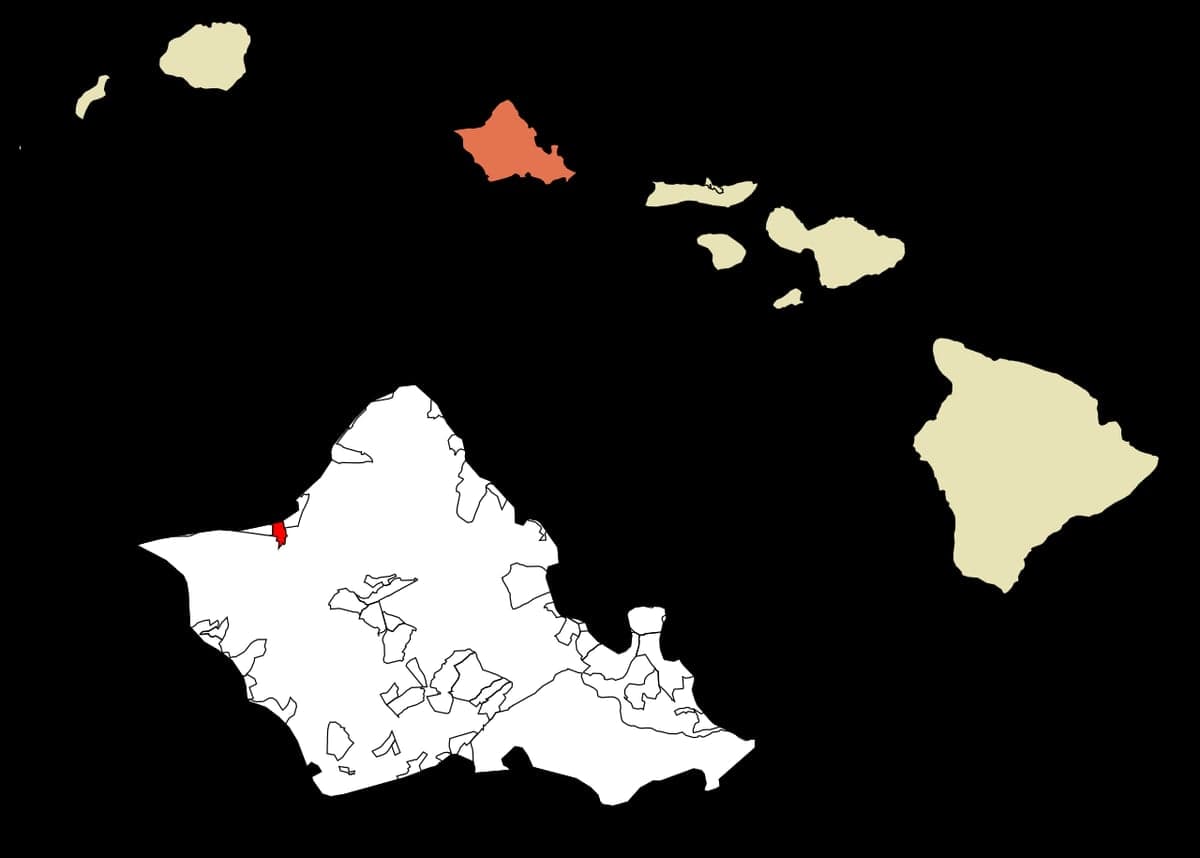
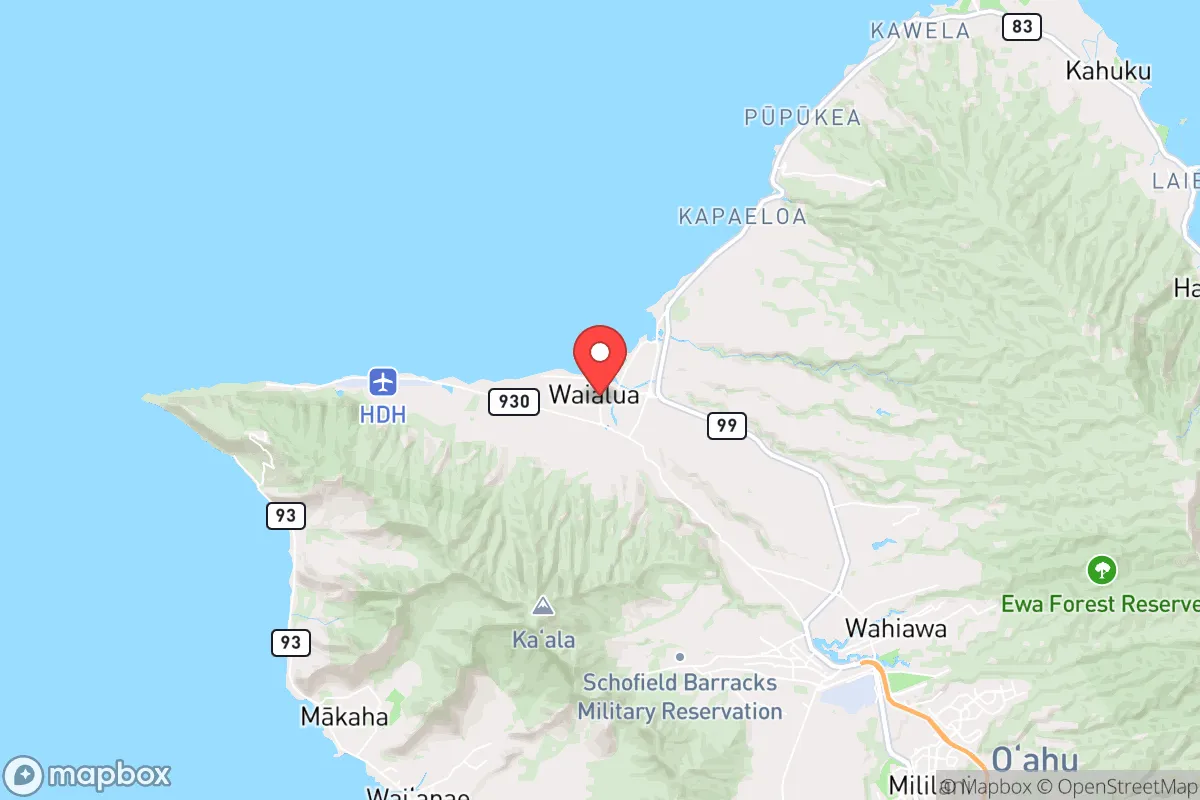
Photo: Wikipedia
Find The Best Places To Live
in Waialua
PRO TIP! You can paste a Zillow or Redfin link to get info on that property.
What It's Like Living in Waialua, HI
Waialua feels less like a tourist postcard and more like the Hawaii that locals actually live in — a quiet, sunbaked plantation town on Oahu’s North Shore where the pace slows to a crawl and the main drag still has a general store that sells shave ice. With just over 3,000 residents, it’s the kind of place where you wave at the same people at the post office, where the weekend rhythm is dictated by surf conditions and high school football games, and where the cost of living hits hard even for those earning a solid six-figure income. If you’re looking for a genuine community that values privacy, land, and a deep connection to the ocean, Waialua might fit — but it demands a willingness to trade convenience and nightlife for space and quiet.
The Daily Rhythm: Slow Mornings, Long Commutes, and Weekend Projects
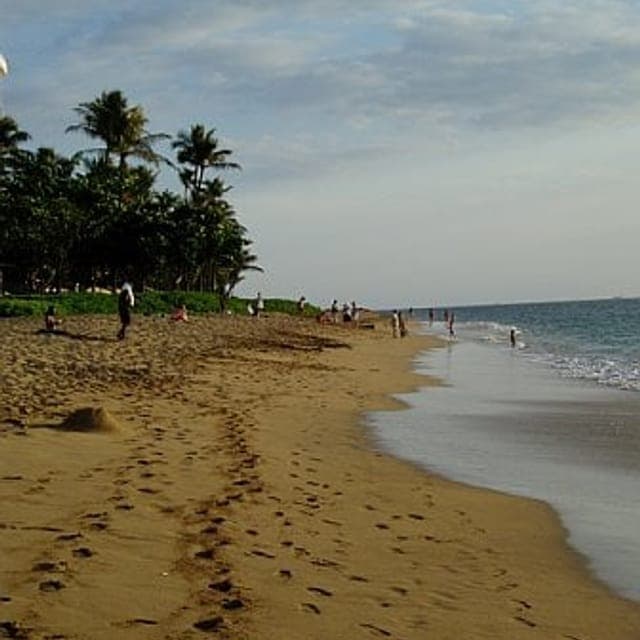
Life in Waialua revolves around the land and the water. Mornings often start with a coffee at Coffee Gallery or a quick stop at Waialua General Store for a plate lunch before heading out. The median age here is 47.8, which skews older than the rest of the island — you’ll see more retirees and remote workers than young families or college students. Weekends are for yard work, beach trips to Waialua Beach Park or Kaiaka Bay, and hitting the Waialua Farmers Market for local produce and fresh-baked goods. The median household income of $84,656 is decent by national standards, but with a cost of living index of 222 — more than double the U.S. average — that money doesn’t stretch far. Most residents own their homes (median value $942,300) and spend their free time maintaining them, gardening, or fixing up old trucks. The average commute is 27 minutes, but that’s a best-case scenario: getting to Honolulu or Waikiki can easily balloon to an hour each way, and traffic on the H-2 is a daily grind for anyone working in town.
Sports, Community, and the North Shore Identity
High school sports are a genuine social anchor here. Waialua High School fields teams in football, volleyball, and surfing — yes, surfing is a varsity sport — and Friday night games at the school’s field draw the whole town. There’s no pro team on the North Shore, but the University of Hawaii Rainbow Warriors football and basketball games in Honolulu are a regular weekend trip for die-hard fans. The real athletic culture, though, is in the water: the North Shore’s legendary winter swells bring surfers from around the world, and locals treat the lineup at Waimea Bay and Pipeline with a mix of reverence and territorial pride. If you don’t surf, you’ll still find yourself at the beach — fishing, paddling, or just watching the waves. The community’s identity is deeply tied to the ocean, and newcomers who don’t respect that rhythm often feel out of place.
What’s There to Do: Quiet Evenings and Local Festivals
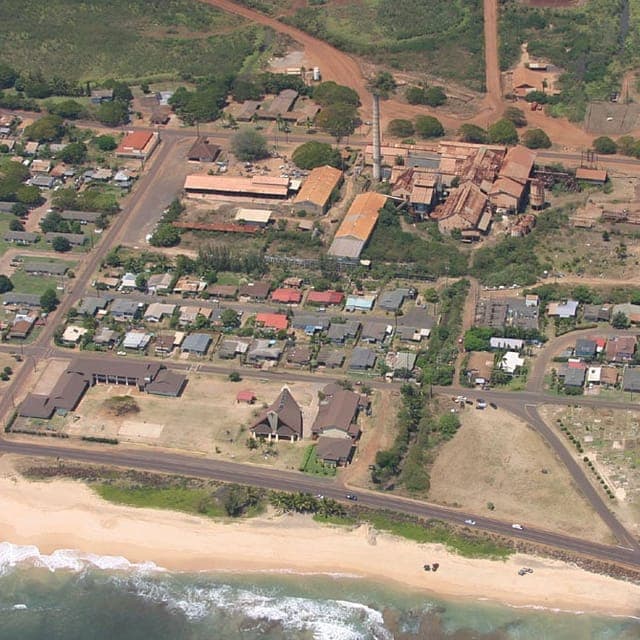
Entertainment is low-key and community-driven. The Waialua Sugar Mill — a historic plantation site — now hosts a small collection of shops, a coffee roaster, and the occasional art fair. The North Shore Country Market on weekends is a social hub where you can buy handmade jewelry, local honey, and listen to live Hawaiian music. For a proper night out, most people drive 15 minutes to Haleiwa for dinner at Haleiwa Joe’s or a beer at Breaker’s Bar & Grill. The big annual events are the Waialua High School Ho‘olaule‘a (a school carnival with food booths and live music) and the North Shore Christmas Parade, which shuts down the main road and feels like a small-town time capsule. There’s no movie theater, no bowling alley, and no mall — entertainment here means potlucks, bonfires, and sunset drives along the coast.
Pros and Cons of Living in Waialua
The upsides are real: genuine community feel where neighbors know each other, unmatched access to world-class beaches without the tourist crowds of Waikiki, and a slower, more intentional pace of life that’s hard to find anywhere else on Oahu. The downsides hit just as hard. Violent crime here is 215 per 100,000 residents — higher than the national average of about 230, but property crime (especially car break-ins at beach parking lots) is a persistent annoyance. The cost of living is brutal: groceries, gas, and utilities all run 30-50% above mainland prices, and finding a rental under $2,500 a month is nearly impossible. Schools are a mixed bag — Waialua Elementary and High School are small and community-oriented, but test scores lag behind the rest of the state, and many parents opt for private schools in Honolulu or Haleiwa. Weather is consistently warm (75-85°F year-round) but humid, with a rainy season from November to March that can turn dirt roads into mud pits. The biggest frustration for longtime residents? Traffic and development pressure — the North Shore is getting discovered, and with it come more vacation rentals, higher prices, and longer lines at the grocery store.

Similar small towns to Waialua
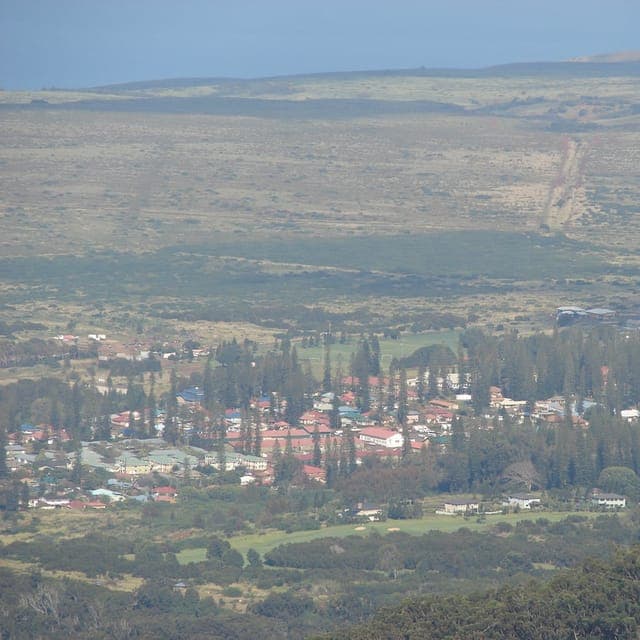

* Values derived from national, state, county, city and local statistics and may differ in a specific area. Last updated: 2026-05-15T21:53:46.000Z
Narrative content on this page is AI-generated and may contain mistakes. Verify any details that matter before acting on them.
ReloMaps may earn a commission from affiliate links at no extra cost to you.

