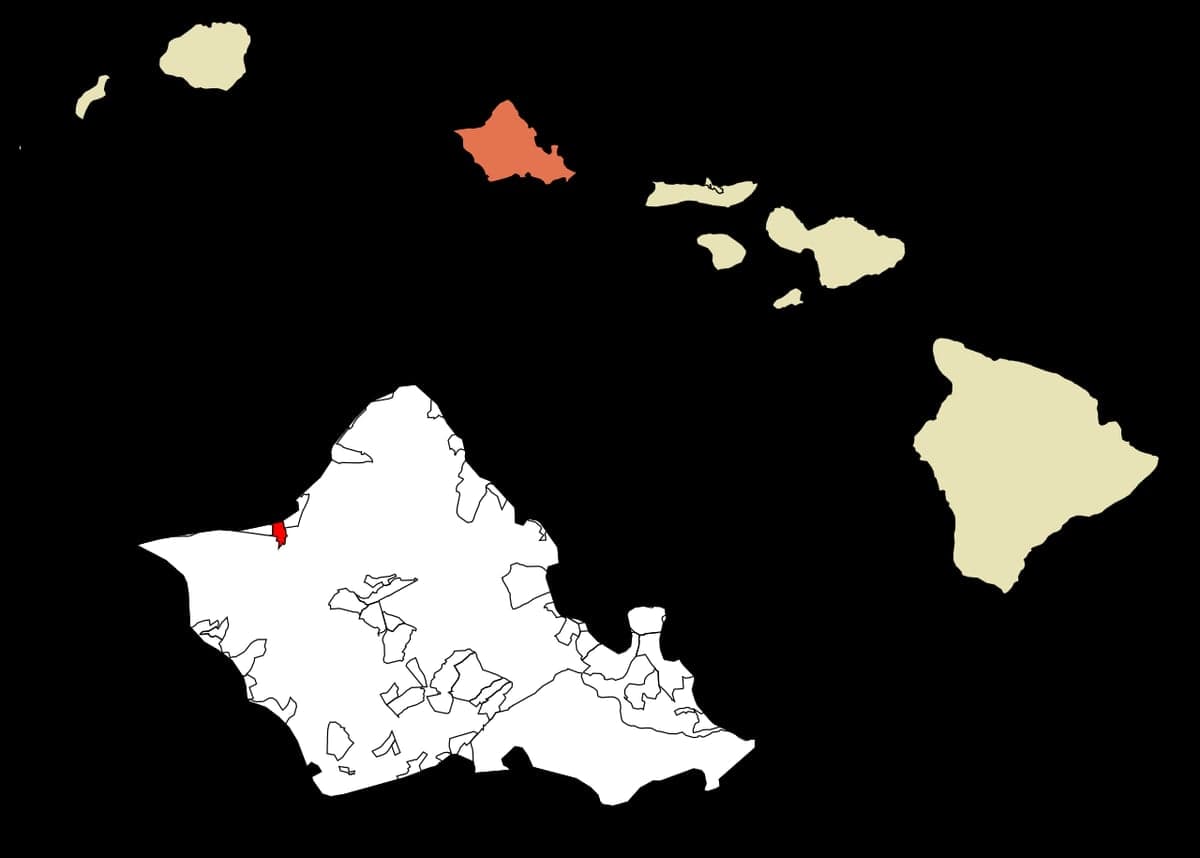
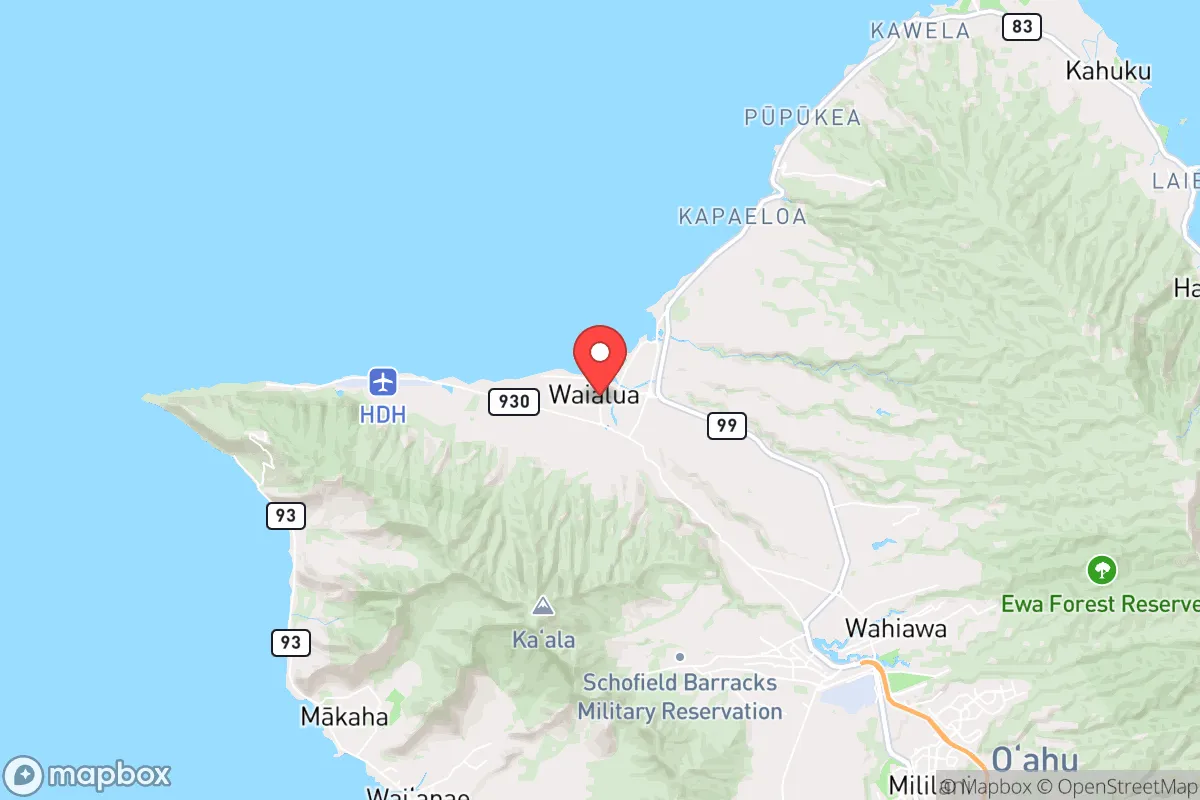
Photo: Wikipedia
Quality of Life in Waialua, HI
A high quality of life with strong walkability, manageable living costs, healthy neighborhood signals, and solid amenity access.
What does Quality of Life tell us?
Quality of Life blends cost of living, nearby amenities, socioeconomic signals, and neighborhood character. City-level scores represent the whole municipality; individual neighborhoods can differ.
What does this tell us?
Quality of Life blends cost of living, nearby amenities, socioeconomic signals, and neighborhood character. City-level scores represent the whole municipality; individual neighborhoods can differ.
Cost of Living
122% above national average
The Real Cost of Living in Waialua, HI for 2026
| Tier | Individual | Family (4) |
|---|---|---|
| Survival | $27k | $51k |
| Comfortable | $95k | $139k |
| Luxury | $139k+ | $215k+ |
| Elite (Top 5%) | $163k+ | $253k+ |
61%
The Area Signal
A metric tracking the socioeconomic signals of the area.
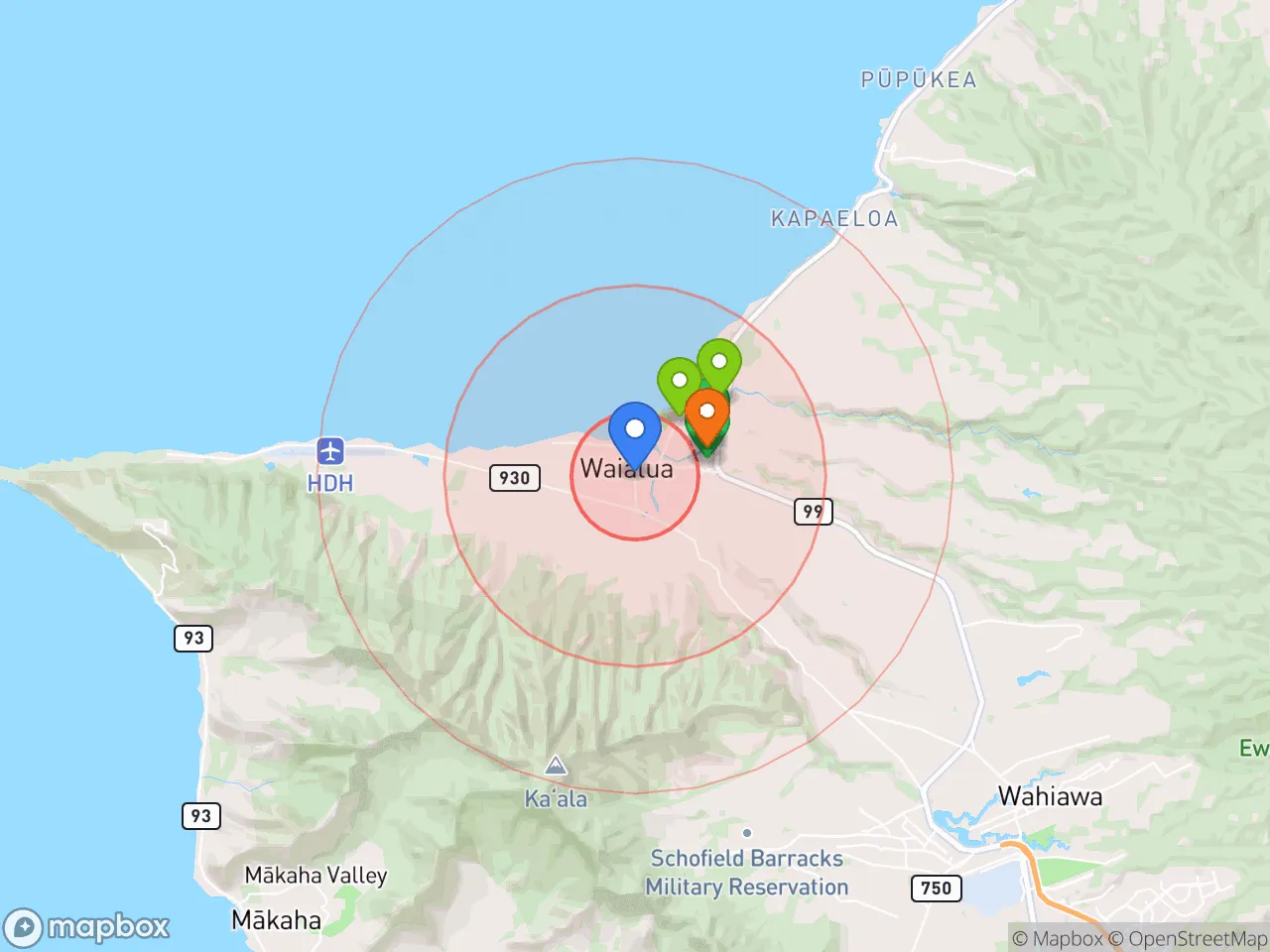
Hobbies
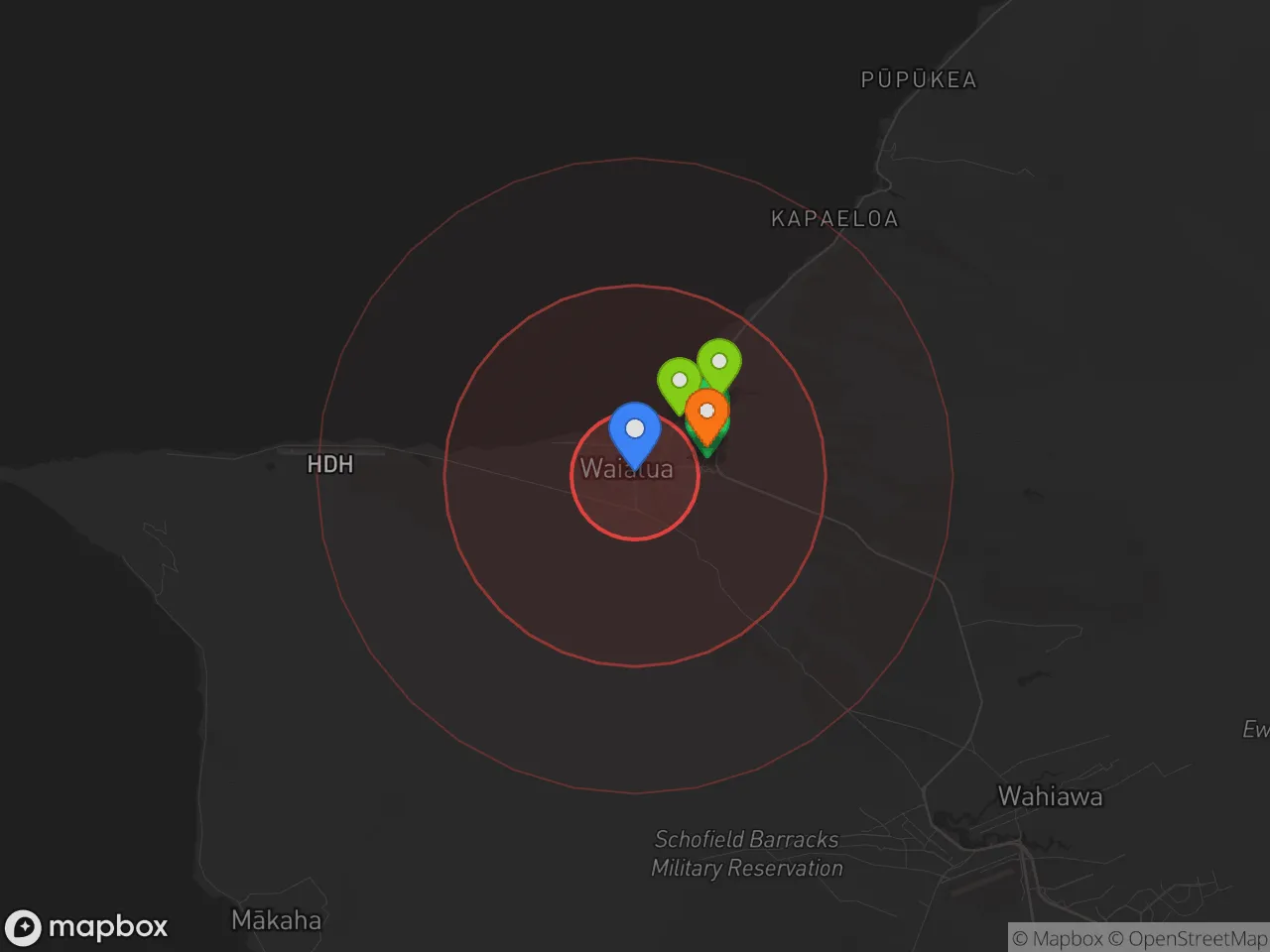
Explore the areaGroceries
0 within 10 miles
Gas
10 within 10 miles
Hospital
7 within 20 miles
Airport
Daniel K. Inouye International Airport
Post Office
USPS — Mililani, HI
Critical Amenities
Quality-of-Life Analysis
Waialua, on Oahu’s North Shore, is an affluent rural enclave where the median home value of $942,300 and a cost-of-living index of 222 (more than double the U.S. average) attract established professionals, remote workers, and multi-generational farming families. The area’s population skews older and more settled than nearby Haleiwa, with a quiet, landowner-oriented character shaped by its plantation history and working agricultural roots. Residents tend to value privacy, space, and a slower pace over the surf-centric buzz found just a few miles east.
Cost of living, housing, and affordability compared to Haleiwa and Honolulu
Waialua’s cost-of-living index of 222 reflects housing costs that are among the highest on Oahu’s North Shore, though still slightly below the most expensive beachfront sections of Haleiwa. The median home value of $942,300 is roughly 15% higher than the Oahu median, driven by large lots and single-family homes on former sugar plantation land. Median rent of $1,707 is notably lower than Honolulu’s median of $2,200, but rental inventory is extremely tight—fewer than 5% of units are available at any given time. The average commute of 27 minutes to Honolulu via the H-2 freeway is manageable for a rural area, though traffic on Kamehameha Highway can add 10–15 minutes during peak hours. For buyers, property taxes remain relatively low at about 0.35% of assessed value, but insurance costs for wind and flood coverage can add $3,000–$5,000 annually. Compared to nearby Haleiwa, Waialua offers more square footage per dollar and larger yards, making it a practical choice for families who want North Shore access without the premium attached to surf-facing addresses.
Schools, daily amenities, and the rhythm of life in Waialua
Daily life in Waialua revolves around a compact commercial core anchored by the historic Waialua Sugar Mill, which now houses a coffee roaster, a general store, and a small farmers market. The area has no major grocery store—residents drive 10 minutes to Haleiwa for Foodland or 20 minutes to Mililani for Safeway. Public schools are limited: Waialua Elementary and Waialua High & Intermediate School serve the community, with the high school graduating about 100 students per year and offering a strong agricultural technology program. For private education, families often commute to Punahou or ‘Iolani in Honolulu, a 45-minute drive. Healthcare amenities are sparse; the nearest urgent care is in Haleiwa, and full-service hospitals are in Wahiawa (20 minutes) or Honolulu (35 minutes). The rhythm of life is dictated by the sun and the seasons—weekends fill with beach time at Kaiaka Bay or surfing at nearby Laniakea, while weekday mornings see a steady trickle of commuters heading south. The Waialua Community Association organizes monthly events like the “Waialua First Friday” market, but the area lacks the restaurant and nightlife density of Haleiwa or Kailua.
Waialua is best suited for buyers and renters who prioritize space, quiet, and agricultural character over walkability and urban amenities. Remote workers with stable mainland incomes, families seeking larger homes on quarter-acre lots, and retirees who value a tight-knit, land-based community will find the trade-offs worthwhile. Those who need frequent dining-out options, top-tier public schools, or a short commute to downtown Honolulu should look instead at Mililani or Kailua. For the right household, Waialua offers a rare combination of North Shore access, historic charm, and genuine rural living at a price point that, while high, still undercuts the most coveted beachfront neighborhoods.

Crime in Waialua, HI
Generally safer than 62% of comparable U.S. locations.
Violent CrimeViolent Crime Analysis
Property CrimeProperty Crime Analysis
Crime Analysis
Waialua, on Oahu's North Shore, presents a mixed safety profile. The town's violent crime rate of 215 incidents per 100,000 residents is notably lower than the national average, but its property crime rate of 1,680 per 100,000 is significantly higher, reflecting a common pattern in rural-adjacent communities near a major metro area. The overall safety picture is heavily influenced by Waialua's proximity to Honolulu and the broader Honolulu County justice system, which operates under a progressive prosecutorial philosophy that prioritizes diversion and rehabilitation over incarceration.
Crime in context
Waialua's violent crime rate of 215 per 100,000 is roughly 40% below the national average of about 380 per 100,000, making it safer than many mainland communities of similar size. However, the property crime rate of 1,680 per 100,000 is roughly 20% above the national average of about 1,400 per 100,000. This disparity is typical for rural towns adjacent to a major metro area like Honolulu, where property crime—particularly theft from vehicles and break-ins—is driven by transient offenders. The Honolulu County District Attorney's office has adopted progressive policies, including reduced bail requirements and expanded pretrial release programs, which critics argue have contributed to a revolving-door effect for property crime offenders. This means that while violent crime is relatively rare, residents face a persistent risk of theft and vandalism that may not be adequately deterred by the justice system.
What residents experience
Daily life in Waialua involves a heightened awareness of property security. Residents commonly report thefts from unlocked vehicles, package theft from porches, and occasional burglaries of sheds and garages. The town's rural character—with many homes set back from the road and limited street lighting—creates opportunities for property crime. Violent crime is uncommon and typically confined to domestic disputes or isolated incidents, rarely affecting the general public. The progressive judicial approach in Honolulu County means that many property crime offenders face minimal consequences, with diversion programs and plea deals often resulting in no jail time for first-time or low-level offenders. This has led to frustration among residents who feel the system prioritizes offender rehabilitation over victim restitution and public safety.
Neighborhood-level variation in Waialua is modest but notable. The older plantation-era homes near the historic sugar mill and along Farrington Highway experience slightly higher rates of property crime due to easier access and foot traffic. In contrast, the newer subdivisions inland, such as those along Kaukonahua Road, tend to have lower crime rates, benefiting from more private driveways and community watch efforts. The area around Waialua Beach Park and the nearby Haleiwa town center sees elevated theft from vehicles, particularly during tourist season. Overall, Waialua offers a relatively safe environment for violent crime, but residents must remain vigilant against property crime in a system that does not always hold offenders accountable.
* Values derived from national, state, county, city and local statistics and may differ in a specific area. Last updated: 2026-05-15T21:53:46.000Z
Narrative content on this page is AI-generated and may contain mistakes. Verify any details that matter before acting on them.
ReloMaps may earn a commission from affiliate links at no extra cost to you.

