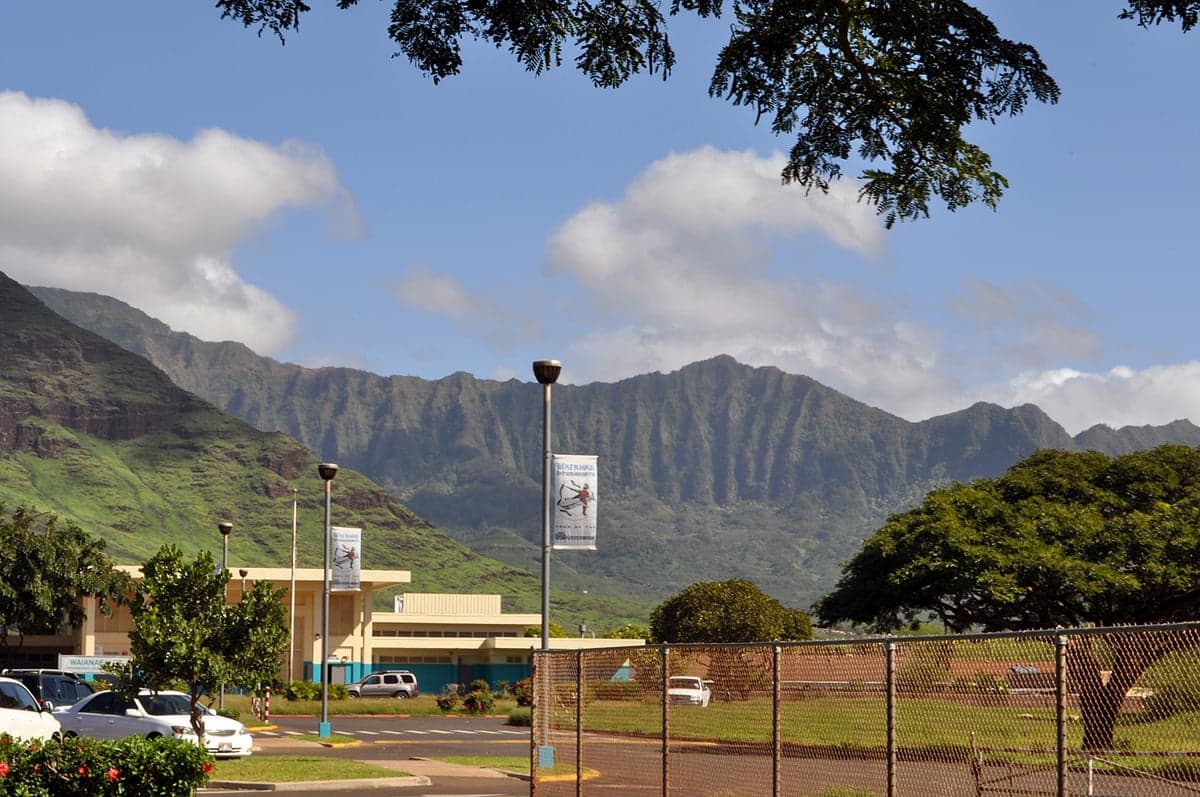
Photo: Wikipedia
Quality of Life in Waianae, HI
A high quality of life with strong walkability, manageable living costs, healthy neighborhood signals, and solid amenity access.
What does Quality of Life tell us?
Quality of Life blends cost of living, nearby amenities, socioeconomic signals, and neighborhood character. City-level scores represent the whole municipality; individual neighborhoods can differ.
What does this tell us?
Quality of Life blends cost of living, nearby amenities, socioeconomic signals, and neighborhood character. City-level scores represent the whole municipality; individual neighborhoods can differ.
Cost of Living
37% above national average
The Real Cost of Living in Waianae, HI for 2026
| Tier | Individual | Family (4) |
|---|---|---|
| Survival | $21k | $39k |
| Comfortable | $95k | $139k |
| Luxury | $142k+ | $220k+ |
| Elite (Top 5%) | $167k+ | $259k+ |
61%
The Area Signal
A metric tracking the socioeconomic signals of the area.
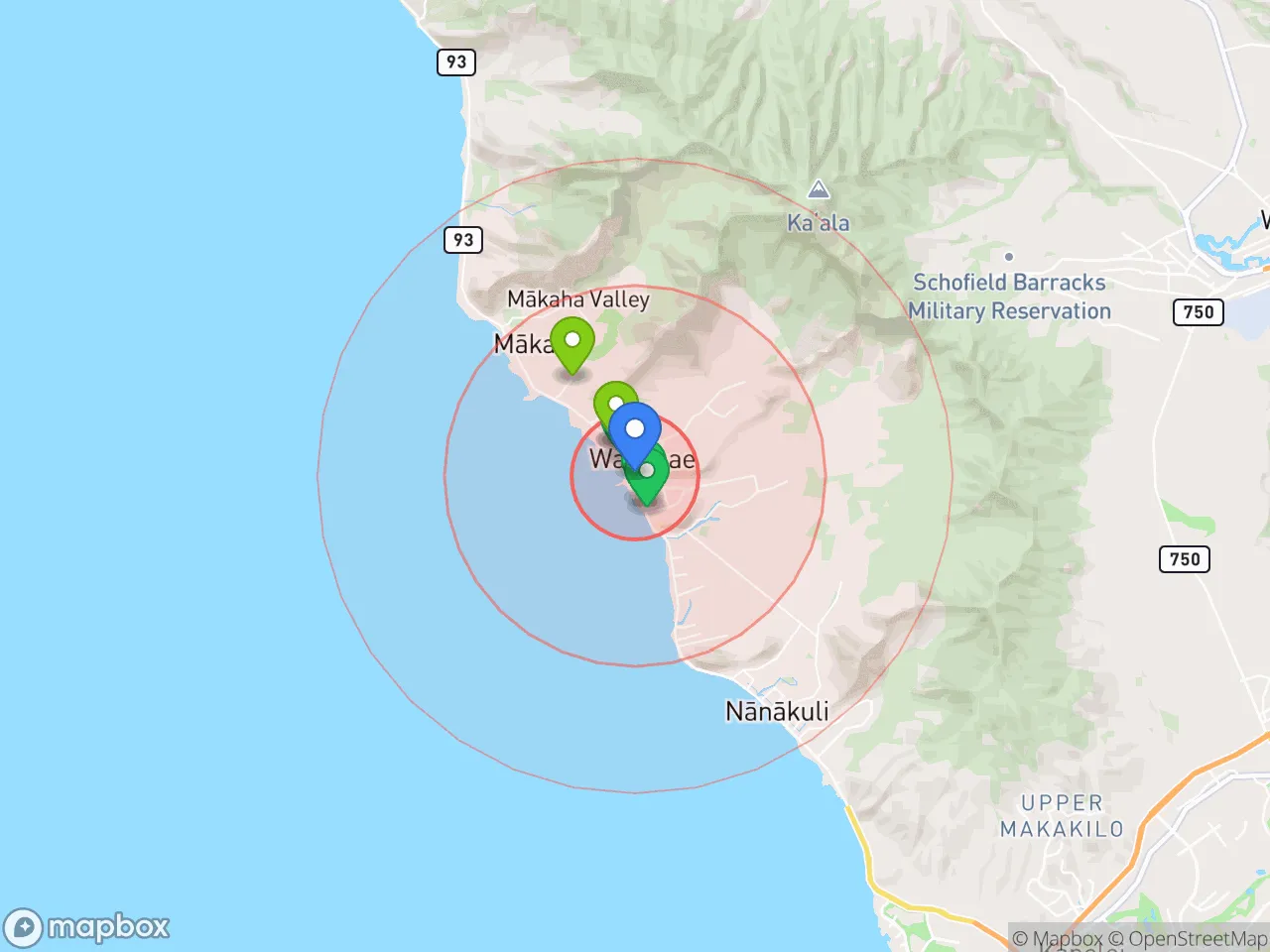
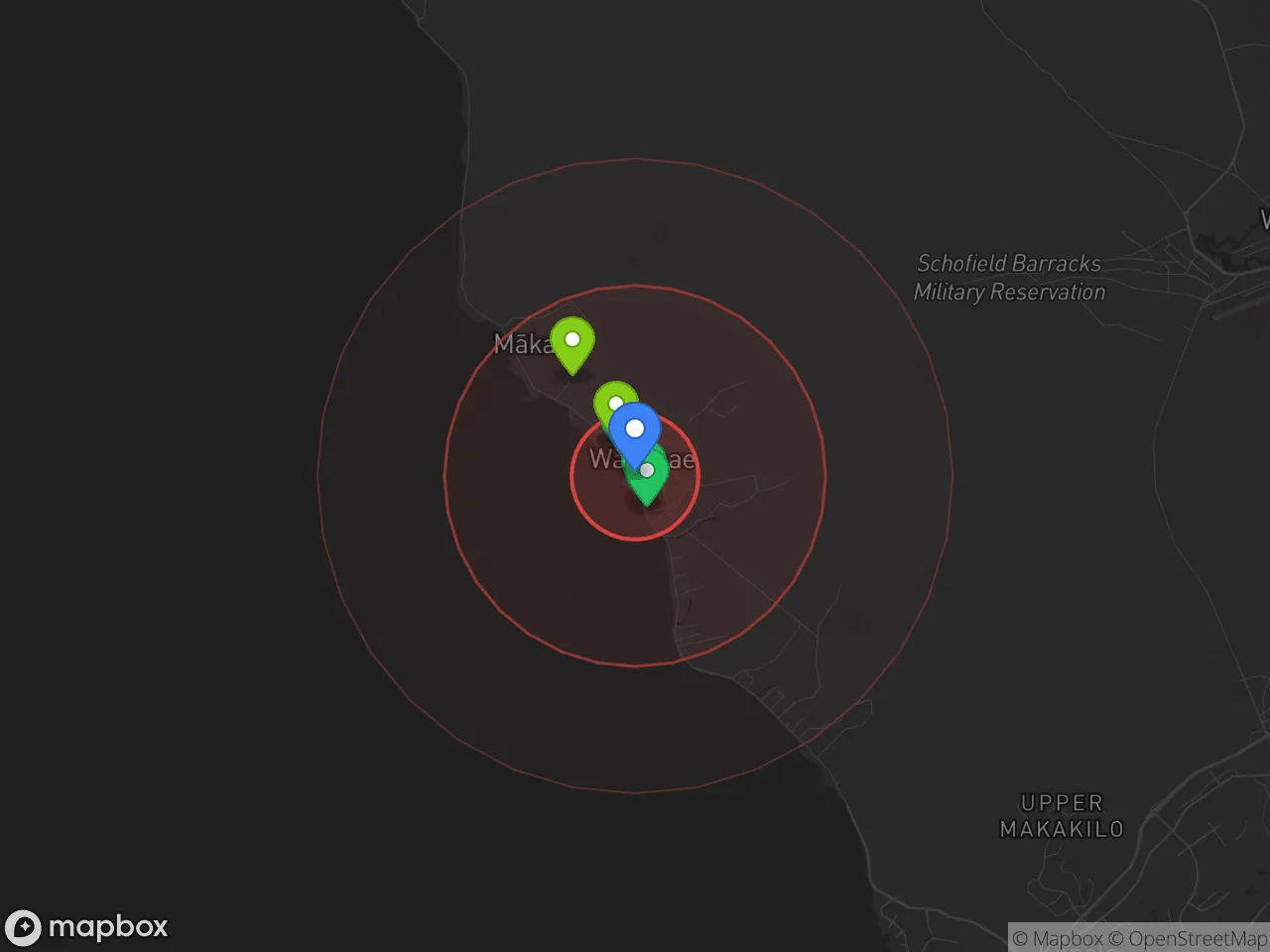
Hobbies
Explore the areaGroceries
2 within 10 miles
Gas
13 within 10 miles
Hospital
7 within 20 miles
Airport
Daniel K. Inouye International Airport
Post Office
USPS — Mililani, HI
Critical Amenities
Quality-of-Life Analysis
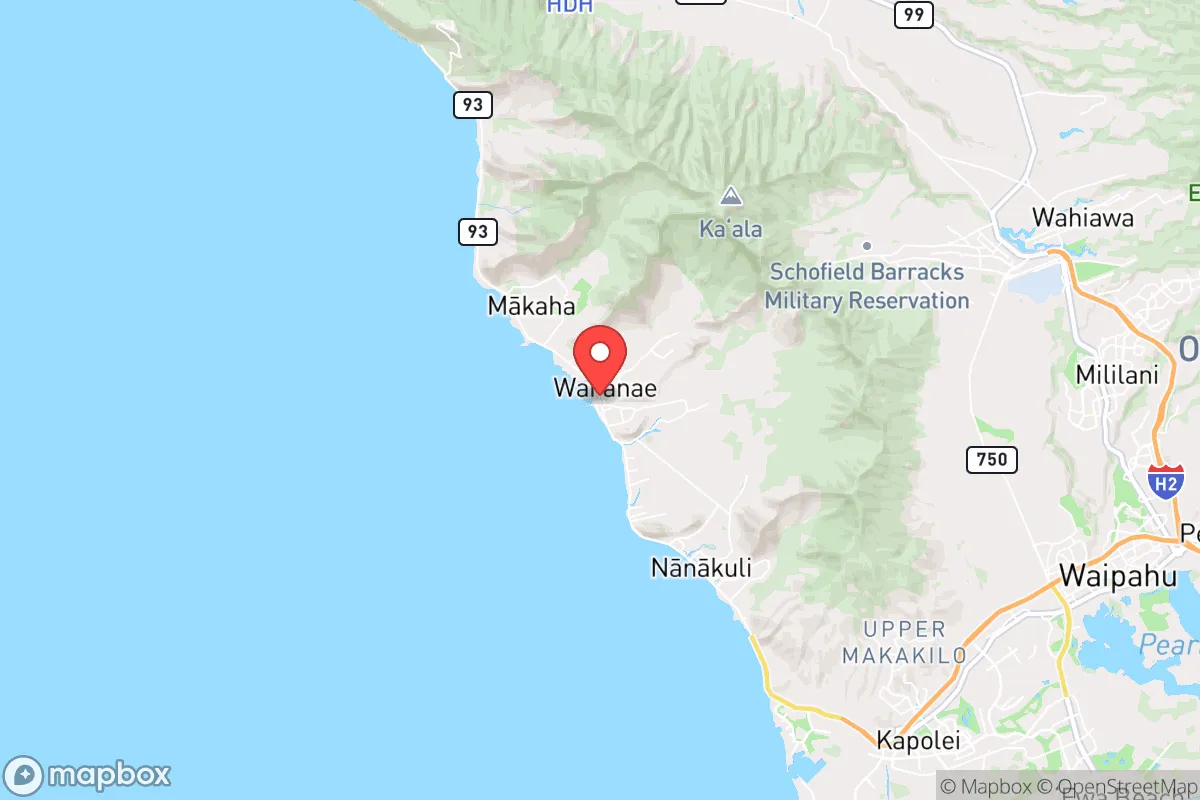
Waianae, located on Oahu's leeward coast, presents a quality of life that differs markedly from Honolulu's urban core, with a cost of living index of 137 (37% above the U.S. average) reflecting Hawaii's overall expense while offering a more rural, community-oriented lifestyle. The area is home to a predominantly Native Hawaiian and local population, with a median household income that trails the state average, making it one of Oahu's more affordable coastal communities despite its high cost relative to the mainland. This is a place where multigenerational families, long-time residents, and those seeking a slower pace of life coexist, often in neighborhoods with deep cultural roots and a strong sense of 'ohana (family).
Cost of living, housing prices, and affordability compared to Honolulu
Waianae's housing market is a key draw for those priced out of Honolulu and other windward areas. The median home value of $487,200 is significantly lower than Oahu's countywide median of roughly $1 million, making it one of the most accessible entry points for homeownership on the island. Median rent sits at $1,307, which is well below the Honolulu metro average of around $1,800, though rental inventory is tight and often secured through word-of-mouth. The trade-off for this relative affordability is a lengthy average commute of 40.9 minutes to jobs in Kapolei, Pearl Harbor, or downtown Honolulu, as the H-1 freeway funnels traffic through a single narrow corridor. Groceries and utilities are elevated compared to the mainland, but local farmers' markets and community-supported agriculture help offset some food costs for residents who shop locally.
Local amenities, schools, and the daily rhythm of life in Waianae
Daily life in Waianae revolves around its natural setting and community institutions rather than commercial density. The area boasts several well-regarded public schools, including Waianae High School (known for its strong Hawaiian studies program and canoe paddling teams) and Leihoku Elementary. For shopping and services, the Waianae Mall Shopping Center provides a grocery store, pharmacy, and fast-casual dining, while the nearby town of Kapolei offers larger big-box retailers and medical facilities. The real rhythm of life here is outdoors: residents spend weekends at Pokai Bay Beach Park for calm swimming, at Kaena Point for hiking and birdwatching, or at the Waianae Boat Harbor for fishing and boat access. The area lacks the nightlife and restaurant scene of Honolulu, but it compensates with community events like the weekly Waianae Farmers Market and the annual Makahiki season celebrations. Healthcare access is a noted concern, with the Waianae Coast Comprehensive Health Center serving as the primary medical hub and emergency cases requiring a 30-minute drive to Kapolei or longer to Honolulu.
Waianae is best suited for individuals and families who prioritize space, cultural connection, and ocean access over urban convenience and career density. Those who thrive here are often self-employed, remote workers, or commuters willing to trade time in the car for a lower mortgage or rent. It is less ideal for newcomers seeking a vibrant social scene or immediate access to high-end shopping and dining. For anyone who values a tight-knit community rooted in Hawaiian traditions and is prepared for the realities of island living—including traffic, limited retail, and a slower pace—Waianae offers a quality of life that is both authentic and affordable by Oahu standards.

Crime in Waianae, HI
Generally safer than 64% of comparable U.S. locations.
Violent CrimeViolent Crime Analysis
Property CrimeProperty Crime Analysis
Crime Analysis
Waianae, on Oahu's leeward coast, presents a complex safety picture defined by property crime rates that significantly exceed both state and national averages, while its violent crime rate remains notably lower than the Honolulu metro area's overall figure. With a violent crime rate of 200.2 per 100,000 residents and a property crime rate of 1,586.9 per 100,000, the community faces challenges that are distinct from the more tourist-centric areas of Honolulu. The area's socioeconomic factors, including higher unemployment and limited economic opportunities, contribute to these patterns, though the strong sense of local community and neighborhood watch efforts provide a counterbalance.
Crime in context
Waianae's violent crime rate of 200.2 per 100,000 is approximately 30% lower than the Honolulu metro area's rate of 286 per 100,000, but it is still about 40% higher than the national average of roughly 143 per 100,000. Property crime tells a more concerning story: at 1,586.9 per 100,000, it is nearly double the national average of 800 per 100,000 and significantly higher than the state average of about 1,200 per 100,000. These figures place Waianae in a category where property-related offenses—theft, burglary, and vehicle break-ins—are the primary safety concern for residents. The area's proximity to major highways and its role as a transit corridor for the west side contribute to these elevated property crime numbers, as does the presence of transient populations in certain beach parks.
What residents experience
For those living in Waianae, the daily experience of safety is heavily shaped by property crime. Residents commonly report vehicle break-ins, package thefts, and burglaries, particularly in areas with less street lighting or near popular beach access points. The community's response has been proactive, with active neighborhood watch programs and a strong emphasis on "talk story" culture where neighbors look out for one another. Violent crime, while less frequent, tends to be concentrated in specific areas and often involves individuals known to each other rather than random attacks on visitors or new residents. The Honolulu Police Department's Waianae substation maintains a visible presence, but response times can be slower in more rural parts of the district. It is important to note that Hawaii's justice system, particularly in Honolulu County, has been influenced by progressive policies that prioritize rehabilitation and diversion programs. Critics argue that these approaches, while well-intentioned, can lead to shorter sentences and faster return of offenders to the community, potentially undermining deterrence and public safety. This is a factor that prospective residents, especially those with families or property, should weigh carefully.
Neighborhood-level variation is significant in Waianae. The more established residential areas along Farrington Highway, such as Maili and Nanakuli, tend to have lower crime rates than the more transient areas near the Waianae Boat Harbor or certain beach parks. Makaha, particularly the valley areas, often reports higher property crime due to its more isolated geography and limited police patrols. Conversely, the newer subdivisions and gated communities in the upper elevations of Waianae Valley generally experience fewer incidents. Prospective residents are advised to visit at different times of day, talk to local business owners, and consult with a real estate agent familiar with the area's micro-neighborhoods to get a true sense of safety in a specific location. Overall, Waianae offers a strong community fabric but requires a realistic approach to property security and an awareness of the broader justice system's impact on local crime dynamics.
* Values derived from national, state, county, city and local statistics and may differ in a specific area. Last updated: 2026-05-01T10:15:24.000Z
Narrative content on this page is AI-generated and may contain mistakes. Verify any details that matter before acting on them.
ReloMaps may earn a commission from affiliate links at no extra cost to you.

