Photo: Wikipedia
Demographics of Wailea, HI
Affluence Level in Wailea, HI
An upper-middle-class area. Household wealth, education levels, and homeownership run ahead of national benchmarks.
People of Wailea, HI
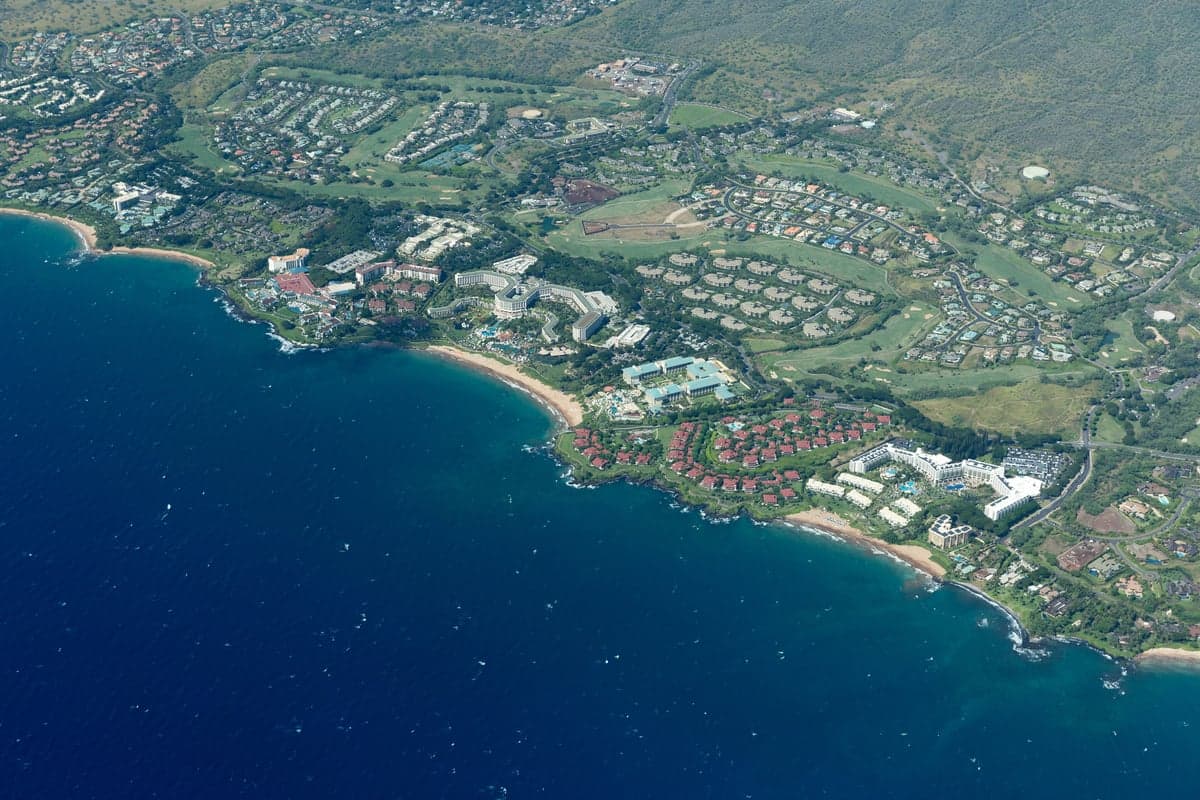
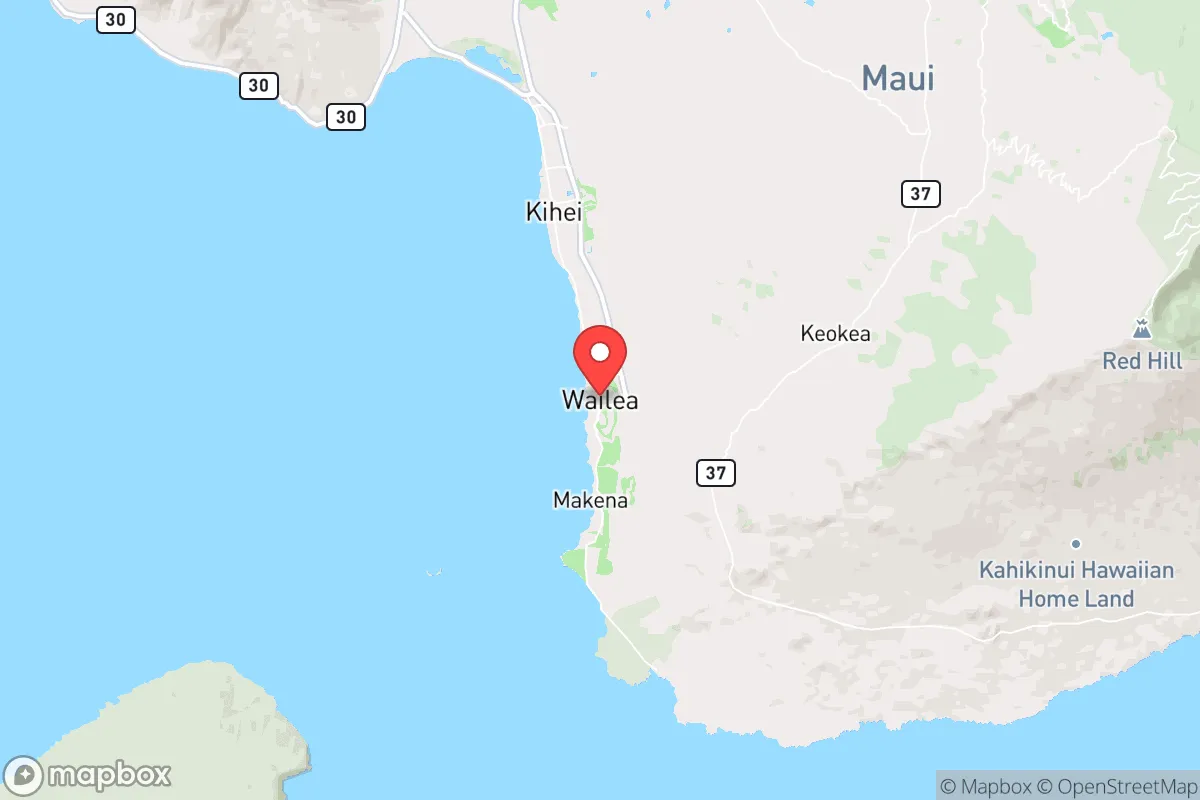
Wailea, Hawaii, is a master-planned resort community on Maui’s southwestern coast, home to roughly 6,571 residents who are predominantly white (70.2%) and highly educated (44.9% hold a college degree). The population is notably affluent, with a median household income well above the state average, and the community is characterized by its luxury resorts, golf courses, and high-end residential enclaves. Unlike many Hawaiian towns with deep plantation roots, Wailea was deliberately developed from the 1970s onward as a destination for wealthy visitors and second-home owners, giving it a distinct identity as a planned, resort-oriented community rather than a historic working-class town.
How the city was settled and grew
Wailea’s human history is short compared to most Hawaiian communities. Before the 1970s, the area was largely undeveloped—a dry, rocky coastline used for ranching and occasional fishing. The land was part of the Ulupalakua Ranch, a cattle operation established in the 19th century. The first permanent residents were a handful of ranch hands and their families, living in scattered homes near what is now the Wailea Ike Drive area. The turning point came in 1971, when the Alexander & Baldwin company, a major landowner in Hawaii, began developing Wailea as a planned resort community. The first hotel, the Maui Intercontinental (now the Wailea Beach Resort), opened in 1976, and the Wailea Ekolu and Wailea Elua residential neighborhoods were built shortly after to house resort workers and early retirees. These neighborhoods remain the core of Wailea’s permanent residential population, with many original ranch-era families still living in the area.
Modern era (post-1965)
The post-1965 era saw Wailea transform from a ranch outpost into a luxury destination. The 1970s and 1980s brought a wave of mainland American buyers—mostly white, affluent professionals from California and the Pacific Northwest—who purchased vacation homes in the Wailea Kialoa and Wailea Palms subdivisions. These neighborhoods, with their ocean views and golf course frontage, became enclaves for seasonal residents. Meanwhile, the service workforce—largely Filipino, Japanese, and Native Hawaiian—commuted from nearby Kihei and Kahului, as Wailea had no affordable housing for them. The 1990s saw a second wave of development, with the Ho’olei at Wailea luxury condominiums and the Wailea Beach Villas attracting a more international buyer base, including Canadians and Australians. Today, East/Southeast Asian residents make up 11.0% of Wailea’s population, many of whom are second-home owners or retirees from Japan and the Philippines, concentrated in the Wailea Gateway area near the shopping center. The Hispanic population (8.0%) is largely composed of service workers living in the older Wailea Ekolu condos, while the Black population (1.0%) and Indian subcontinent population (0.4%) remain very small, reflecting the community’s high cost of entry.
The future
Wailea’s population is likely to continue homogenizing as an affluent, predominantly white enclave, with little growth in permanent residents. The community is essentially built out—there is no vacant land for new subdivisions—so future demographic shifts will come from turnover in existing homes. As property values rise (the median home price exceeds $2 million), the service workforce will be increasingly priced out, pushing them further into central Maui. The foreign-born share (4.9%) is expected to remain stable, as international buyers from Japan and Canada continue to purchase vacation properties but rarely become year-round residents. The East/Southeast Asian population may grow slightly as more Japanese retirees relocate, but the overall trend is toward an older, wealthier, and whiter demographic profile. No new immigrant enclaves are forming, and the small Hispanic and Filipino communities are likely to plateau or decline as affordable housing becomes scarcer.
For someone moving to Wailea today, the community offers a quiet, resort-oriented lifestyle with excellent amenities but little ethnic or economic diversity. It is a place where most residents are either wealthy retirees or second-home owners, and where the local workforce commutes from elsewhere. The population is stable, aging, and unlikely to change dramatically in the next decade, making it a predictable choice for those seeking a luxury retirement or vacation home in a controlled, planned environment.

* Values derived from national, state, county, city and local statistics and may differ in a specific area. Last updated: 2026-05-15T21:54:51.000Z
Narrative content on this page is AI-generated and may contain mistakes. Verify any details that matter before acting on them.
ReloMaps may earn a commission from affiliate links at no extra cost to you.

