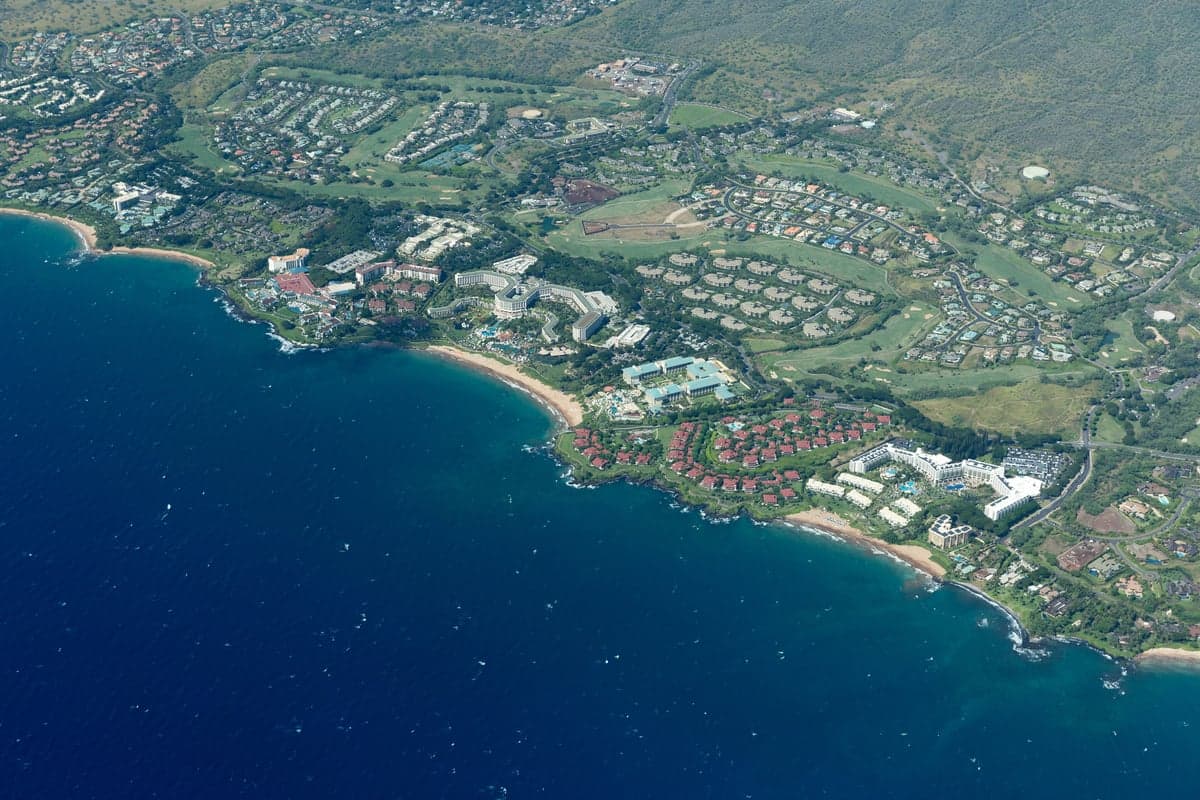
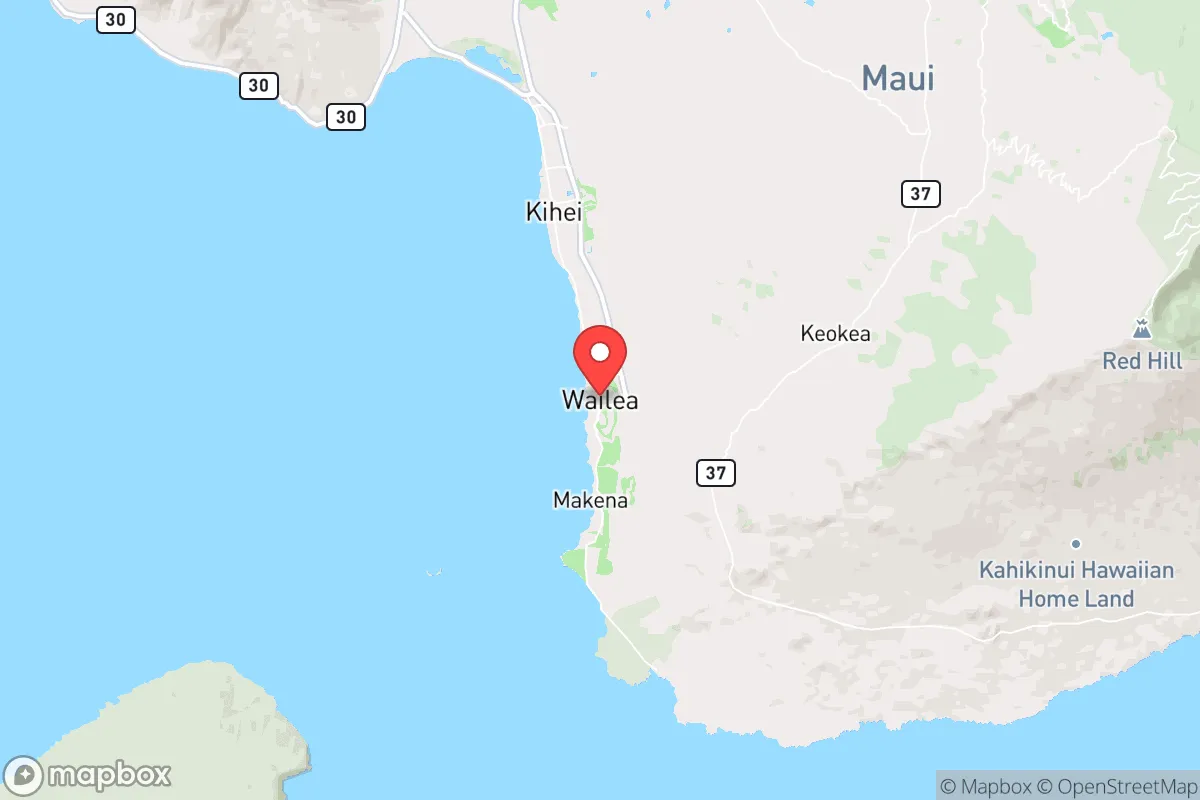
Photo: Wikipedia
Quality of Life in Wailea, HI
A high quality of life with strong walkability, manageable living costs, healthy neighborhood signals, and solid amenity access.
What does Quality of Life tell us?
Quality of Life blends cost of living, nearby amenities, socioeconomic signals, and neighborhood character. City-level scores represent the whole municipality; individual neighborhoods can differ.
What does this tell us?
Quality of Life blends cost of living, nearby amenities, socioeconomic signals, and neighborhood character. City-level scores represent the whole municipality; individual neighborhoods can differ.
Cost of Living
222% above national average
The Real Cost of Living in Wailea, HI for 2026
| Tier | Individual | Family (4) |
|---|---|---|
| Survival | $40k | $75k |
| Comfortable | $186k | $274k |
| Luxury | $193k+ | $298k+ |
| Elite (Top 5%) | $321k+ | $497k+ |
33%
The Area Signal
A metric tracking the socioeconomic signals of the area.
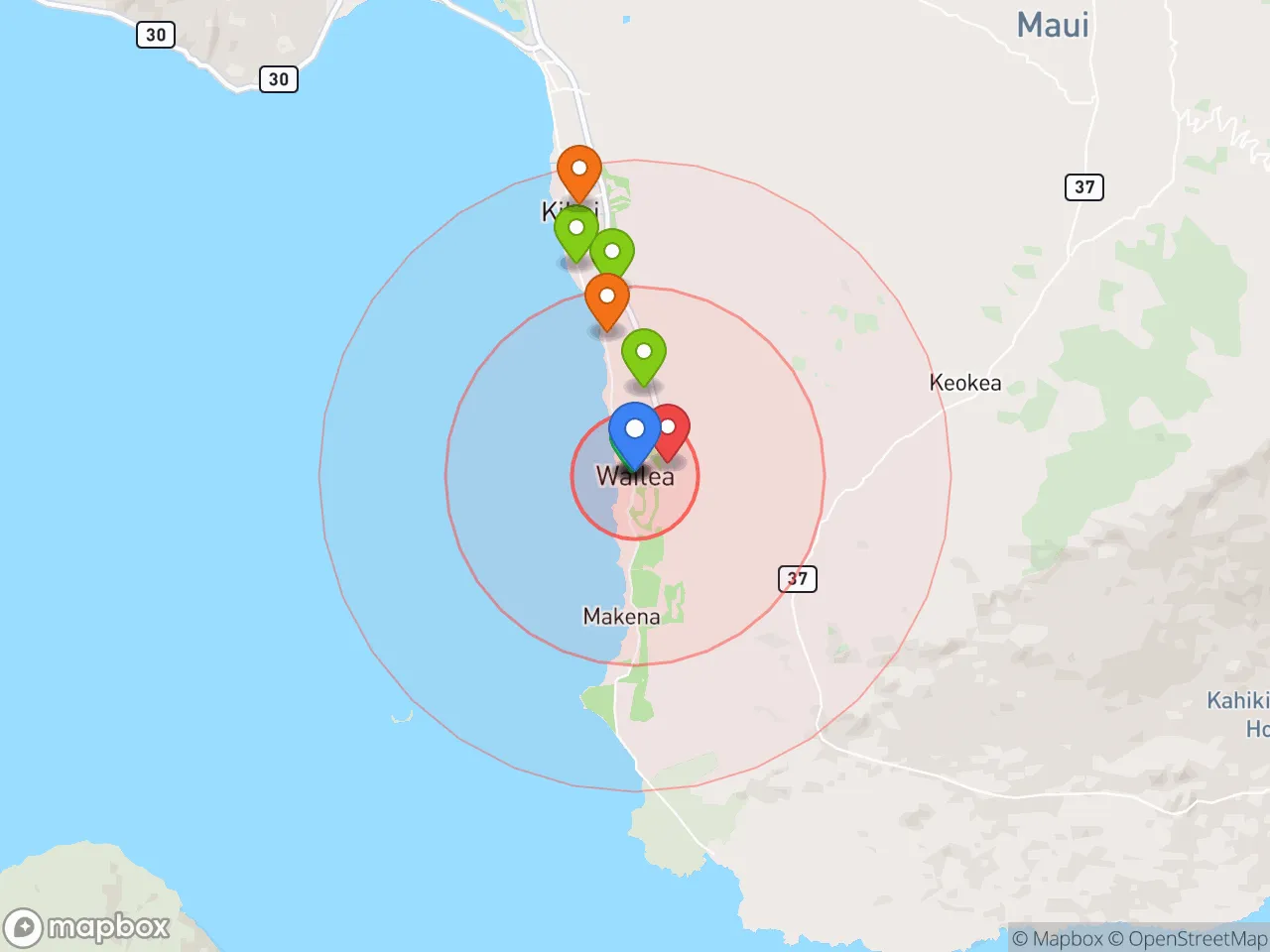
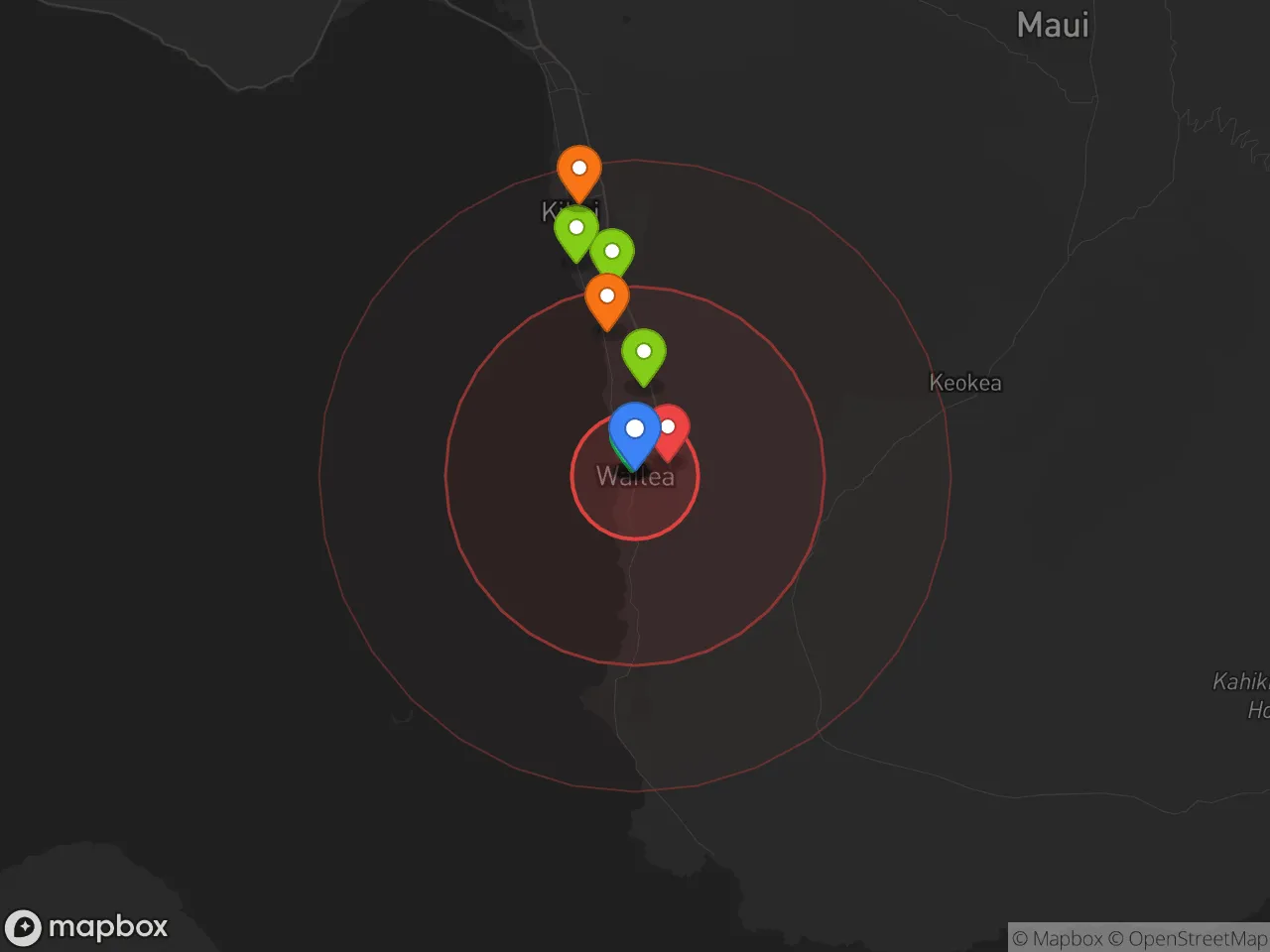
Hobbies
Explore the areaGroceries
1 within 10 miles
Gas
7 within 10 miles
Hospital
2 within 20 miles
Airport
Daniel K. Inouye International Airport
Post Office
USPS — Wailea, HI
Critical Amenities
Quality-of-Life Analysis
Wailea, Hawaii, is one of the most affluent resort communities in the state, located on the southwestern coast of Maui. The population is a mix of wealthy retirees, luxury resort employees, and remote professionals who can afford the area's extreme cost of living, with a composite cost of living index of 322—more than three times the U.S. average. The community is characterized by gated residential enclaves, high-end shopping at The Shops at Wailea, and a demographic that skews older and wealthier than the rest of Maui County.
Cost of living, housing costs, and how Wailea compares to Kihei and Kīhei
Wailea's housing market is among the most expensive on Maui. The median home value sits at $1,363,700, roughly double the median for the island of Maui as a whole and about four times the U.S. median. Median rent is $2,485, though many luxury condos and single-family homes in gated communities like Wailea ʻĀina Nui or Wailea Ekolu lease for $4,000–$8,000 per month. By comparison, neighboring Kihei—just 10 minutes north—offers a median home value near $800,000 and rents averaging $2,000, making it a more accessible alternative for workers in Wailea's hospitality sector. The average commute in Wailea is 17.7 minutes, notably short by national standards, because most residents either work within the resort corridor or live in nearby Kihei. Groceries, utilities, and transportation all carry a 30–50% premium over mainland averages, driven by Maui's island logistics and limited retail competition.
What daily life is like for families, amenities, and schools in Wailea
Daily life in Wailea revolves around outdoor recreation and resort-adjacent services. The community has no standalone grocery store; residents drive 10 minutes north to Kihei for Safeway or Foodland. The nearest public schools are in Kihei: Kamalī Elementary (rated 7/10 on GreatSchools), Lokelani Intermediate, and Kīhei Charter School. Private options include Seabury Hall in Makawao (30 minutes away) and Montessori Hale O Keiki in Kīhei. Amenities are oriented toward tourism: five championship golf courses (Wailea Blue, Gold, and Emerald), the Wailea Beach Path for walking and jogging, and luxury hotels like the Four Seasons and Grand Wailea. For families, the lack of a centralized town center and the high cost of after-school activities (youth soccer leagues, surf lessons) can be limiting. The rhythm is slow and weather-dependent—trade winds keep temperatures in the 75–85°F range year-round, but the community empties out during off-peak tourist seasons, creating a quiet, almost sleepy atmosphere outside of resort hours.
Wailea is best suited for affluent retirees, high-net-worth remote workers, and executives in Maui's luxury hospitality industry who can absorb the 322 COL index without strain. Families on a typical island salary will find the housing costs prohibitive and the school options limited compared to upcountry Maui or the Wailuku area. For those who value oceanfront living, world-class golf, and privacy—and can afford the premium—Wailea offers a quality of life unmatched on the island, but it comes with the trade-offs of a resort-focused infrastructure and a thin social fabric outside the tourist economy.

Crime in Wailea, HI
Generally safer than 62% of comparable U.S. locations.
Violent CrimeViolent Crime Analysis
Property CrimeProperty Crime Analysis
Crime Analysis
Wailea, Hawaii, presents a notably safe environment compared to both state and national averages, with violent crime rates significantly below the U.S. median. The community's violent crime rate of 215 incidents per 100,000 residents is roughly half the national average, while property crime sits at 1,680 per 100,000. However, as a resort destination within Maui County, visitors and residents should remain aware of opportunistic theft, particularly in tourist-heavy areas.
Crime in context
Wailea's violent crime rate of 215 per 100,000 is substantially lower than the U.S. average of approximately 380 per 100,000 and well below Hawaii's statewide rate of about 250 per 100,000. Property crime in Wailea, at 1,680 per 100,000, is also below the national average of roughly 1,950 per 100,000. These figures place Wailea among the safer communities in Hawaii, though property crime remains the more prevalent concern. It is important to note that Maui County, which includes Wailea, operates under a state judicial system that has been characterized by some observers as progressive, with a focus on rehabilitation and alternatives to incarceration. While this approach aims to reduce recidivism, critics argue it can lead to higher rates of property crime as repeat offenders face fewer custodial consequences, a dynamic that may contribute to the property crime figures seen in resort areas like Wailea.
What residents experience
For those living in Wailea, the day-to-day experience is one of low violent crime. Incidents like assault or robbery are rare, and the community is widely considered safe for walking, even at night in the main resort corridor. The primary safety concern for residents is property crime, specifically theft from vehicles and break-ins at vacation rentals. Unlocked cars and visible valuables on beaches or in hotel parking lots are common targets. The presence of private security at many of the large resort properties (such as the Grand Wailea and Four Seasons) adds a layer of protection, but residential neighborhoods and public beach access points see the majority of these incidents. The progressive judicial philosophy in the state, which emphasizes diversion programs and reduced sentences for non-violent offenders, is a factor some residents cite when discussing the persistence of property crime, as it can result in a quicker return of offenders to the community.
Neighborhood-level variation in Wailea is minimal due to the area's compact, master-planned nature. The most secure areas are the gated resort communities and high-end residential enclaves like Wailea 670 and Makena, which have dedicated security patrols. The Wailea Gateway area and the public beach parks (such as Ulua Beach) see slightly higher rates of theft, particularly during peak tourist season. Overall, Wailea's safety profile is excellent by national standards, with the caveat that property crime—influenced by both tourism and the state's lenient criminal justice policies—requires standard precautions.
* Values derived from national, state, county, city and local statistics and may differ in a specific area. Last updated: 2026-05-15T21:54:51.000Z
Narrative content on this page is AI-generated and may contain mistakes. Verify any details that matter before acting on them.
ReloMaps may earn a commission from affiliate links at no extra cost to you.

