Photo: Wikipedia
Political ClimatePolitical Climate in Wailea, HI
District shown is the primary district for this city’s centroid. Cities may span multiple districts.
Local Political AnalysisPolitical Analysis of Wailea, HI
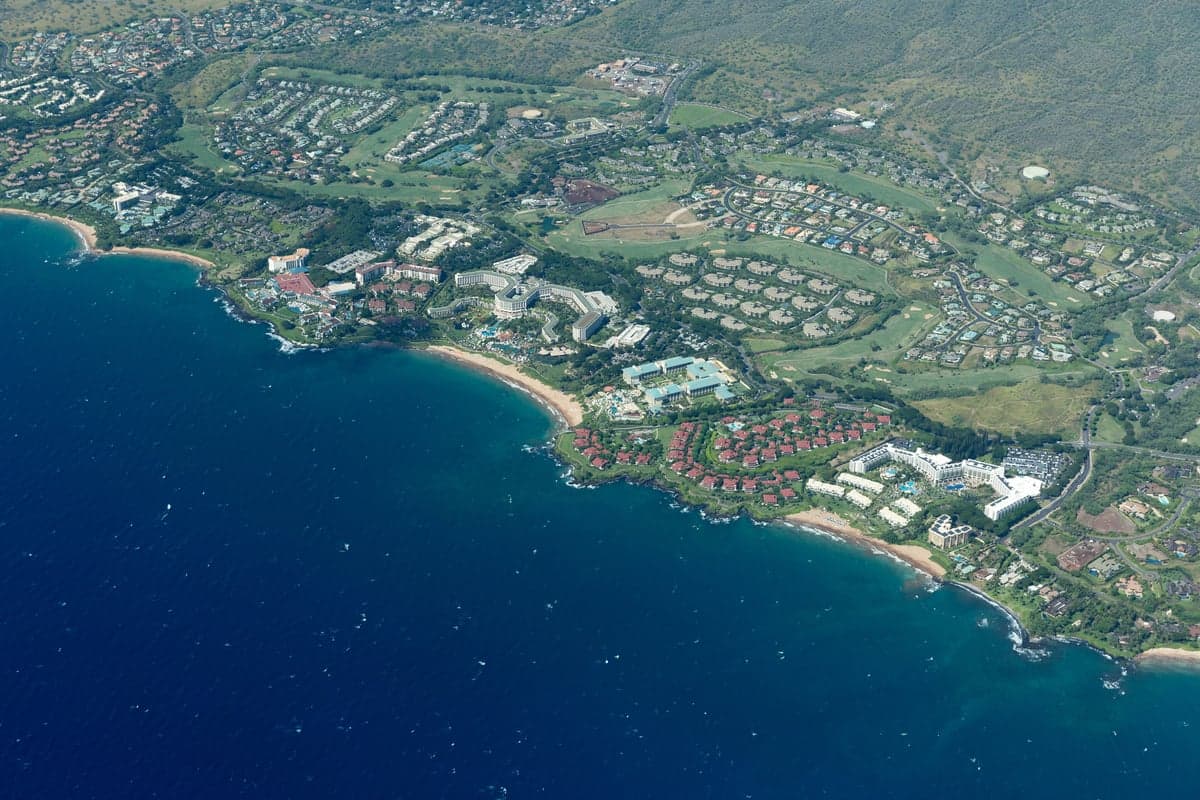
Look, I’ve been around Wailea long enough to remember when this stretch of Maui was just a quiet collection of beachfront homes and a few hotels, not the polished resort corridor it is today. Politically, the area leans solidly Democratic, with a Cook PVI of D+12, matching the state of Hawaii exactly. That means you’re in a place where progressive policies are the baseline, not the exception. Over the last decade, the shift has been noticeable—what was once a live-and-let-live attitude among locals has increasingly given way to a more activist, government-first approach to everything from housing to land use. If you value personal freedoms and minimal government overreach, you’ll want to keep a close eye on how things are trending here.
How it compares
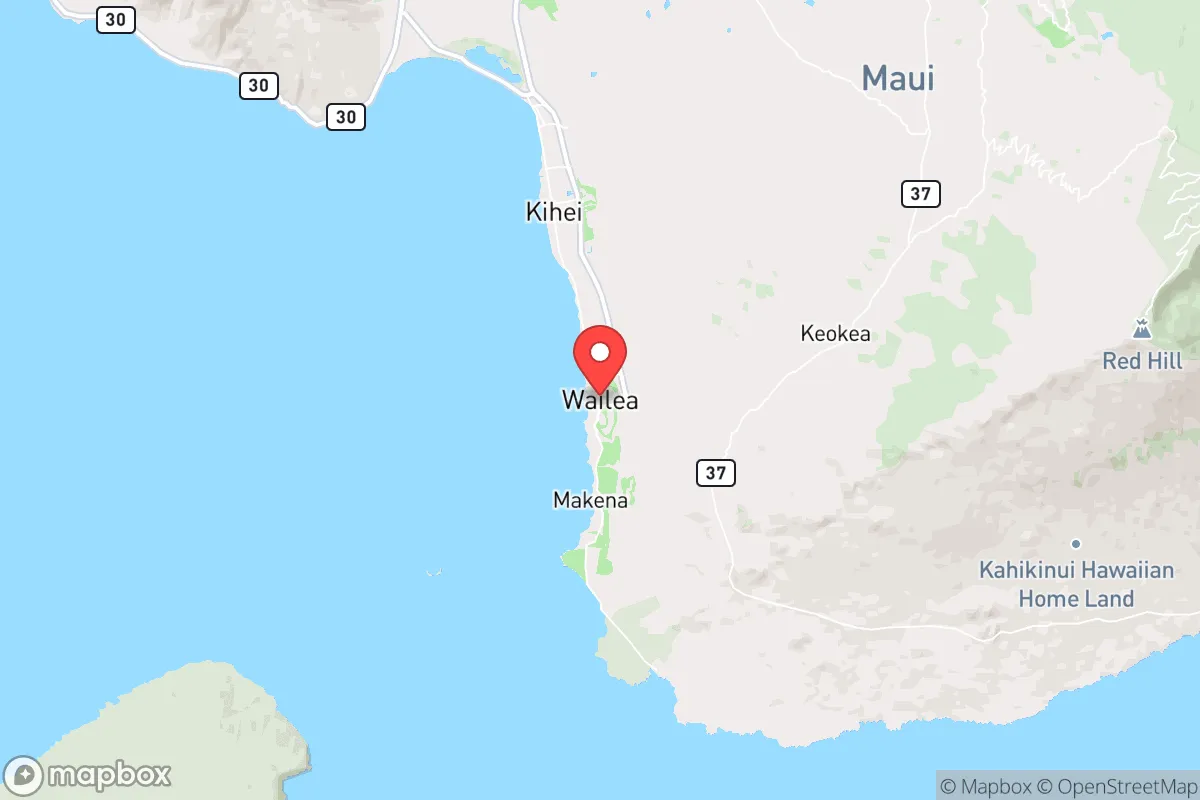
Wailea’s D+12 rating puts it in the same political lane as the rest of Hawaii, but the local flavor is distinct. On the Valley Isle, you’ve got a stark contrast between the upscale, tourist-driven south shore and the more rural, independent-minded communities upcountry—places like Kula or Makawao, where folks are more likely to grumble about state mandates and property taxes. Even nearby Kihei, just a few miles north, has a grittier, more working-class vibe that leans less into the progressive orthodoxy you’ll find in Wailea’s gated communities and luxury condos. The real contrast, though, is with the Big Island’s Puna district or Oahu’s North Shore, where libertarian-leaning locals and off-grid types push back hard against Honolulu’s top-down rules. In Wailea, you’re surrounded by wealth and tourism dollars, which tends to smooth over political friction—but that also means less resistance when the county or state decides to impose new regulations on short-term rentals, water usage, or building permits.
What this means for residents
For anyone living here full-time, the biggest concern is how much control the government has over your daily life. The county council and state legislature have been steadily tightening rules on everything from vacation rentals to beach access to solar panel installations. It’s not uncommon to feel like you need a permit just to breathe. The push for “sustainability” and “equity” sounds nice in press releases, but in practice it often means higher fees, more red tape, and less freedom to use your own property as you see fit. If you’re a retiree or a remote worker who moved here for the peace and quiet, you might find yourself frustrated by the growing bureaucracy. The long-term trend is concerning: as more progressive policies take hold, expect tighter controls on development, water rights, and even how you can landscape your yard. That’s not speculation—it’s already happening in neighborhoods across the island.
One cultural distinction that stands out is the local attitude toward tourism and newcomers. In Wailea, the economy depends on visitors, so there’s a pragmatic acceptance of the industry. But the political class is increasingly hostile to the very people who keep the lights on, with proposals to tax vacation rentals out of existence or limit car rentals. It’s a classic case of biting the hand that feeds you. If you’re considering a move here, understand that the political climate is cozy with government intervention, and that’s unlikely to change. The best you can do is find your tribe among the few who still believe in personal responsibility over state control—and maybe buy a little piece of land upcountry while you’re at it.

State Political ClimatePolitical Climate in Hawaii
State Political AnalysisPolitical Environment in the State
Hawaii has been a one-party Democratic stronghold for decades, with a Cook PVI of D+12, meaning it votes about 12 points more Democratic than the national average. The dominant coalition is a mix of unionized government workers, Native Hawaiian entitlement beneficiaries, and mainland transplants who bring progressive mainland values with them. Over the last 10-20 years, the state has drifted steadily leftward, with Republicans holding no statewide office and only a handful of legislative seats, while the Democratic supermajority has pushed through policies that expand government control over housing, education, and personal behavior.
Urban vs. rural divide
The political map is starkly divided between the urban core of Honolulu on Oahu and the more rural, conservative-leaning outer islands. Honolulu and its suburbs, like Waipahu and Kailua, drive the state’s Democratic lean, fueled by a dense population of government employees, military contractors, and service workers dependent on state spending. The rest of Oahu, particularly the North Shore and Windward side, still votes blue but with less enthusiasm. On the Big Island, Hilo is a progressive hub, while Kona and Waimea lean more conservative, with pockets of libertarian-leaning ranchers and farmers. Maui’s Kahului area is solidly Democratic, but Upcountry Maui and Lanai show more independence. Kauai is a mixed bag, with Lihue trending blue and the rural Hanalei area more green-leaning. The only reliably Republican precincts are in Laie (Mormon community) and parts of Mililani (military families), but they’re too small to flip any district.
Policy environment
Hawaii’s policy environment is hostile to economic freedom. The state has the highest combined state and local tax burden in the nation, with a 4% general excise tax that applies to nearly everything, including business-to-business transactions, and a progressive income tax topping out at 11%. Property taxes are relatively low, but the state’s land use commission and county zoning boards make it nearly impossible to build new housing, driving the median home price above $1 million. Education policy is dominated by the teachers’ union, with Act 51 (2011) centralizing school funding and limiting charter school growth. Healthcare is heavily regulated, with the Hawaii Prepaid Health Care Act (1974) mandating employer-provided insurance, but the state has resisted Medicaid work requirements. Election laws are moderately restrictive: no-excuse absentee voting is allowed, but voter ID is not required, and same-day registration is available. The state has a sanctuary policy (Act 2, 2019) that limits cooperation with federal immigration enforcement.
Trajectory & freedom
Hawaii is becoming less free across multiple dimensions. On gun rights, the state passed Act 52 (2022) after the Bruen decision, requiring a permit to purchase ammunition and banning carry in most public places, including beaches and parks. On parental rights, Act 2 (2023) removed the parental notification requirement for minors seeking abortion, and the Department of Education has implemented transgender student policies that allow students to use preferred names and pronouns without parental consent. On speech, the state has considered anti-masking laws targeting political protesters, but they haven’t passed. Medical autonomy took a hit with Act 1 (2023), which expanded Medicaid coverage for gender-affirming care for minors, overriding parental consent in some cases. Property rights are under constant assault from the Hawaii Community Development Authority and county planning departments, which can delay building permits for years. The Hawaii Housing Authority has also used eminent domain for affordable housing projects in Kakaako.
Civil unrest & political movements
Hawaii has a history of civil unrest, mostly from the left. The Mauna Kea protests (2019) against the Thirty Meter Telescope drew thousands of Native Hawaiian activists and environmentalists, shutting down construction for months. The Occupy Honolulu movement (2011) was smaller but visible. On the right, the Hawaii Republican Party is nearly nonexistent, with no organized militia or Second Amendment groups of any size. The Hawaii Sovereignty Movement is a persistent but fringe force, advocating for secession from the U.S. under international law, and has some influence in local politics, particularly on the Big Island. Immigration politics are muted because of geography, but the sanctuary policy has caused friction with federal authorities. Election integrity is a non-issue here—the state’s all-mail voting system (Act 136, 2019) has been praised by both parties, though turnout remains low. The most visible flashpoint for a new resident would be the homeless encampments in Waikiki and Kakaako, which have sparked local backlash but no organized political movement.
Projection
Over the next 5-10 years, Hawaii will likely become more progressive and less free. Demographic trends favor the left: the Native Hawaiian population is growing and increasingly activist, while the white and Asian populations that lean more conservative are aging out or moving to the mainland. In-migration from California and the Pacific Northwest is accelerating, bringing more progressive voters to Honolulu and Kona. The state’s housing crisis will continue to push out middle-class families, leaving a population more dependent on government services and thus more supportive of big government. Expect more gun control, more parental rights erosion, and more land-use restrictions. The only wild card is a potential economic collapse—if tourism dries up or the military downsizes, the state’s budget could force cuts that might shift the political conversation, but that’s a long shot.
For a new resident, the bottom line is this: Hawaii is a beautiful place to live if you can afford it and don’t mind heavy government involvement in your daily life. If you value personal freedom—especially gun rights, parental authority, or the ability to build on your own land—you’ll find yourself swimming against a strong tide. The state’s politics are unlikely to change in your favor anytime soon, so come for the weather and the culture, but don’t expect the political climate to improve.
* Values derived from national, state, county, city and local statistics and may differ in a specific area. Last updated: 2026-05-15T21:54:51.000Z
Narrative content on this page is AI-generated and may contain mistakes. Verify any details that matter before acting on them.
ReloMaps may earn a commission from affiliate links at no extra cost to you.

