Photo: Wikipedia
Strategic Assessment of Wailea, HI
Strong survivability profile. Good buffer from population centers, with manageable environmental and tactical risks.
What does the Strategic Assessment tell us?
Our Strategic Assessment grades tactical survivability of an area. Major population centers, military targets, fallout zones, natural disasters, and border exposure all drive risk — lower exposure means a more defensible position in a crisis.
This is heavily inspired by Joel Skousen's Strategic Relocation book. Highly recommended you checkout the book ($)What does this tell us?
Our Strategic Assessment grades tactical survivability of an area. Major population centers, military targets, fallout zones, natural disasters, and border exposure all drive risk — lower exposure means a more defensible position in a crisis.
This is heavily inspired by Joel Skousen's Strategic Relocation book. Highly recommended you checkout the book ($)Strategic Pillars

Key Distances
Regional Safe Places
Below is our recommended "safe zones" in Hawaii and the surrounding area based on our strategic heuristics. For most people, it's unrealistic to live in a “safe zone” full-time due to work, family or other personal reasons. They tend to be more rural. However, many of these areas are perfect for second homes and retreat properties that double as a vacation home or even a short-term rental.

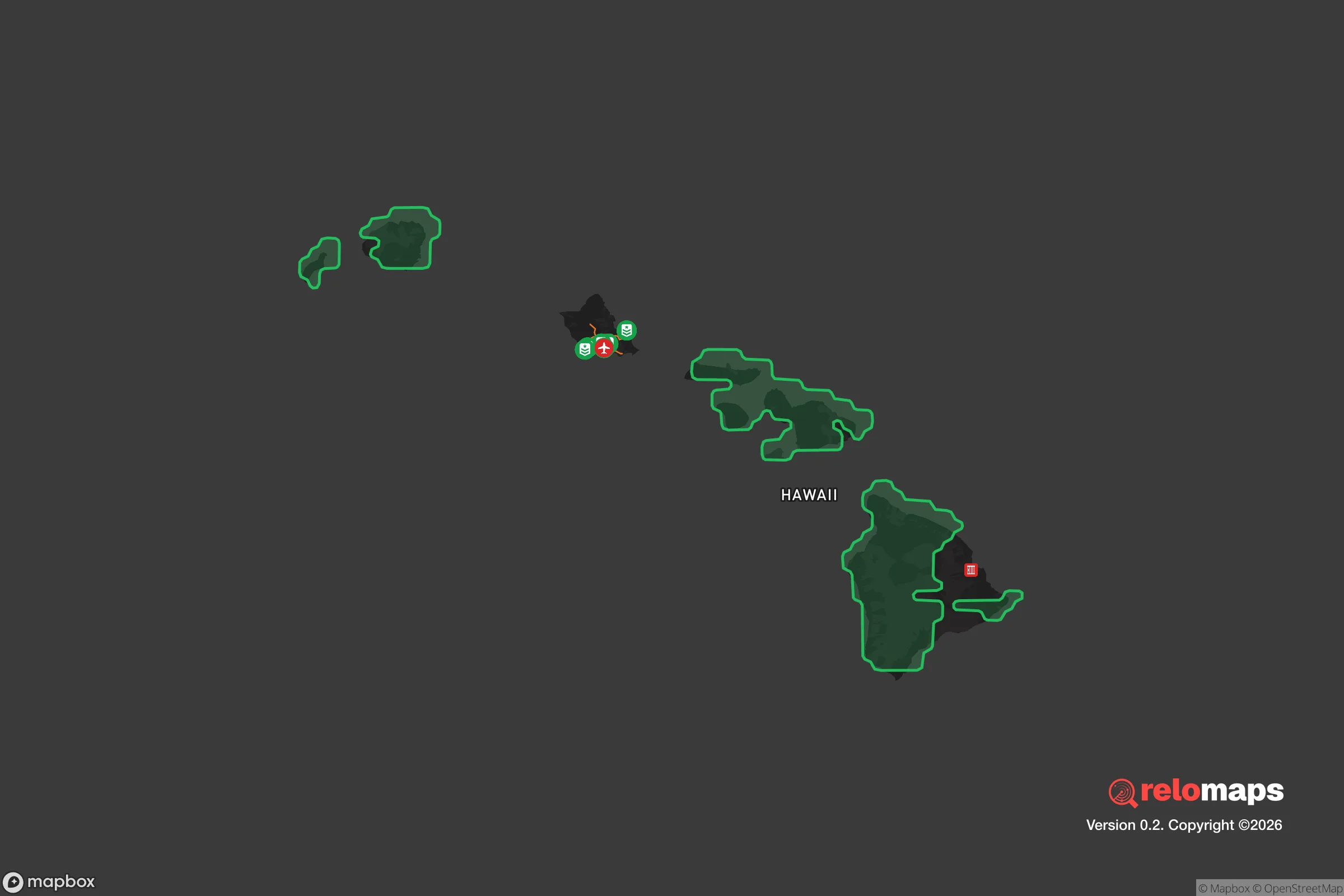


Important Note: For informational purposes only. This does not mean nothing bad ever happens in the green zones. Please use common sense. This is based on public data and modeled with AI. We tried to take a conservative approach but mistakes happen. We update this regularly as new information becomes available.
Solar Generator Recommendations
Backup power matters more here than in safer locations. We've picked three solar generators across budgets and capacity tiers — start with the budget unit if you only need a few essentials, or step up if you want to run a fridge and HVAC for days at a time.

Jackery Portable Power Station Explorer 300
Budget OptionPower on the Go: Weighing only 11 lbs, it's convenient to set up and store with book-sized foldable solar panels

BLUETTI Portable Power Station AC180
Designed for both indoor and outdoor scenarios, AC180 is highly capable as it has a robost capacity and continuous output power.

EF ECOFLOW DELTA Pro Ultra Power Station
Upgraded PickEcoFlow DELTA Pro Ultra is a whole-home energy system designed to grow with your family. Integrated with the Smart Home Panel 2, it scales to meet your evolving energy needs — keeping your home powered, intelligent, and secure through every stage of life.
We earn a commission, at no additional cost to you.
Strategic Assessment Analysis
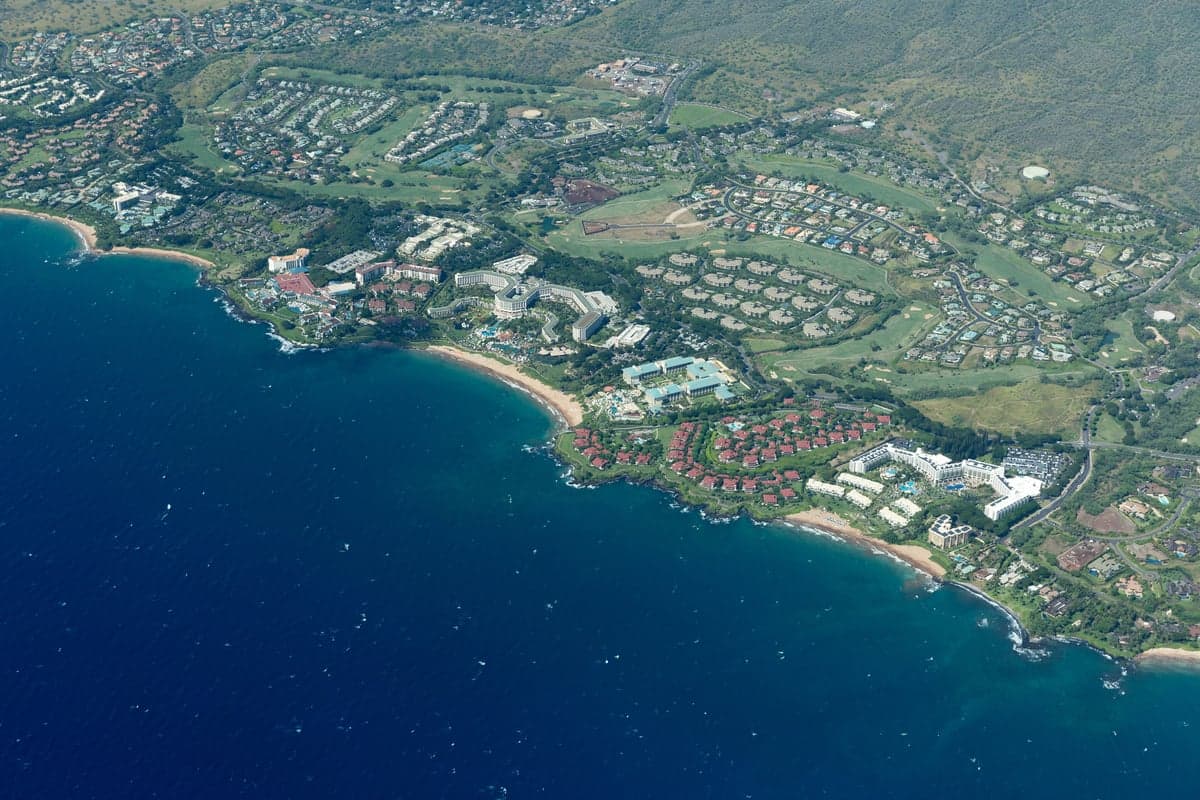
Wailea, on the southwestern flank of Maui, presents a paradox for the strategic relocator. Its luxury resorts and manicured beaches mask a location that, from a prepper’s perspective, offers genuine resilience advantages—but only if you understand the trade-offs. The area sits in the rain shadow of Haleakalā, receiving less than 15 inches of rain annually, which means fewer landslide and flash-flood risks than windward Maui, but also a dependence on imported water and energy. For a conservative-minded individual or family looking to insulate themselves from mainland civic unraveling, Wailea’s isolation is both its strongest asset and its most dangerous liability.
Geographic position and natural advantages for long-term security
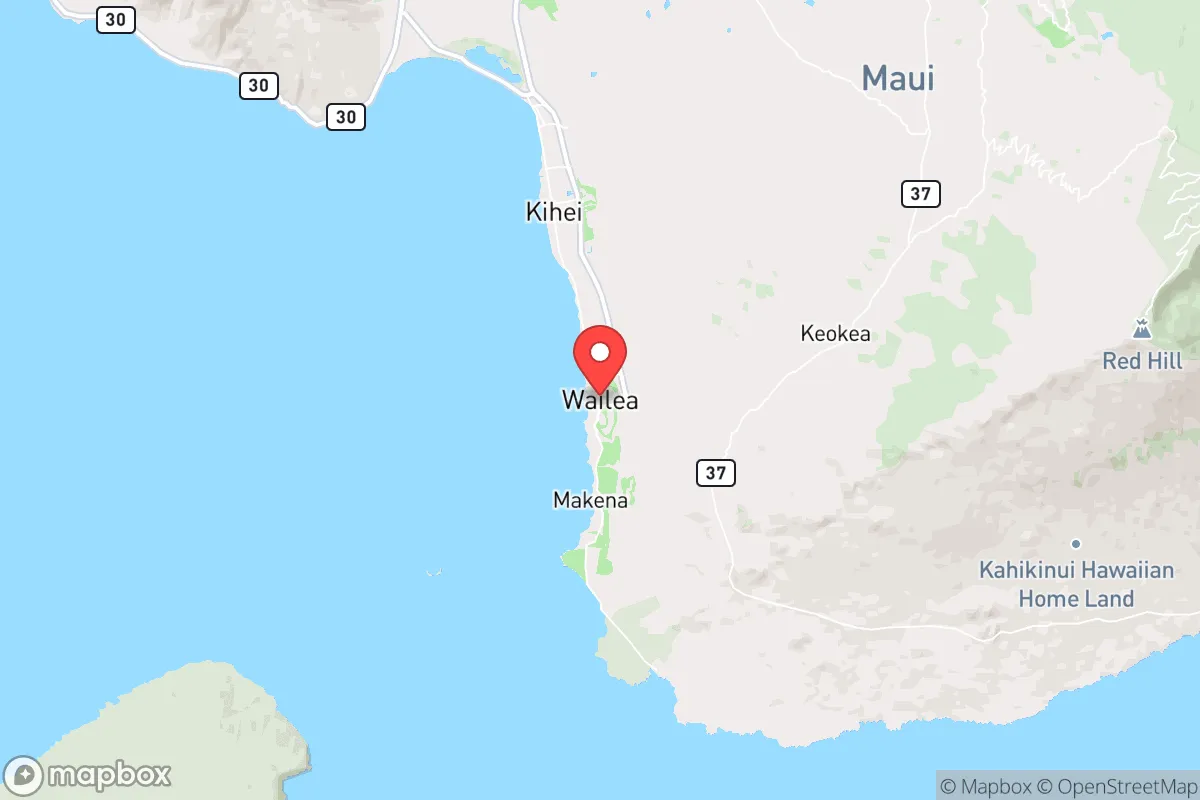
Wailea’s position on the leeward coast of Maui places it roughly 25 miles from Kahului, the island’s primary port and airport—close enough for supply runs, far enough to avoid the daily chaos of a population center. The terrain is dry, rocky, and sloping, with the West Maui Mountains to the north and Haleakalā’s 10,000-foot shield to the east. This geography creates a natural funnel: any approach from the island’s interior must traverse the narrow isthmus between the two mountain masses, a chokepoint that could be monitored or defended with minimal manpower. The coastline itself offers few landing zones for unauthorized watercraft—most of the shore is lava rock or resort beach, easily observed. For a relocator, the key natural advantage is the absence of dense forest cover; you can see threats coming from a long way off, whether by land or sea. The trade wind pattern also means that smoke or airborne contaminants from a Kahului industrial accident or fire would typically blow away from Wailea, not toward it.
Risks, exposures, and proximity to fallout-relevant landmarks
The hard truth is that Wailea is not a bunker. It is a resort corridor with a single two-lane arterial road—South Kihei Road—that connects it to Kihei and, eventually, to the rest of the island. In a mass evacuation or civil unrest scenario, that road becomes a parking lot. The nearest hospital is Maui Memorial Medical Center in Kahului, 30 minutes by car in good conditions, but likely unreachable if the road is blocked. The Kahului Airport (OGG) is a dual-use facility with a military presence—the Hawaii Air National Guard operates out of it—which makes it a potential target in any conflict scenario involving the Pacific theater. Wailea sits roughly 15 miles from the Kahului Harbor, a commercial and military logistics hub that would be a priority for any adversary. The harbor’s fuel storage tanks, ammonia refrigeration at the port, and the nearby Kahului Power Plant are all plausible targets for sabotage or accident. On the plus side, Wailea is not near any active volcanic vents (Haleakalā is dormant, not extinct), and tsunami risk is moderate—the 1960 Chilean tsunami caused minor damage here, but the 1946 Aleutian tsunami was more severe. The bigger worry is a hurricane: Maui’s last direct hit was Hurricane Iniki in 1992, which brushed the island. A Category 4 or 5 storm would flatten the resort infrastructure and leave Wailea without power, water, or passable roads for weeks.
Practical resilience for a relocator: food, water, energy, and defensibility
This is where Wailea’s resort veneer cracks. The area has no meaningful agriculture—the soil is thin, rocky, and alkaline. Virtually all food is imported, either from the mainland or from other Hawaiian islands. In a prolonged supply chain disruption, the grocery shelves in Kihei and Wailea would empty in 72 hours. The local farmers’ markets are tourist novelties, not survival resources. Water is equally precarious: Wailea’s supply comes from the Kihei-Wailea Water Treatment Plant, which draws from the Iao Aquifer and is dependent on electric pumps. No grid power means no water pressure. A few private wells exist in the upslope residential areas above Wailea (e.g., Wailea Heights), but most resort condos and homes are on municipal water. Rainwater catchment is uncommon here because of the low annual rainfall—you’d need a massive tank system to get through a dry summer. Energy is all grid-tied, with no community solar or microgrid infrastructure to speak of. The Hawaiian Electric grid is notoriously fragile; a single downed pole can black out the entire south shore for hours. For defensibility, the terrain works in your favor: the resorts are built on a series of lava-rock ridges with limited access points. A small group could secure a single villa or condo complex with a clear field of fire to the road and beach. But the lack of natural cover also means you are visible from the water and from the air. Neighbors are transient tourists and resort staff, not a community of like-minded preppers. You would be on your own.
Overall strategic picture for the conservative relocator
Wailea is a location for someone who wants to be far from the mainland’s collapse but is willing to accept that they are trading one set of vulnerabilities for another. The isolation from major population centers—Honolulu is a 30-minute flight or a 3-hour ferry ride away—is real, but that isolation cuts both ways. You cannot self-extract from Maui without a boat or a plane, and both require fuel, which will be the first thing to disappear. The conservative prepper mindset values self-sufficiency, and Wailea offers almost none of that natively. What it does offer is a low-crime environment (Maui County’s violent crime rate is roughly half the national average), a climate that rarely requires heating or cooling, and a population that is generally apolitical and non-confrontational. If your strategy is to ride out the storm in a place where no one is looking for you, and you have the resources to stockpile years of supplies and maintain a private water and power system, Wailea could work. But if you are looking for a community of fellow travelers, defensible terrain with natural resources, or proximity to a resilient agricultural base, look elsewhere—perhaps the Big Island’s Puna district or even the upcountry ranchlands of Maui itself. Wailea is a beautiful place to wait, but a terrible place to be caught unprepared.

* Values derived from national, state, county, city and local statistics and may differ in a specific area. Last updated: 2026-05-15T21:54:51.000Z
Narrative content on this page is AI-generated and may contain mistakes. Verify any details that matter before acting on them.
ReloMaps may earn a commission from affiliate links at no extra cost to you.

