
Photo by Karsten Winegeart on Unsplash
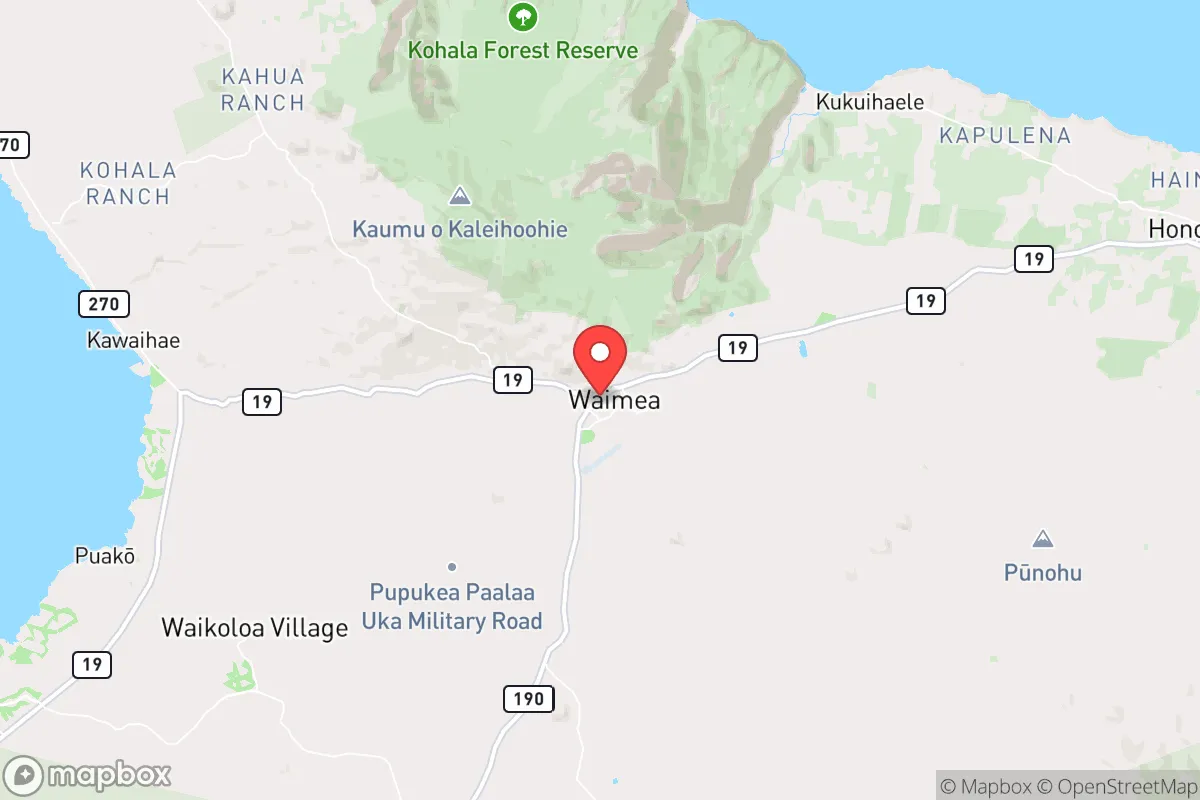
Quality of Life in Waimea, HI
A high quality of life with strong walkability, manageable living costs, healthy neighborhood signals, and solid amenity access.
What does Quality of Life tell us?
Quality of Life blends cost of living, nearby amenities, socioeconomic signals, and neighborhood character. City-level scores represent the whole municipality; individual neighborhoods can differ.
What does this tell us?
Quality of Life blends cost of living, nearby amenities, socioeconomic signals, and neighborhood character. City-level scores represent the whole municipality; individual neighborhoods can differ.
Cost of Living
98% above national average
The Real Cost of Living in Waimea, HI for 2026
| Tier | Individual | Family (4) |
|---|---|---|
| Survival | $33k | $61k |
| Comfortable | $97k | $143k |
| Luxury | $143k+ | $221k+ |
| Elite (Top 5%) | $168k+ | $260k+ |
62%
The Area Signal
A metric tracking the socioeconomic signals of the area.
Hobbies
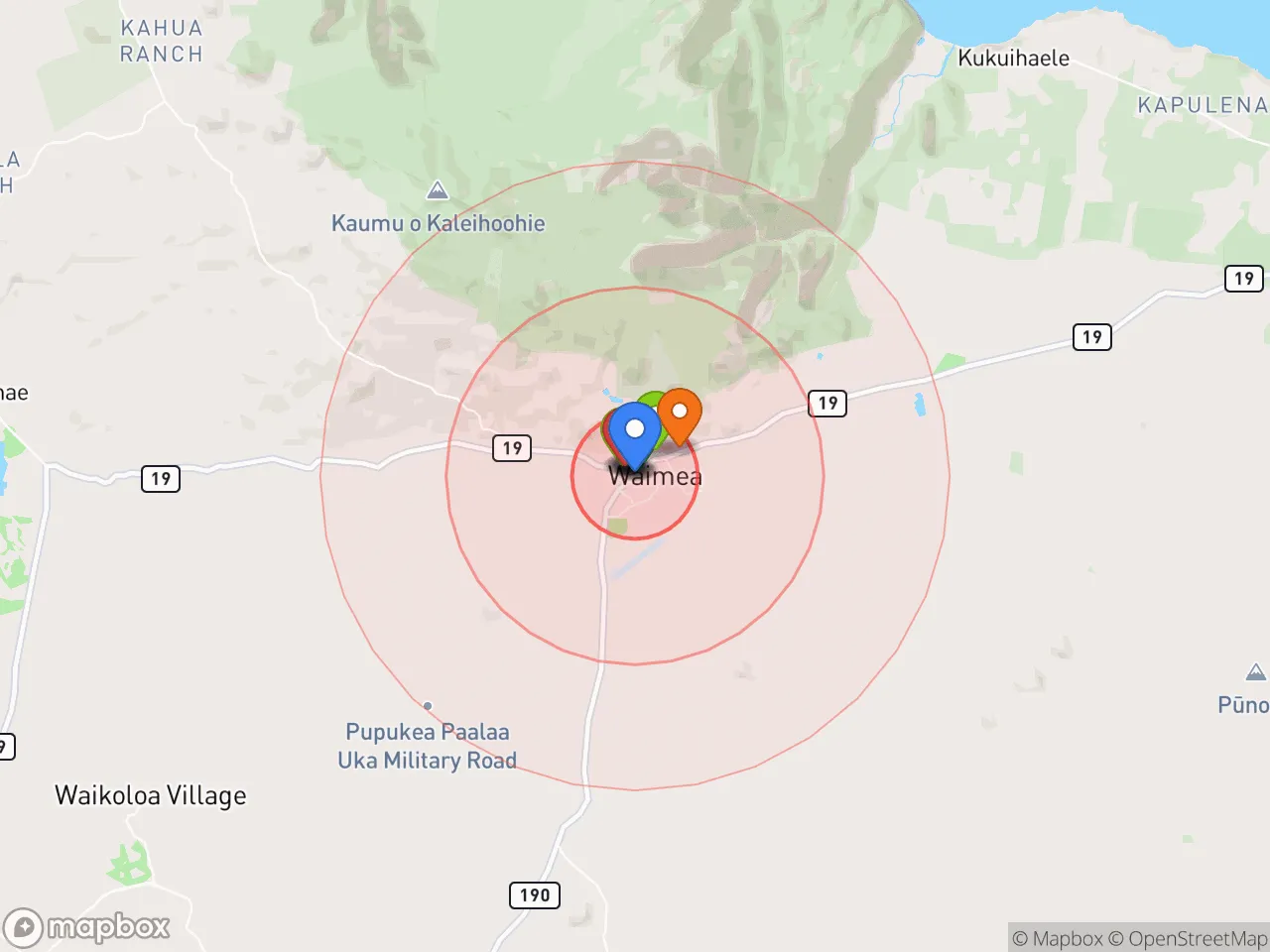
Explore the areaGroceries
0 within 10 miles
Gas
4 within 10 miles
Hospital
4 within 20 miles
Airport
Daniel K. Inouye International Airport
Post Office
USPS — Waimea, HI
Critical Amenities
Quality-of-Life Analysis
Waimea, on the Big Island’s lush upcountry slopes, stands apart as one of Hawaii’s most affluent and family-oriented communities, drawing a mix of multi-generational ranching families, professionals commuting to Kona or Hilo, and second-home buyers seeking cooler temperatures and wide-open spaces. With a cost of living index of 198—nearly double the U.S. average—the area commands a premium for its distinct paniolo (Hawaiian cowboy) culture, private schools, and access to both the Kohala Coast resorts and Mauna Kea’s high-altitude observatories. The population of roughly 9,000 is notably stable, with a median age around 40, reflecting a community where long-term residents and newcomers alike prioritize space, safety, and a slower pace over urban convenience.
Cost of living and housing affordability compared to Kona and Hilo
Housing in Waimea is expensive but not as stratospheric as in Kailua-Kona or coastal resort areas. The median home value sits at $652,900, roughly 15% below the Hawaii statewide median, while median rent is $2,039—about $300 less than comparable rentals in Kona. This relative affordability comes with trade-offs: inventory is tight, and many homes sit on large lots (often 1–5 acres) that require well water and septic systems. The average commute of 28.96 minutes reflects the reality that most jobs are in Kona (45 minutes south) or Hilo (50 minutes east), with few large employers within Waimea itself beyond Parker Ranch, Hawaii Preparatory Academy, and the Waimea Medical Center. Groceries and utilities are 25–30% above mainland averages, though local farmers’ markets and ranches help offset some food costs for residents who buy direct.
Schools, amenities, and what daily life feels like in Waimea
Waimea punches above its weight in education, anchored by two highly rated private schools—Hawaii Preparatory Academy (K–12) and Parker School (K–12)—which draw families from across the island. Public school options include Waimea Elementary and Waimea Middle School, both rated above average by the state, though high school students typically commute to Honokaa or Kealakehe. Daily life revolves around the town’s compact core: the Waimea Farmers Market (Saturdays), the historic Parker Ranch Center with its grocery and retail, and a handful of local eateries like the Village Burger and Merriman’s. For recreation, residents have immediate access to the Waimea Nature Park, the Kohala Mountain Trail for hiking, and the nearby Waipiʻo Valley lookout. The climate is a major draw—daytime highs average 70–75°F year-round, with frequent afternoon showers that keep the landscape emerald—but the trade-off is persistent wind and occasional vog (volcanic smog) from Kīlauea, which can affect sensitive individuals.
Waimea is best suited for families and professionals who value space, strong schools, and a tight-knit rural community over nightlife or beachfront living. The high cost of living and long commutes to major employment centers mean it works best for those with remote-capable jobs, existing wealth, or employment at the area’s anchor institutions. Retirees and second-home buyers will appreciate the mild climate and lower crime rates compared to Hilo or Kona, but should budget carefully for property maintenance and utility costs. For anyone seeking an authentic upcountry Hawaii lifestyle—where cattle ranches, clear night skies, and neighborly familiarity define the rhythm—Waimea offers a quality of life that is hard to replicate elsewhere on the island.

Crime in Waimea, HI
Generally safer than 64% of comparable U.S. locations.
Violent CrimeViolent Crime Analysis
Property CrimeProperty Crime Analysis
Crime Analysis
Waimea, on the Big Island’s lush northern plateau, presents a notably safer environment than many mainland communities of comparable size, with violent crime rates well below the national average. The community’s 200.2 violent crimes per 100,000 residents is roughly half the U.S. rate of 380 per 100,000, while property crime at 1,586.9 per 100,000 sits slightly above the national average of 1,954 per 100,000. However, the overall safety picture is complicated by Hawaii’s progressive judicial philosophy, which prioritizes rehabilitation over incarceration and often results in reduced sentences or diversion programs for repeat offenders.
Crime in context
Waimea’s violent crime rate is significantly lower than the Hawaii state average of 250 per 100,000 and dramatically below the U.S. average. The most common violent incidents are simple assaults, with robbery and homicide being rare. Property crime, while below the national average, is the more pressing concern, driven largely by vehicle break-ins and package thefts, particularly in areas near the Waimea town center and the Parker Ranch shopping corridor. It is important to note that Hawaii’s justice system, influenced by progressive district attorneys and judges, frequently employs deferred prosecution and restorative justice circles for property offenders, meaning many individuals arrested for theft or burglary are released without jail time. This approach, while intended to reduce recidivism, can result in repeat property offenders cycling through the system without meaningful consequences, a dynamic that residents should factor into their safety calculus.
What residents experience
Most Waimea residents report feeling safe walking their neighborhoods and using local parks, especially in the established residential areas of Kamuela and the gated communities near the Mauna Kea resort corridor. However, the progressive legal environment creates a tangible risk for property owners. Vehicle break-ins at trailheads and shopping centers are the most common crime residents encounter, with thieves targeting rental cars and unlocked vehicles. The Hawaii County Police Department maintains a visible presence in Waimea, but officers often express frustration that arrested property offenders are quickly released under the state’s bail reform policies. Residents should be aware that the local judiciary’s emphasis on “alternatives to incarceration” means that even repeat property criminals may face minimal jail time, a factor that can embolden theft in the area.
Neighborhood-level variation is modest but notable. The newer subdivisions along the Kohala Mountain Road, such as Pu‘u Pā and the Waimea Heights area, experience lower property crime due to private security patrols and neighborhood watch programs. In contrast, older neighborhoods closer to the town core, particularly along Mamalahoa Highway and the Kamuela Industrial Park, see higher rates of package theft and vehicle break-ins. The Parker Ranch lands, while scenic, have limited street lighting and police patrols, making them more vulnerable to after-hours property crime. For those considering a move, homes with secure parking and visible security cameras are strongly recommended, as the combination of Hawaii’s lenient justice system and Waimea’s rural layout creates conditions where property crime, while not rampant, is a persistent nuisance that requires proactive mitigation.
* Values derived from national, state, county, city and local statistics and may differ in a specific area. Last updated: 2026-04-24T00:08:45.000Z
Narrative content on this page is AI-generated and may contain mistakes. Verify any details that matter before acting on them.
ReloMaps may earn a commission from affiliate links at no extra cost to you.

