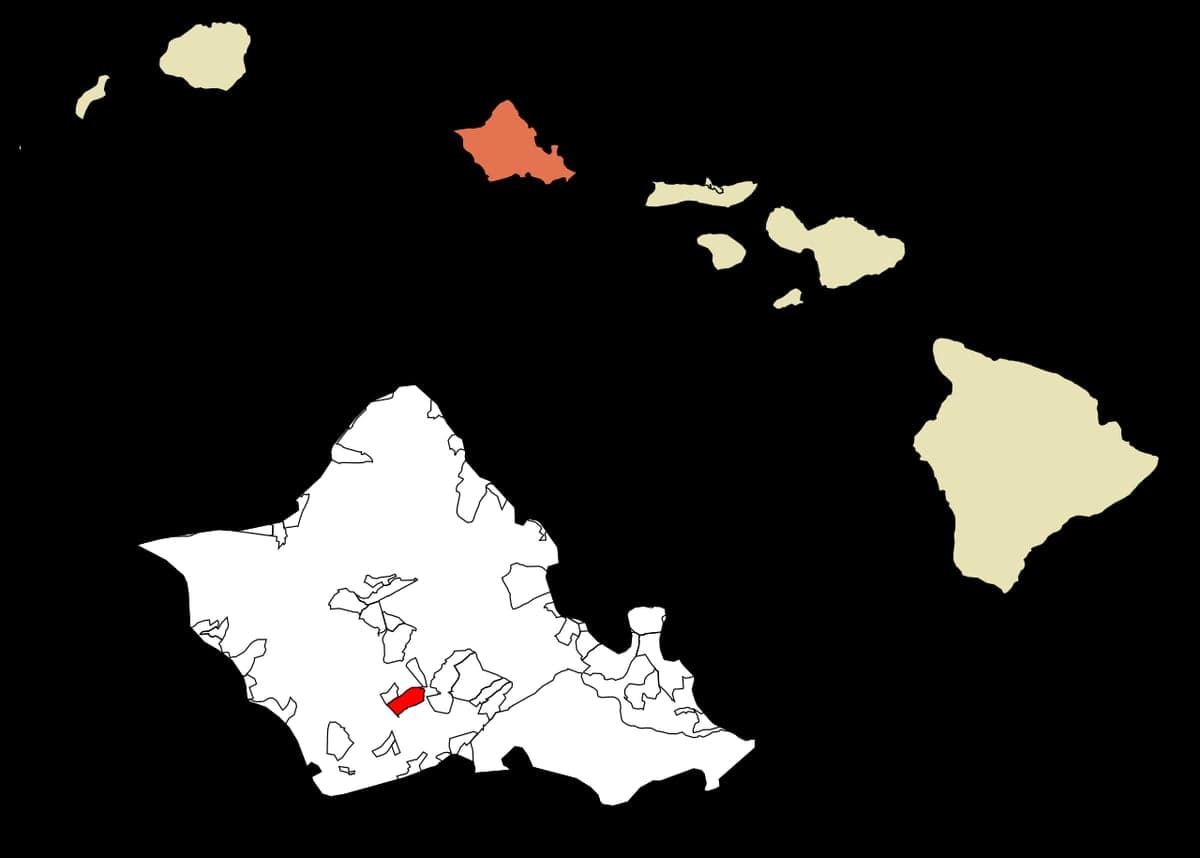
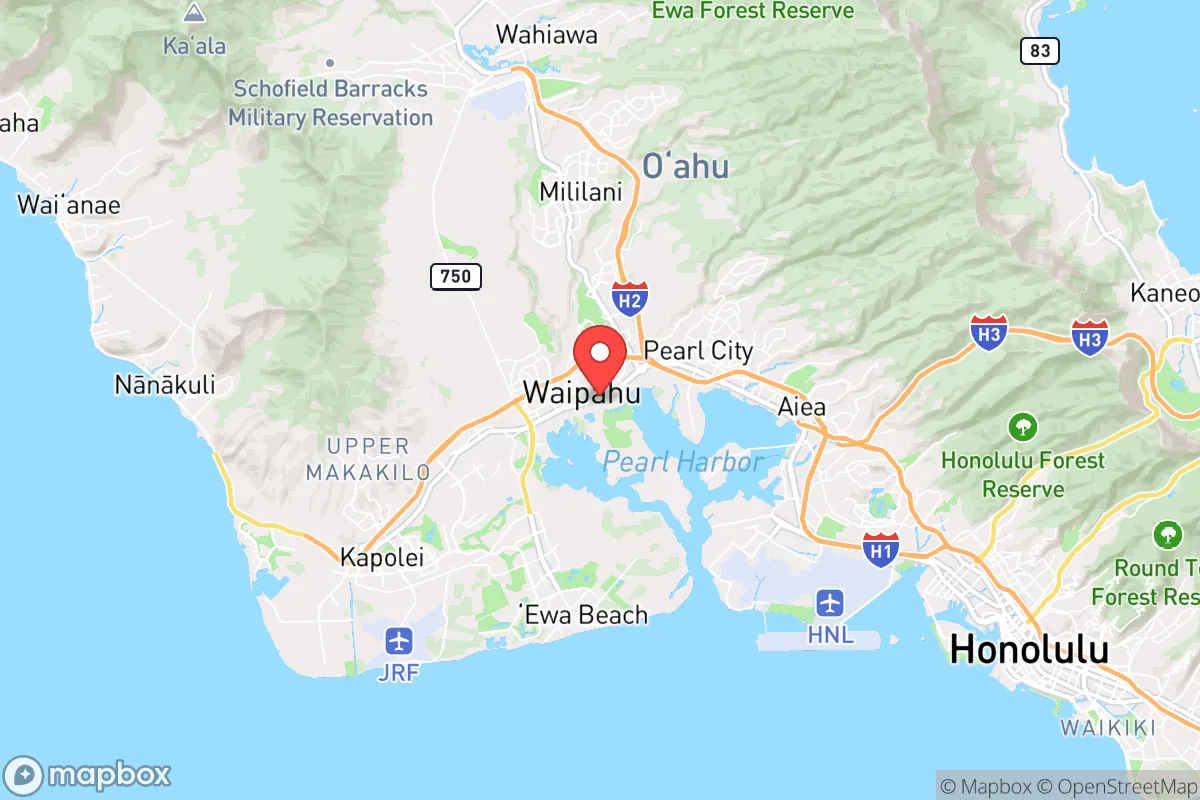
Photo: Wikipedia
Quality of Life in Waipahu, HI
A high quality of life with strong walkability, manageable living costs, healthy neighborhood signals, and solid amenity access.
What does Quality of Life tell us?
Quality of Life blends cost of living, nearby amenities, socioeconomic signals, and neighborhood character. City-level scores represent the whole municipality; individual neighborhoods can differ.
What does this tell us?
Quality of Life blends cost of living, nearby amenities, socioeconomic signals, and neighborhood character. City-level scores represent the whole municipality; individual neighborhoods can differ.
Cost of Living
100% above national average
The Real Cost of Living in Waipahu, HI for 2026
| Tier | Individual | Family (4) |
|---|---|---|
| Survival | $25k | $48k |
| Comfortable | $114k | $168k |
| Luxury | $167k+ | $259k+ |
| Elite (Top 5%) | $197k+ | $305k+ |
59%
The Area Signal
A metric tracking the socioeconomic signals of the area.
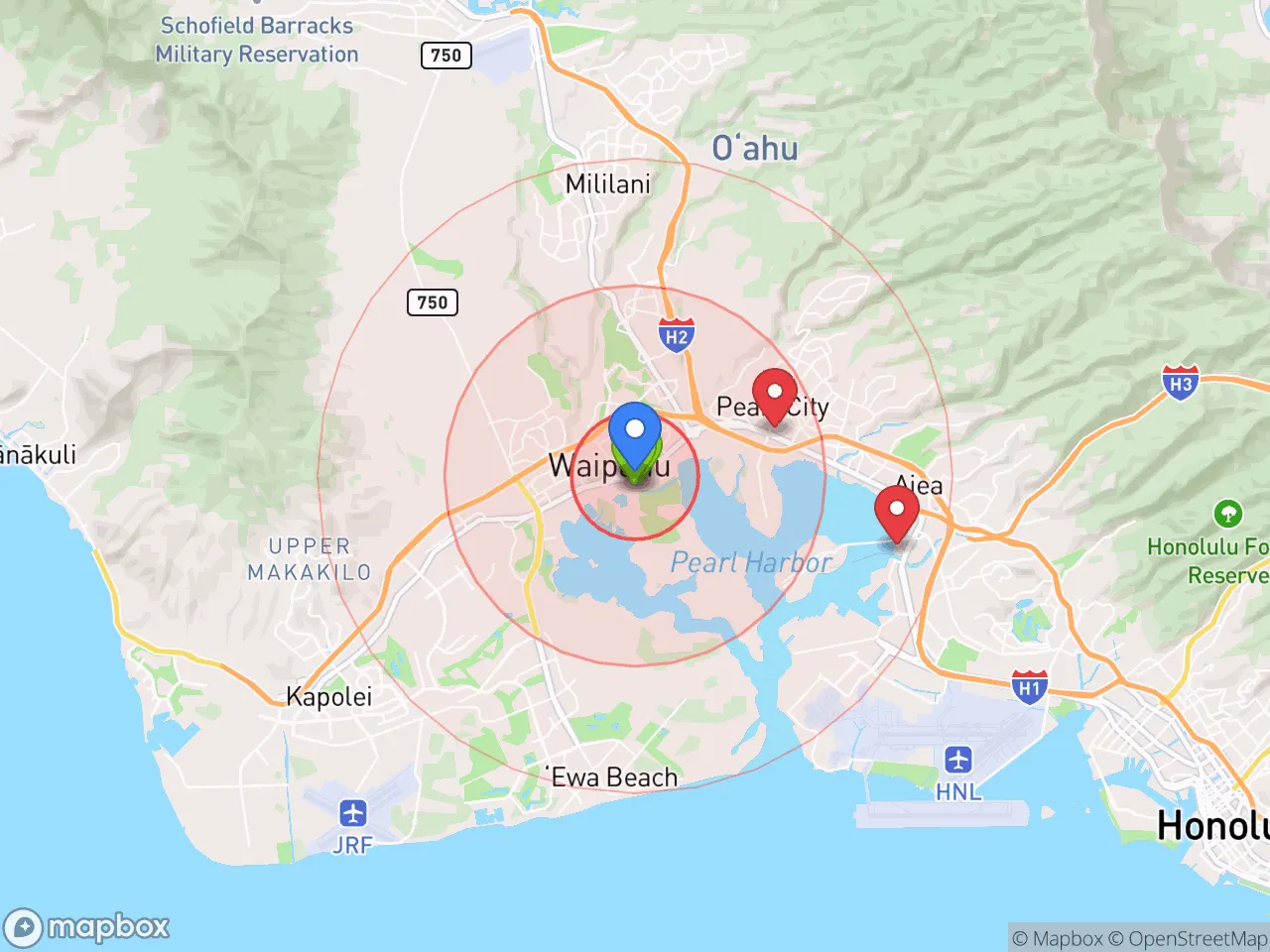
Hobbies
Explore the areaGroceries
5 within 10 miles
Gas
20 within 10 miles
Hospital
15 within 20 miles
Airport
Daniel K. Inouye International Airport
Post Office
USPS — Waipahu, HI
Critical Amenities
Quality-of-Life Analysis
Waipahu presents a distinct quality-of-life profile within Oahu’s urban core, blending a high cost of living with a strong sense of community and practical access to Honolulu’s job market. With a cost-of-living index of 200—double the national average—the area is not affluent in the traditional sense but rather a middle-to-working-class hub where many residents prioritize proximity to employment and established local networks over disposable income. The population is predominantly Filipino and Asian-American, with a large number of multigenerational households, reflecting a community deeply rooted in family and local traditions rather than transient professional relocations.
Cost of living and housing affordability compared to Honolulu and Ewa Beach
Waipahu’s housing market sits at a notable premium, with a median home value of $835,400—roughly 15% below Honolulu’s median but significantly higher than more distant suburbs like Kapolei. Renters face a median rent of $1,585, which is about $200 less per month than comparable units in Pearl City, making Waipahu one of the more affordable rental options within the urban Honolulu corridor. However, the average commute of 32 minutes—longer than the Oahu average of 28 minutes—reflects the trade-off: lower housing costs come with a daily drive or bus ride into Honolulu’s central business district. For buyers, the price-to-income ratio is steep; a household earning the area median income of roughly $82,000 would need nearly 10 years of gross income to afford the median home, pushing many toward long-term renting or multigenerational living arrangements.
Schools, parks, and daily life rhythm in Waipahu
Daily life in Waipahu revolves around a compact, walkable town center anchored by Waipahu Town Center and the historic sugar mill district. The area is served by the Hawaii Department of Education’s Waipahu Complex, which includes Waipahu High School—a Title I school with a strong career academy program in health sciences and engineering—and several elementary schools with average test scores slightly below state benchmarks. For recreation, residents use the 40-acre Waipahu District Park, which features baseball fields, a skate park, and a community pool, while the nearby Pearl Harbor Historic Trail offers a paved path for jogging and cycling. The daily rhythm is heavily influenced by shift work: many residents work in hospitality, retail, or military support roles at Joint Base Pearl Harbor-Hickam, leading to a staggered rush hour that peaks between 6:00 AM and 8:00 AM. Local dining leans toward plate lunches, Filipino bakeries, and poke shops, with few fine-dining options, reinforcing the area’s blue-collar, family-oriented character.
Waipahu is best suited for families and long-term residents who value community ties and affordable (by Oahu standards) housing over urban amenities or career advancement in white-collar sectors. The area’s high cost of living relative to mainland norms will challenge newcomers, but for those already embedded in Oahu’s economy—especially workers at Pearl Harbor, the airport, or Honolulu’s service industries—Waipahu offers a stable, culturally rich base with reasonable commute times and a slower pace than downtown Honolulu. Singles or remote workers seeking nightlife or walkable urban density will find Waipahu too quiet and car-dependent, while retirees on fixed incomes may struggle with the housing costs unless they own a home outright.

Crime in Waipahu, HI
Generally safer than 64% of comparable U.S. locations.
Violent CrimeViolent Crime Analysis
Property CrimeProperty Crime Analysis
Crime Analysis
Waipahu, a census-designated place on the island of Oahu, presents a mixed safety profile that requires careful consideration for potential residents. While its violent crime rate of 200.2 incidents per 100,000 residents is notably lower than the national average, its property crime rate of 1,586.9 per 100,000 significantly exceeds both state and national benchmarks, making property theft and burglary the primary safety concerns for those living in this community.
Crime in context
Waipahu's violent crime rate sits well below the U.S. average of roughly 380 per 100,000, but it is slightly above the Hawaii state average of approximately 170 per 100,000. The property crime rate, however, is a more pressing issue. At nearly 1,587 per 100,000, it is roughly 50% higher than the national average and significantly exceeds the Hawaii state average of about 1,200 per 100,000. This disparity is partly attributable to the broader Honolulu metro area's high population density and transient visitor economy, which create more opportunities for theft from vehicles and residential burglaries. The Honolulu Police Department's Fourth Patrol District, which covers Waipahu, has reported that property crimes—particularly thefts from unlocked cars and package thefts—are the most frequently reported incidents.
What residents experience
Daily life in Waipahu for most residents involves a heightened awareness of property security. Car break-ins and home burglaries are the most common complaints, especially in neighborhoods near the Waipahu Town Center and along the Farrington Highway corridor. Violent encounters, such as assault or robbery, are far less common but do occur, often concentrated in areas with higher foot traffic and late-night activity. The local justice system, operating under Hawaii's progressive criminal justice reforms—including bail reform and a focus on diversion programs—has been criticized by some residents for contributing to a perception of leniency. Critics argue that progressive policies, while intended to reduce incarceration, can lead to repeat property offenders cycling back into the community, undermining the sense of safety for law-abiding residents and victims of crime.
Neighborhood-level variation
Safety in Waipahu is not uniform. The newer, master-planned communities in the Waipahu "Town" area (e.g., around the Waipahu Transit Center and the new retail developments) tend to have lower reported crime rates due to better lighting, private security patrols, and more engaged homeowners' associations. In contrast, older residential areas closer to the sugar mill ruins and along the more industrial sections of Farrington Highway see higher rates of property crime and occasional gang-related activity. For the most current block-level data, prospective residents should consult the Honolulu Police Department's crime mapping tool, which shows that the safest pockets are typically the gated or newer subdivisions, while the highest-risk areas are near major bus stops and commercial corridors.
* Values derived from national, state, county, city and local statistics and may differ in a specific area. Last updated: 2026-04-24T00:04:23.000Z
Narrative content on this page is AI-generated and may contain mistakes. Verify any details that matter before acting on them.
ReloMaps may earn a commission from affiliate links at no extra cost to you.

