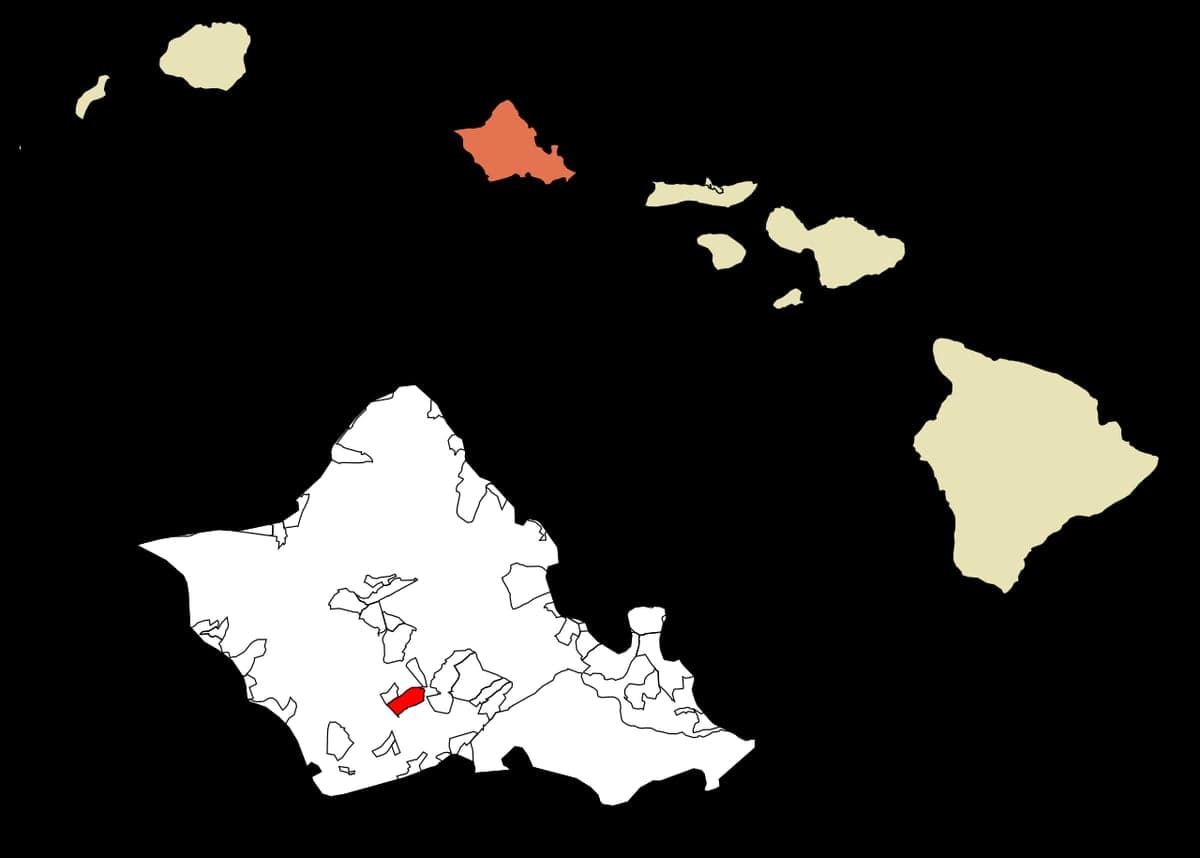
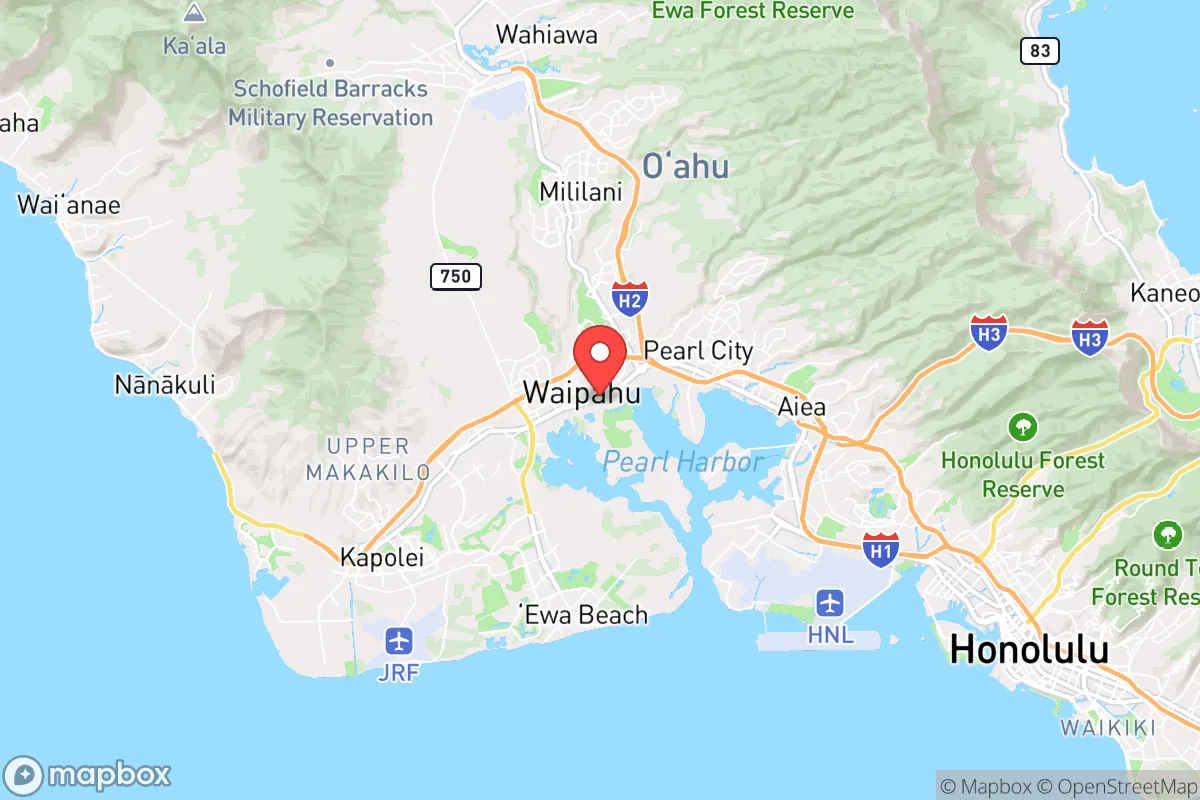
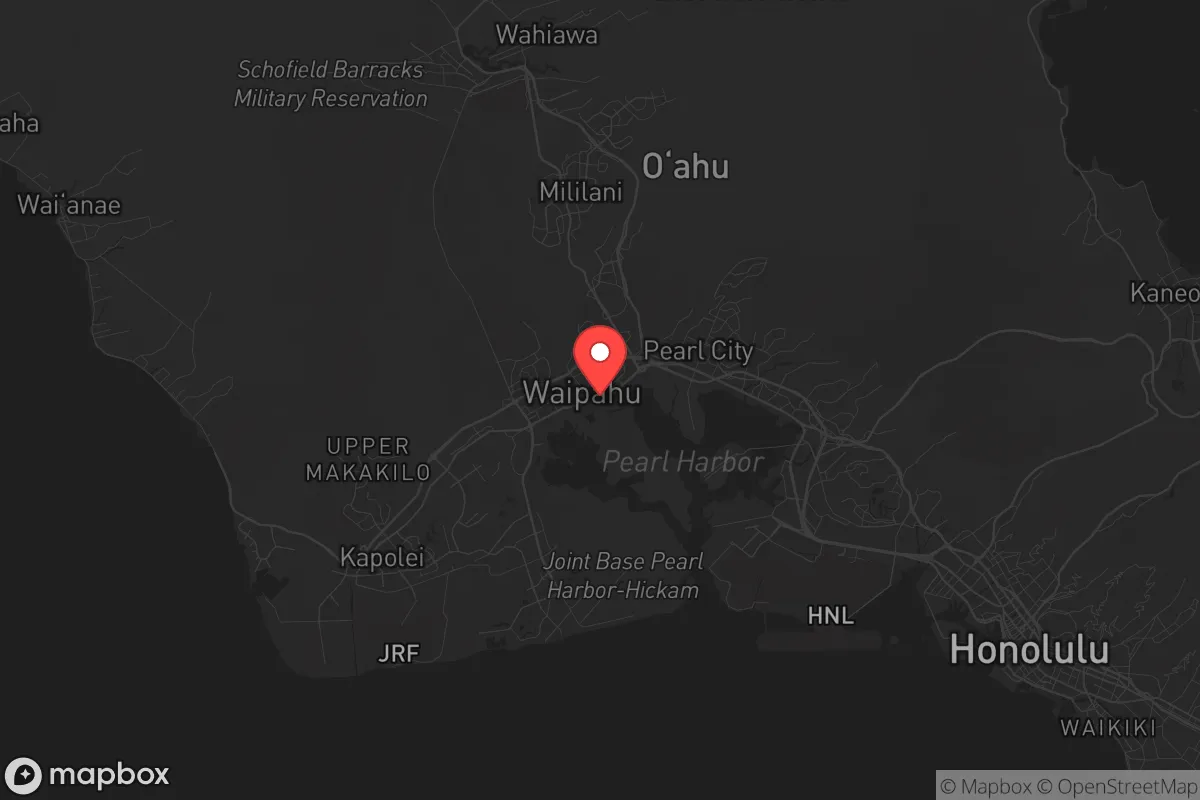
Photo: Wikipedia
Find The Best Places To Live
in Waipahu
PRO TIP! You can paste a Zillow or Redfin link to get info on that property.
What It's Like Living in Waipahu, HI
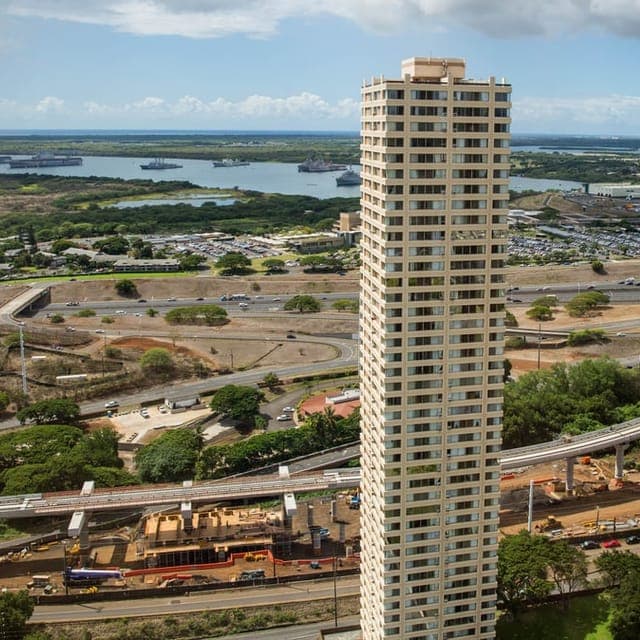
Waipahu feels less like a tourist postcard and more like the real Hawaii—a working-class town on O‘ahu’s central plain where sugar plantation history meets modern suburban life. It’s a place where the smell of plate lunch from a corner drive-in mixes with the rumble of the H-1 freeway, and where most folks know each other by their kids’ school or their weekend fishing spot. If you’re looking for a quiet, affordable slice of island life away from the resort crowds, Waipahu offers a grounded, family-first rhythm that’s both welcoming and unpretentious.
Daily Rhythm: What Life Actually Looks Like Here
Most mornings in Waipahu start early—often before sunrise—because the average commute clocks in at just over 32 minutes, and that’s on a good day. The H-1 freeway is the main artery, and it’s a grind heading into Honolulu for work. But that commute also means you get to live in a community where the median income sits at $98,633, well above the national average, and where many residents are in their prime working years (median age is 39.7). Weekends are for the simple stuff: hitting the Waipahu Town Center for groceries at Don Quijote, grabbing a plate of chicken katsu from L&L Hawaiian Barbecue, or heading to Waipahu Cultural Garden Park for a family picnic under the banyan trees. The pace is slower than Honolulu, but not sleepy—there’s always a Little League game at Waipahu District Park or a weekend market at the old plantation mill.
Sports, Schools, and Community Pride
High school sports are a big deal here—Waipahu High School (the Marauders) draws serious crowds for football and volleyball games, and the rivalry with nearby Pearl City or Campbell High can fill the bleachers on a Friday night. There’s no major pro team in Waipahu itself, but the University of Hawai‘i Rainbow Warriors in Manoa are a short drive away, and locals follow them closely. The schools themselves are the social hub: parent-teacher events, band concerts, and fundraisers are where neighbors actually connect. That said, only 18.6% of adults hold a college degree, which is low by national standards—so the community leans heavily on trade skills, military service, and hospitality jobs. The Waipahu High School alumni network is tight; people who grew up here often stay or return after college.
What’s There to Do: Food, Festivals, and Outdoor Life
Entertainment here is low-key and local. The Waipahu Festival (usually in May) celebrates the town’s Filipino and plantation heritage with food booths, live music, and a parade down Farrington Highway. For a night out, locals head to Dave & Buster’s at the nearby Waikele Premium Outlets or grab a drink at Mango Mango’s in the town center. The real draw is the outdoors: Waipahu’s proximity to the Ko‘olau Range means hiking trails like the Wa‘ahila Ridge or Manoa Falls are within 20 minutes. Fishing off the Pearl Harbor shoreline is a weekend ritual for many, and the Ewa Beach shoreline is a 15-minute drive for swimming or surfing. The weather is consistently warm (mid-80s year-round), but the trade winds keep it from feeling sticky—though the rainy season (November to March) can bring afternoon downpours that flood low-lying streets.
Pros and Cons of Living in Waipahu
- Pros: The cost of living index is 200 (double the US average), but the median home value of $835,400 is actually lower than many O‘ahu neighborhoods—so you get more space for your money. The community is family-oriented, with strong ties to local schools and churches. The food scene is authentic: Zippy’s for chili, Sam’s Seafood for poke, and the Waipahu Food Court for Filipino specialties like dinuguan and lumpia.
- Cons: The violent crime rate of 200.2 per 100,000 is above the national average—property crime is the bigger headache, with car break-ins and package thefts common in some neighborhoods. Traffic is the #1 complaint: the H-1 westbound in the afternoon can turn a 20-minute drive into an hour. The weather’s humidity can feel oppressive in summer, and the lack of nightlife (no clubs, few bars) means younger singles often head to Honolulu for entertainment.
Cultural Quirks and Local Identity
Waipahu’s identity is rooted in its plantation past—the old Waipahu Sugar Mill (now a museum) is a landmark, and many families trace their roots to Filipino, Japanese, and Portuguese laborers who worked the cane fields. You’ll hear Pidgin English spoken in everyday conversation, and the local custom of “talk story” (hanging out and chatting) is alive at the Waipahu Public Library or the Filipino Community Center. One quirk: the town is divided by the H-1 freeway, so “above the freeway” (the newer subdivisions) and “below the freeway” (the older plantation homes) have slightly different vibes—the former is more suburban, the latter more historic. For parents, the Waipahu Elementary School and August Ahrens Elementary are community anchors, hosting summer programs and holiday events that keep the neighborhood tight. It’s not a place for people who want isolation—here, you’ll know your neighbors, for better or worse.

Similar towns to Waipahu
* Values derived from national, state, county, city and local statistics and may differ in a specific area. Last updated: 2026-04-24T00:04:23.000Z
Narrative content on this page is AI-generated and may contain mistakes. Verify any details that matter before acting on them.
ReloMaps may earn a commission from affiliate links at no extra cost to you.

