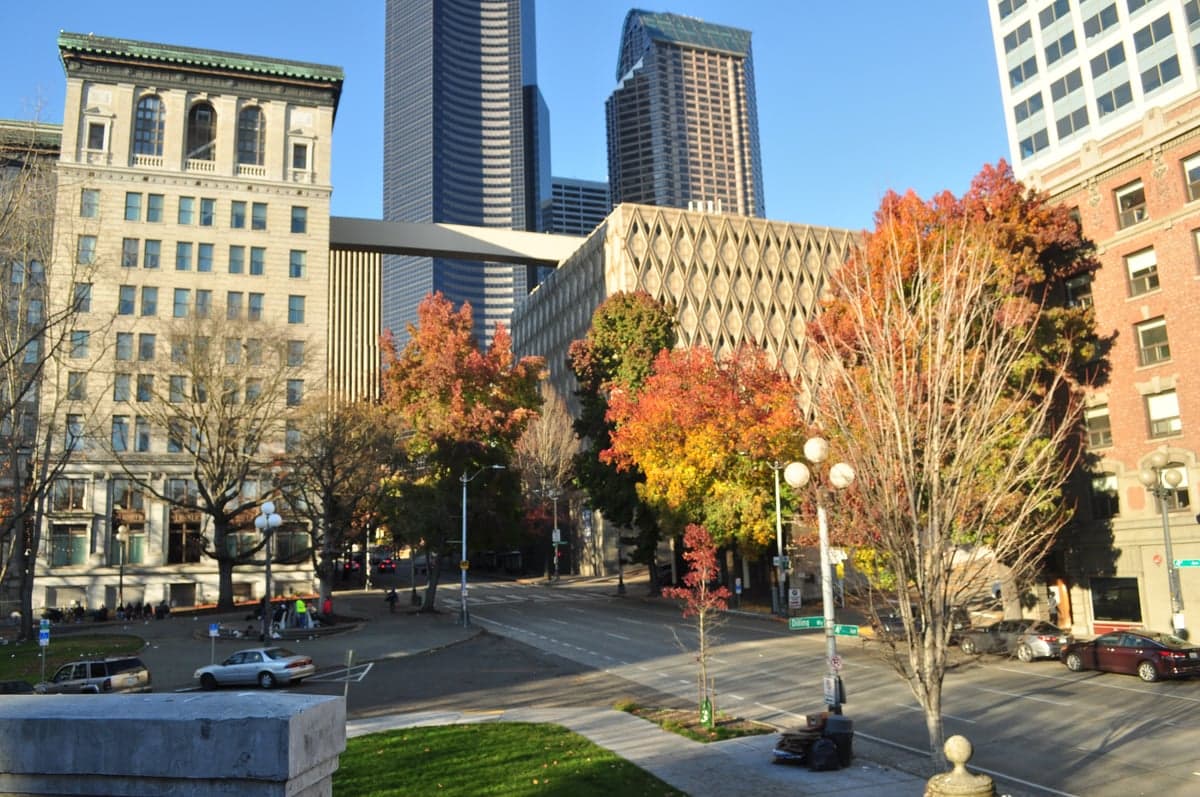
Photo: Wikipedia
Quality of Life in King County
A livable area that tracks near national norms for affordability, walkability, and neighborhood health.
What does Quality of Life tell us?
Quality of Life measures an area by evaluating factors like cost of living, nearby amenities, country club access, airport proximity, socioeconomic signals and neighborhood character. For large states, this is a general average — quality of life can vary dramatically between metro areas, suburbs, and rural communities within the same state.
What does this tell us?
Quality of Life measures an area by evaluating factors like cost of living, nearby amenities, country club access, airport proximity, socioeconomic signals and neighborhood character. For large states, this is a general average — quality of life can vary dramatically between metro areas, suburbs, and rural communities within the same state.
Cost of Living
120% above national average
53%
The Real Cost of Living in King County for 2026
| Tier | Individual | Family (4) |
|---|---|---|
| Survival | $32k | $61k |
| Comfortable | $158k | $232k |
| Luxury | $221k+ | $342k+ |
| Elite (Top 5%) | $282k+ | $437k+ |
Quality-of-Life Analysis
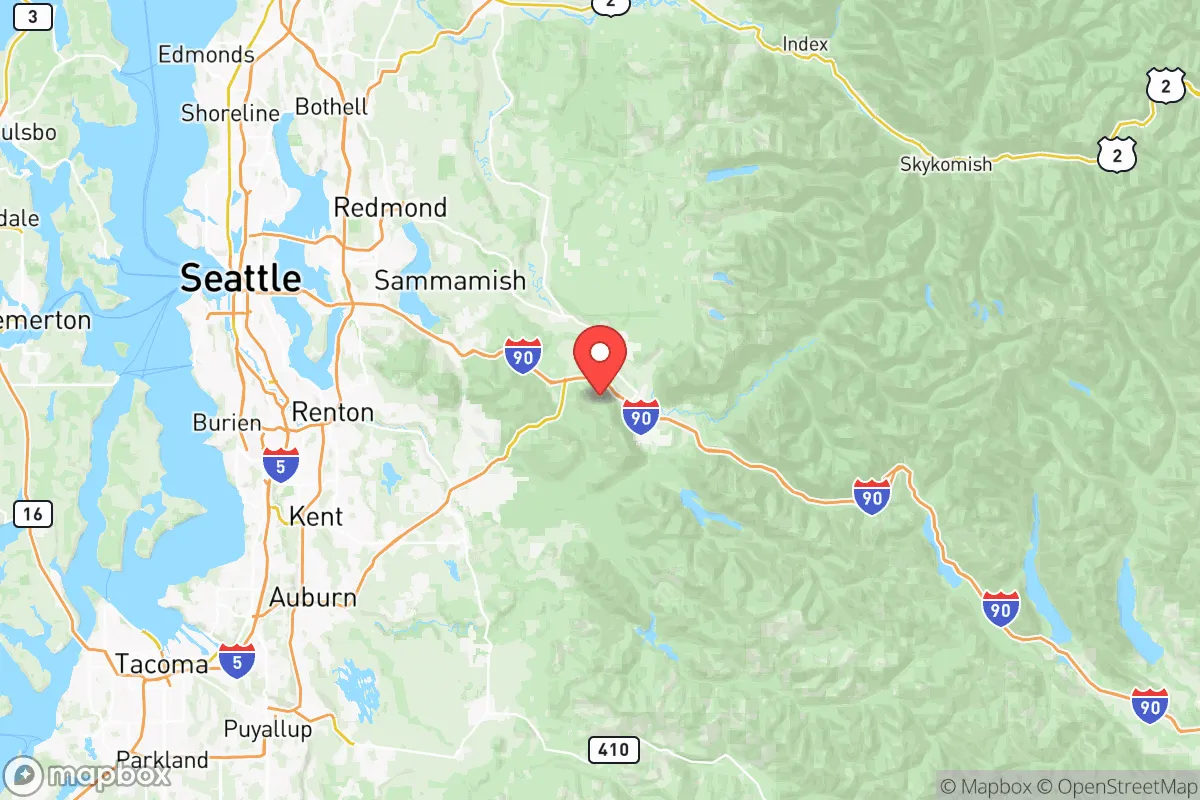
King County spans a striking quality-of-life range, from the dense urban core of Seattle and its high-tech suburbs to semi-rural towns and mountain communities. The county attracts everyone from tech executives and startup employees drawn to Bellevue and Redmond to commuters seeking more space in places like Enumclaw or Snoqualmie Pass, as well as those looking for small-town character in the foothills. The countywide cost-of-living index sits at 220 (more than double the U.S. average), with a median home value of $811,200 and a median rent of $2,035, but these figures mask wide variation across different parts of the county.
Largest town(s) & population centers
Seattle is the county's dominant city, offering a dense urban lifestyle with waterfront parks, a thriving restaurant scene, and major employment hubs in downtown and South Lake Union. East of Lake Washington, Bellevue and Redmond form the heart of the Eastside technology corridor, home to Microsoft, Amazon offices, and hundreds of tech firms. Daily life in these cities features high walkability in some neighborhoods, strong public transit connections, and a median home value far above the county average. Kirkland, Issaquah, and Renton provide a slightly lower-cost alternative with more traditional suburban layouts, while Federal Way and Auburn offer more affordable housing options and a mix of blue- and white-collar employment. The average commute across the county is about 28 minutes, but that figure can stretch to 45+ minutes for workers traveling from outlying areas into Seattle or Bellevue.
Smaller towns & rural pockets
Beyond the suburban ring, King County contains distinct smaller towns and unincorporated areas. Enumclaw is the county's most rural town, sitting at the base of Mount Rainier with a population around 12,000 and a farm-and-timber economy. North Bend and Snoqualmie are growing exurbs that blend small-town feel with easy access to Interstate 90; Snoqualmie's iconic railroad history and movie-famous feel attract families who can tolerate the 35-minute commute to Bellevue. Skykomish is a tiny alpine community on the county's eastern edge, essentially a single-road hamlet on the way to Stevens Pass. On the water, Vashon Island is accessible only by ferry and maintains an independent, artsy, agricultural character with no chain stores. Rural pockets also exist in Maple Valley, Black Diamond, Carnation, and Duvall — each offering acreage, forests, and lower housing prices than the urban core.
Cost & lifestyle range
The cost spread inside King County is substantial. At the high end, Mercer Island and Medina report median home values exceeding $2 million, with lakefront access and top-ranked schools. Seattle's Capitol Hill and Queen Anne neighborhoods also command premium prices for walkable urban living. On the more affordable end, areas like Auburn, Kent, and Enumclaw offer median home values in the $500,000–$650,000 range — well below the county median but still high by national standards. Renters fare similarly: a one-bedroom in downtown Seattle can run $2,200+, while the same unit in Auburn or Federal Way may be $1,400–$1,600. Lifestyle amenities vary accordingly: urban residents have walkable access to museums, nightlife, and bike-share; suburban areas offer strip malls and big-box stores; rural towns lack high-end dining but provide direct hiking, fishing, and quieter streets. Countywide transit through King County Metro and Sound Transit links most population centers, though frequency drops sharply in the exurban east.
King County offers few compromises for those who dislike crowds or high housing costs. The people who thrive here are those who either earn a high income and want urban amenities, work in tech or healthcare and value proximity to employers, or are willing to accept a long commute for more space and access to the Cascade foothills. Retirees, families seeking open land, and outdoor enthusiasts will find the most satisfaction in the smaller towns, while professionals and creatives are well served by Seattle and the Eastside. No single lifestyle dominates this county, but every resident navigates a cost of living that demands deliberate budgeting — or a generous salary.

Crime in King County
Crime rates similar to the national median for U.S. locations.
Violent CrimeViolent Crime Analysis
Property CrimeProperty Crime Analysis
Crime Analysis
King County, Washington, reports a violent crime rate of 281.8 offenses per 100,000 residents and a property crime rate of 1,955.3 per 100,000, placing violent crime below the 2022 national average of approximately 380 per 100,000 while property crime hovers near the national norm. However, the county's size and deep urban-suburban divide mean safety varies dramatically by neighborhood, and progressive criminal-justice policies in King County’s core have drawn criticism for contributing to visible disorder and recidivism, particularly in Seattle and its surrounding cities.
Crime in context: King County vs. state and national rates
King County’s violent crime rate of 281.8 per 100K is significantly lower than the national average but slightly above the statewide Washington rate of roughly 300 per 100K when adjusted for population density. The property crime rate of 1,955.3 per 100K effectively matches the national average of about 1,954, yet it far exceeds rates in comparable suburban counties such as Snohomish or Pierce. This data reflects the drag exerted by high-crime urban centers like Seattle and Kent, where auto thefts, shoplifting, and burglaries drive totals upward. Prosecutor Leesa Manion’s office has been criticized for prioritizing diversion programs and declining to prosecute many low-level property offenses, a stance critics argue emboldens repeat offenders and undercuts deterrence. The result is a county where crime headlines are concentrated in a few jurisdictions but perception of safety is shaped by progressive judicial philosophy county-wide.
What residents experience daily
For most King County residents, the most frequent safety concern is property crime: car prowls, package thefts, and catalytic converter thefts are common from Auburn to Redmond. Violent crime, while less frequent, feels more acute in cities like Renton and Seattle’s downtown core, where open drug use and homelessness intersect with public safety failures. Residents in suburban areas such as Sammamish and Mercer Island report far lower victimization rates—often below 100 violent crimes per 100K—but still face property crime at rates comparable to state averages. Commuters and small business owners frequently cite the lack of accountability for repeat property offenders, as King County’s jail population has been reduced under progressive "decriminalization" policies, and many arrests result in quick release without charges. This cycle directly affects quality of life, with locked cars broken into overnight and retail losses passed on to consumers.
Neighborhood-level variation matters
King County is a tale of two safety profiles. The urban core—Seattle, Renton, Kent—records violent and property crime rates well above the county average, fueled by concentrated poverty, drug markets, and a prosecutorial environment that often prioritizes treatment over incarceration. By contrast, Eastside cities like Bellevue, Redmond, and Sammamish boast violent crime rates 60–80% lower than the county average, with robust police funding and stricter municipal codes that reduce visible disorder. Even within safe areas, however, property crime remains a persistent nuisance; a car parked overnight in Bellevue’s Crossroads neighborhood is far more likely to be rifled through than one in a gated community. Any relocation decision hinges on which King County city you choose—and whether you value the progressive social policies of the county government over the deterrence-oriented approach of more conservative suburbs.
* Values derived from national, state, county, city and local statistics and may differ in a specific area. Last updated: 2026-05-24T06:22:55.000Z
Narrative content on this page is AI-generated and may contain mistakes. Verify any details that matter before acting on them.
ReloMaps may earn a commission from affiliate links at no extra cost to you.

