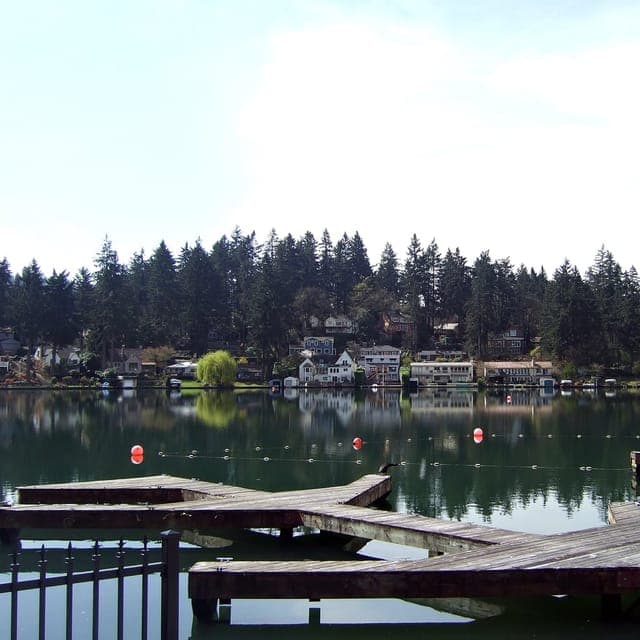
Photo: Wikipedia
Find The Best Places To Live
in Issaquah
PRO TIP! You can paste a Zillow or Redfin link to get info on that property.
What It's Like Living in Issaquah, WA
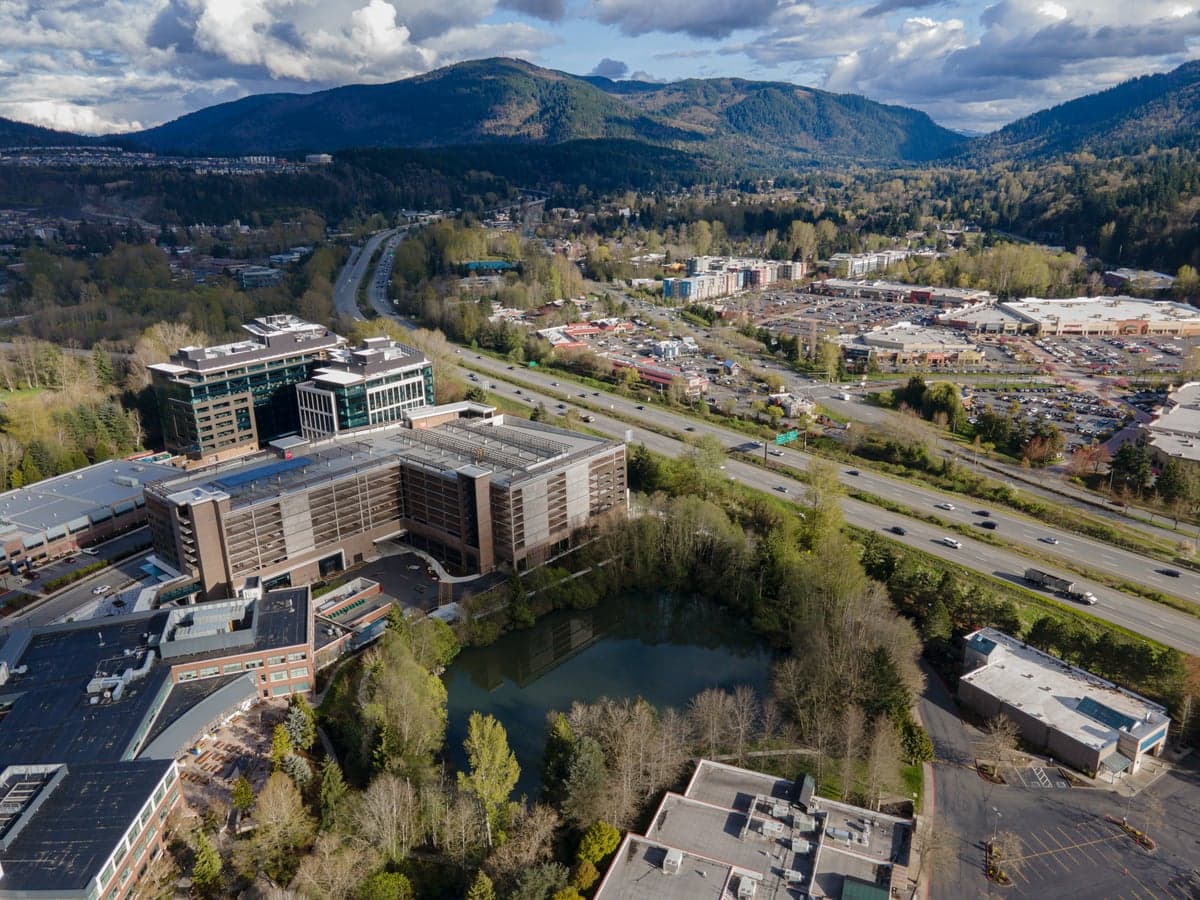
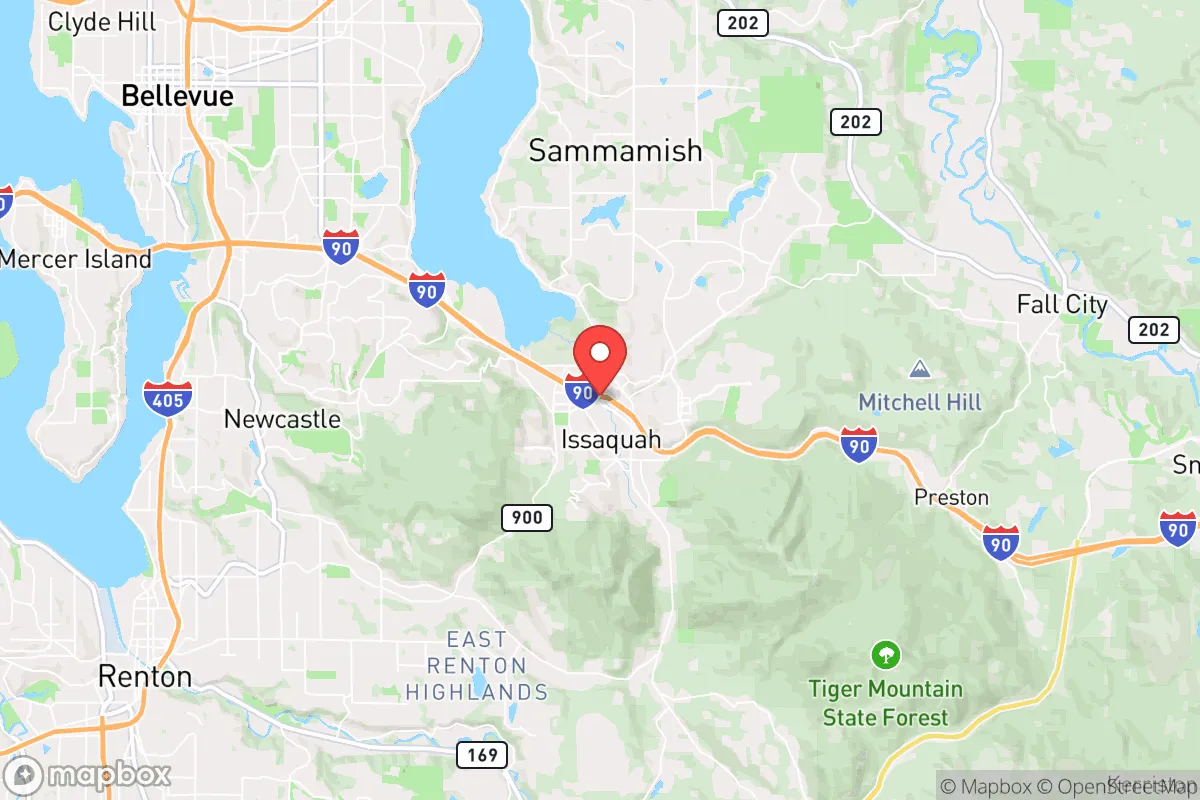
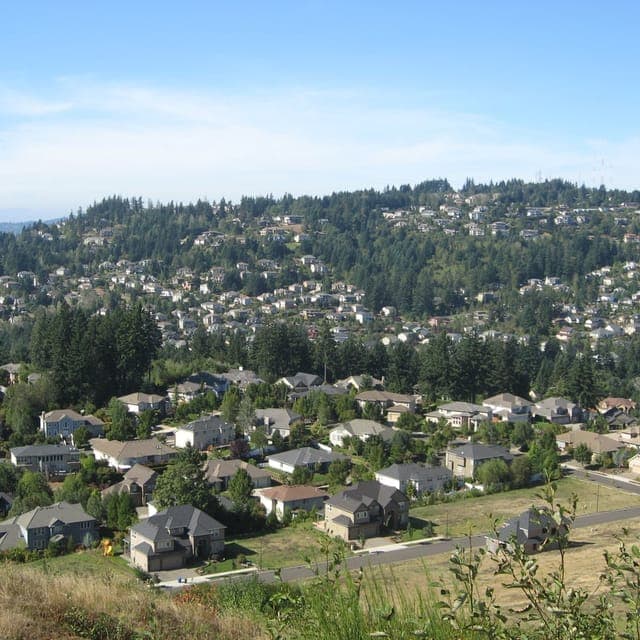
Issaquah, Washington, has a way of surprising people. It’s not quite a suburb, not quite a mountain town—it’s a place where you can grab a latte at a drive-through, then be on a hiking trail in under ten minutes. With about 39,500 residents, it feels like a small city that grew up fast, and the mix of old logging-town roots and new tech money gives it an identity that’s hard to pin down. For a conservative-leaning audience, Issaquah offers a rare blend: solid schools, low violent crime, and a pace of life that still feels grounded, even as Seattle’s influence creeps closer.
Daily Rhythm: Where Tech Meets the Outdoors
Most mornings in Issaquah start with a commute—the average drive is about 27 minutes, which is manageable but real. People head west toward Bellevue or Seattle for jobs at Microsoft, Amazon, or T-Mobile, or they stay local at Costco’s headquarters, which is a major employer here. The median household income sits at $153,786, and that number shows in the cars in the parking lots and the price of a house. Median home values are around $934,100, and the cost of living index is 261—more than two and a half times the national average. That’s the biggest barrier for anyone moving here: you need a solid dual-income household or a well-compensated remote job to make the numbers work.
Weekends are where Issaquah shines. Families head to Lake Sammamish State Park for paddleboarding or to the Issaquah Highlands for a network of trails that connect right from neighborhoods. The local farmers market on Saturdays is a genuine gathering spot, not a tourist trap—you’ll see the same faces week after week. For groceries, people split between the QFC on Gilman and the Fred Meyer near the freeway, but the real local staple is Issaquah Coffee Company, a no-frills spot where you can overhear everything from PTA meeting planning to startup pitches.
Sports, Schools, and Community Identity
High school sports are a bigger deal here than in many suburbs of its size. Issaquah High School’s football and basketball games draw solid crowds, and the rivalry with Skyline High School in Sammamish is genuine—people plan their fall Fridays around it. There’s no pro team in town, but the Seattle Seahawks and Mariners are the default allegiances, and you’ll see flags and jerseys everywhere during the season. Youth sports are intense but not overbearing; soccer and lacrosse are the big ones, and the fields at Central Park are busy from spring through fall.
The schools themselves are a major reason families move here. 69.6% of adults hold a college degree, and the Issaquah School District consistently ranks among the top in Washington. That creates a community where education is a shared priority, but it also means property taxes are high and competition for school programs can feel real. The median age is 37.2, which tracks with a population heavy on parents in their thirties and forties—people who are established in their careers and serious about where their kids go to school.
What’s There to Do: Festivals, Food, and the Outdoors
Issaquah’s social calendar revolves around a few anchor events. The Issaquah Salmon Days Festival in early October is the big one—it draws over 100,000 visitors over a weekend, with a parade, craft booths, and live music. It’s a genuine community effort, not a corporate production, and locals either love it or leave town to avoid the crowds. For nightlife, options are limited but solid. The Issaquah Brew House is the go-to for a casual beer and burger, and Bozzuto’s has been serving Italian-American comfort food since the 1960s—it’s the kind of place where the waitstaff remembers regulars. For something more upscale, Fins Bistro on Front Street does a good happy hour.
Outdoor access is the real draw. Cougar Mountain Regional Wildland Park has over 40 miles of trails right at the edge of town, and you can be on the summit of Tiger Mountain in under an hour from your front door. That’s the trade-off: you trade nightlife density for trailhead access. People here are active—running clubs, mountain biking groups, and paddleboard meetups are easy to find. The weather is typical Pacific Northwest: gray and drizzly from November through March, with summers that are genuinely stunning—blue skies, 75 degrees, and daylight until 9 PM.
Pros and Cons of Living Here
- Pro: Safety. The violent crime rate is 45.5 per 100,000—well below the national average. Property crime exists but is mostly car break-ins near trailheads, not the kind of thing that keeps people up at night.
- Con: Cost. The median home value of $934,100 and a cost of living index of 261 mean that even well-off families feel the squeeze. Rentals are scarce and expensive.
- Pro: Schools. The Issaquah School District is a genuine asset, with strong test scores and a range of extracurriculars. It’s a major reason families stay.
- Con: Traffic. I-90 is the only major artery, and it backs up during commute hours. The 27-minute average commute can turn into 45 on a bad day, especially during ski season when everyone heads to Snoqualmie Pass.
- Pro: Outdoor access. You can hike, bike, paddle, or ski within 20–40 minutes. That’s not an exaggeration—it’s the core of daily life here.
- Con: Limited nightlife. If you want bars open past 10 PM or a live music scene beyond cover bands, you’re driving to Seattle or Bellevue.
Issaquah works best for people who value stability, good schools, and quick access to nature over urban energy. It’s a place where you can raise kids, build a career, and still feel like you live in the Pacific Northwest rather than just a bedroom community. The trade-offs are real—the cost, the traffic, the gray winters—but for the right person, those are prices worth paying.

Similar towns to Issaquah
* Values derived from national, state, county, city and local statistics and may differ in a specific area. Last updated: 2026-04-21T11:10:16.000Z
Narrative content on this page is AI-generated and may contain mistakes. Verify any details that matter before acting on them.
ReloMaps may earn a commission from affiliate links at no extra cost to you.

