 Popular
Photo: Wikipedia
Find The Best Places To Live
in Kirkland
PRO TIP! You can paste a Zillow or Redfin link to get info on that property.
What It's Like Living in Kirkland, WA
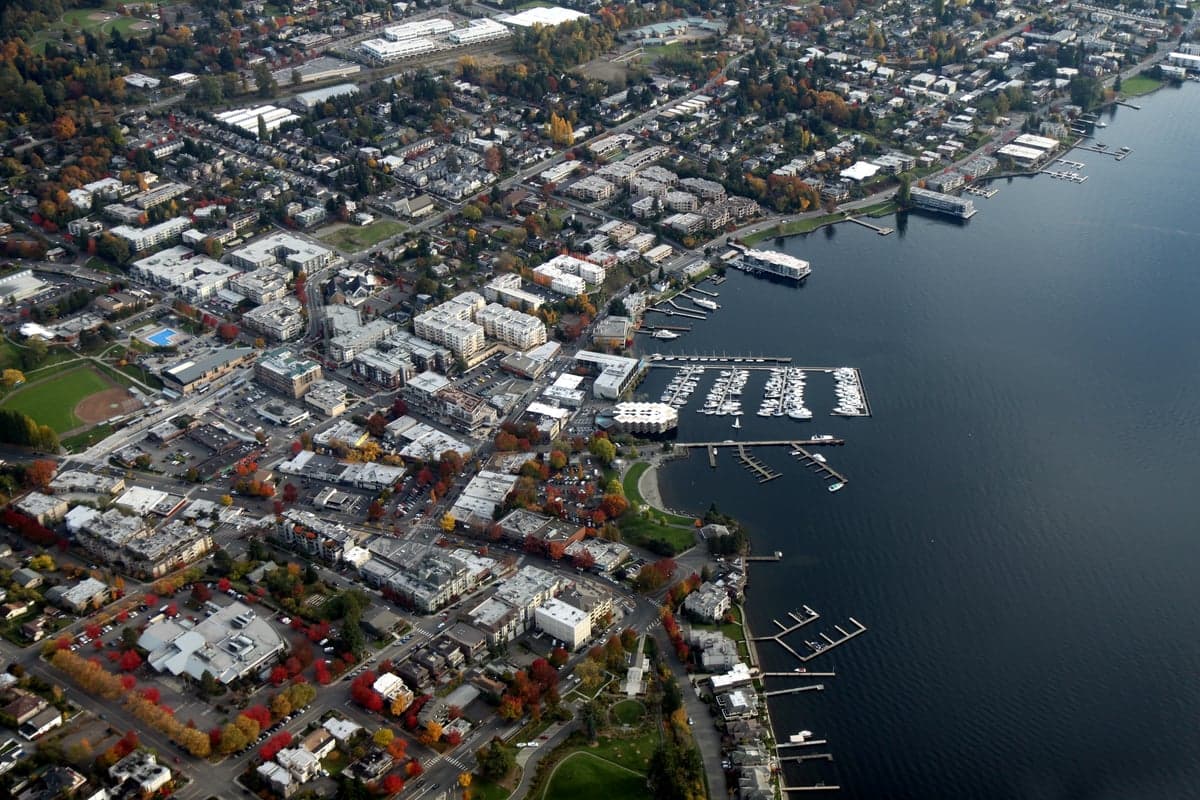
Kirkland manages to feel like a small lakeside town that accidentally became a tech hub. You get the postcard views of Lake Washington and the Olympic Mountains, but the daily reality is more about crowded sidewalks, expensive groceries, and a surprising number of people walking dogs in Patagonia vests. It’s a place where your neighbor might be a Microsoft manager, a retired Boeing engineer, or a young family who just sold a condo in Bellevue to afford a fixer-upper here.
Daily Rhythm: Coffee, Commute, and the Waterfront
Most mornings in Kirkland start with a line at Five Stones Coffee or Mercury Coffee on the waterfront. The downtown core—especially along Lake Street and Park Lane—is compact enough to walk, but you’ll drive for almost everything else. The average commute is just over 24 minutes, which sounds reasonable until you realize that’s the average; people heading to Microsoft in Redmond or Amazon in Seattle often sit in 45-minute traffic on the 520 bridge. The city’s median age of 38.2 reflects a population heavy on working professionals and parents of young kids. Weekends revolve around the Kirkland Saturday Market (April through October), where locals grab produce and artisan bread, then walk over to Marina Park to watch sailboats. Summer evenings mean packed patios at Beachhouse Bar + Grill or Treasure Hunt for fish and chips, but winter is quieter—many restaurants close early, and the lakefront gets cold and windy.
Who Fits In Here (and Who Doesn’t)
Kirkland skews affluent and educated—64.4% of adults hold a bachelor’s degree or higher, and the median household income is $143,533. That pays for the lifestyle, because the cost of living index sits at 266 (more than 2.5 times the national average). The median home value is just over $1 million, so renters and first-time buyers often look to Juanita or Kingsgate neighborhoods for slightly older, smaller homes. The kind of person who thrives here is someone who values outdoor access (kayaking, hiking at Bridle Trails State Park, running the Cross Kirkland Corridor trail) and doesn’t mind that “nightlife” means a brewery patio by 9 PM. Families dominate the Totem Lake area, where the new Village at Totem Lake shopping center has a Whole Foods, a movie theater, and a surprisingly good ramen spot (Kizuki). Singles in their 20s often feel Kirkland is too sleepy and move closer to Capitol Hill or Ballard, but couples and parents appreciate the strong school system and low violent crime rate—64.4 per 100,000 residents, which is well below the national average.
Sports, Festivals, and What People Actually Do for Fun
Sports culture here is more participatory than spectator. High school football games at Lake Washington High School draw decent crowds, especially for the annual rivalry game against Juanita High, but no one’s skipping work for it. The big annual event is Kirkland Summerfest (July), a three-day street fair with live music, a beer garden, and a car show that shuts down downtown. Kirkland Uncorked (September) brings wine tasting to Marina Park, and the 4th of July fireworks over Lake Washington are genuinely impressive—locals stake out spots at Houghton Beach Park by early afternoon. For music, the Kirkland Performance Center hosts smaller touring acts and comedy shows, but most people drive to Seattle for concerts. Outdoor life is the real draw: kayak rentals at Carillon Point, paddleboarding on the lake, and the 5.5-mile Cross Kirkland Corridor trail that cuts through the city on an old rail line. The lack of a major pro sports team in Kirkland itself means residents adopt the Seahawks, Mariners, or Kraken, but it’s not a defining part of local identity.
Pros and Cons of Living Here
- Pro: Lake access is unmatched. You can launch a kayak from your neighborhood park and be on open water in five minutes. The waterfront parks (Marina, Houghton, Juanita Beach) are clean and well-maintained.
- Con: Traffic is worse than people admit. The 405 and 520 corridors jam up daily, and surface streets like 85th and 116th get clogged during school drop-off and rush hour.
- Pro: Schools are strong. Lake Washington School District consistently ranks among the top in the state, which is a major reason families pay the premium to live here.
- Con: Everything costs more. A modest dinner for two at a mid-range restaurant runs $80-$100. Gas, groceries, and services all carry a “Lake Washington surcharge.”
- Pro: It’s safe and clean. Violent crime is rare, and property crime is manageable—most issues are car break-ins near trailheads.
- Con: The weather grinds on some people. Overcast skies from November through February can feel oppressive, and seasonal affective disorder is a real topic of conversation.
Longtime residents love that Kirkland still has a distinct identity separate from Seattle or Bellevue—it’s not just a bedroom community. But they’ll also tell you the city has gotten pricier and busier in the last decade, and the small-town feel they moved for is fading. For a conservative-leaning audience, Kirkland leans left politically (King County is reliably blue), but the city’s focus on safety, schools, and property values resonates across the spectrum. If you can afford the entry price and don’t mind gray winters, it’s a comfortable, functional place to raise a family or settle into a career. Just budget for that commute and buy a good rain jacket.

Similar small cities to Kirkland
* Values derived from national, state, county, city and local statistics and may differ in a specific area. Last updated: 2026-04-21T11:17:20.000Z
Narrative content on this page is AI-generated and may contain mistakes. Verify any details that matter before acting on them.
ReloMaps may earn a commission from affiliate links at no extra cost to you.

