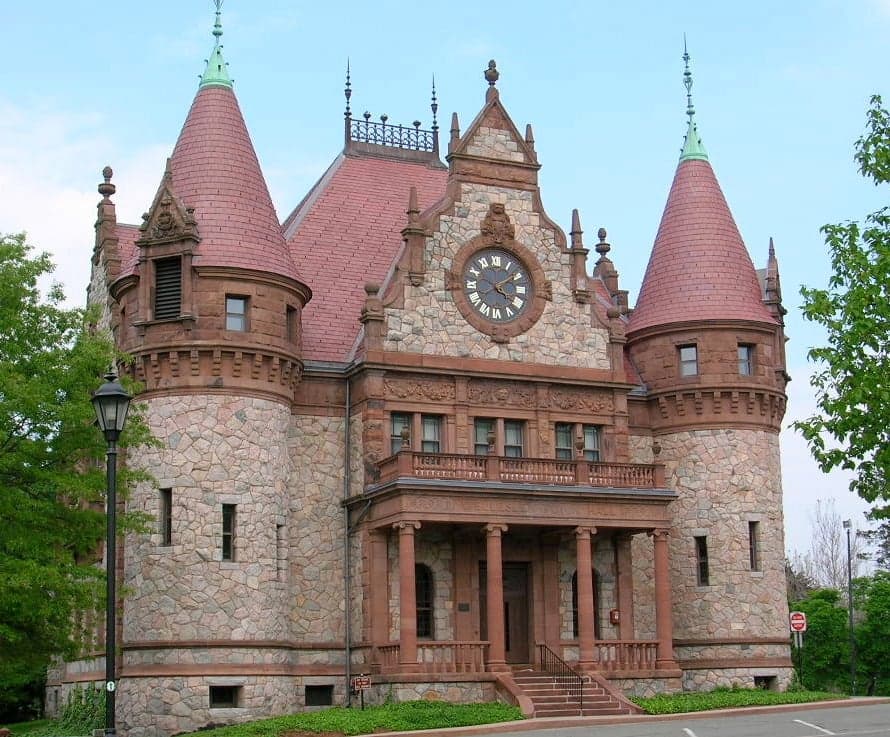
Photo: Wikipedia
Quality of Life in Wellesley, MA
A high quality of life with strong walkability, manageable living costs, healthy neighborhood signals, and solid amenity access.
What does Quality of Life tell us?
Quality of Life blends cost of living, nearby amenities, socioeconomic signals, and neighborhood character. City-level scores represent the whole municipality; individual neighborhoods can differ.
What does this tell us?
Quality of Life blends cost of living, nearby amenities, socioeconomic signals, and neighborhood character. City-level scores represent the whole municipality; individual neighborhoods can differ.
Cost of Living
262% above national average
The Real Cost of Living in Wellesley, MA for 2026
| Tier | Individual | Family (4) |
|---|---|---|
| Survival | $45k | $85k |
| Comfortable | $294k | $432k |
| Luxury | $452k+ | $700k+ |
| Elite (Top 5%) | $617k+ | $956k+ |
58%
The Area Signal
A metric tracking the socioeconomic signals of the area.


Hobbies
Explore the areaGroceries
2 within 10 miles
Gas
0 within 10 miles
Hospital
3 within 20 miles
Airport
BOS — Boston Logan International
Post Office
USPS — Boston, MA
Critical Amenities
Quality-of-Life Analysis
Wellesley, Massachusetts, is one of the most affluent communities in Greater Boston, with a cost-of-living index of 362—more than three and a half times the national average—and a median home value of $1,513,400. The town attracts a highly educated, professional population, including executives, academics, and medical professionals drawn by its proximity to Boston, top-ranked public schools, and a quiet, tree-lined suburban character. Residents overwhelmingly hold advanced degrees, and the community is known for its civic engagement, low crime rates, and a lifestyle centered on family, education, and outdoor recreation.
Cost of living, housing, and affordability compared to nearby towns
Wellesley’s cost of living is among the highest in Massachusetts, driven almost entirely by housing. The median home value of $1,513,400 is roughly double the state median and about 2.5 times the national figure, placing it in the same bracket as neighboring Weston and Dover, though slightly below the most expensive suburbs like Brookline or Newton’s priciest pockets. Median rent sits at $2,849, which is significantly higher than the Boston metro average of around $2,400, though comparable to rents in nearby Needham and Newton. For buyers, a typical mortgage payment on a median-priced home—assuming a 20% down payment and current interest rates—exceeds $8,000 per month, making homeownership inaccessible to most households without substantial income or equity. Property taxes are also high, with an effective rate around 1.1% of assessed value, though Massachusetts offers a residential exemption that slightly reduces the burden for owner-occupants. Compared to Boston proper, Wellesley offers more space, better schools, and lower crime, but at a premium that prices out all but the top 10% of earners. Renters face a tight market with limited inventory, and the town’s zoning heavily favors single-family homes, with very few multifamily or affordable units available.
What daily life is like for families: schools, amenities, and commute
Daily life in Wellesley revolves around its public school system, which consistently ranks among the top in Massachusetts—Wellesley High School sends over 90% of graduates to four-year colleges, with strong feeder pipelines to Ivy League and top-tier universities. The town’s walkable village centers—Wellesley Hills, Wellesley Square, and Linden Square—offer boutique shopping, farmers’ markets, and dining options like the popular Blue Ginger and the Cottage. The average commute to downtown Boston is 28.3 minutes, facilitated by the MBTA Commuter Rail (Wellesley Farms, Wellesley Hills, and Wellesley Square stations) and direct access to the Mass Pike (I-90). Many residents also commute to nearby employment hubs in Cambridge, Waltham, and Framingham. Outdoor amenities include the 1,200-acre Wellesley College campus with its lake and trails, the Charles River Path, and multiple town parks like Hunnewell Field and Morses Pond, which offers summer swimming. The town’s crime rate is extremely low—violent crime is nearly nonexistent, and property crime rates are about 60% below the national average—contributing to a strong sense of safety and community. However, the social scene is heavily family- and school-oriented; singles and young professionals without children may find fewer nightlife or social options compared to Cambridge or Somerville.
Wellesley is best suited for families with school-age children who prioritize elite public education, safety, and a suburban lifestyle within easy reach of Boston’s job market. Dual-income professional couples with household incomes above $300,000 will find the cost manageable, while renters or those with more modest budgets may struggle to find housing. The town’s homogeneous affluence and limited diversity can feel insular to some, but for those seeking a top-tier school system, low crime, and a strong sense of community, Wellesley delivers a quality of life that few suburbs can match.

Crime in Wellesley, MA
Lower crime rates than 98% of comparable U.S. locations.
Violent CrimeViolent Crime Analysis
Property CrimeProperty Crime Analysis
Crime Analysis
Wellesley, Massachusetts, is one of the safest communities in the Boston metropolitan area, with violent crime rates that are a fraction of both the state and national averages. The town recorded a violent crime rate of just 47.2 incidents per 100,000 residents and a property crime rate of 220 per 100,000, figures that place it among the lowest-crime suburbs in the region. However, residents should be aware that the broader context of progressive criminal justice policies in Massachusetts—including lenient sentencing guidelines and district attorneys focused on diversion over incarceration—can create conditions that undermine public safety even in otherwise secure towns.
Crime in context
Wellesley’s violent crime rate is roughly 90% lower than the national average and about 85% lower than the Massachusetts state average. Property crime in Wellesley is also significantly below state norms, though it remains the more common concern for residents. For comparison, the national violent crime rate hovers around 380 per 100,000, while Massachusetts as a whole sits near 300 per 100,000. Wellesley’s numbers are more in line with rural or exurban communities than with a suburb of Boston. Yet the town is not immune to the effects of regional justice policies. Norfolk County, which includes Wellesley, has a district attorney who has publicly championed progressive reforms such as eliminating cash bail for most non-violent offenses and expanding pre-trial diversion programs. While these policies aim to reduce incarceration, they also mean that repeat property offenders—particularly those involved in organized retail theft rings or break-ins—may cycle through the system quickly, a pattern seen across Greater Boston.
What residents experience
For daily life in Wellesley, the most tangible safety issues involve property crime, especially package thefts, unlocked vehicle entries, and occasional home burglaries during school hours. Violent crime is exceptionally rare; the town typically sees zero homicides in a given year, and assaults are infrequent. The Wellesley Police Department maintains a visible community presence, with officers assigned to each school and a robust neighborhood watch network. However, the progressive legal environment in Massachusetts means that even when arrests are made, offenders—particularly juveniles and first-time property criminals—often face minimal consequences. This can be frustrating for residents who experience theft or vandalism, as the likelihood of prosecution and meaningful sentencing is lower than in more conservative jurisdictions. The nearby cities of Boston and Worcester, with their more aggressive diversion programs and district attorneys who deprioritize certain low-level offenses, can also push transient property crime into affluent suburbs like Wellesley.
Neighborhood-level variation in Wellesley is minimal, as the entire town benefits from high property values, excellent street lighting, and a well-funded police force. The area around the Wellesley Hills commuter rail station and the Linden Square commercial district sees slightly higher rates of car break-ins and shoplifting, but these remain low in absolute terms. The most significant safety concern for Wellesley residents is not the town itself, but the regional criminal justice philosophy: a system that prioritizes offender rehabilitation over public protection can erode the deterrent effect that keeps crime low. For families and professionals considering a move, Wellesley offers an exceptionally safe day-to-day environment, but one that exists within a state and county where progressive policies may gradually increase the risk of property crime and reduce accountability for offenders.
* Values derived from national, state, county, city and local statistics and may differ in a specific area. Last updated: 2026-04-16T01:00:27.000Z
Narrative content on this page is AI-generated and may contain mistakes. Verify any details that matter before acting on them.
ReloMaps may earn a commission from affiliate links at no extra cost to you.

