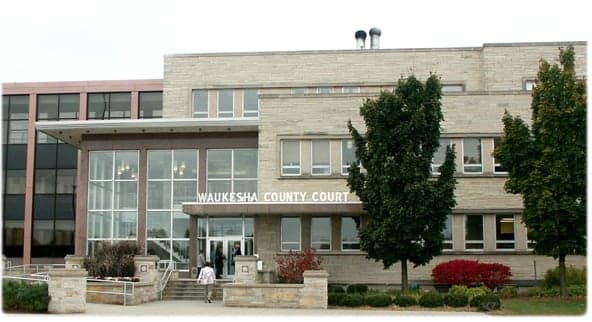
Photo: Wikipedia
Quality of Life in Waukesha County
A livable area that tracks near national norms for affordability, walkability, and neighborhood health.
What does Quality of Life tell us?
Quality of Life measures an area by evaluating factors like cost of living, nearby amenities, country club access, airport proximity, socioeconomic signals and neighborhood character. For large states, this is a general average — quality of life can vary dramatically between metro areas, suburbs, and rural communities within the same state.
What does this tell us?
Quality of Life measures an area by evaluating factors like cost of living, nearby amenities, country club access, airport proximity, socioeconomic signals and neighborhood character. For large states, this is a general average — quality of life can vary dramatically between metro areas, suburbs, and rural communities within the same state.
Cost of Living
20% above national average
98%
The Real Cost of Living in Waukesha County for 2026
| Tier | Individual | Family (4) |
|---|---|---|
| Survival | $21k | $39k |
| Comfortable | $73k | $107k |
| Luxury | $181k+ | $280k+ |
| Elite (Top 5%) | $212k+ | $329k+ |
Quality-of-Life Analysis
Waukesha County offers a broad spectrum of quality-of-life options, from dense, amenity-rich suburbs in the east to quiet, agricultural townships in the west. The county’s character shifts noticeably as you move from the Milwaukee County line toward the Kettle Moraine State Forest, attracting everyone from corporate commuters to hobby farmers. With a cost-of-living index of 120 (20% above the national average) and a median home value of $373,600, the county commands a premium for its schools, safety, and access to both urban and outdoor amenities.
Largest town(s) & population centers
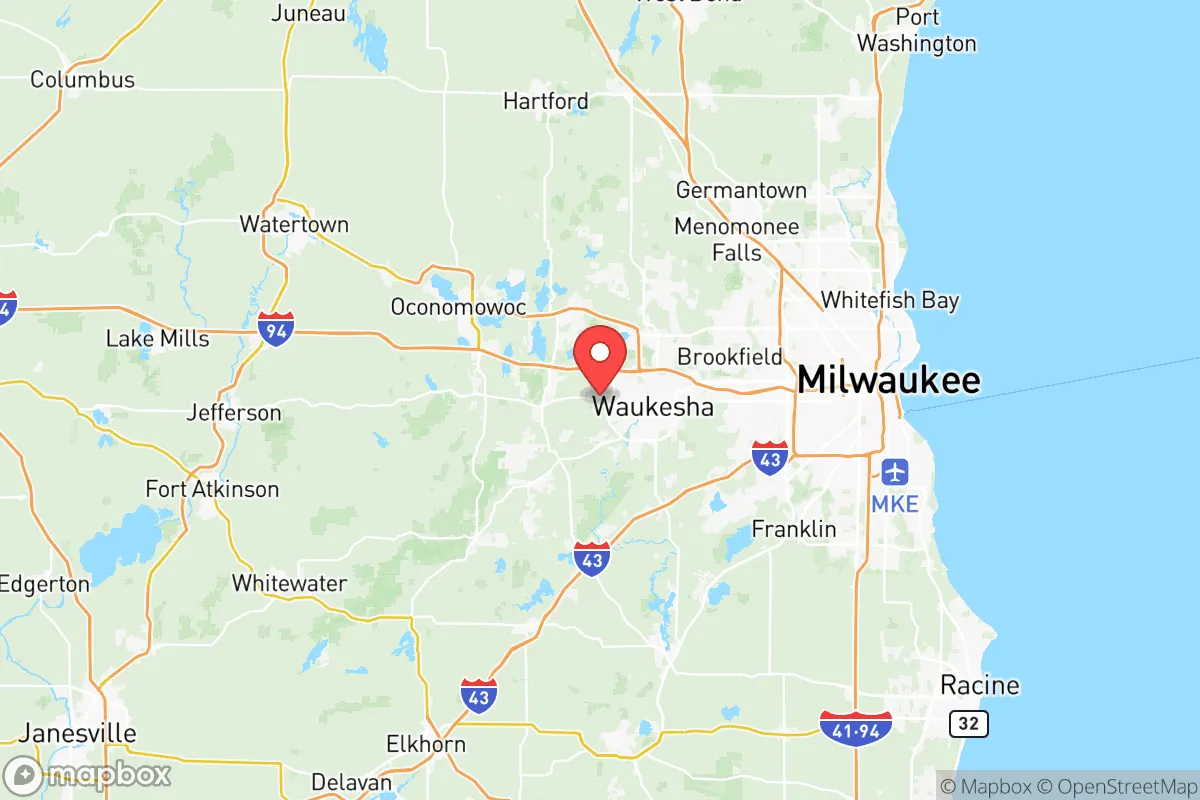
The eastern edge of Waukesha County is dominated by the city of Waukesha (pop. ~73,000), the county seat and its primary commercial hub. Daily life here revolves around the Fox River corridor, the downtown restaurant scene, and major employers like Waukesha Memorial Hospital and GE Healthcare. Further east, Brookfield (pop. ~38,000) is a classic Milwaukee suburb with high-end shopping at Brookfield Square, top-rated Elmbrook Schools, and a median home value well above the county average. New Berlin (pop. ~40,000) offers a similar suburban feel with more industrial employment and a strong parks system. These towns feature average commutes of 22–25 minutes to downtown Milwaukee, making them practical for professionals who want walkable downtowns, chain retail, and quick freeway access.
Smaller towns & rural pockets
West of the city of Waukesha, the landscape opens into a mix of small villages and unincorporated townships. Delafield (pop. ~7,200) sits on the shores of Nagawicka Lake and is known for its historic downtown, boutique shopping, and access to the Ice Age Trail. Hartland (pop. ~9,500) and Pewaukee (pop. ~14,000) offer lakefront living and small-town main streets, with Pewaukee’s downtown anchored by the Pewaukee Lake beach and summer festivals. Further west, Oconomowoc (pop. ~17,000) is a growing exurb with a chain of lakes, a revived downtown, and a mix of new subdivisions and older lake cottages. The truly rural pockets lie in the towns of Merton, Summit, and Ottawa, where land is still zoned for agriculture and large-lot residential. These areas have no municipal water or sewer, and homes often sit on 5–40 acres, appealing to those seeking privacy, equestrian properties, or small-scale farming.
Cost & lifestyle range
The cost spread across Waukesha County is substantial. At the high end, lakefront homes in Delafield and Oconomowoc routinely exceed $800,000, and newer subdivisions in Brookfield push median home values above $500,000. At the lower end, older homes and condos in the city of Waukesha and the village of Mukwonago can be found in the $250,000–$300,000 range, though inventory is tight. Median rent countywide is $1,300, but rents in Brookfield and Delafield often run $1,600–$2,000 for a two-bedroom apartment, while older units in Waukesha city can be found for $1,000–$1,200. Lifestyle varies accordingly: eastern suburbs offer dense retail, private schools, and country clubs; central villages like Hartland and Pewaukee provide lake recreation and walkable downtowns; western townships offer quiet roads, dark skies, and proximity to the Kettle Moraine State Forest for hiking, biking, and snowmobiling. The average commute of 22.8 minutes masks a real divide — residents of Brookfield and New Berlin can reach downtown Milwaukee in 20 minutes, while those in Ottawa or Merton face 35–45 minute drives to the same destination.
Waukesha County works best for people who want strong schools, low crime, and a choice between suburban convenience and rural solitude. Families with school-age children gravitate to Brookfield and New Berlin for their nationally ranked districts. Lake enthusiasts and second-home buyers favor Delafield and Oconomowoc. Homesteaders and equestrians find their niche in the western townships. The county’s 120 COL index reflects its desirability — it is not cheap, but for those who can afford it, the trade-off is a high-functioning community with genuine lifestyle variety within a 30-minute drive.

Crime in Waukesha County
Generally safer than 64% of comparable U.S. locations.
Violent CrimeViolent Crime Analysis
Property CrimeProperty Crime Analysis
Crime Analysis
Waukesha County, Wisconsin, presents a notably safer environment than both the state and national averages, with a violent crime rate of 222.4 per 100,000 residents and a property crime rate of 922.9 per 100,000. These figures place the county well below the U.S. violent crime average of roughly 380 per 100,000 and the national property crime rate of approximately 1,950 per 100,000. However, safety varies significantly across the county’s 37 municipalities, and the local justice system’s ideological leanings directly influence public safety outcomes.
Crime in context
Waukesha County’s violent crime rate is roughly 40% lower than the national average, while its property crime rate is about 53% lower. Compared to Wisconsin’s statewide violent crime rate of roughly 290 per 100,000, the county is 23% safer. Property crime in Wisconsin averages around 1,400 per 100,000, making Waukesha County 34% below the state figure. These numbers reflect a suburban and exurban region that has historically avoided the concentrated crime problems of larger urban centers like Milwaukee County, which borders Waukesha to the east. The county’s relatively low crime rates are partly attributable to its demographic profile—higher median income, lower poverty, and strong homeownership rates—but also to a justice system that, until recently, has been more conservative in its approach to prosecution and sentencing.
What residents experience
Residents in Waukesha County’s larger cities—Waukesha (the county seat, pop. 73,000), Brookfield, and Menomonee Falls—encounter the bulk of reported crime, though still at levels far below Milwaukee. Waukesha city itself sees higher property crime, particularly theft from vehicles and burglaries, concentrated near commercial corridors like Sunset Drive and the downtown area. Brookfield and Menomonee Falls consistently report violent crime rates below 100 per 100,000, making them among the safest municipalities in the state. In contrast, Muskego and New Berlin have property crime rates closer to the county average, with occasional spikes in vehicle thefts. The county’s rural towns—Delafield, Hartland, and Oconomowoc—experience very low violent crime, though property crime can rise during summer months when seasonal residents leave homes vacant.
A critical factor shaping public safety is the ideological orientation of the local justice system. Waukesha County has traditionally elected conservative district attorneys and judges who prioritize public safety and victim rights over offender rehabilitation. This approach has kept recidivism rates lower than in neighboring Milwaukee County, where progressive prosecutors have implemented policies like cash bail reform and reduced charging for low-level offenses. In 2024, Waukesha County’s District Attorney’s office maintained a conviction rate above 90% for violent felonies, and judges routinely impose sentences at the higher end of state guidelines. Residents should be aware that any shift toward progressive justice policies—such as those seen in Dane County (Madison) or Milwaukee County—would likely increase the number of offenders released pre-trial and reduce deterrent effects, directly impacting neighborhood safety.
Neighborhood-level variation is pronounced. In Waukesha city, the area around Frame Park and the downtown business district sees higher foot traffic and associated petty crime, while the western suburbs like Pewaukee and Sussex report near-zero violent crime. The county’s school districts—particularly Kettle Moraine and Elmbrook—are frequently cited as safe zones with low juvenile crime. For families and retirees, the safest choices remain the smaller towns and villages west of Waukesha city, where property crime rates dip below 500 per 100,000. Overall, Waukesha County offers strong safety metrics, but vigilance is warranted in the city core and along major commercial corridors, and residents should monitor any changes in local prosecutorial philosophy that could erode the current protective environment.
* Values derived from national, state, county, city and local statistics and may differ in a specific area. Last updated: 2026-05-13T00:43:39.000Z
Narrative content on this page is AI-generated and may contain mistakes. Verify any details that matter before acting on them.
ReloMaps may earn a commission from affiliate links at no extra cost to you.

