 Popular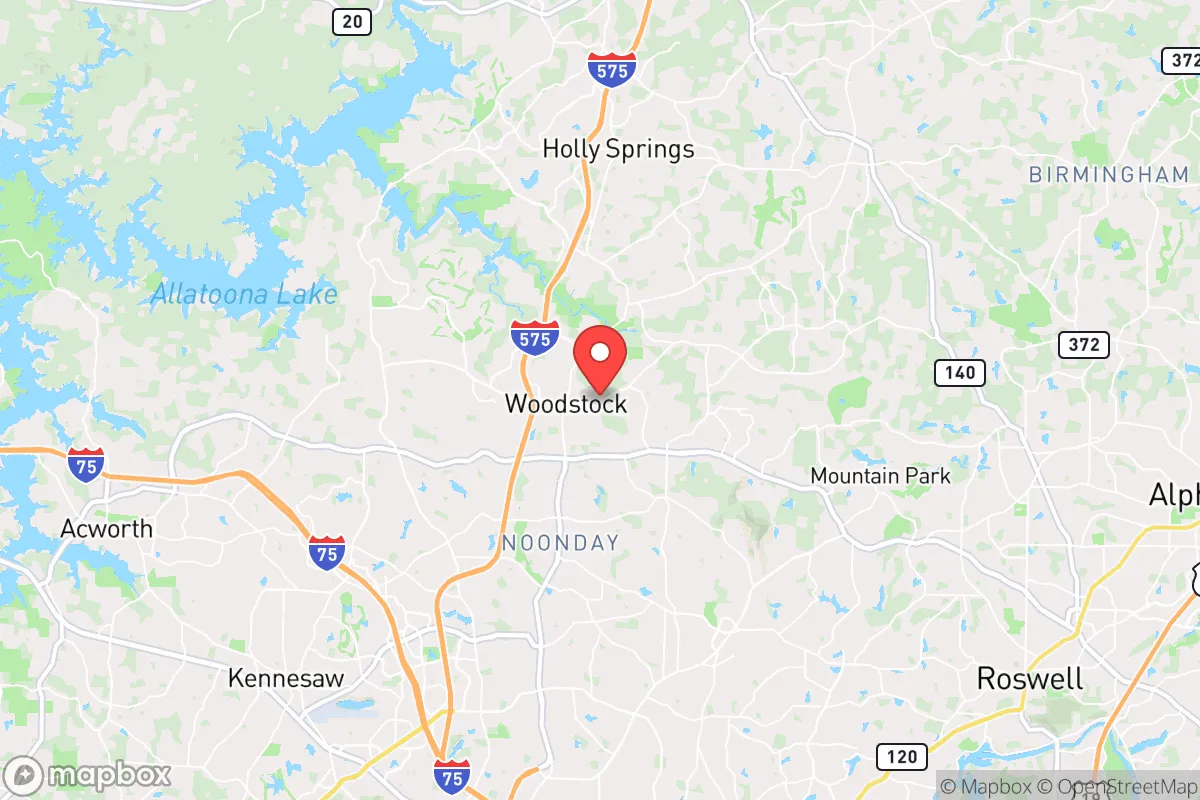
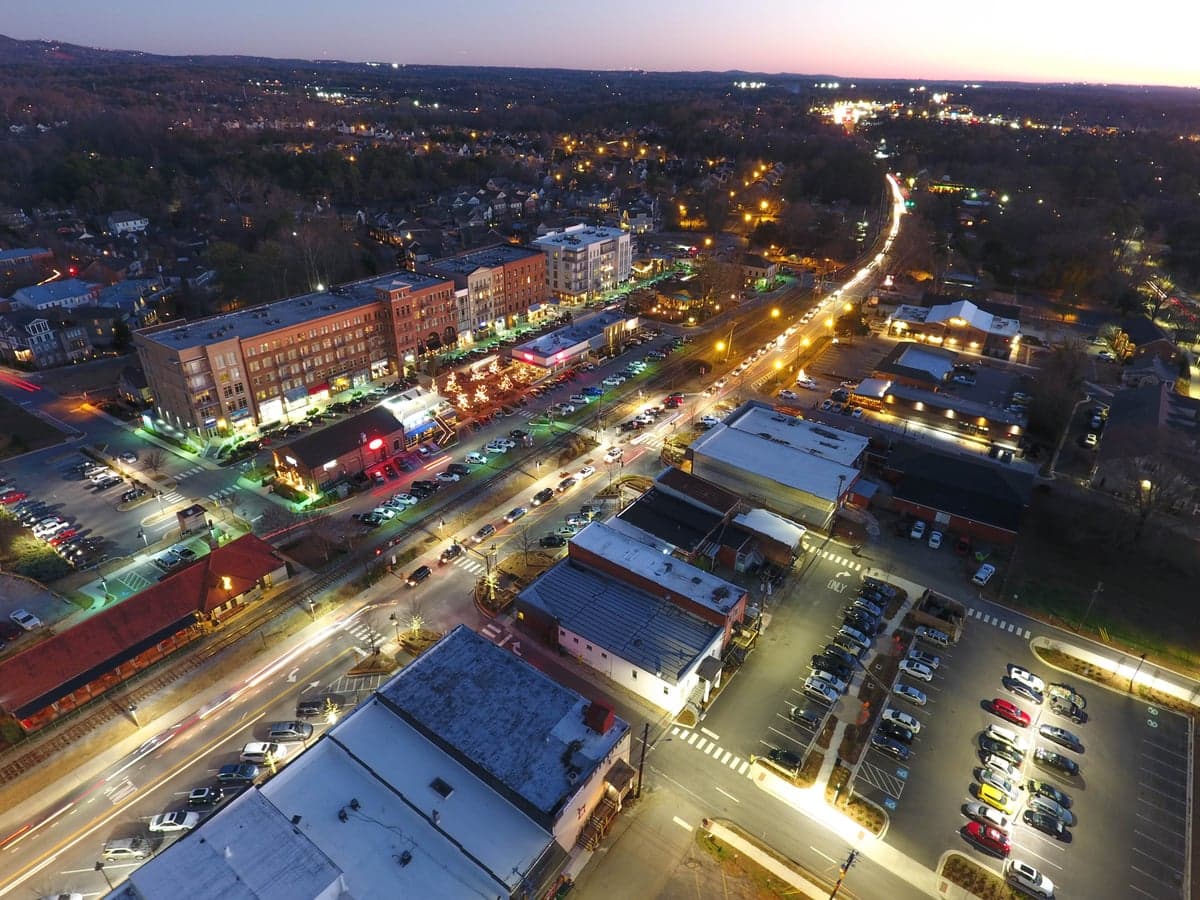
Photo: Wikipedia
Political ClimatePolitical Climate in Woodstock, GA
District shown is the primary district for this city’s centroid. Cities may span multiple districts.
Local Political AnalysisPolitical Analysis of Woodstock, GA
Woodstock, Georgia, has long been a reliably conservative community, and that hasn't changed much overall—the area’s Cook PVI of R+12 tells you the fundamentals are still solidly red. But if you’ve lived here for a while, you’ve seen the subtle shifts. The old guard of small-town, leave-us-alone conservatism is still the backbone, but there’s a growing undercurrent of progressive activism, especially among newer transplants from metro Atlanta. The 2024 election results in Cherokee County still favored Republicans by a wide margin, but the margins in Woodstock’s precincts have been tightening, particularly in the newer subdivisions near downtown. It’s not a blue wave, but it’s a noticeable purple tinge that has a lot of long-time residents watching the local school board and city council meetings a little more closely.
How it compares
Drive ten minutes south to Roswell or east to Alpharetta, and you’re in a completely different political universe—those are solidly blue-leaning suburbs where progressive policies on zoning, taxes, and school curriculum are the norm. Woodstock, by contrast, still feels like a place where the Second Amendment is respected and the local government is more interested in keeping roads paved and parks clean than in social engineering. The contrast is stark: in Roswell, you’ll see more “In This House We Believe” signs; in Woodstock, you still see plenty of “Don’t Tread on Me” flags on pickup trucks. The nearby town of Canton is similar to Woodstock politically, but it’s even more rural and conservative, while Kennesaw—just south—has a more mixed vibe due to the university influence. For a conservative family, Woodstock offers a buffer from the progressive overreach you’d face in the core Atlanta suburbs, but it’s not the fortress it was a decade ago.
What this means for residents
For residents who value personal freedom and limited government, the main concern is the slow creep of progressive policies into local governance. The city council has flirted with more restrictive zoning rules that some see as a backdoor way to control property rights, and there’s been pressure from activist groups to adopt “equity” initiatives in the school system. So far, the conservative majority has held the line, but it takes constant vigilance. The real battleground is the Cherokee County School Board, where debates over library books, curriculum transparency, and parental rights have become heated. If you’re the kind of person who believes government should stay out of your family’s decisions, you’ll want to pay attention to those races. The good news is that the county’s Republican infrastructure is still strong, and voter turnout among conservatives in Woodstock remains high. The bad news is that the influx of new residents—many from blue states—means the political center of gravity is shifting, and it’s not shifting right.
One cultural distinction that stands out is Woodstock’s balancing act between its historic downtown charm and its growth pressures. The city has done a decent job of keeping its small-town feel, but the push for more density, more bike lanes, and more “urbanist” planning is a clear sign of progressive influence. The local farmers market and the summer concert series are still wholesome, family-friendly events, but you’ll notice more political booths and activist groups setting up tables than you did five years ago. For now, Woodstock remains a solid place for conservatives who want good schools, low crime, and a community that mostly minds its own business. But the long-term trajectory depends on whether the next wave of newcomers shares those values or brings the same overreach that’s driving people out of the blue counties to the south.

State Political ClimatePolitical Climate in Georgia
State Political AnalysisPolitical Environment in the State
Georgia has transformed from a reliably conservative stronghold into a true battleground state over the past two decades, with its political lean shifting from solid red to a razor-thin purple. The state voted Republican in every presidential election from 1996 through 2016, but in 2020, Joe Biden won Georgia by just 11,779 votes—a margin of 0.2%—and in 2024, Donald Trump narrowly flipped it back, winning by roughly 1.2%. This volatility reflects a deep demographic and geographic realignment: the Atlanta metro area’s explosive growth has supercharged Democratic turnout, while rural and exurban counties have hardened their conservative allegiance. For a conservative considering relocation, Georgia offers a mixed bag—a state with strong Republican governance at the state level, but one where the cultural and political winds are shifting fast, especially in the metro core.
Urban vs. rural divide
The political map of Georgia is a tale of two Georgias. The Atlanta metropolitan area, which contains roughly 60% of the state’s population, is the engine of Democratic power. Core counties like Fulton (Atlanta), DeKalb (Decatur), and Clayton are deeply blue, often voting 75-85% Democratic. The inner-ring suburbs—places like Cobb County (Marietta) and Gwinnett County (Lawrenceville)—were once Republican strongholds but have flipped decisively blue over the last decade, driven by an influx of diverse, college-educated professionals. In 2024, Cobb went for Trump by only 1.5%, a far cry from its 12-point Romney win in 2012. Meanwhile, the rest of the state remains deeply red. Rural South Georgia—towns like Valdosta, Thomasville, and Albany—vote 70-80% Republican, as do the exurban and mountain counties of North Georgia, such as Pickens (Jasper) and White (Cleveland). The state’s second-largest city, Augusta, leans Republican but is competitive, while Columbus and Savannah are more moderate but trending left. The key takeaway: if you live inside the I-285 perimeter or in a close-in suburb, you’re in a blue bubble; drive 30 minutes outside Atlanta, and you’re in solid Trump country.
Policy environment
At the state level, Georgia has a conservative policy framework that has held firm despite the political churn. The state has a flat income tax rate of 5.49%, which is being phased down to 4.99% by 2029 under legislation signed by Governor Brian Kemp. Property taxes are relatively low, with a median effective rate of 0.87%, though they vary widely by county—Fulton County’s rates are nearly double those of rural counties like Bulloch. The regulatory environment is business-friendly, with Georgia ranking in the top 10 for ease of doing business, and the state is a right-to-work state, meaning union membership is low. On education, Georgia has a robust school choice program, including the Georgia Promise Scholarship Act (2024), which provides $6,500 per student for private school tuition or homeschooling expenses. However, the state’s public schools are a mixed bag: suburban districts like Forsyth County and Oconee County are excellent, while rural and urban districts often struggle. Healthcare policy is a flashpoint: Georgia did not expand Medicaid under the Affordable Care Act, but Kemp’s “Georgia Pathways” program (2023) added limited work-requirement coverage, though enrollment has been low. Election laws have been a national battleground: the Election Integrity Act of 2021 (SB 202) tightened voter ID requirements, limited drop boxes, and restricted absentee ballot applications, drawing fierce criticism from the left but solidifying election security for conservatives. For a new resident, the state-level policy environment is broadly favorable to conservative values, but the local landscape varies dramatically—choose your county wisely.
Trajectory & freedom
Georgia’s trajectory on personal freedom is a mixed picture, with clear wins for conservatives in some areas and concerning encroachments in others. On the positive side, Georgia is a constitutional carry state (2022), meaning no permit is required to carry a concealed firearm—a significant expansion of Second Amendment rights. The state also passed the “Parental Rights in Education” law (HB 1178, 2023), which requires schools to notify parents of any changes to a student’s mental, emotional, or physical health, and prohibits classroom instruction on sexual orientation or gender identity in grades K-3. This is a major win for parental rights. On medical freedom, Georgia has a limited medical cannabis program (low-THC oil only), but recreational marijuana remains illegal, and there is no ballot initiative process to change that—meaning the legislature controls the pace. On the concerning side, the state has seen growing government overreach in the name of public health and safety. During COVID, Governor Kemp issued a statewide shelter-in-place order and later imposed business restrictions, though he was less aggressive than some blue-state governors. More recently, the state has expanded its surveillance powers through the “Georgia Gang Prevention and Crackdown Act” (2022), which broadened gang definitions and enhanced penalties—a move that some civil libertarians argue erodes due process. Property rights are generally strong, with no statewide rent control and limited eminent domain abuse, but local zoning battles in metro Atlanta—especially around densification and affordable housing mandates—are a growing concern. Overall, Georgia is trending more free on guns and parental rights, but the state’s growing population and urbanization are creating pressure for more government intervention in housing, health, and policing.
Civil unrest & political movements
Georgia has been a flashpoint for political activism and civil unrest, particularly in the Atlanta metro area. The 2020 protests following George Floyd’s death were intense, with large demonstrations in Atlanta, Decatur, and Athens, including property damage and arson at the Wendy’s where Rayshard Brooks was killed. The “Stop Cop City” movement—opposing the construction of a $90 million police training facility in DeKalb County—has been a persistent source of protest, with activists disrupting public meetings and, in some cases, engaging in violent clashes with law enforcement. On the right, the “Georgia Republican Assembly” and other grassroots groups have pushed for stricter election integrity measures and challenged incumbent Republicans they view as insufficiently conservative. Immigration politics are a hot-button issue: Georgia has a strict E-Verify requirement for employers (2013), and the state has seen a surge in legal and illegal immigration, particularly in the Atlanta suburbs. There are no sanctuary cities in Georgia—state law (HB 87, 2011) prohibits them—but some local jurisdictions, like DeKalb County, have adopted policies that limit cooperation with ICE. Election integrity remains a live issue: the 2020 election saw widespread allegations of irregularities in Fulton County, leading to a state investigation and the passage of SB 202. While no widespread fraud was proven, the controversy has left a lingering distrust among many conservatives. For a new resident, the most visible flashpoint is likely the “Cop City” protests and the ongoing debate over election procedures, but daily life in most of the state is peaceful and orderly.
Projection
Over the next 5-10 years, Georgia is likely to become more competitive at the statewide level, with the Atlanta metro’s growth continuing to shift the electorate leftward. The state is projected to add 1.5 million residents by 2035, with most of that growth in the blue-leaning suburbs of Cobb, Gwinnett, and Forsyth counties. However, the exurban and rural areas are also growing, and the state’s Republican-controlled legislature is likely to continue passing conservative policies on guns, education, and taxes. The wild card is in-migration: if the trend of conservatives moving to Georgia from blue states accelerates, the state could remain competitive for Republicans. But if the growth is dominated by young, diverse, college-educated professionals—as it has been—Georgia will likely become a lean-Democratic state within a decade. For a conservative moving in now, the practical implication is to choose your location carefully: the exurbs of Atlanta (like Cherokee County or Paulding County) or the rural areas of North and South Georgia will remain conservative bastions, while the inner suburbs and Atlanta proper will continue to trend left. The state-level policy environment will likely remain conservative for the near term, but the cultural and electoral trajectory is concerning for those who value limited government and traditional values.
For a new resident, the bottom line is that Georgia offers a strong conservative policy framework at the state level—low taxes, gun rights, school choice, and election integrity—but the cultural and demographic tide in the Atlanta metro is moving in the opposite direction. If you’re looking for a place where your values are reflected in your local government and community, stick to the exurbs or rural counties. If you’re willing to fight for your principles in a more competitive environment, the suburbs offer a battleground worth engaging. Either way, Georgia is a state in flux, and the choices you make about where to live will determine your experience more than the state’s overall lean.
* Values derived from national, state, county, city and local statistics and may differ in a specific area. Last updated: 2026-04-30T07:38:47.000Z
Narrative content on this page is AI-generated and may contain mistakes. Verify any details that matter before acting on them.
ReloMaps may earn a commission from affiliate links at no extra cost to you.

