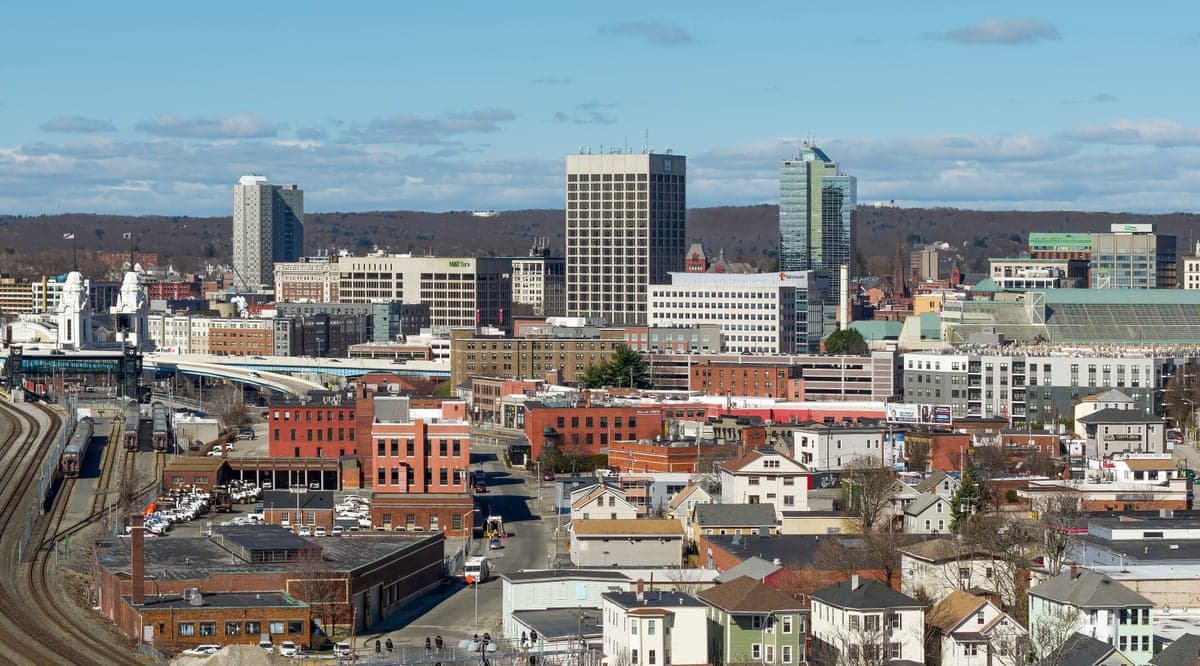
Photo: Wikipedia
Quality of Life in Worcester, MA
A high quality of life with strong walkability, manageable living costs, healthy neighborhood signals, and solid amenity access.
What does Quality of Life tell us?
Quality of Life blends cost of living, nearby amenities, socioeconomic signals, and neighborhood character. City-level scores represent the whole municipality; individual neighborhoods can differ.
What does this tell us?
Quality of Life blends cost of living, nearby amenities, socioeconomic signals, and neighborhood character. City-level scores represent the whole municipality; individual neighborhoods can differ.
Cost of Living
21% above national average
The Real Cost of Living in Worcester, MA for 2026
| Tier | Individual | Family (4) |
|---|---|---|
| Survival | $23k | $42k |
| Comfortable | $66k | $97k |
| Luxury | $122k+ | $189k+ |
| Elite (Top 5%) | $147k+ | $228k+ |
70%
The Area Signal
A metric tracking the socioeconomic signals of the area.
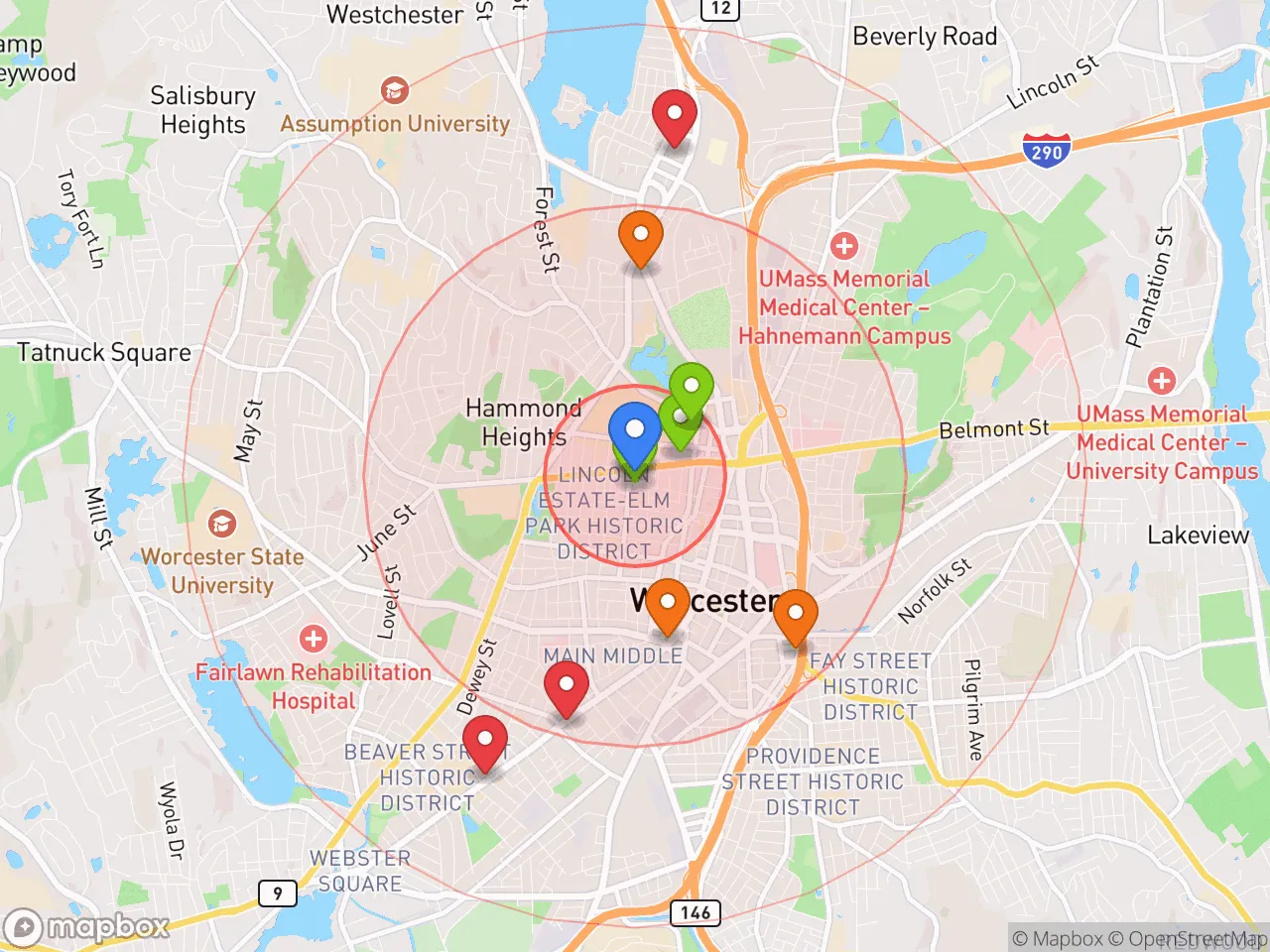
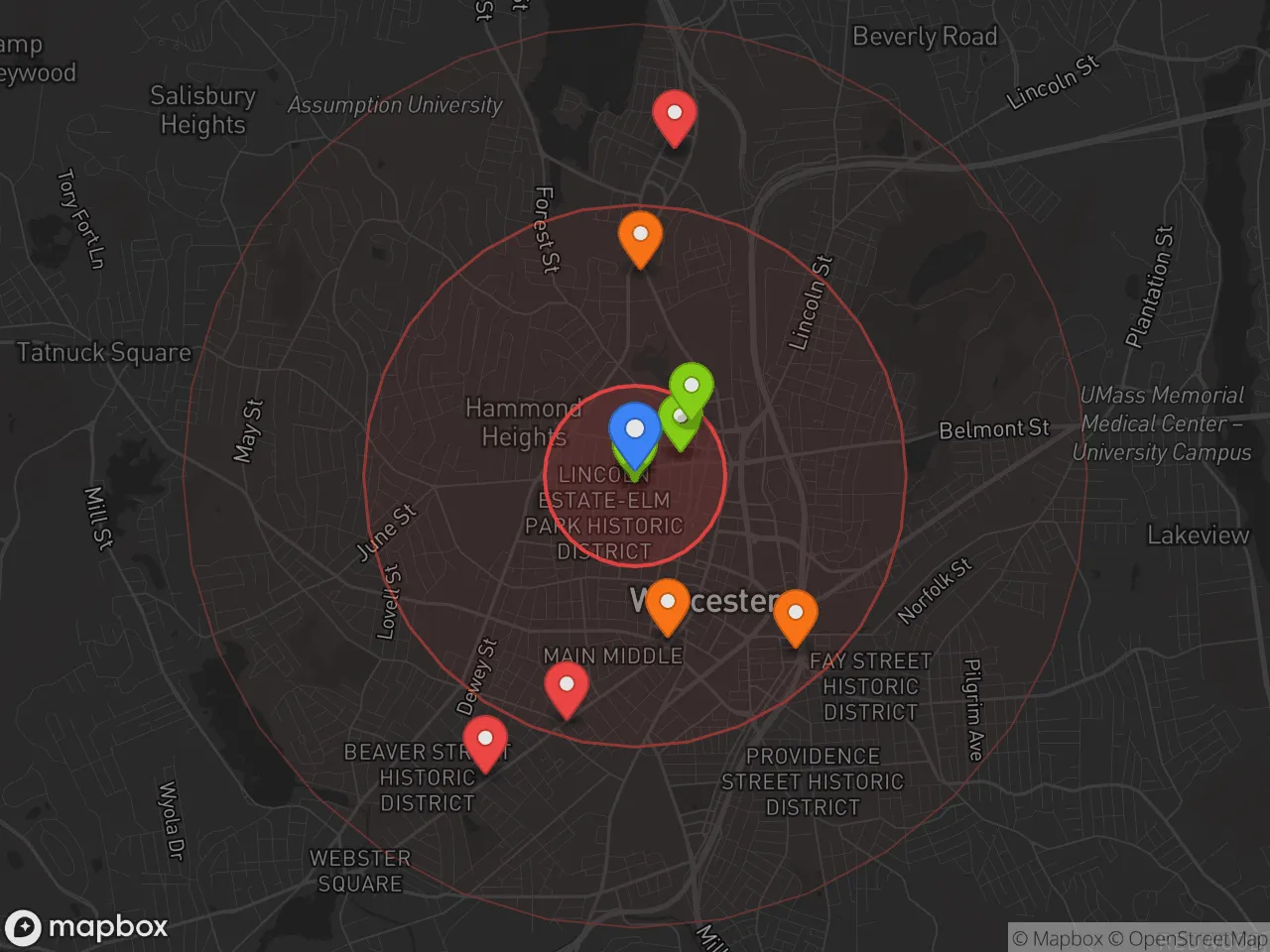
Hobbies
Explore the areaGroceries
7 within 10 miles
Gas
20 within 10 miles
Hospital
18 within 20 miles
Airport
PDX — Portland International Jetport
Post Office
USPS — Worcester, MA
Critical Amenities
Quality-of-Life Analysis
Worcester, Massachusetts, occupies a distinctive middle ground in the New England quality-of-life landscape: it is more affordable than Boston (30 miles east) yet significantly pricier than the national average, with a cost-of-living index of 121 (100 = US average). The city’s roughly 205,000 residents form a diverse, largely professional and academic population, anchored by major employers like UMass Chan Medical School, Worcester Polytechnic Institute, and Saint Vincent Hospital. Median household income hovers around $62,000, reflecting a mix of young professionals, longtime working-class families, and a growing cohort of remote workers drawn by lower housing costs relative to the Boston metro.
Cost of living, housing affordability, and how Worcester compares to Boston and Providence
Worcester’s housing market remains a key draw for those priced out of eastern Massachusetts. The median home value sits at $339,500—roughly half the Boston metro median—while the median rent of $1,415 is about 35% lower than in Boston proper. These figures place Worcester squarely between Providence, RI (median home value ~$380,000) and Springfield, MA (~$230,000). The city’s overall COL index of 121 means everyday expenses like groceries and utilities run about 20% above the national norm, but significantly below Boston’s index of ~150. For renters, the trade-off is clear: lower rent comes with an average commute of 25 minutes (versus Boston’s 33-minute average), though public transit options via the MBTA Commuter Rail (1.5 hours to South Station) remain limited for daily use. Property taxes in Worcester County average 1.2% of assessed value, slightly below the state average of 1.3%, which helps offset the higher home prices for buyers.
Amenities, schools, and what daily life actually feels like in Worcester
Daily life in Worcester blends urban convenience with a slower, more community-oriented pace than Boston. The Worcester Public Schools system serves roughly 25,000 students, with standout magnet programs like Worcester Technical High School (ranked among the top 10% nationally) and advanced placement offerings at Doherty Memorial High. For families, the city’s 60+ parks—including the 500-acre Green Hill Park and the Elm Park historic district—provide ample green space. Cultural amenities punch above the city’s size: the Worcester Art Museum, Mechanics Hall (a 1,500-seat concert venue), and the Hanover Theatre for the Performing Arts draw regional audiences. The restaurant scene has matured significantly since 2020, with a concentration of farm-to-table spots and international cuisine along Shrewsbury Street. Residents describe the rhythm as “Boston-lite”: walkable downtown neighborhoods like the Canal District and Main South host breweries, coffee shops, and weekly farmers’ markets, while the city’s 25-minute average commute means most errands and social outings remain car-dependent but not gridlocked. Healthcare access is robust, anchored by UMass Memorial Medical Center, the region’s only Level I trauma center.
Worcester is best suited for professionals and families who want proximity to Boston’s job market without its housing costs, or for remote workers who value a walkable downtown and cultural amenities over suburban sprawl. The city’s growing biotech and healthcare sectors (UMass Chan alone employs over 5,000) create a stable economic base, while the presence of 10 colleges and universities keeps the population young and transient. Those seeking top-tier public schools or a true 24-hour urban energy may find Worcester lacking; for most others, it offers a pragmatic balance of affordability, culture, and commute time that few Northeast cities can match.

Crime in Worcester, MA
Generally safer than 71% of comparable U.S. locations.
Violent CrimeViolent Crime Analysis
Property CrimeProperty Crime Analysis
Crime Analysis
Worcester, Massachusetts, presents a mixed safety profile for prospective residents. The city's violent crime rate of 235.8 incidents per 100,000 residents is notably lower than the national average, but property crime at 813.5 per 100,000 is a more significant concern. As a large metro area with a liberal political climate, Worcester's justice system reflects progressive policies that prioritize rehabilitation and alternatives to incarceration, a factor that directly impacts public safety and recidivism rates.
Crime in context
Worcester's violent crime rate of 235.8 per 100,000 is roughly 40% lower than the U.S. average of about 380 per 100,000, placing it in a safer tier than many comparably sized Northeast cities. However, its property crime rate of 813.5 per 100,000 is slightly above the national average of approximately 800 per 100,000. These figures, while not extreme, must be weighed against the broader regional trend: Massachusetts as a whole has some of the lowest violent crime rates in the country, but Worcester's property crime rate is elevated relative to the state average of roughly 500 per 100,000. The city's progressive district attorney, Joseph Early Jr., has implemented policies such as diversion programs and reduced cash bail, which critics argue contribute to higher property crime by keeping repeat offenders on the street. This ideological approach, while sympathetic to offenders, creates a tangible risk for residents who may face theft, burglary, or vandalism with limited consequences for perpetrators.
What residents experience
For daily life in Worcester, the practical impact of these crime rates is uneven. Violent crime—including homicide, assault, and robbery—is concentrated in specific areas and rarely affects the average resident in safer neighborhoods like the West Side or Shrewsbury Street corridor. Property crime, however, is a broader nuisance. Car break-ins, package thefts, and home burglaries are common complaints, particularly in densely populated areas near downtown and the colleges. The progressive justice system's emphasis on treatment over punishment means that many property offenders cycle through the system quickly, a pattern that frustrates victims and undermines deterrence. Residents should take proactive measures: secure vehicles, install home security systems, and avoid leaving valuables visible. The city's police department, while well-funded, operates within a legal framework that limits aggressive enforcement, leaving some neighborhoods feeling under-protected.
Neighborhood-level variation is significant. The most affluent areas—such as Tatnuck, Burncoat, and parts of the West Side—report crime rates well below the city average, with violent crime nearly absent. In contrast, neighborhoods like Main South, Piedmont, and parts of Great Brook Valley experience higher rates of both violent and property crime, driven by poverty, gang activity, and housing instability. Prospective renters or buyers should research block-by-block data, as a single street can separate a safe pocket from a high-crime corridor. Overall, Worcester offers a livable environment for those who choose their location carefully, but the city's progressive governance creates a systemic vulnerability that residents must actively manage.
* Values derived from national, state, county, city and local statistics and may differ in a specific area. Last updated: 2026-05-01T21:34:17.000Z
Narrative content on this page is AI-generated and may contain mistakes. Verify any details that matter before acting on them.
ReloMaps may earn a commission from affiliate links at no extra cost to you.

