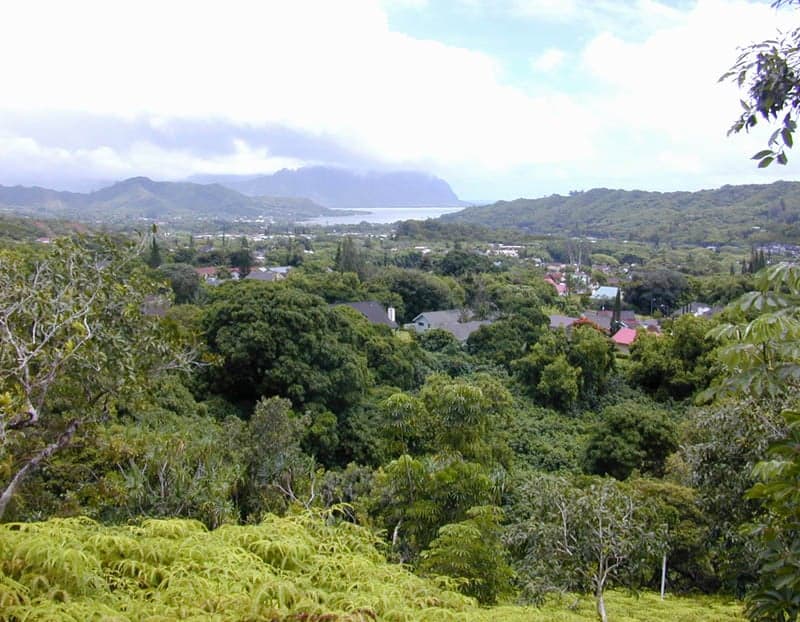
Photo: Wikipedia
Quality of Life in Ahuimanu, HI
A high quality of life with strong walkability, manageable living costs, healthy neighborhood signals, and solid amenity access.
What does Quality of Life tell us?
Quality of Life blends cost of living, nearby amenities, socioeconomic signals, and neighborhood character. City-level scores represent the whole municipality; individual neighborhoods can differ.
What does this tell us?
Quality of Life blends cost of living, nearby amenities, socioeconomic signals, and neighborhood character. City-level scores represent the whole municipality; individual neighborhoods can differ.
Cost of Living
160% above national average
The Real Cost of Living in Ahuimanu, HI for 2026
| Tier | Individual | Family (4) |
|---|---|---|
| Survival | $40k | $76k |
| Comfortable | $114k | $167k |
| Luxury | $166k+ | $258k+ |
| Elite (Top 5%) | $196k+ | $304k+ |
77%
The Area Signal
A metric tracking the socioeconomic signals of the area.
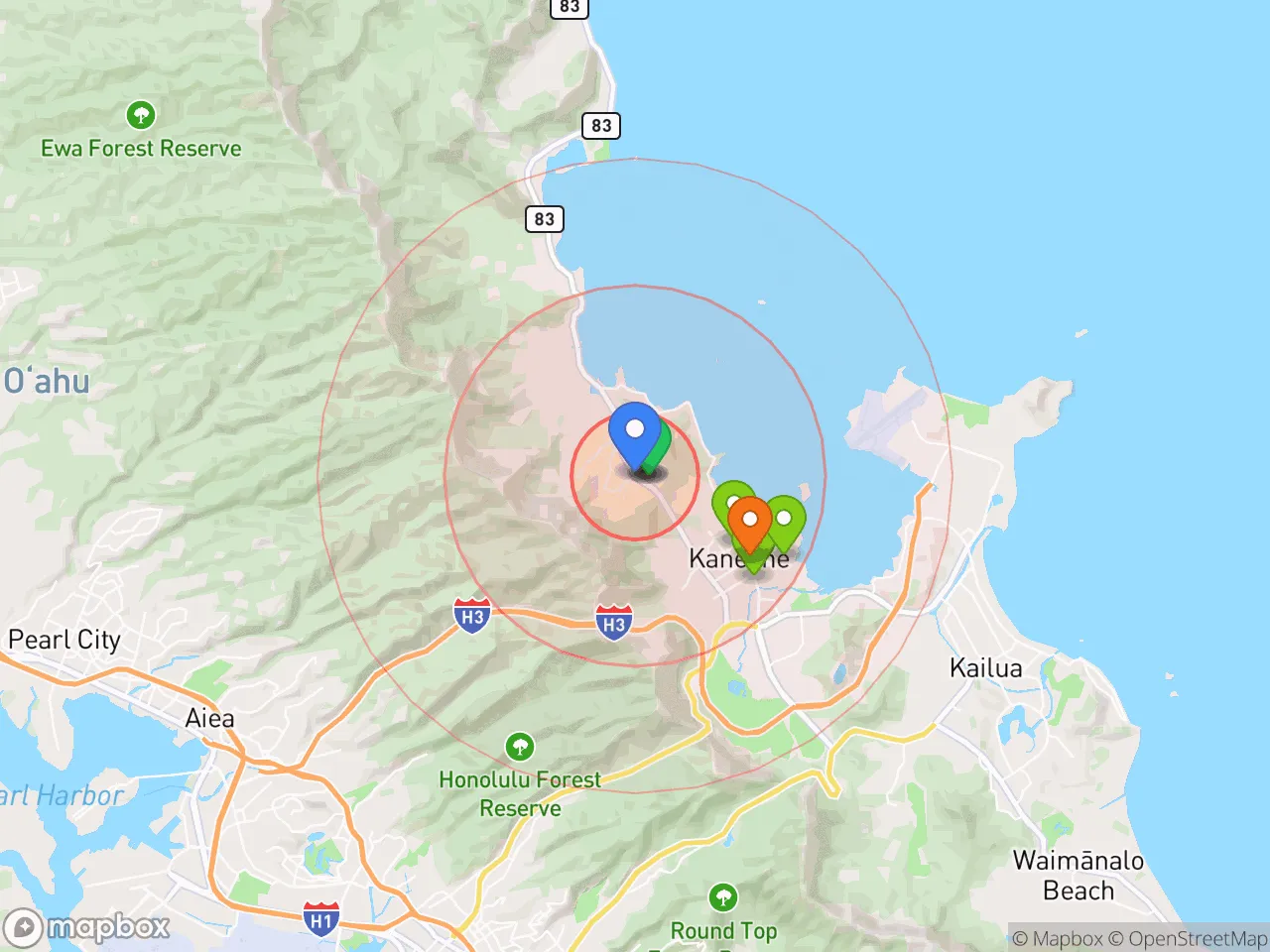
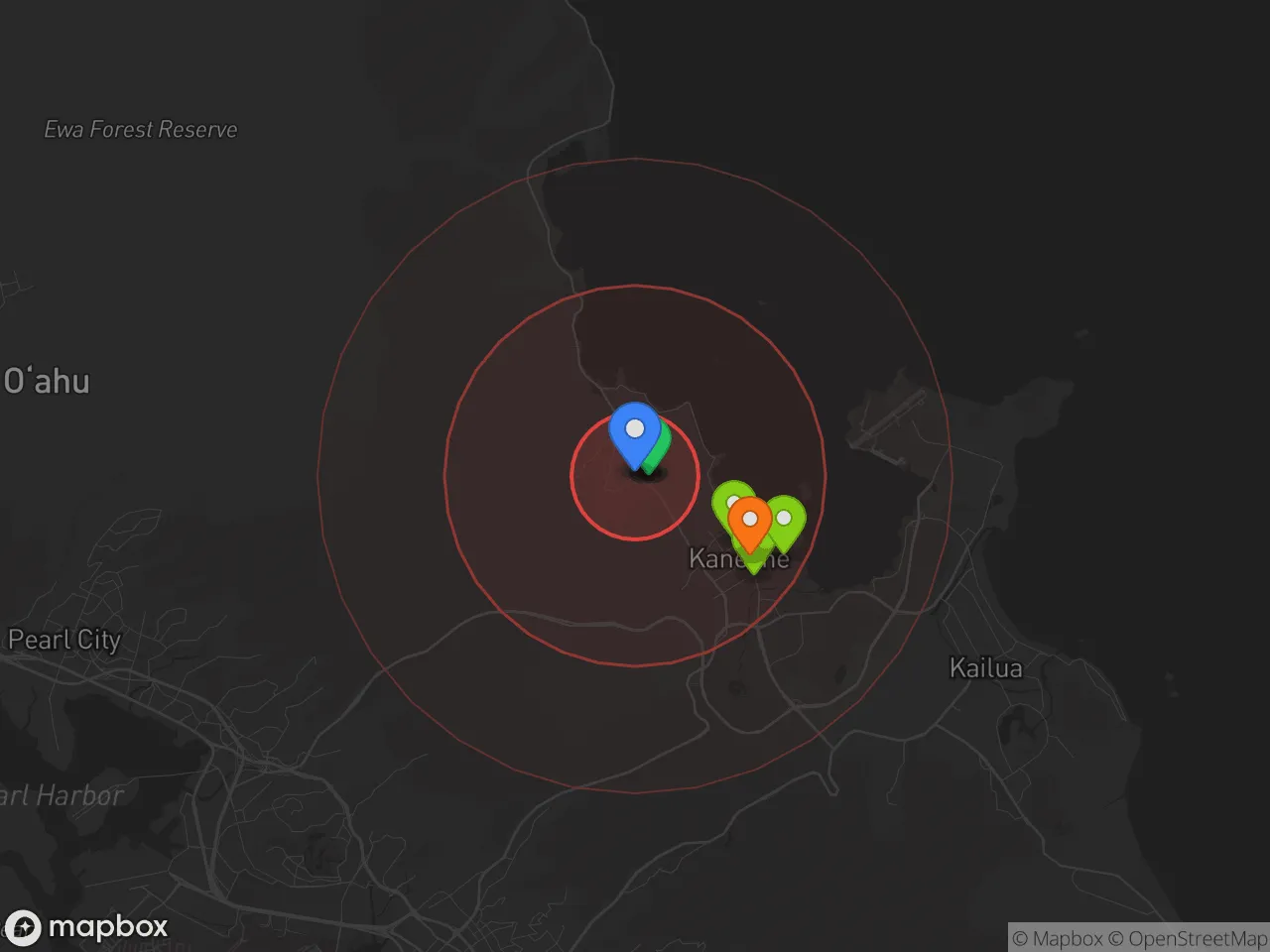
Hobbies
Explore the areaGroceries
4 within 10 miles
Gas
20 within 10 miles
Hospital
16 within 20 miles
Airport
Daniel K. Inouye International Airport
Post Office
USPS — Kaneohe, HI
Critical Amenities
Quality-of-Life Analysis
Ahuimanu, a residential valley on Oahu's windward side, is one of Hawaii's most affluent and family-oriented communities, with a cost of living index of 260—more than two and a half times the national average. The area attracts established professionals, military families stationed at nearby Marine Corps Base Hawaii, and multi-generational Hawaiian families who value its quiet, suburban character and deep-rooted sense of place. Unlike the tourist-heavy corridors of Waikiki or the fast-paced urban core of Honolulu, Ahuimanu offers a slower, neighborly rhythm defined by lush mountain views, tight-knit community ties, and a deliberate separation from the island's commercial bustle.
Cost of living, housing affordability, and how Ahuimanu compares to nearby towns
Housing in Ahuimanu commands a premium that reflects its desirability and limited inventory. The median home value sits at $878,400, significantly above the Oahu-wide median of roughly $830,000, while the median rent of $2,621 per month is comparable to Kaneohe but higher than in less central windward areas like Kahaluu or Waiahole. For context, a household earning the Oahu median income of about $92,000 would need to spend nearly 60% of gross income on a mortgage at current rates—well above the 30% affordability threshold. Renters face similar pressure, with a typical two-bedroom unit consuming over 50% of a median earner's take-home pay. Compared to Kailua, which has a similar COL index but more beachfront cachet, Ahuimanu offers slightly larger lots and more detached single-family homes, making it a better value for families seeking space over ocean proximity. The trade-off is a longer average commute of 31 minutes to downtown Honolulu or Pearl Harbor, versus roughly 25 minutes from Kailua, though the drive along Likelike Highway is scenic and generally less congested than the H1 freeway corridor.
What daily life is like for families: schools, amenities, and community feel
Daily life in Ahuimanu revolves around its excellent public schools, including the highly rated Ahuimanu Elementary School (GreatSchools rating 8/10), and the nearby King Intermediate and Castle High School in Kaneohe. The area lacks major commercial centers—there is no shopping mall or big-box retailer within walking distance—so most errands require a short drive to Kaneohe's Windward Mall or the grocery and pharmacy options along Kamehameha Highway. Outdoor recreation is a defining feature: residents use the Ahuimanu Trailhead for hiking into the Koʻolau Mountains, and the nearby Hoʻomaluhia Botanical Garden offers 400 acres of landscaped paths and fishing ponds. The community's social fabric is woven through local churches, youth sports leagues, and events like the annual Ahuimanu Halloween block party. There are no nightlife venues or tourist attractions in the valley itself, which reinforces its reputation as a quiet, family-first enclave. The average commute of 31 minutes reflects the reality that most adults work outside the valley—in Honolulu's financial district, at Tripler Army Medical Center, or at the Marine base in Kaneohe—and return home to a deliberately low-key environment.
Families seeking a safe, spacious, and community-oriented lifestyle will thrive in Ahuimanu, provided they can absorb the high housing costs and accept a car-dependent routine. The area is less suited to young singles, nightlife seekers, or budget-conscious renters, who will find better options in town or in more affordable windward pockets like Waimanalo. For those who prioritize strong schools, mountain views, and a genuine sense of neighborhood over urban convenience, Ahuimanu delivers a quality of life that justifies its premium price tag.

Crime in Ahuimanu, HI
Generally safer than 64% of comparable U.S. locations.
Violent CrimeViolent Crime Analysis
Property CrimeProperty Crime Analysis
Crime Analysis
Ahuimanu, a residential community on Oahu's windward coast, presents a crime profile that is notably safer than the national average but warrants caution regarding property crime. The area's violent crime rate stands at 200.2 incidents per 100,000 residents, while property crime occurs at a rate of 1,586.9 per 100,000. These figures place Ahuimanu in a moderate safety tier relative to other Honolulu suburbs, though the influence of Honolulu County's progressive prosecutorial policies introduces a layer of concern for long-term public safety.
Crime in context
Compared to national benchmarks, Ahuimanu's violent crime rate is roughly 43% lower than the U.S. average of approximately 380 per 100,000, while property crime is about 15% higher than the national rate of 1,380 per 100,000. The community benefits from its low-density, semi-rural layout and strong neighborhood watch presence, which help suppress violent offenses like assault and robbery. However, property crimes—particularly vehicle break-ins and package theft—are elevated, reflecting patterns seen across Oahu's residential corridors. The Honolulu Police Department's Second Patrol District covers Ahuimanu, but response times can stretch during peak tourist seasons when resources are diverted to Waikiki.
What residents experience
Daily life in Ahuimanu is generally quiet, with most violent incidents being domestic in nature and rarely involving random strangers. Property crime is the primary nuisance: residents report frequent theft from unlocked cars and porch piracy, especially near the Ahuimanu Road corridor and the neighborhoods adjacent to the Ho'omaluhia Botanical Garden. The area's proximity to the H-3 freeway provides easy escape routes for thieves, a dynamic that local crime maps confirm. A significant concern for residents is the broader legal environment: Honolulu County's elected prosecutor has adopted progressive policies, including reduced bail requirements and diversion programs for repeat property offenders. Critics argue this approach has contributed to a revolving-door effect for burglary suspects, undermining deterrence and frustrating victims who see minimal consequences for serial theft.
Neighborhood-level variation
Safety in Ahuimanu is not uniform. The upper, more secluded sections near the Ko'olau mountain range—such as the streets off Kamehameha Highway above the Ahuimanu Stream—experience nearly zero violent crime and lower property crime due to limited foot traffic and natural surveillance. In contrast, the lower areas closer to the highway and the Haiku Road intersection see higher rates of vehicle break-ins and occasional trespassing. Gated communities and homes with visible security systems report fewer incidents, while older, more accessible subdivisions face greater risk. Overall, Ahuimanu remains a desirable windward community, but the combination of elevated property crime and a lenient local justice system means residents should invest in robust home security and remain vigilant about opportunistic theft.
* Values derived from national, state, county, city and local statistics and may differ in a specific area. Last updated: 2026-05-04T03:00:12.000Z
Narrative content on this page is AI-generated and may contain mistakes. Verify any details that matter before acting on them.
ReloMaps may earn a commission from affiliate links at no extra cost to you.

