Photo: Wikipedia
Political ClimatePolitical Climate in Ahuimanu, HI
District shown is the primary district for this city’s centroid. Cities may span multiple districts.
Local Political AnalysisPolitical Analysis of Ahuimanu, HI
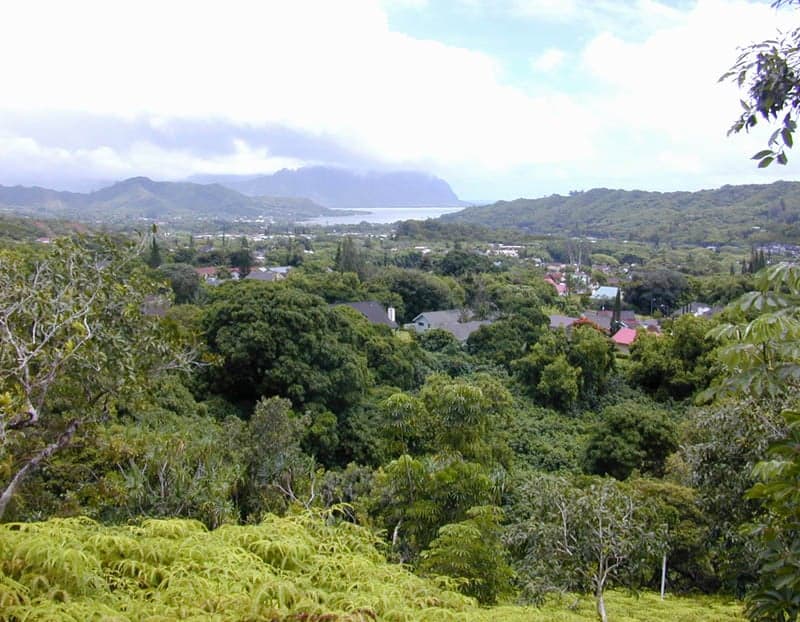
Ahuimanu, tucked into the windward side of Oahu, leans heavily Democratic, with a Cook PVI of D+12. That means in presidential elections, this area votes about 12 points more blue than the national average. But if you’ve lived here as long as I have, you know that number doesn’t tell the whole story. The political climate here has shifted noticeably over the past decade, and not in a direction that sits well with folks who value personal freedoms and limited government. What was once a quiet, rural-minded community has become a testing ground for progressive policies that feel more like overreach than representation.
How it compares
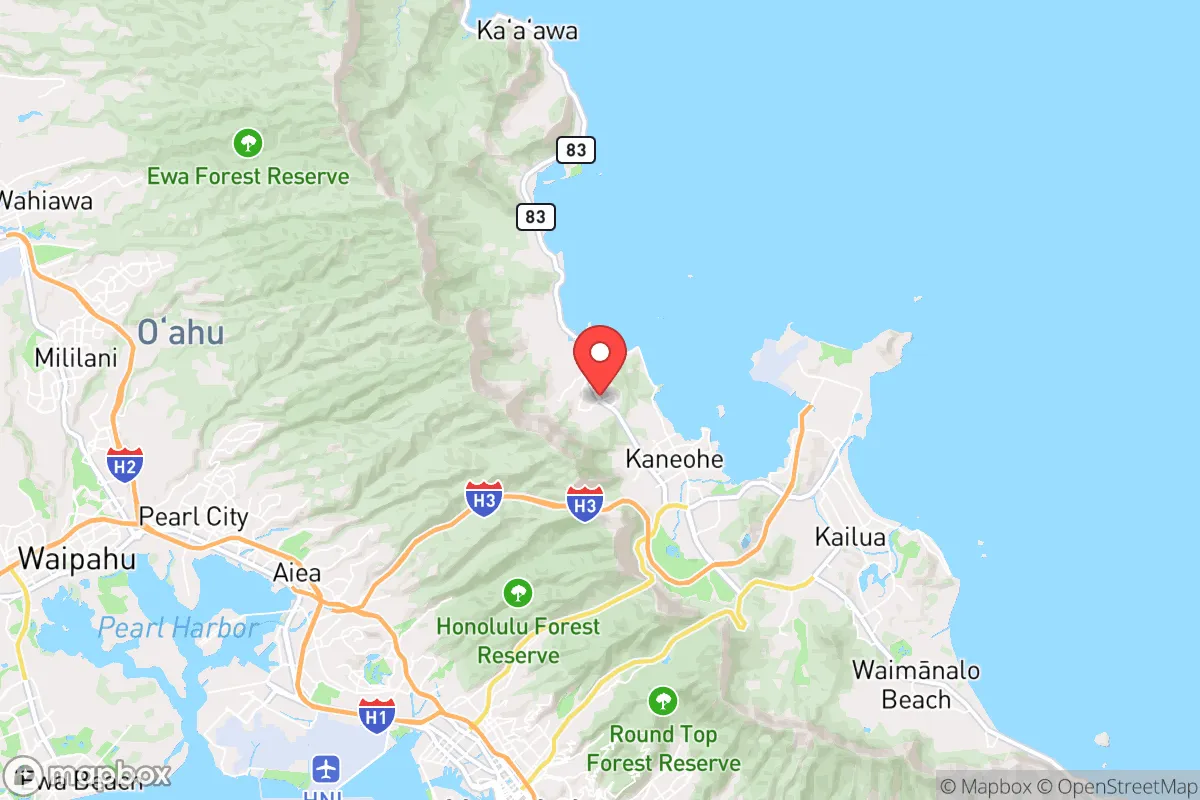
Drive just a few miles west into Kaneohe or south toward Kailua, and you’ll find similar Democratic strongholds, though Kailua has gotten noticeably more activist in its politics, with stricter environmental rules and a louder progressive voice. Head north to Laie or Hauula, and the vibe shifts—those areas still hold onto more conservative, family-centered values, with a stronger sense of local control. Even Kahaluu, right next door, feels less pressured by the kind of top-down mandates you see creeping into Ahuimanu. The contrast is real: Ahuimanu’s D+12 rating masks a growing divide between longtime residents who just want to be left alone and newer arrivals who bring mainland-style progressive activism with them.
What this means for residents
For those of us who’ve been here a while, the biggest concern is how much government reach has expanded into daily life. Property taxes have climbed steadily, and new county ordinances around short-term rentals, building permits, and even landscaping requirements feel like they’re designed to control rather than help. The push for more public transit and bike lanes sounds nice on paper, but it often means narrower roads and less parking for families who just need to get to work or school. There’s also been a noticeable uptick in local boards and commissions pushing environmental regulations that hit small landowners harder than big developers. If you value the right to use your property as you see fit, without a dozen permits and fees, Ahuimanu’s trajectory is worth watching closely.
On the cultural side, the shift is subtle but real. Community events that once centered on local traditions and family gatherings now sometimes feel like platforms for political messaging. School board meetings have become battlegrounds over curriculum and library books, and there’s a growing sense that if you don’t align with the progressive consensus, you’re better off keeping your head down. The long-term outlook? If current trends hold, Ahuimanu could become a place where personal freedoms are increasingly secondary to government-approved priorities. For now, it’s still a beautiful, tight-knit valley—but the political winds are blowing in a direction that should give any freedom-minded resident pause.

State Political ClimatePolitical Climate in Hawaii
State Political AnalysisPolitical Environment in the State
Hawaii has been a one-party Democratic stronghold for decades, but don’t let the blue veneer fool you—the political climate here is more complex than the presidential vote totals suggest. The state has voted Democratic in every presidential election since 1960, with margins often exceeding 20 points, but local politics are dominated by a unique blend of labor unions, native Hawaiian sovereignty movements, and a deeply entrenched establishment that often feels more like a good-old-boy network than a progressive paradise. Over the last 10-20 years, the trajectory has been a slow, steady march leftward on social issues, but with a stubborn resistance to the kind of coastal-liberal economic policies that have driven up costs elsewhere—largely because the cost of living is already astronomical.
Urban vs. rural divide
The political map of Hawaii is a tale of two islands, with Oahu’s urban core driving the state’s leftward tilt. Honolulu and its sprawling suburbs—places like Waikiki, Manoa, and Kailua—are reliably deep blue, powered by a mix of government workers, military families (who often lean more moderate), and a large Asian-American and Pacific Islander electorate that tends to favor Democrats on social welfare but is more conservative on family and economic issues. The rest of the state tells a different story. The Big Island is a patchwork: Hilo is progressive and union-heavy, while Kona and the rural Puna district have a libertarian streak, with a growing number of off-grid homesteaders and gun owners who vote Republican or independent. Maui’s Kahului is blue, but upcountry Kula and Hana lean more conservative. Kauai is a toss-up, with a strong agricultural base that votes its pocketbook. The rural neighbor islands—Lanai and Molokai—are politically unpredictable, often swinging on local issues like water rights and development. The key takeaway: if you’re looking for a red pocket, head to the Big Island’s west side or upcountry Maui, but don’t expect any county to flip Republican anytime soon.
Policy environment
Hawaii’s policy environment is a mixed bag that will frustrate fiscal conservatives and libertarians alike. The state has the highest combined state and local tax burden in the nation, driven by a general excise tax (GET) that hits everything from groceries to rent—effectively a sales tax on steroids. Property taxes are surprisingly low for coastal property, but the GET makes up for it. The regulatory posture is heavy: building permits can take years, zoning is restrictive, and the state’s land use commission has near-total control over development. Education policy is a sore spot—Hawaii has a single statewide school district, which means no local control and a bureaucracy that’s notoriously slow to change. School choice is virtually nonexistent, though charter schools exist in limited numbers. Healthcare is dominated by the Hawaii Medical Service Association (HMSA), a Blue Cross affiliate, and the state’s Prepaid Health Care Act mandates employer-provided insurance, which adds to business costs. Election laws are relatively open—same-day registration and mail-in voting are standard—but the state’s small population means local races are often decided by a few hundred votes, making every primary election critical.
Trajectory & freedom
On the freedom index, Hawaii is trending in the wrong direction. The state has some of the strictest gun laws in the country, including a permit-to-purchase system, a ban on "assault weapons" (defined broadly), and a 10-round magazine limit. In 2022, the legislature passed Act 207, which further restricted concealed carry after the Bruen decision, requiring a "good cause" showing that effectively makes permits nearly impossible to get outside of law enforcement. Parental rights took a hit with Act 2 (2023), which codified gender-affirming care protections for minors, overriding parental consent in certain cases—a move that sparked fierce debate. Medical autonomy is limited: the state has a strict medical marijuana program but no recreational market, and the cost of living effectively limits personal economic freedom. Property rights are a constant battle—the state’s land use laws and the legacy of the Hawaiian Homes Commission Act mean that owning land is often a bureaucratic nightmare. On the plus side, Hawaii has no local income tax on military pensions, which is a small win for veterans. But overall, the trend is toward more regulation, not less.
Civil unrest & political movements
Hawaii has a long history of civil unrest, much of it tied to native Hawaiian sovereignty and land rights. The Thirty Meter Telescope (TMT) protests on Mauna Kea from 2015-2019 were a major flashpoint, drawing national attention and exposing deep divisions between native Hawaiian activists, the state government, and the scientific community. The movement was largely peaceful but involved blockades and arrests, and it energized a younger generation of activists who are now pushing for greater autonomy. On the right, the Hawaii Republican Party is small but vocal, with a strong libertarian wing that focuses on property rights and gun issues. Immigration politics are less contentious than on the mainland—Hawaii’s geographic isolation means fewer illegal border crossings, but the state has sanctuary policies that limit cooperation with ICE. Election integrity has been a low-key issue; the state’s all-mail voting system has been praised for turnout but criticized by conservatives for lack of voter ID requirements. The most visible flashpoint for a new resident would likely be the constant tension over development—every new hotel or housing project faces fierce opposition from environmental and native Hawaiian groups, creating a political landscape where nothing gets built quickly.
Projection
Over the next 5-10 years, Hawaii’s political trajectory is likely to remain blue, but with increasing internal friction. The biggest wild card is demographic change: the state’s population has been declining since 2016, driven by young families and working-age adults leaving for lower-cost states like Nevada and Texas. Those who stay tend to be older, wealthier, or deeply rooted in local culture, which could shift the electorate slightly toward moderation on economic issues. In-migration from the mainland is mostly retirees and remote workers, who often lean left on social issues but are fiscally conservative—a mix that could create a more libertarian-leaning electorate over time. The native Hawaiian sovereignty movement is gaining traction, and there’s a real possibility of a future constitutional convention or push for greater self-governance, which would fundamentally reshape the state’s political landscape. For someone moving in now, expect the next decade to be defined by fights over housing, land use, and the cost of living—issues that cut across party lines and could produce some surprising coalitions.
Bottom line for a new resident: If you’re a conservative looking for a red-state refuge, Hawaii is not it. But if you value natural beauty, a slower pace, and are willing to navigate a high-cost, high-regulation environment, you can find like-minded communities on the neighbor islands. The key is to get involved locally—city council and county races are where the real power lies, and a few hundred votes can swing an election. Just don’t expect the state government to make your life easier anytime soon.
* Values derived from national, state, county, city and local statistics and may differ in a specific area. Last updated: 2026-05-04T03:00:12.000Z
Narrative content on this page is AI-generated and may contain mistakes. Verify any details that matter before acting on them.
ReloMaps may earn a commission from affiliate links at no extra cost to you.

