Photo: Wikipedia
Find The Best Places To Live
in Ahuimanu
PRO TIP! You can paste a Zillow or Redfin link to get info on that property.
What It's Like Living in Ahuimanu, HI
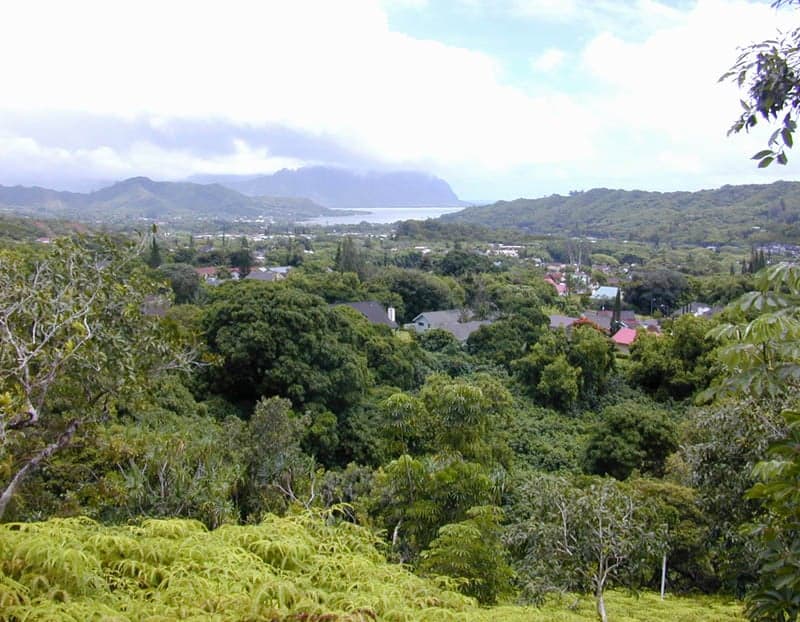
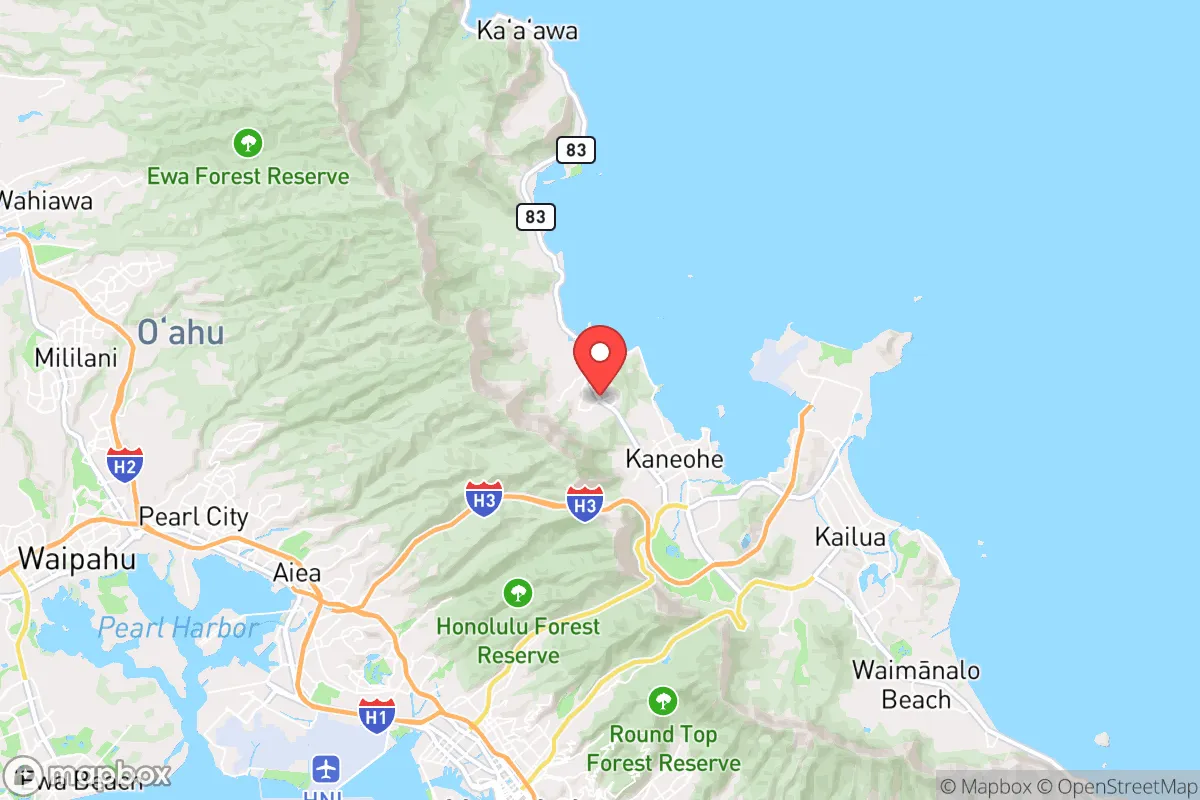
Ahuimanu feels like Hawaii’s best-kept secret for people who want the island life without the tourist crowds or the frantic pace of Waikiki. Tucked into the lush green folds of the Ko‘olau Range on Oahu’s windward side, this community of about 8,520 residents is a place where neighbors know each other by name and the sound of coqui frogs fills the evening air. It’s not a destination—it’s a home base, and the kind of person who thrives here is someone who values quiet mornings, outdoor weekends, and a deep sense of local belonging over nightlife and convenience-store proximity.
Daily Rhythm: What Life Actually Looks Like
Most mornings in Ahuimanu start with a commute—and it’s a doozy. The average drive to Honolulu or downtown is 31 minutes one way, and that’s on a good day. The H-3 freeway is a lifeline, cutting through the mountains in a tunnel that feels like a portal from the windward side to the city. People here are used to the trade-off: you trade a shorter commute for space, greenery, and a slower pace at home. Weekends are for the beach at Kualoa Regional Park or Kaneohe Bay, for hiking the Ahuimanu Loop Trail behind the neighborhood, or for grabbing a plate lunch at Keneke’s in nearby Kaneohe—a local institution where the kalua pork and mac salad are the real deal. Grocery shopping is done at the Kaneohe Safeway or Foodland, and for anything more serious, you’re driving into town. The median age here is 40.4, which tracks: this is a community of established professionals, families, and empty-nesters who’ve settled in for the long haul.
Who Fits In—and Who Might Struggle
Ahuimanu isn’t for the young and restless. With a median household income of $129,028 and a median home value of $878,400, it’s a solidly upper-middle-class enclave. Nearly half the population (49.2%) holds a college degree, and the vibe is professional but not pretentious—think engineers, healthcare workers, military officers from nearby Marine Corps Base Hawaii, and remote tech workers who traded a mainland salary for island humidity. The kind of person who fits in is someone who wants a good school district (Ahuimanu Elementary feeds into King Intermediate and then Castle High), who doesn’t mind rain (the windward side gets plenty), and who values community potlucks and beach cleanups over bar-hopping. If you’re single and looking for a vibrant dating scene or a packed social calendar, this isn’t it. But if you’re a parent who wants your kids to grow up barefoot and know their neighbors, it’s hard to beat.
Sports, Community, and What People Actually Do for Fun
High school sports are a big deal here—Castle High School’s football and volleyball games draw real crowds, and the Knights vs. Kailua rivalry is the kind of thing that fills bleachers and fuels local pride. There’s no pro team on the windward side, but the University of Hawaii Rainbow Warriors in Manoa are a 40-minute drive away, and plenty of residents make the trip for football Saturdays. For entertainment, you’re looking at outdoor stuff: kayaking the Kaneohe sandbar, hiking the Koolau Summit Trail (strenuous but worth it), or spending a lazy Sunday at Byodo-In Temple in Valley of the Temples—a stunning Japanese Buddhist temple that feels like a world away. The big annual event is the Kaneohe Bay Festival, with canoe races, live music, and food trucks. Nightlife is minimal—there’s a dive bar or two in Kaneohe, but most people entertain at home or head into Honolulu for a night out. The cost of living index is 260 (more than 2.5 times the national average), so eating out is a treat, not a routine.
Pros and Cons of Living in Ahuimanu
- Pro: Genuine community feel. This isn’t a transient neighborhood. People have been here for decades, and block parties, school fundraisers, and local Facebook groups are active and welcoming.
- Pro: Stunning natural setting. You’re surrounded by the Ko‘olau mountains, minutes from the ocean, and close to some of Oahu’s best hiking and beaches without the North Shore crowds.
- Con: The commute. That 31-minute average is a best-case scenario. Add an accident or rain, and you’re looking at an hour-plus each way. It wears on people.
- Con: High cost of everything. The median home value of $878,400 is steep even by Hawaii standards, and groceries, gas, and utilities all carry the island markup. A family needs a solid dual income to live comfortably.
- Con: Limited dining and shopping. You’ll drive to Kaneohe or Kailua for most errands, and the restaurant scene is heavy on plate lunches and poke bowls—good, but not diverse.
The violent crime rate of 200.2 per 100,000 is slightly above the national average but feels lower in practice—most incidents are property-related, and the neighborhood watch is strong. The real frustration for longtime residents is the lack of infrastructure: traffic bottlenecks at the H-3 on-ramp, limited medical facilities, and a feeling that the city government forgets the windward side exists. But the trade-off—quiet, green, connected living—is why people stay. Ahuimanu isn’t for everyone, but for the right person, it’s exactly right.

Similar small towns to Ahuimanu


* Values derived from national, state, county, city and local statistics and may differ in a specific area. Last updated: 2026-05-04T03:00:12.000Z
Narrative content on this page is AI-generated and may contain mistakes. Verify any details that matter before acting on them.
ReloMaps may earn a commission from affiliate links at no extra cost to you.

