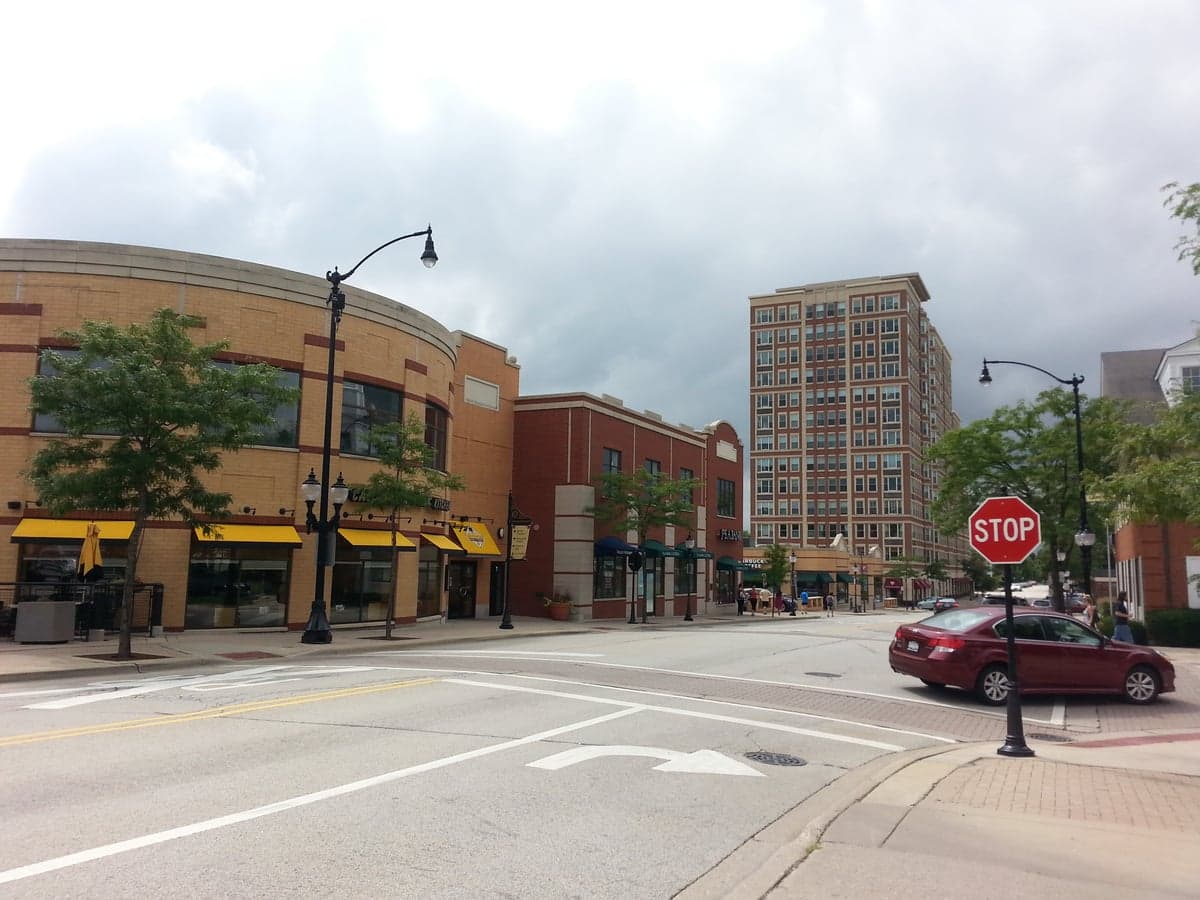
Photo: Wikipedia
Quality of Life in Arlington Heights, IL
A high quality of life with strong walkability, manageable living costs, healthy neighborhood signals, and solid amenity access.
What does Quality of Life tell us?
Quality of Life blends cost of living, nearby amenities, socioeconomic signals, and neighborhood character. City-level scores represent the whole municipality; individual neighborhoods can differ.
What does this tell us?
Quality of Life blends cost of living, nearby amenities, socioeconomic signals, and neighborhood character. City-level scores represent the whole municipality; individual neighborhoods can differ.
Cost of Living
46% above national average
The Real Cost of Living in Arlington Heights, IL for 2026
| Tier | Individual | Family (4) |
|---|---|---|
| Survival | $28k | $52k |
| Comfortable | $78k | $115k |
| Luxury | $191k+ | $296k+ |
| Elite (Top 5%) | $225k+ | $349k+ |
103%
The Area Signal
A metric tracking the socioeconomic signals of the area.
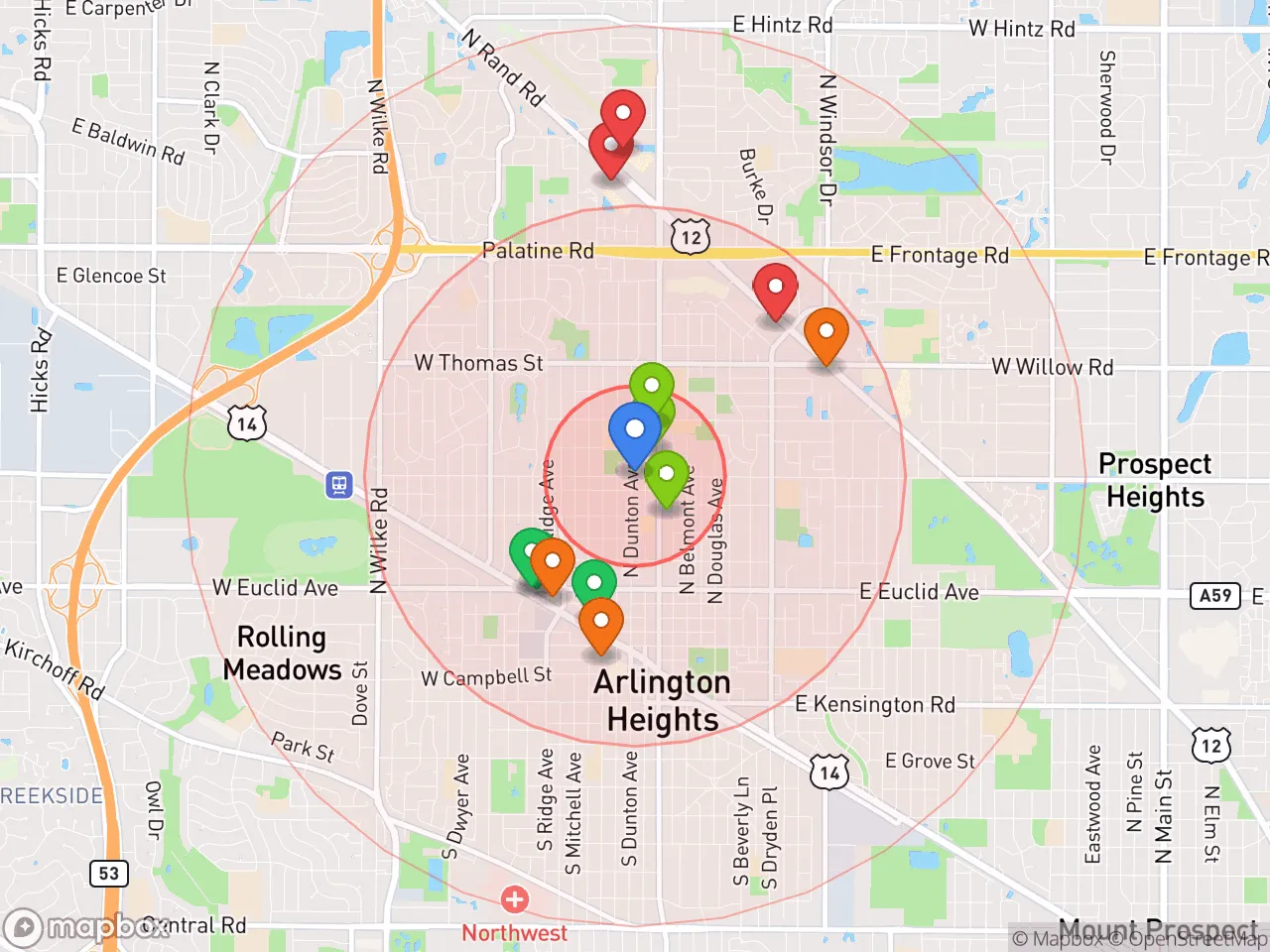
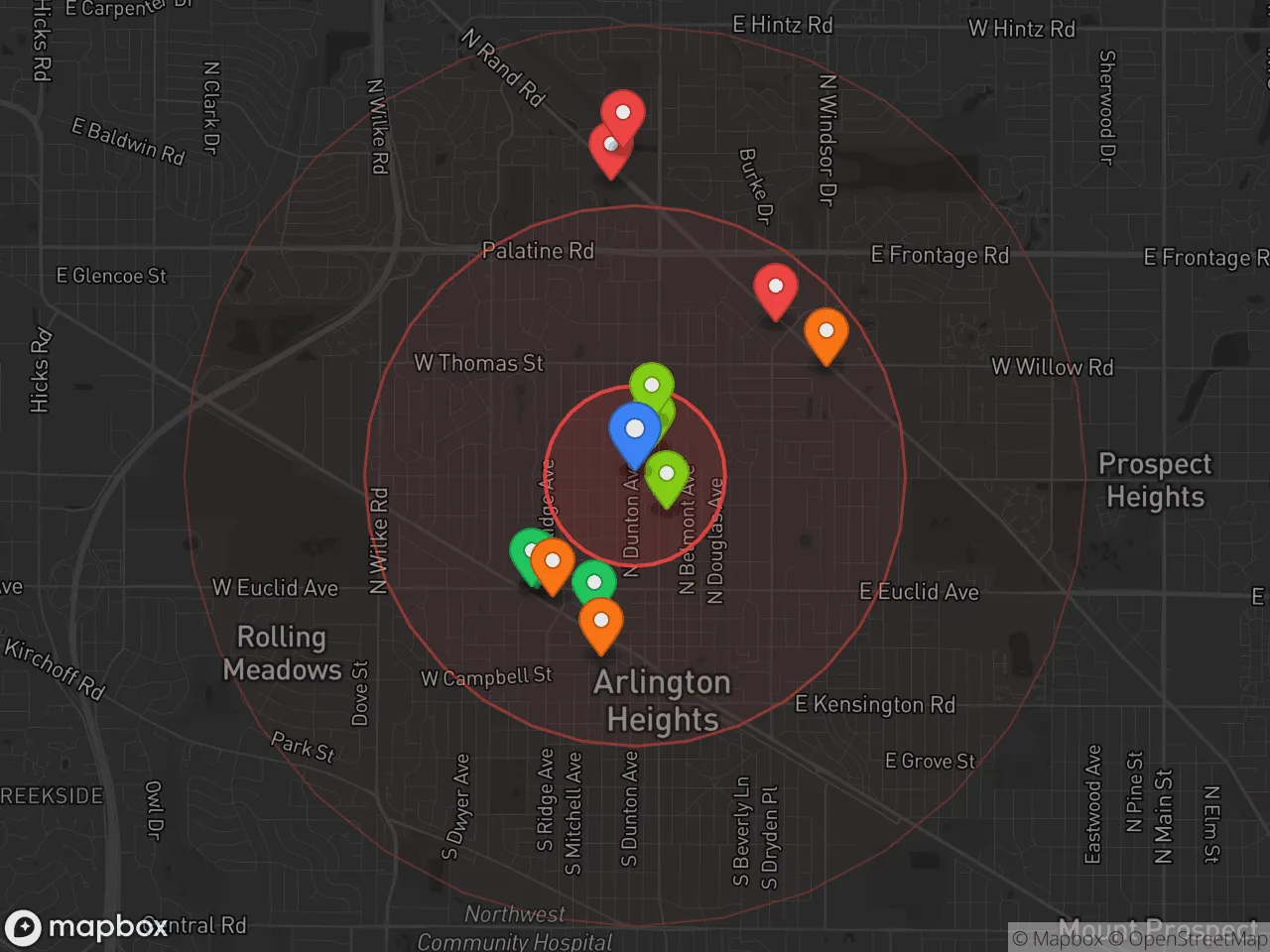
Hobbies
Explore the areaGroceries
7 within 10 miles
Gas
20 within 10 miles
Hospital
20 within 20 miles
Airport
ORD — O'Hare International
Post Office
USPS — Arlington Heights, IL
Critical Amenities
Quality-of-Life Analysis
Arlington Heights, Illinois, is an affluent northwest Chicago suburb where the cost of living index of 146 (100 = U.S. average) reflects a community built around top-tier schools, spacious homes, and a commuter-friendly lifestyle. The population skews toward upper-middle-class families, professionals, and empty-nesters who prioritize education, safety, and access to both urban amenities and suburban space. With a median home value of $403,200 and median rent of $1,727, Arlington Heights sits notably above national averages but remains more attainable than pricier North Shore suburbs like Winnetka or Highland Park.
Cost of living, housing costs, and how Arlington Heights compares to nearby suburbs
Arlington Heights' cost of living index of 146 is roughly 46% above the national baseline, driven primarily by housing. The median home value of $403,200 is significantly higher than the national median of roughly $350,000 but is about 15-20% lower than comparable suburbs in Cook County's northern tier, such as Evanston ($450,000+) or Glenview ($500,000+). Renters face a median monthly rent of $1,727, which is above the national average of $1,200 but competitive for the region—for example, comparable two-bedroom units in nearby Schaumburg or Mount Prospect often rent for $1,500-$1,800. Property taxes in Arlington Heights are high, typical of Cook County, averaging around 2.1% of assessed value annually, which adds roughly $8,500 per year on a median-priced home. The average commute of 28 minutes is shorter than the Chicago metro average of 33 minutes, thanks to the Metra Union Pacific Northwest Line station in downtown Arlington Heights, which provides a 35-40 minute express ride to Ogilvie Transportation Center in Chicago.
What daily life is like for families: schools, parks, and local amenities
Daily life in Arlington Heights revolves around its highly rated public schools, particularly Arlington Heights School District 25 (elementary/middle) and Township High School District 214, which includes the nationally recognized John Hersey High School and Prospect High School. The district's average SAT scores (around 1200) and graduation rates (95%+) consistently rank among Illinois' top 10%. Beyond academics, the village offers over 50 parks, the Arlington Heights Memorial Library (a regional hub with 500,000+ annual visitors), and the Arlington Lakes Golf Club. The downtown area along Arlington Heights Road and Vail Avenue features a walkable mix of independent restaurants, coffee shops, and the historic Metropolis Performing Arts Centre. For shopping, the Arlington Town Square and the nearby Woodfield Mall in Schaumburg provide major retail. The village's extensive network of bike paths and the Busse Woods Forest Preserve offer outdoor recreation within a 10-minute drive. The community's rhythm is notably family-oriented, with strong participation in youth sports leagues, the Arlington Heights Park District's summer camps, and annual events like the Frontier Days festival (attracting 50,000+ attendees each July).
Arlington Heights is best suited for families and professionals who value a high-quality school system, a safe environment (violent crime rates are roughly 60% below the national average), and a commute that balances suburban space with Chicago job access. Empty-nesters and retirees also thrive here, drawn to the walkable downtown, low-maintenance condos near the train station, and proximity to Northwest Community Hospital. Those seeking a more affordable entry point or a denser urban lifestyle may find the property taxes and housing costs prohibitive, but for buyers prioritizing education and community amenities, Arlington Heights offers a strong return on investment relative to pricier North Shore alternatives.

Crime in Arlington Heights, IL
Lower crime rates than 86% of comparable U.S. locations.
Violent CrimeViolent Crime Analysis
Property CrimeProperty Crime Analysis
Crime Analysis
Arlington Heights, Illinois, presents a safety profile that is notably mixed: its violent crime rate of 37.3 incidents per 100,000 residents is exceptionally low—roughly one-tenth the national average—yet its property crime rate of 759.8 per 100,000 sits significantly above the national median, placing it in a higher-risk tier for theft, burglary, and vehicle-related offenses. This divergence means that while the chance of a violent encounter is minimal, residents face a tangible, above-average risk of property loss. The overall safety picture is further complicated by the jurisdiction's location within Cook County, where progressive prosecutorial policies have drawn criticism for prioritizing offender rehabilitation over public protection, a factor that directly influences recidivism and street-level crime.
Crime in context
Arlington Heights' violent crime rate of 37.3 per 100K is nearly 90% lower than the U.S. average of roughly 380 per 100K and also well below the Illinois state average of about 400 per 100K. This places the village among the safest large suburbs in the Chicago metro area for violent offenses like homicide, assault, and robbery. However, the property crime rate of 759.8 per 100K is approximately 30% higher than the national average of 580 per 100K and notably above the Illinois state average of roughly 650 per 100K. This elevated property crime figure is a direct concern, particularly given the broader context of Cook County's justice system. Progressive district attorneys and judges in the county have implemented policies such as cash bail reform, reduced charging for theft and drug offenses, and diversion programs that, while intended to reduce incarceration, have been linked to higher rates of repeat property crime and a perception among offenders that consequences are minimal. For residents, this means a higher statistical likelihood of experiencing a break-in, package theft, or car burglary than in neighboring jurisdictions with more traditional law-and-order approaches.
What residents experience
Daily life in Arlington Heights for most residents feels safe in terms of personal security—walking downtown, using the Metra station, and visiting parks like Recreation Park or Lake Arlington are generally considered low-risk activities. The low violent crime rate supports a strong sense of community safety. However, the property crime reality manifests in frequent Nextdoor posts about stolen packages, unlocked car entries, and garage burglaries. Vehicle theft and theft from vehicles are the most commonly reported property crimes, often occurring overnight in driveways and apartment parking lots. Residents are advised to lock vehicles, remove valuables, and consider security cameras. The progressive judicial environment in Cook County means that even when property crime suspects are arrested, they often face reduced charges or are released on recognizance, leading to frustration among victims who see repeat offenders cycling through the system. This dynamic creates a gap between the statistical safety of the village and the lived experience of residents who feel their property is not adequately protected by the broader county justice apparatus.
Neighborhood-level variation in Arlington Heights is modest but worth noting. Areas closer to the downtown core and major commercial corridors like Arlington Heights Road and Rand Road see higher concentrations of property crime, particularly around shopping centers and the train station. The more residential, tree-lined neighborhoods west of Arlington Heights Road and near the Buffalo Creek Forest Preserve tend to report fewer incidents. South Arlington Heights, near the border with Mount Prospect and Rolling Meadows, has slightly elevated property crime rates compared to the village's northern sections. Regardless of neighborhood, the overarching influence of Cook County's progressive criminal justice policies means that property crime risk is a systemic concern that transcends local policing efforts, making proactive personal security measures a necessary part of life in this otherwise low-violence suburb.
* Values derived from national, state, county, city and local statistics and may differ in a specific area. Last updated: 2026-04-24T16:44:11.000Z
Narrative content on this page is AI-generated and may contain mistakes. Verify any details that matter before acting on them.
ReloMaps may earn a commission from affiliate links at no extra cost to you.

