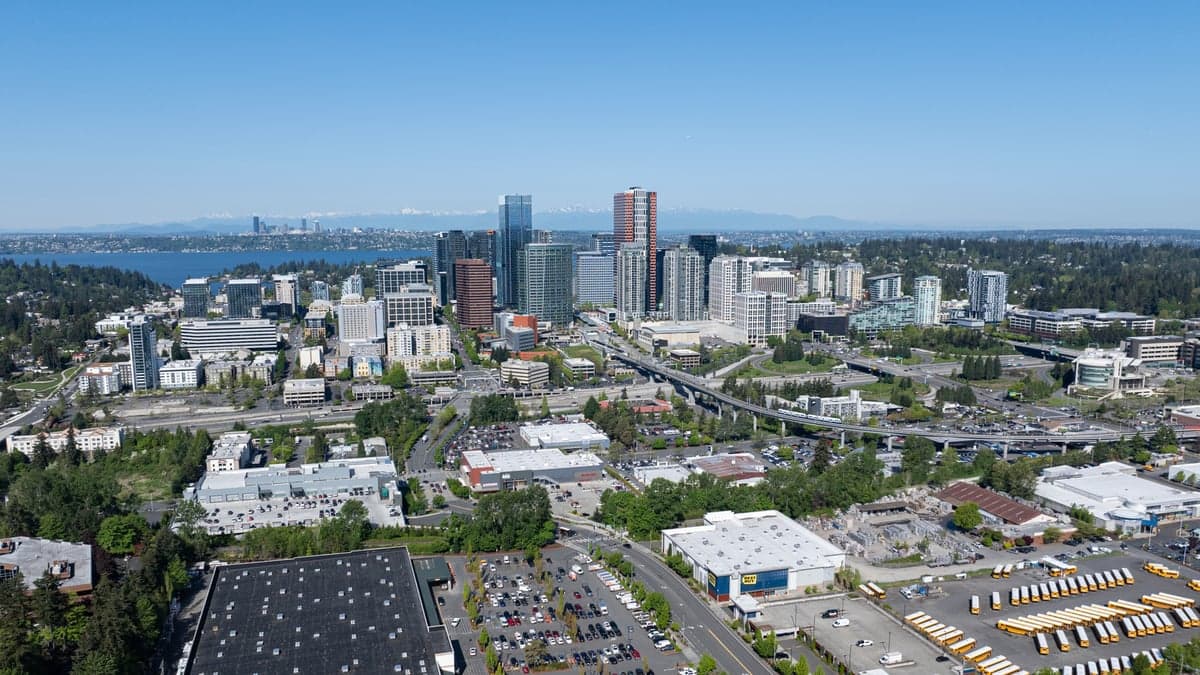
Photo: Wikipedia
Quality of Life in Bellevue, WA
A high quality of life with strong walkability, manageable living costs, healthy neighborhood signals, and solid amenity access.
What does Quality of Life tell us?
Quality of Life blends cost of living, nearby amenities, socioeconomic signals, and neighborhood character. City-level scores represent the whole municipality; individual neighborhoods can differ.
What does this tell us?
Quality of Life blends cost of living, nearby amenities, socioeconomic signals, and neighborhood character. City-level scores represent the whole municipality; individual neighborhoods can differ.
Cost of Living
200% above national average
The Real Cost of Living in Bellevue, WA for 2026
| Tier | Individual | Family (4) |
|---|---|---|
| Survival | $40k | $75k |
| Comfortable | $214k | $315k |
| Luxury | $291k+ | $452k+ |
| Elite (Top 5%) | $369k+ | $573k+ |
51%
The Area Signal
A metric tracking the socioeconomic signals of the area.
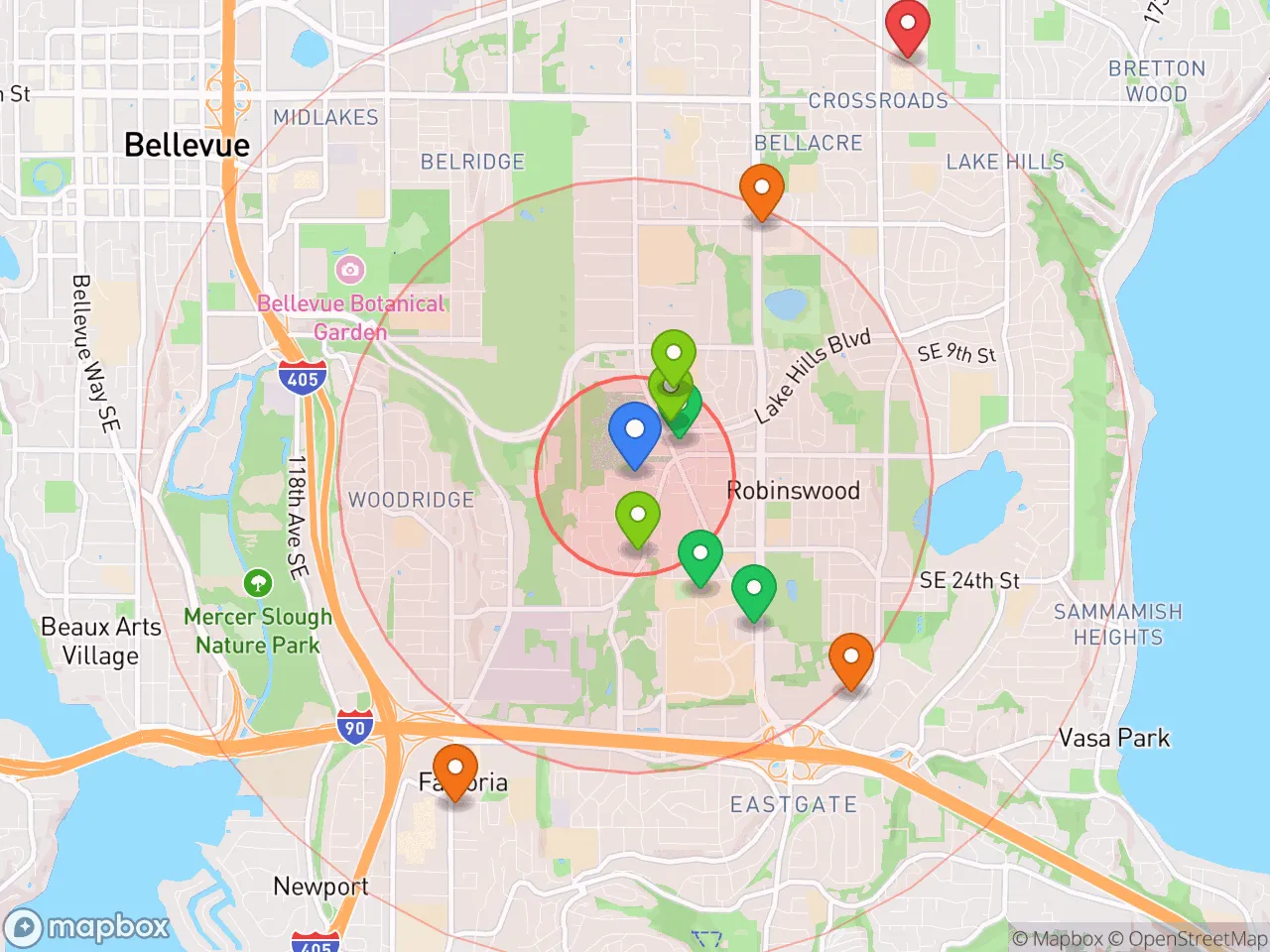
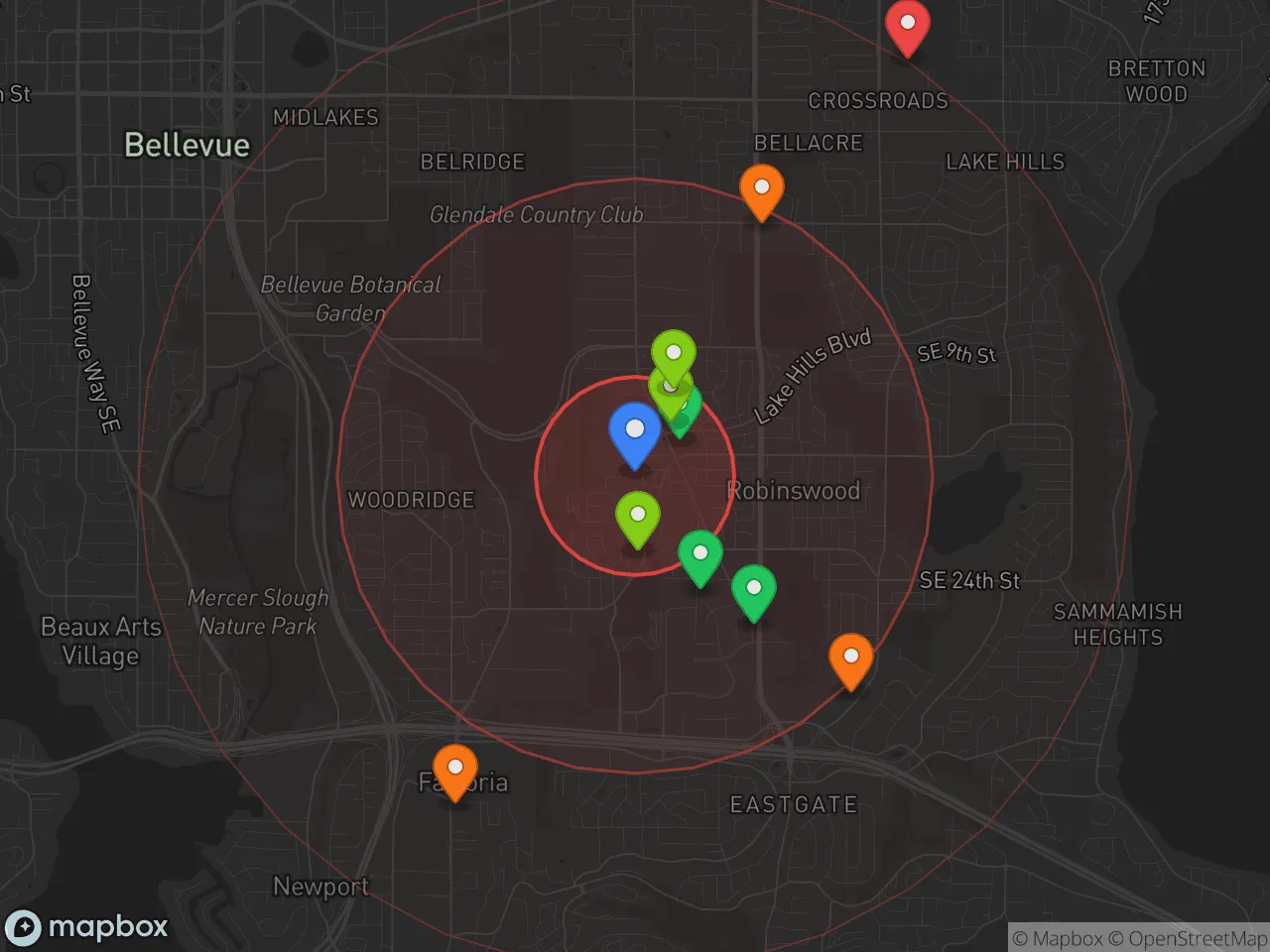
Hobbies
Explore the areaGroceries
6 within 10 miles
Gas
20 within 10 miles
Hospital
20 within 20 miles
Airport
SEA — Seattle–Tacoma International
Post Office
USPS — Bellevue, WA
Critical Amenities
Quality-of-Life Analysis
Bellevue, Washington, is one of the most affluent cities in the Pacific Northwest, drawing a population of high-earning tech professionals, executives, and families who prioritize top-tier schools and proximity to Seattle’s job market without the urban density. With a cost of living index of 300—triple the national average—the city’s demographic skews toward households with six-figure incomes, many employed by major employers like Microsoft, Amazon, T-Mobile, and a dense cluster of tech startups along the Bel-Red corridor. The city’s reputation for safety, green spaces, and high-performing public schools makes it a magnet for families, while its walkable downtown and luxury condos attract young professionals and empty-nesters seeking a polished, amenity-rich suburban experience.
Cost of living, housing affordability, and how Bellevue compares to Seattle and Redmond
Bellevue’s cost of living index of 300 is roughly 30% higher than Seattle’s (index ~220) and on par with Redmond, driven almost entirely by housing. The median home value sits at $1,203,100, making single-family homeownership inaccessible for most middle-income buyers; a 20% down payment alone exceeds $240,000. Median rent of $2,505 per month is about $400 higher than Seattle’s average, though renters get more square footage and newer construction. Compared to Redmond, Bellevue offers slightly more diverse housing stock—from 1950s ramblers in the Enatai neighborhood to glassy high-rises in the downtown core—but prices are within 5–10% of each other. For those willing to commute, cities like Issaquah or Renton offer median home values $200,000–$400,000 lower, but the trade-off is a longer drive. The average commute in Bellevue is 23.7 minutes, shorter than Seattle’s 28-minute average, thanks to the concentration of jobs within the city itself and reverse-commute patterns from Seattle residents.
What daily life is like: schools, parks, dining, and the family-friendly rhythm
Daily life in Bellevue revolves around its exceptionally rated public schools—Bellevue School District consistently ranks among Washington’s top three, with schools like Newport High School and Bellevue High School sending graduates to elite universities. The city’s 2,700-acre park system, including the 520-acre Bridle Trails State Park and the waterfront Meydenbauer Bay Park, provides immediate outdoor access for hiking, biking, and water sports. Downtown Bellevue functions as a second downtown for the region, with high-end shopping at Bellevue Square, a growing arts scene at the Meydenbauer Center, and over 200 restaurants ranging from sushi counters to Michelin-recognized spots like Ascend Prime Steak & Sushi. The rhythm is distinctly suburban: families fill the parks on weekends, commuters flow to Eastside tech campuses during the week, and the nightlife is quieter than Seattle’s, centered on wine bars and hotel lounges rather than clubs. The city’s low violent crime rate—roughly one-third the national average—and well-maintained sidewalks and bike lanes reinforce a sense of safety and order that appeals strongly to families with young children.
Bellevue is best suited for high-income households—tech workers, executives, and dual-income professionals—who can absorb the housing costs and value top-tier schools, low crime, and a polished, amenity-dense environment over urban grit or rural space. Families with children will find the school system and parks unmatched on the Eastside, while remote workers and commuters benefit from the short average commute and strong local job base. Those on a median national income, or seeking a vibrant nightlife or bohemian culture, will likely find Bellevue financially stressful and socially homogeneous. For the right demographic, however, the city delivers a consistently high quality of life with few trade-offs beyond the price tag.

Crime in Bellevue, WA
Generally safer than 71% of comparable U.S. locations.
Violent CrimeViolent Crime Analysis
Property CrimeProperty Crime Analysis
Crime Analysis
Bellevue, Washington, consistently ranks among the safest large cities in the state, with a violent crime rate of 110.9 per 100,000 residents — roughly one-third the national average. However, its property crime rate of 2,167.1 per 100,000 is notably higher, reflecting a trend seen across the broader Puget Sound region. While the city’s overall safety profile is strong, prospective residents should be aware that progressive judicial policies in King County have created a legal environment that, in practice, can reduce consequences for repeat property offenders, contributing to a sense of impunity in some neighborhoods.
Crime in context
Bellevue’s violent crime rate is exceptionally low for a city of its size and affluence. For comparison, the national violent crime rate in 2024 was approximately 380 per 100,000, meaning Bellevue is roughly 70% below that benchmark. The city’s property crime rate, however, sits about 15% above the national average of roughly 1,900 per 100,000. This disparity is largely driven by auto thefts and thefts from vehicles, which have spiked across King County since 2020. The county’s elected prosecutor and many local judges have adopted policies emphasizing diversion and reduced sentencing for non-violent property crimes, a progressive approach that critics argue has emboldened organized retail theft rings and car prowlers operating across city lines. Bellevue police have responded with targeted patrols and license-plate reader technology, but the underlying judicial philosophy remains a concern for residents seeking consistent accountability.
What residents experience
For most Bellevue residents, daily life feels very safe. Violent crime is rare and typically confined to isolated incidents rather than random attacks. The primary safety nuisance is property crime: car break-ins at trailheads, package thefts from front porches, and occasional commercial burglaries. Residents in downtown condos and apartments near the Bellevue Transit Center report more frequent incidents of theft and vagrancy than those in single-family neighborhoods like West Bellevue or Somerset. The city’s police department is well-funded and responsive, with an average response time of under 6 minutes for priority calls. However, the King County jail’s policy of releasing low-level offenders without booking — a direct result of progressive bail reform — means that many property crime arrests do not lead to sustained detention, frustrating both victims and patrol officers.
Neighborhood-level variation is significant. The Factoria and Crossroads areas, which have denser apartment complexes and proximity to Interstate 405, see higher property crime rates than the gated communities of Clyde Hill or the lakefront estates of Medina. The downtown core, while heavily patrolled, experiences a steady volume of thefts from parked cars and occasional shoplifting incidents at the Bellevue Collection mall. In contrast, the Bridle Trails and Lake Hills neighborhoods report very low crime, with residents citing strong neighborhood watch programs and limited through-traffic. For those prioritizing maximum safety, the east side of Bellevue — closer to Lake Sammamish — offers the quietest, most secure environment within city limits.
* Values derived from national, state, county, city and local statistics and may differ in a specific area. Last updated: 2026-04-21T11:04:03.000Z
Narrative content on this page is AI-generated and may contain mistakes. Verify any details that matter before acting on them.
ReloMaps may earn a commission from affiliate links at no extra cost to you.

