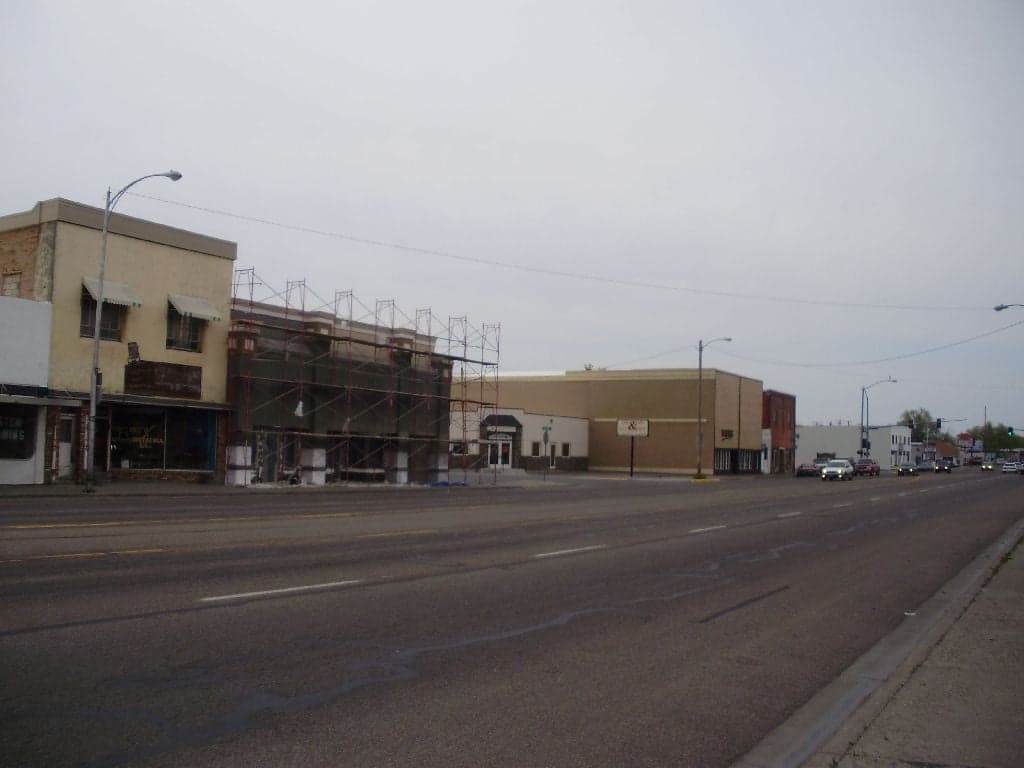
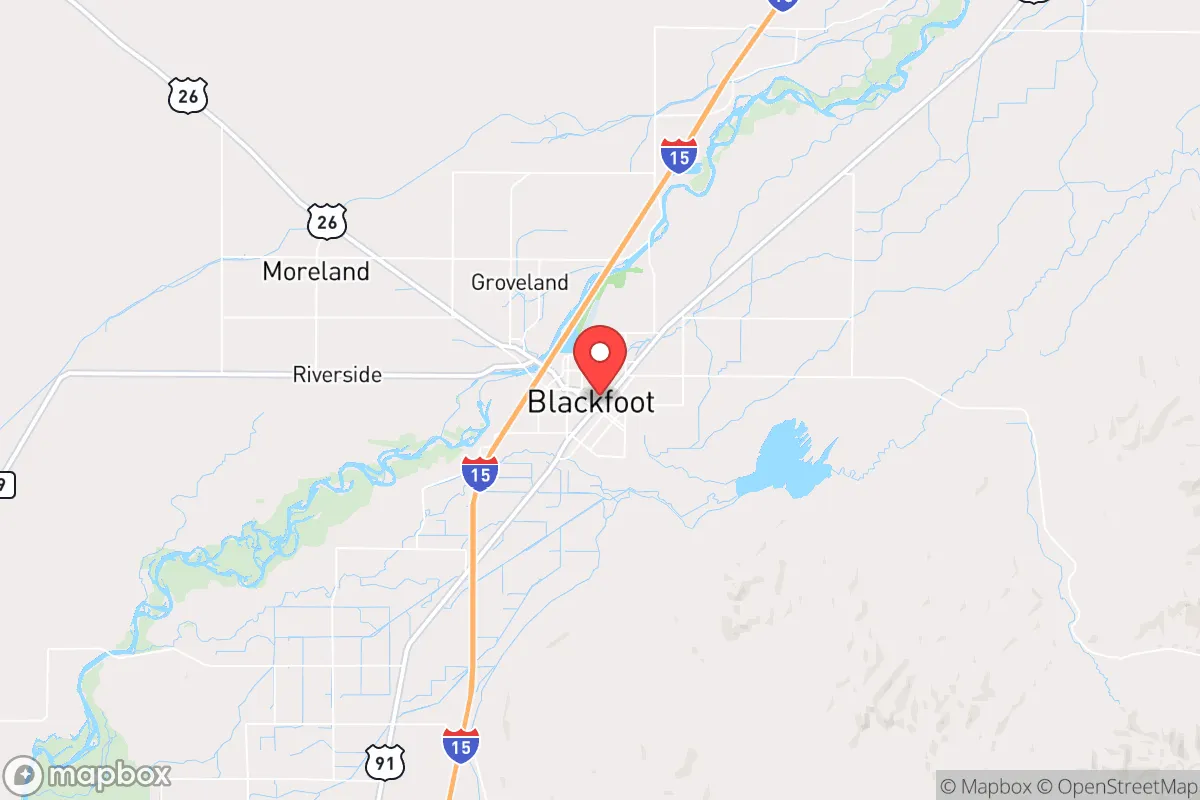
Photo: Wikipedia
Find The Best Places To Live
in Blackfoot
PRO TIP! You can paste a Zillow or Redfin link to get info on that property.
What It's Like Living in Blackfoot, ID
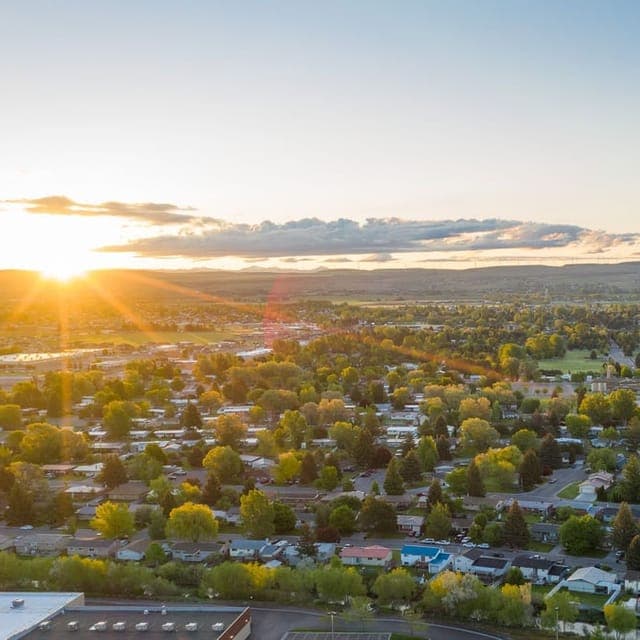
Living in Blackfoot, Idaho, feels a lot like stepping into a slower, more grounded version of the American West. It’s a town of about 12,600 people where the high school football game on a Friday night is still the main event, and the biggest local controversy might be whether the new taco truck is as good as the one by the fairgrounds. People here tend to know their neighbors, wave from their trucks, and take genuine pride in the fact that Blackfoot is the "Potato Capital of the World" — a title worn with a straight face and a sense of humor. If you’re looking for a place where life moves at a manageable pace and community ties run deep, this is a town worth a serious look.
The Daily Rhythm: Work, Errands, and Weekend Rituals
Most mornings in Blackfoot start early, often before sunrise. The largest employers are the local school district, Bingham Memorial Hospital, and a handful of agricultural processors tied to the potato and sugar beet industries, so a lot of folks are clocking in by 7 or 8 AM. The average commute is just over 20 minutes — a relaxed drive past farm fields and the Snake River that rarely involves traffic jams. By 5 PM, the downtown core along Bridge Street quiets down, and the real action shifts to the high school gym or the parking lot of Broulim’s grocery store, where you’ll see parents picking up kids from practice and grabbing last-minute dinner ingredients.
Weekends are for the outdoors or for getting things done around the house. Many residents spend Saturday mornings at the Blackfoot Farmers Market (June through September) or driving 20 minutes to the Portneuf River for fly fishing. Sunday is often reserved for church — there’s a strong Latter-day Saint presence here, though you’ll also find Catholic, Methodist, and nondenominational congregations. The median age is 35.6, and the median household income sits at $69,091, which goes a long way in a town where the cost of living is 27% below the national average. That means a family can afford a solid three-bedroom home (median value: $225,900) on a single income, something increasingly rare in the rest of the country.
Sports, Community, and the Things That Bring People Together
High school sports are the heartbeat of Blackfoot. The Blackfoot Broncos football and basketball games draw crowds that pack the stands, and the rivalry with neighboring Shelley High School is the kind of thing people talk about for decades. There’s no pro or college team in town — the nearest big-time sports are Boise State, two hours west — but that only makes the local games feel more important. On a crisp October night, the entire town seems to show up at the stadium, bundled in blankets, cheering for kids they’ve watched grow up. It’s a level of community investment that can feel surprising to someone coming from a larger city.
Beyond sports, the Eastern Idaho State Fair in early September is the undisputed social highlight of the year. It brings carnival rides, livestock auctions, demolition derbies, and a midway that smells like funnel cake and hay. For a week, the fairgrounds on Jensen Street become the center of the universe for Bingham County. Other local traditions include the Blackfoot Performing Arts Center, which hosts community theater and concerts, and the annual Spud Day celebration in nearby Shelley — yes, there’s a parade dedicated to potatoes, and yes, it’s as wholesome as it sounds.
What’s There to Do (and What’s Missing)
Outdoor recreation is the main draw. The Snake River runs right through town, offering decent fishing for trout and smallmouth bass, and the Blackfoot River is a short drive east for kayaking and birdwatching. The Bingham County Nature Center has walking trails that are popular with dog owners and families. For a bigger adventure, the Caribou-Targhee National Forest is about 45 minutes northeast, with hiking, camping, and mountain biking that sees far fewer crowds than the Sawtooths near Sun Valley.
When it comes to eating out, the options are limited but solid. Jakers Bar & Grill on Bridge Street is the go-to for burgers and a cold beer, while El Herradero serves reliable Mexican food that locals swear by. For a nicer dinner, Sandpiper Restaurant offers steak and seafood with a view of the river. Nightlife is sparse — there are a couple of bars like The Office Lounge where you can catch a game on TV, but don’t expect a club scene. Most socializing happens at private homes, church events, or the occasional fundraiser at the fairgrounds.
The biggest frustration for residents is the lack of shopping and entertainment variety. There’s no mall, no movie theater (the closest is in Idaho Falls, 20 minutes west), and no major music venue. For a night out that feels different, most people drive to Idaho Falls for dinner, a movie, or the Museum of Idaho. The trade-off is that Blackfoot stays quiet, safe, and affordable — the violent crime rate of 297.7 per 100,000 is slightly above the national average but still low enough that most people don’t lock their doors during the day.
Who Fits In Here — and Who Might Struggle
Blackfoot works best for people who value stability, community, and a slower pace. It’s a natural fit for families with school-age kids (the schools are a central part of life), for outdoor enthusiasts who don’t need a nightlife scene, and for anyone who appreciates a place where a handshake still means something. The college-educated population is only 22.2%, so this isn’t a town of white-collar professionals — it’s a working-class community where trades, farming, and healthcare are the backbone. If you’re a remote worker or a retiree on a fixed income, the low cost of living is a huge plus.
On the flip side, if you’re single and under 30, you might find the social scene limited. The dating pool is small, and there aren’t many places to meet new people outside of work or church. The winters can feel long — temperatures regularly drop below freezing from November through March, and the inversion fog can make the valley gray for weeks at a time. And while the town is politically conservative (Bingham County voted heavily Republican in recent elections), that’s less a quirk and more a baseline assumption — most residents are fine with it, but it’s worth knowing going in.
Ultimately, Blackfoot is a place where you trade convenience for connection, and where the biggest complaint is often that there’s “nothing to do” — which usually means there’s nothing to do except spend time with the people around you. For the right person, that’s exactly the point.

Similar towns to Blackfoot
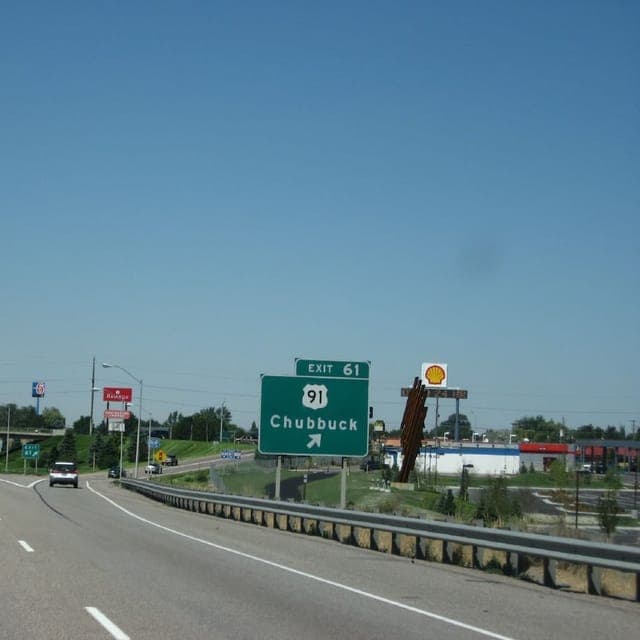
* Values derived from national, state, county, city and local statistics and may differ in a specific area. Last updated: 2026-04-19T09:33:10.000Z
Narrative content on this page is AI-generated and may contain mistakes. Verify any details that matter before acting on them.
ReloMaps may earn a commission from affiliate links at no extra cost to you.

