Photo: Wikipedia
Political ClimatePolitical Climate in Bullhead City, AZ
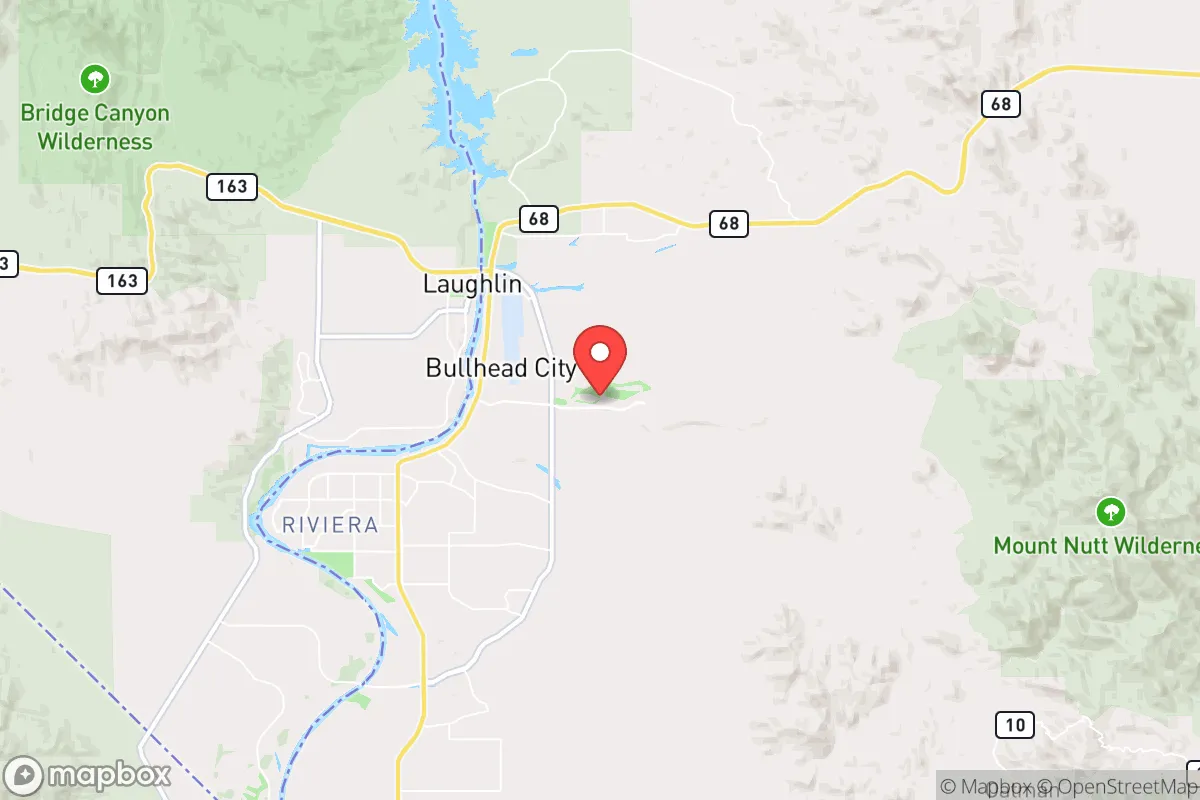
District shown is the primary district for this city’s centroid. Cities may span multiple districts.
Local Political AnalysisPolitical Analysis of Bullhead City, AZ
Bullhead City leans solidly conservative, with a Cook PVI of R+15 that puts it among the more reliably Republican areas in Arizona. That number tells you the baseline, but the real story is how the local political climate has held steady even as neighboring towns like Lake Havasu City and Laughlin have seen some demographic shifts. For a long time, this was a place where folks minded their own business and expected the same from government—and that attitude still runs deep. The trajectory here isn't toward the kind of progressive drift you see in Phoenix or Tucson; if anything, Bullhead City has doubled down on its core values over the past decade, with local elections consistently favoring candidates who prioritize limited government and personal liberty.
How it compares
When you stack Bullhead City against nearby communities, the contrast is pretty clear. Lake Havasu City, just 30 miles south, has a similar R+14 lean but has seen more influx of retirees from California, which has nudged some local races toward moderate positions on issues like water rights and zoning. Laughlin, across the river in Nevada, is a different animal entirely—it's more libertarian-leaning but with a heavier casino-industry influence that sometimes pushes for bigger government subsidies. Up north, Kingman is closer to Bullhead City's brand of conservatism, but it's more rural and less focused on the Colorado River economy. The real outlier is Mohave Valley, a small unincorporated area where you'll find some of the most vocal Second Amendment advocates and property-rights activists in the county. Bullhead City sits right in the middle of that spectrum—conservative enough to feel familiar, but with enough municipal structure to keep things running without the chaos of unchecked growth.
What this means for residents
For someone living here, the political climate translates into a few concrete realities. Property taxes stay low because local officials consistently vote against new levies, and there's a strong presumption that you should be able to do what you want with your land within reason. Business regulations are minimal—starting a small shop or a home-based service doesn't require jumping through a dozen hoops, which is why you see so many mom-and-pop operations thriving along Highway 95. On the flip side, any push for progressive policies—like stricter environmental rules on river access or new housing mandates—gets met with serious pushback at city council meetings. The concern among longtime residents is that if the county ever shifts toward the kind of overreach you see in Maricopa County, it could choke the very lifestyle that brought people here. So far, that hasn't happened, but the vigilance is real.
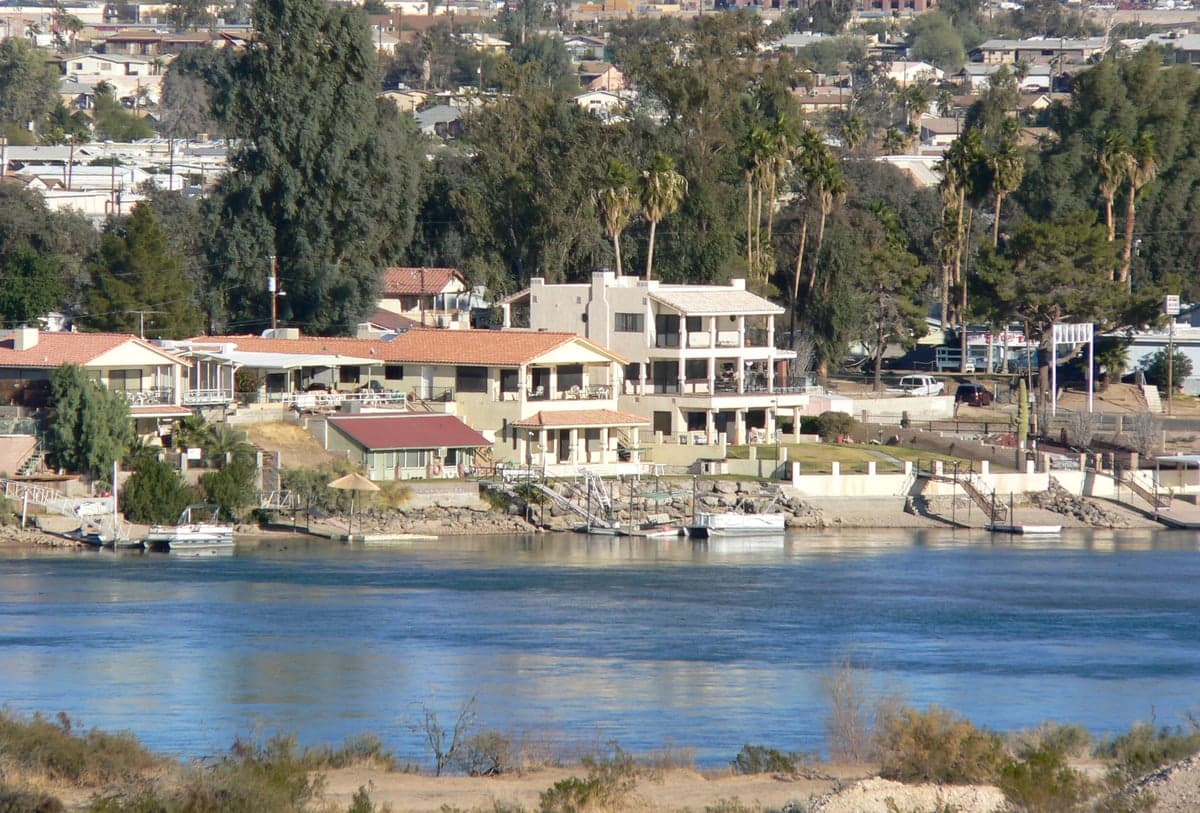
Culturally, Bullhead City stands out for its hands-off approach to personal freedoms. You won't find the kind of mask mandates or business-closure orders that plagued other parts of the state during the pandemic—local leaders trusted individuals to make their own choices. The riverfront culture reinforces that independence: people come here to boat, fish, and live without a lot of interference. The biggest policy distinction is how the city handles water rights and development along the Colorado River—there's a strong local consensus that federal overreach on water management is a threat, and residents are vocal about protecting their access. If you're looking for a place where government stays out of your business and the community backs that up at the ballot box, Bullhead City delivers. Just don't expect it to change anytime soon—the locals like it this way.

State Political ClimatePolitical Climate in Arizona
State Political AnalysisPolitical Environment in the State
Arizona has transformed from a reliably Republican stronghold into a genuine battleground state over the past two decades, with its partisan lean shifting from a solid +20-point GOP advantage in the 2000s to a razor-thin margin where Democrats now win statewide races by less than 1%. The state’s political identity is defined by a collision between its deeply conservative rural and suburban base and the explosive growth of Maricopa County’s sprawling suburbs, which have become the epicenter of a tug-of-war between traditional Western libertarianism and progressive activism. For a conservative considering relocation, Arizona offers a mixed bag: low taxes and a pro-business climate coexist with a rapidly diversifying electorate that has delivered mixed results on cultural and educational issues.
Urban vs. rural divide
The political map of Arizona is starkly divided. The Phoenix metro area, particularly Maricopa County, is the decisive battleground—home to 60% of the state’s population and the swing vote that decides every election. Within Maricopa, the suburbs tell the story: Mesa and Gilbert remain reliably conservative, with Gilbert voting +12 R in 2024, while Scottsdale has shifted leftward, flipping from +10 R in 2016 to +2 D in 2024. Tucson (Pima County) is a Democratic stronghold, voting +15 D, driven by the university and a growing Latino electorate. Rural Arizona—places like Yavapai County (Prescott) and Mohave County (Lake Havasu City)—votes +30 to +40 R, but their populations are too small to offset the urban shift. The real wildcard is Pinal County, between Phoenix and Tucson, which voted +18 R in 2024 but is growing fast with exurban families who are culturally conservative but economically moderate. This urban-rural split means a conservative moving to Arizona should expect a very different political environment depending on whether they choose a rural county or a Phoenix suburb.
Policy environment
Arizona’s policy landscape is a study in contrasts. On taxes, the state is genuinely friendly: a flat 2.5% income tax rate (down from 4.5% in 2020) and no estate tax make it attractive for families and retirees. Property taxes are low, averaging 0.62% of home value, and there’s no sales tax on groceries. However, the regulatory posture is mixed. The state has a right-to-work law and is generally pro-business, but local zoning battles in Maricopa County have slowed housing development, driving up costs. Education policy is a flashpoint: Arizona was an early leader in school choice, with universal Empowerment Scholarship Accounts (ESAs) allowing parents to use public funds for private or homeschool—a major win for parental rights. But the state’s public schools rank 48th nationally in per-pupil spending, and teacher unions have pushed for more funding, leading to the 2018 #RedForEd walkouts that shut down schools for weeks. Election laws have been a battleground: the 2021 audit of Maricopa County ballots (the “Cyber Ninjas” audit) was a national spectacle, and subsequent laws tightened voter ID requirements and banned ballot drop boxes in some counties. For a conservative, the policy environment is a net positive on taxes and school choice, but the education funding debate and election integrity concerns remain unresolved.
Trajectory & freedom
Arizona’s trajectory on personal freedom is a mixed record. On the positive side, the state has expanded gun rights: in 2021, it passed a permitless carry law (SB 1382), allowing any adult who can legally own a firearm to carry concealed without a permit. Property rights are strong, with no statewide rent control and a “right to farm” law protecting agricultural operations from nuisance lawsuits. Medical autonomy saw a win in 2022 when the state banned COVID-19 vaccine mandates for public employees and contractors. However, the state has also seen concerning expansions of government overreach. In 2022, the legislature passed a law (HB 2486) that restricts transgender athletes from competing in school sports—a move popular with conservatives but which has drawn federal lawsuits. More troubling for liberty-minded residents, the state has a history of using emergency powers: during COVID, Governor Doug Ducey imposed business closures and mask mandates, though these were later struck down by the courts. The biggest freedom concern is the growth of local government power: cities like Tempe and Flagstaff have enacted their own rental registration schemes and short-term rental restrictions that preempt state law. Overall, Arizona is becoming more free on core issues like guns and taxes, but local governments are increasingly testing the limits of state preemption.
Civil unrest & political movements
Arizona has been a hotspot for political activism on both sides. The most visible flashpoint is the border: Yuma and Nogales have seen repeated protests over immigration policy, with the 2023 “Operation Lone Star” busing of migrants to Phoenix sparking clashes between activists and law enforcement. The state has a strong sanctuary city debate—Phoenix and Tucson have declared themselves “welcoming cities,” limiting cooperation with ICE, while the legislature passed a 2024 law (SB 1230) requiring local police to enforce federal immigration law, which is being challenged in court. Election integrity remains a raw nerve: the 2020 Maricopa County audit drew national attention, and subsequent protests outside the county recorder’s office in 2022 turned violent when a man fired a gun into the air. On the left, the Sunrise Movement and Moms Demand Action have a strong presence in Phoenix and Tucson, organizing school walkouts and gun control rallies. On the right, the Arizona Freedom Caucus has become a powerful force in the legislature, pushing for election audits and parental rights bills. For a new resident, the most visible sign of this tension is the constant presence of political signs and campaign volunteers in Maricopa County—it’s a state that never stops campaigning.
Projection
Over the next 5-10 years, Arizona will likely remain a battleground, but the demographic trends favor a slow leftward shift. The state is growing fast—adding 100,000 people per year—and the new arrivals are split: many are conservative retirees from California and the Midwest, but a growing number are young professionals and Latinos who lean Democratic. The Latino vote, which made up 25% of the electorate in 2024, is not monolithic—many are culturally conservative on abortion and family issues—but the Democratic Party has invested heavily in outreach. The biggest wildcard is the Phoenix suburbs: if Chandler and Peoria continue to shift left like Scottsdale did, the state could become reliably blue by 2032. However, the rural vote is not going anywhere, and the legislature’s gerrymandered districts will keep the state house Republican for at least another decade. For a conservative moving in now, expect a decade of close elections, continued fights over school funding and immigration, and a slow erosion of the traditional Western libertarian consensus. The state will not become California, but it will become more contested and polarized.
For a conservative relocating to Arizona, the bottom line is this: you get low taxes, strong gun rights, and school choice, but you also get a state that is politically divided and increasingly contentious. If you want a reliably red environment, stick to rural counties like Yavapai or Mohave, or the deep-red suburbs of Gilbert and Mesa. If you move to Phoenix or Tucson, expect to live in a swing district where your vote matters but your neighbors may not share your values. The state’s trajectory is uncertain, but for now, Arizona offers a unique blend of Western freedom and political volatility—a place where your personal liberty is protected, but your cultural preferences are increasingly up for debate.
* Values derived from national, state, county, city and local statistics and may differ in a specific area. Last updated: 2026-04-19T05:35:24.000Z
Narrative content on this page is AI-generated and may contain mistakes. Verify any details that matter before acting on them.
ReloMaps may earn a commission from affiliate links at no extra cost to you.

