Photo: Wikipedia
Find The Best Places To Live
in Peoria
PRO TIP! You can paste a Zillow or Redfin link to get info on that property.
What It's Like Living in Peoria, AZ
Peoria, Arizona, often feels like the quieter, more deliberate cousin to its flashier West Valley neighbors. It’s a city of nearly 200,000 people that has grown fast but held onto a distinctly suburban, family-first identity—think less nightlife buzz and more weekend soccer games, lake days, and neighborhood block parties. The vibe is solidly middle-to-upper-middle class, with a median household income just over $93,000 and a median age of 42.1, meaning you’re surrounded by established professionals, empty-nesters, and families who chose Peoria specifically for its slower pace and good schools.
Daily Rhythm: What Life Actually Looks Like
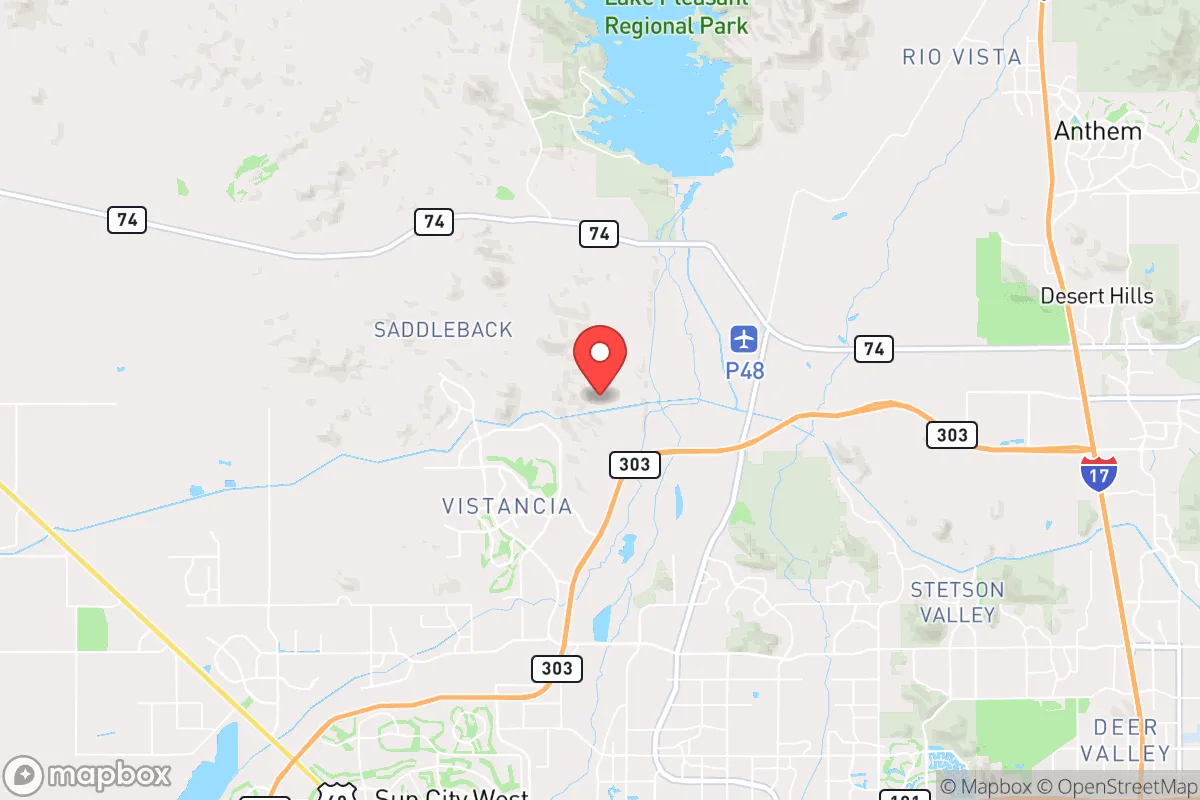
Most mornings here start early, partly because the sun demands it and partly because the commute—averaging about 28 minutes—pushes people out the door by 6:30 or 7. The biggest employers are the Peoria Unified School District, Banner Health, and the city government itself, so a lot of residents work in education, healthcare, or municipal services. After work, you’ll find people at the P83 entertainment district near the 101 and Bell Road, grabbing dinner at Arrowhead Grill or catching a movie at Harkins. Weekends revolve around the Lake Pleasant Regional Park—boating, jet-skiing, and fishing are practically a religion here—or hiking the trails at West Wing Mountain. The shopping is anchored by Arrowhead Towne Center, a large indoor mall that still draws crowds, though many locals prefer the newer outdoor centers like Park West for its restaurants and casual hangouts.
The weather dictates everything. Summer highs regularly hit 110°F from June through September, so outdoor life shifts to early mornings and evenings. Pool memberships are common, and many homes have their own. Winters are the payoff: November through March, you get 70°F days perfect for patio dining at Bobby Q’s or Fleming’s Prime Steakhouse. The seasonal rhythm is real—locals stock up on sunscreen and plan indoor activities for July, then live outside from October to May.
Sports, Community, and the Local Identity
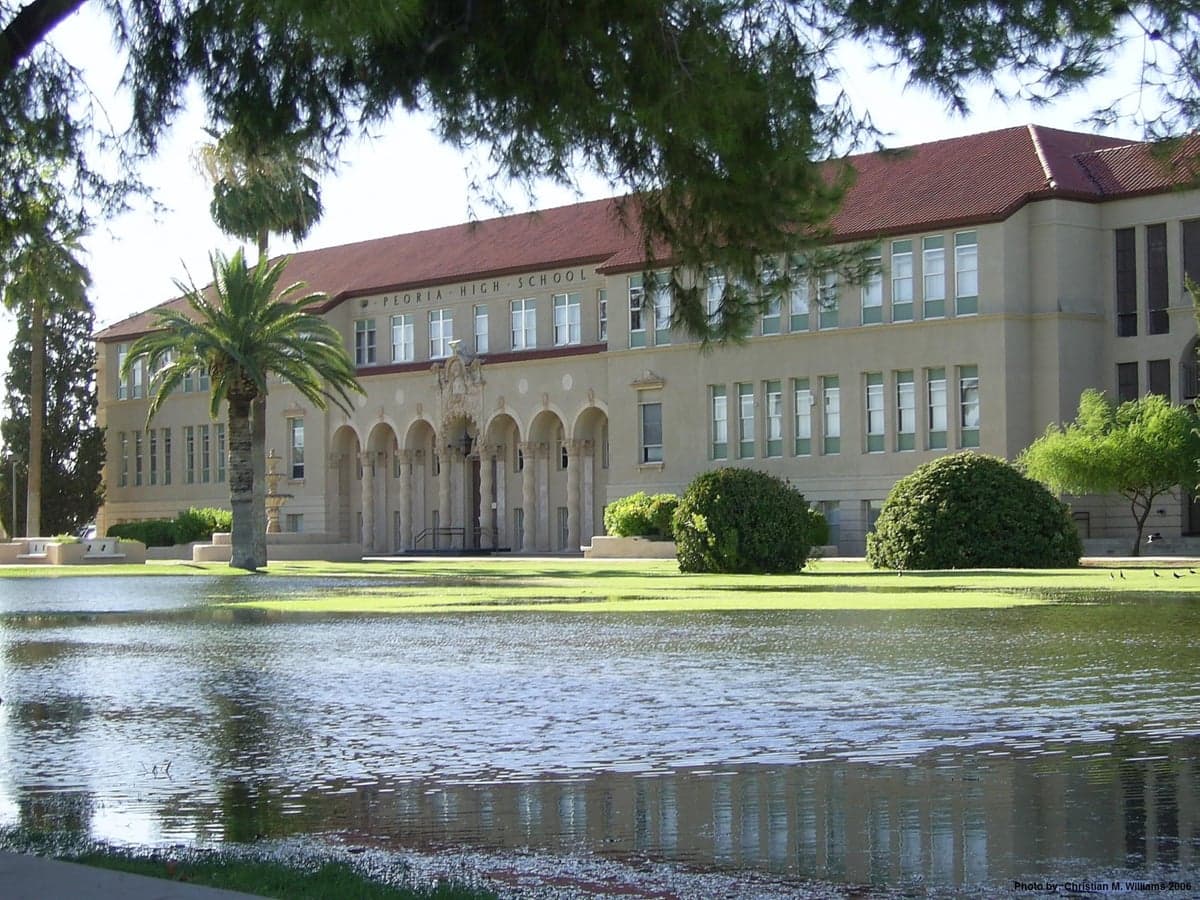
Peoria isn’t a pro sports town in the way Phoenix or Glendale is, but it has a deep connection to baseball. The Seattle Mariners and San Diego Padres hold spring training at the Peoria Sports Complex, and for six weeks each February and March, the city fills with fans from the Pacific Northwest. It’s a genuine cultural event—locals plan their commutes around game traffic, and the complex becomes a social hub. High school sports are a much bigger deal year-round. Peoria High School and Liberty High School football games draw thousands on Friday nights, and the rivalry between them is intense enough that it’s a common conversation starter at coffee shops.
The city’s identity is proudly suburban and conservative-leaning, reflected in its strong homeowners’ associations, well-maintained parks, and a city council that prioritizes public safety and low taxes. You won’t find a vibrant arts district or a counterculture scene—Peoria is built for people who want a predictable, safe environment. The violent crime rate of 247.1 per 100,000 is notably lower than the national average, and residents often cite feeling comfortable letting kids play outside or walk to school. The trade-off is that some find it a bit bland. There’s no major music venue or late-night bar strip; the most exciting weekend event might be the Peoria Fine Art Fair or a concert at the Peoria Center for the Performing Arts.
What’s There to Do: Parks, Festivals, and Hidden Gems
Outdoor recreation is the main draw. Lake Pleasant is the crown jewel—a 10,000-acre reservoir that offers everything from pontoon rentals to wakeboarding. It’s a 20-minute drive from most of Peoria, and on summer weekends, the boat ramps are packed by 8 AM. The New River Trail runs through the city for over 20 miles, popular with cyclists and runners. For families, the Peoria Main Library and the Rio Vista Recreation Center are community anchors, offering classes, sports leagues, and summer camps.
Festivals are seasonal but well-attended. The Peoria BBQ & Blues Festival in November draws thousands, and the Peoria 4th of July Celebration at Pioneer Park is a major event with fireworks and live music. Restaurants tend toward chains, but there are local standouts: Bella’s Italian Cafe for old-school red sauce, El Encanto for Mexican food, and Lucky Lou’s for a dive-bar feel. The craft beer scene is thin—most residents drive to Waddell or Surprise for breweries like Wicked Rain or Huss Brewing.
Pros and Cons of Living Here
- Pro: Strong schools. Peoria Unified School District is one of the highest-rated in the West Valley, with multiple A-rated elementary and high schools. School performance is a top reason families choose the area.
- Pro: Lower crime. The violent crime rate is about half the national average, and property crime is manageable. Residents consistently rank safety as their top satisfaction point.
- Pro: Lake access. Lake Pleasant is a rare amenity in the desert—boating, fishing, and camping are all within 20 minutes of most homes.
- Con: Summer heat. June through September is brutal. Air conditioning runs nonstop, and outdoor activities are limited to early mornings or evenings. It’s a dealbreaker for some.
- Con: Limited nightlife. If you want live music, clubs, or a walkable downtown, Peoria isn’t it. You’ll drive to Scottsdale or Phoenix for that.
- Con: Cost of living. With a cost of living index of 151 (51% above the national average) and a median home value of $429,400, Peoria isn’t cheap. It’s affordable relative to coastal cities, but it’s a stretch for younger singles or lower-income households.
Peoria works best for people who value stability, space, and safety over urban energy. It’s a place where you know your neighbors, your kids’ teachers, and which park has the best playground. The growth has brought traffic—especially on Bell Road and the 101—but it hasn’t erased the small-town feel that longtimers love. If you’re looking for a quiet, family-oriented suburb with good schools and a lake in your backyard, Peoria delivers. If you want a 24-hour city, you’ll be disappointed. Most residents seem fine with that trade.

Similar small cities to Peoria
* Values derived from national, state, county, city and local statistics and may differ in a specific area. Last updated: 2026-05-02T09:08:40.000Z
Narrative content on this page is AI-generated and may contain mistakes. Verify any details that matter before acting on them.
ReloMaps may earn a commission from affiliate links at no extra cost to you.

