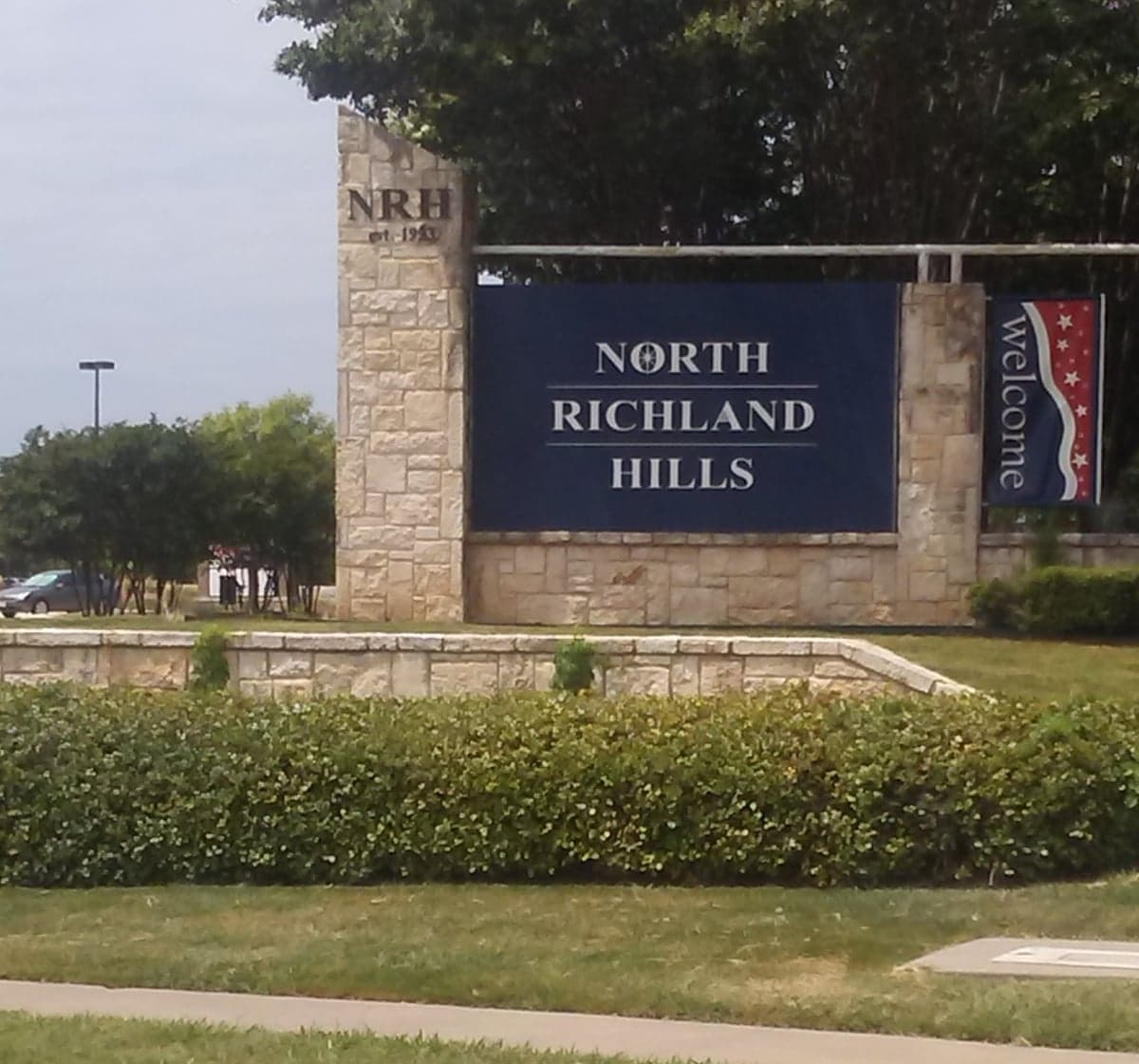
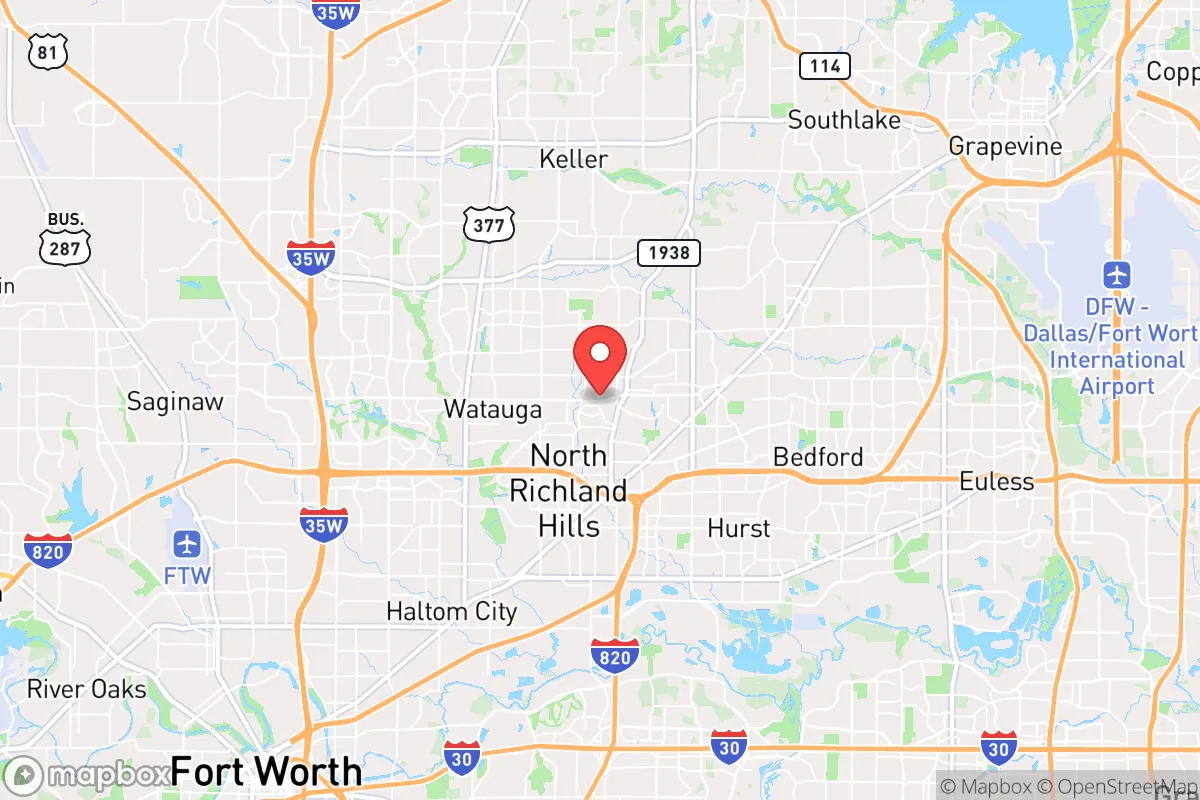
Photo: Wikipedia
Find The Best Places To Live
in North Richland Hills
PRO TIP! You can paste a Zillow or Redfin link to get info on that property.
What It's Like Living in North Richland Hills, TX
North Richland Hills has a way of feeling like a small town that got accidentally dropped inside a metroplex. It’s not flashy, not trendy, and that’s exactly why the people who live here tend to stay. You get the space and slower pace of a suburb, but with DFW Airport and downtown Fort Worth each about 20 minutes away, you’re never far from the action. The vibe is solidly middle-to-upper-middle class, family-first, and quietly proud of its local high school football and its no-nonsense city services.
Daily Rhythm: What People Actually Do
Most mornings here start with a commute that averages about 27 minutes — long enough to finish a podcast, short enough that you’re not dreading it. The biggest employers in the area are Texas Health Harris Methodist Hospital and the Birdville Independent School District, so a lot of neighbors work in healthcare or education. On weekends, you’ll find families at NRH2O Family Water Park (a legit draw for the whole region) or walking the trails around Iron Horse Park. The NRH Centre is the community hub — indoor pool, basketball courts, fitness classes, and a senior center that actually gets used. Grocery shopping is split between the H-E-B on Davis Boulevard and the Sprouts on Rufe Snow, and there’s a noticeable lack of chain restaurants that feel corporate; locals gravitate toward Babe’s Chicken Dinner House for fried chicken and Fred’s Texas Café for a burger that’s worth the wait.
Sports, Schools, and the Community Glue
High school football is the closest thing North Richland Hills has to a civic religion. Birdville High School and Richland High School are the two public schools in town, and on Friday nights in the fall, the stadiums are packed. The Birdville Hawks have a strong following, and the rivalry with Richland is genuine but friendly — it’s the kind of thing that gets discussed at the H-E-B checkout line. The schools themselves are a major reason families move here: Birdville ISD has a solid reputation, and the median home value of $324,800 is attainable for a lot of dual-income households making the area’s median income of $93,434. About 36% of adults hold a bachelor’s degree or higher, so you’re not in an academic bubble, but you’re also not in a place where education is an afterthought.
What’s There to Do (and What Isn’t)
Entertainment here is practical and outdoorsy. The North Richland Hills Community Park has soccer fields, a dog park, and a disc golf course that gets steady use. The city also hosts Movies in the Park during summer and a Christmas parade that draws a crowd. For music and nightlife, you’re driving to Fort Worth’s Stockyards or West 7th Street — there’s no real bar scene inside city limits, which is a pro for families and a con for singles under 30. The NRH2O water park is the biggest seasonal attraction, and it’s genuinely well-run; locals buy season passes. The Iron Horse Golf Course is a solid municipal course, nothing fancy, but well-maintained. What’s missing: a downtown district. There’s no Main Street with boutiques and coffee shops. The city’s commercial spine is Boulevard 26 and Rufe Snow Drive, both of which are strip-mall corridors. If you want a walkable downtown, you’re looking at Grapevine or Southlake, both about 15 minutes away.
Pros and Cons of Living Here
- Pro: Safety that’s real, not just on paper. The violent crime rate is 150.6 per 100,000 — well below the national average. Property crime exists but isn’t rampant. People leave garage doors open during the day.
- Pro: Cost of living that makes sense for the region. The cost of living index is 129 (29% above national average), but that’s standard for DFW. You get more house for your money here than in Keller or Southlake.
- Con: Traffic on 820 and 26. The intersection of Rufe Snow and 820 is a bottleneck during rush hour. The average commute of 27 minutes can stretch to 40 on bad days.
- Con: Limited cultural and nightlife options. If you’re under 30 and single, you’ll feel the lack of a downtown. Most social life revolves around church, school events, or driving to Fort Worth.
- Pro: Weather that’s genuinely four-season. Summers are hot (90s with humidity), but spring and fall are gorgeous. Winters are mild — maybe one or two ice days a year. The median age of 39.5 means most residents are settled enough to enjoy the seasons rather than dread them.
The kind of person who fits in here is someone who values predictability, good schools, and a yard over urban excitement. It’s a place where you know your neighbors’ names, where the city council meetings are actually attended, and where the biggest controversy in recent years was about a proposed apartment complex near the water park. If that sounds like your speed, North Richland Hills will feel like home. If you need a bar that stays open past midnight or a farmers market that’s more than a few produce stands, you’ll be happier in Fort Worth proper. But for the families and professionals who do live here, the trade-off is worth it.

Similar small cities to North Richland Hills
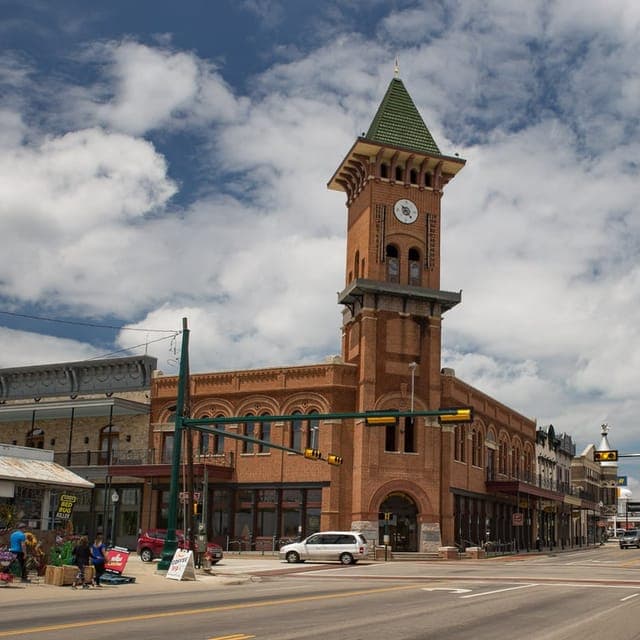
* Values derived from national, state, county, city and local statistics and may differ in a specific area. Last updated: 2026-05-29T21:28:04.000Z
Narrative content on this page is AI-generated and may contain mistakes. Verify any details that matter before acting on them.
ReloMaps may earn a commission from affiliate links at no extra cost to you.

