 Popular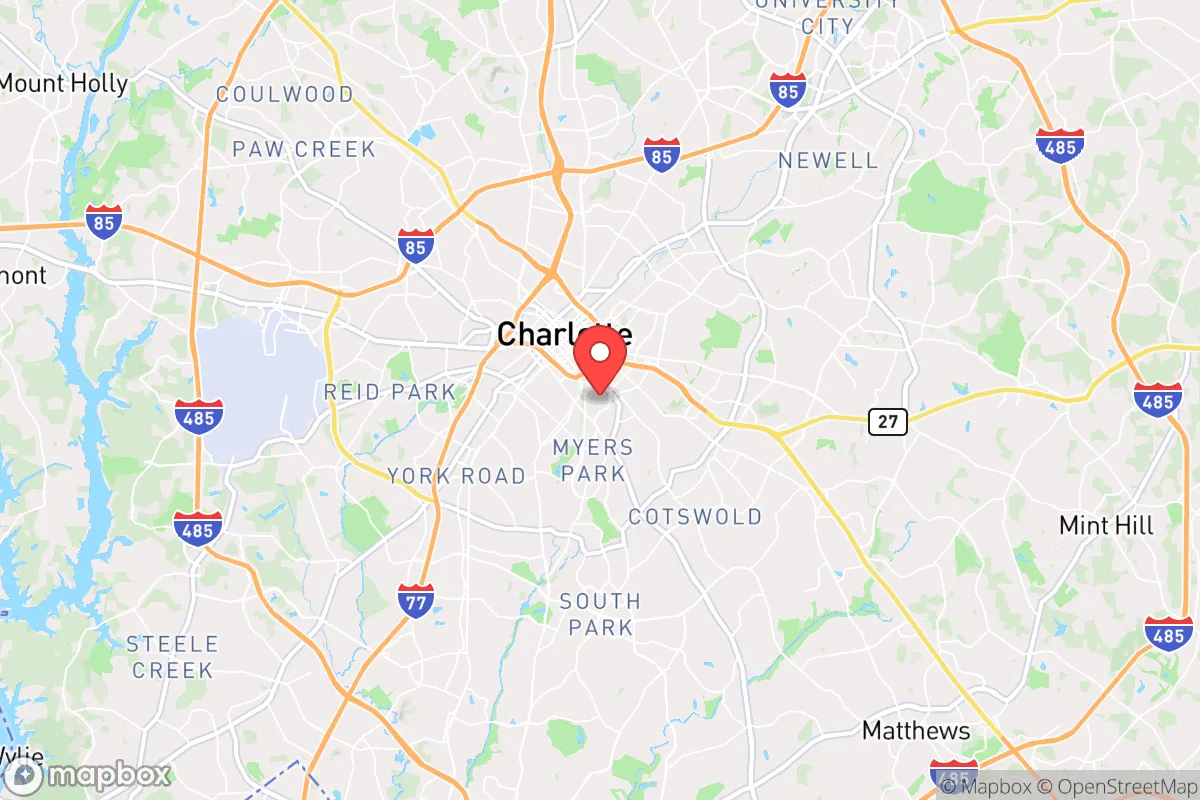
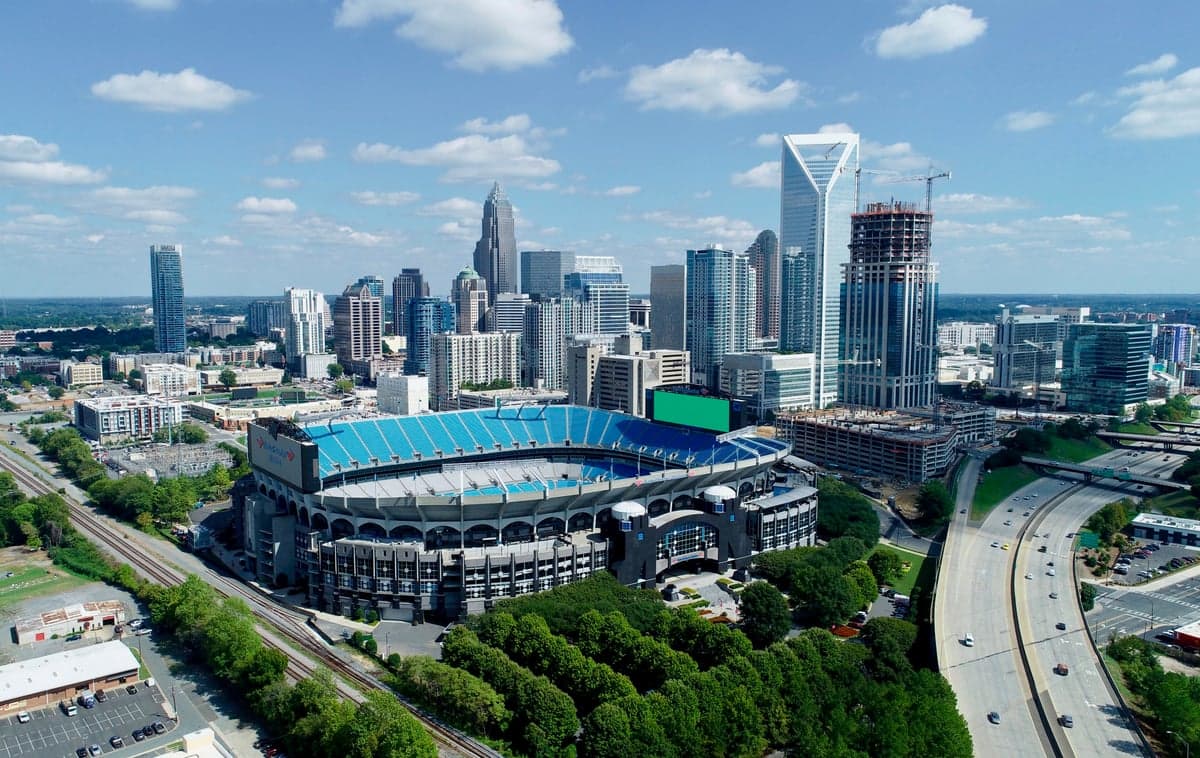
Photo: Wikipedia
Political ClimatePolitical Climate in Charlotte, NC
District shown is the primary district for this city’s centroid. Cities may span multiple districts.
Local Political AnalysisPolitical Analysis of Charlotte, NC
Charlotte’s political climate has shifted hard and fast over the past decade, and if you’ve lived here as long as I have, you’ve felt it. The city now carries a Cook PVI of D+24, meaning it votes about 24 points more Democratic than the national average. That’s a dramatic swing from even 15 years ago, when Mecklenburg County was still a purple battleground. Today, the city council and county commission are firmly under progressive control, and the local agenda has moved noticeably left on everything from policing to land use. For someone who values limited government and personal freedoms, the trajectory is honestly concerning.
How it compares
Charlotte itself is a deep blue island in a sea of red. Drive 20 minutes north to Huntersville or Cornelius, and you’ll find a more balanced mix—those towns still elect Republicans to local boards and the state legislature. Head east toward Matthews or Mint Hill, and the tilt is noticeably more conservative. But the real contrast is with the surrounding counties. Union County to the southeast is reliably red, voting +20 points or more for GOP candidates in recent cycles. Cabarrus County, home to Concord and Kannapolis, is also solidly conservative. So if you live in Charlotte proper, you’re in a place where progressive policies dominate, but you’re never more than a short drive from communities that still value fiscal restraint and individual liberty. That split creates real tension in regional planning, especially on issues like transit taxes and zoning mandates.
What this means for residents
For a conservative-leaning resident, the practical effects are already visible. The city council has pushed through higher property taxes and business regulations that make it harder for small shops to survive. There’s been a steady creep of government involvement in housing—things like mandatory inclusionary zoning and rent control studies that would have been unthinkable a decade ago. Public safety has also changed. The police budget has been cut and reallocated to social programs, and while crime rates haven’t spiked dramatically, the perception among longtime residents is that the city is less willing to enforce laws consistently. If you value the Second Amendment, Charlotte’s local ordinances are more restrictive than the state’s preemption laws allow, but the city still tries to push boundaries. School policy is another flashpoint: CMS has embraced critical race theory frameworks and gender identity policies that many parents find intrusive.
On the cultural side, Charlotte has always been a banking town—buttoned-up, professional, and relatively polite. That’s still true in the boardrooms, but the street-level culture has become more activist. You’ll see more protests, more political signage, and more open hostility to traditional values than you did even five years ago. The long-term trend is clear: unless the state legislature steps in with preemption laws, Charlotte will keep moving left. For now, the best advice I can give a friend is to live in the suburbs if you want lower taxes and more local control, and to stay engaged in city elections—because the margin for conservative candidates is shrinking every cycle.

State Political ClimatePolitical Climate in North Carolina
State Political AnalysisPolitical Environment in the State
North Carolina has long been considered a quintessential swing state, but over the past decade, it has settled into a reliably red-leaning posture in presidential elections, voting for Donald Trump in both 2016 and 2024, while the 2020 margin was razor-thin. The dominant coalition is a mix of rural conservatives, suburban moderates, and a growing but geographically concentrated progressive base in the Research Triangle and Charlotte. Over the last 10-20 years, the state has shifted from a purple battleground to a state where Republicans hold supermajorities in the legislature, a conservative Supreme Court, and the governorship has remained Democratic only through narrow, candidate-specific wins. For a conservative looking for a state that balances economic dynamism with traditional values, North Carolina is a compelling but increasingly contested option.
Urban vs. rural divide
The political map of North Carolina is a textbook study in geographic polarization. The three major metros—Charlotte, Raleigh-Durham, and Greensboro-Winston-Salem—are the engines of Democratic votes. Mecklenburg County (Charlotte) and Wake County (Raleigh) alone deliver hundreds of thousands of blue votes, often offsetting the entire rural vote. The Research Triangle, anchored by Durham and Chapel Hill, is a deep-blue enclave driven by university faculty, tech workers, and out-of-state transplants. Meanwhile, the rural east—places like Goldsboro, Greenville, and Fayetteville—and the western mountain counties like Hendersonville and Boone are solidly red. The suburban counties that once decided elections—Union, Cabarrus, Johnston—have shifted rightward, while Buncombe County (Asheville) has become a progressive mountain outlier. The divide isn't just partisan; it's cultural. Rural voters feel increasingly alienated from the urban growth machine, and the legislature's gerrymandering has only amplified that tension.
Policy environment
North Carolina's policy environment is a mixed bag for conservatives, but the trend is positive. The state has a flat income tax rate of 4.5%, which is being phased down to 3.99% by 2027, and no state tax on Social Security benefits. The regulatory climate is business-friendly, with a right-to-work law and a tort reform system that caps non-economic damages in medical malpractice cases. On education, the state has a robust school choice program, including Opportunity Scholarships that can be used at private schools, and a growing charter school sector. However, the state's Medicaid expansion under the Affordable Care Act was finally adopted in 2023, a move that many conservatives opposed as a federal overreach. Election laws have been a flashpoint: the state requires voter ID, has strict absentee ballot rules, and purges inactive voters regularly—measures that have withstood court challenges. The legislature also passed a 12-week abortion ban in 2023, overriding the governor's veto, which aligns with conservative values on life. Overall, the policy environment leans conservative, but the influence of the Democratic governor and the courts has tempered some of the most ambitious reforms.
Trajectory & freedom
On the freedom front, North Carolina has been a mixed story. The good news: the state passed a landmark Second Amendment Preservation Act in 2021, which prohibits state and local law enforcement from enforcing federal gun laws that violate the state constitution—a direct challenge to federal overreach. The legislature also passed the Parents' Bill of Rights in 2023, requiring schools to notify parents about curriculum changes and medical services, and giving parents the right to opt their children out of sex education. On the concerning side, the state's HB 2 bathroom bill debacle in 2016 was a national embarrassment, though it was eventually repealed. More recently, the state has seen a push for medical autonomy with a law prohibiting COVID-19 vaccine mandates for state employees and students, but the governor's emergency powers during the pandemic were used to impose mask mandates and business closures that many conservatives saw as excessive. Property rights remain strong, with no state-level rent control and a relatively low property tax burden. The trajectory is toward more freedom on guns and parental rights, but the battle over medical freedom and education content is far from over.
Civil unrest & political movements
North Carolina has seen its share of political flashpoints. The Moral Monday protests, which began in 2013, were a sustained left-wing movement against the Republican legislature's policies on voting rights, education, and healthcare. More recently, the 2020 protests in Charlotte and Raleigh over George Floyd's death led to property damage and curfews, though they were less intense than in other states. On the right, the Three Percenters and other militia groups have a visible presence in rural counties, particularly around Lumberton and the Sandhills. Immigration politics are relatively quiet compared to border states, but Sanctuary City policies have been a recurring issue—the legislature passed a law in 2015 banning sanctuary cities, and Durham and Orange County have been in legal battles over their refusal to fully comply. Election integrity remains a hot topic: the 2020 election saw a close result, and the state's voter ID law has been challenged repeatedly. A new resident would notice the strong presence of both conservative and progressive activism, with rallies and counter-rallies common in the Triangle and Charlotte.
Projection
Looking ahead 5-10 years, North Carolina is likely to become more competitive, not less. The in-migration from blue states—particularly New York, New Jersey, and California—is concentrated in the urban metros and is shifting the electorate leftward. The Charlotte and Raleigh suburbs that once voted red are now trending purple, and the rural vote is shrinking as a share of the total. However, the Republican legislature's gerrymandering and voter ID laws will likely keep the state's congressional and legislative maps tilted red for the foreseeable future. The wild card is the 2024 gubernatorial race, where the Democratic nominee is likely to face a tough challenge. If Republicans win the governorship, the state could see a wave of conservative reforms on education, taxes, and election laws. If Democrats hold it, the state will remain a stalemate. For a conservative moving in now, expect a state that is still red-leaning but where every election will be a fight, and where the cultural battle over schools, guns, and medical freedom will intensify.
For a new resident, the bottom line is this: North Carolina offers a low-tax, business-friendly environment with strong gun rights and parental control over education, but it is not a conservative safe haven. The urban centers are increasingly progressive, and the political climate is one of constant friction. If you're looking for a state where your values are the majority and your vote is secure, North Carolina is a solid choice—but you'll need to stay engaged. The state is a battleground, and the outcome of the next few elections will determine whether it continues to trend toward freedom or slides into the same progressive policies that are driving people out of the Northeast and West Coast.
* Values derived from national, state, county, city and local statistics and may differ in a specific area. Last updated: 2026-04-21T16:24:53.000Z
Narrative content on this page is AI-generated and may contain mistakes. Verify any details that matter before acting on them.
ReloMaps may earn a commission from affiliate links at no extra cost to you.

