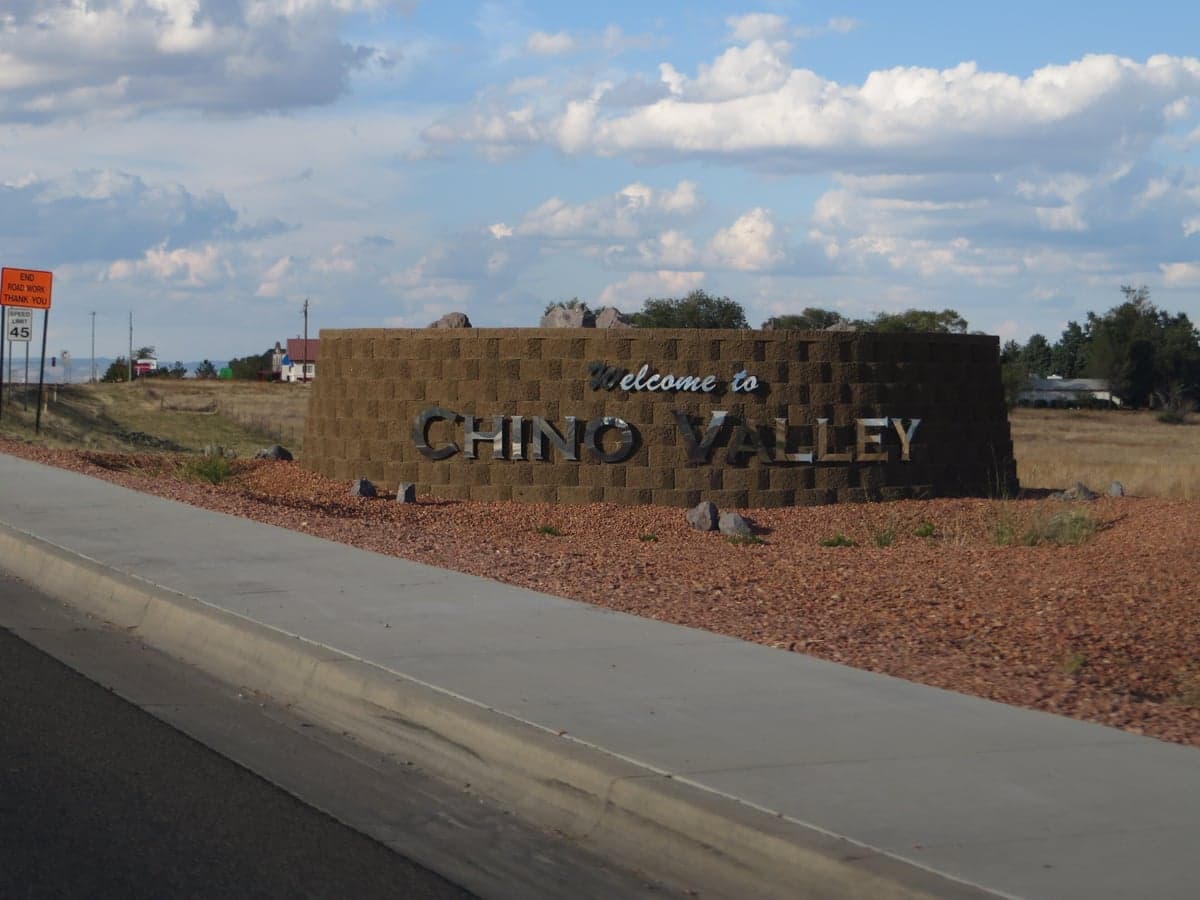
Photo: Wikipedia
Political ClimatePolitical Climate in Chino Valley, AZ
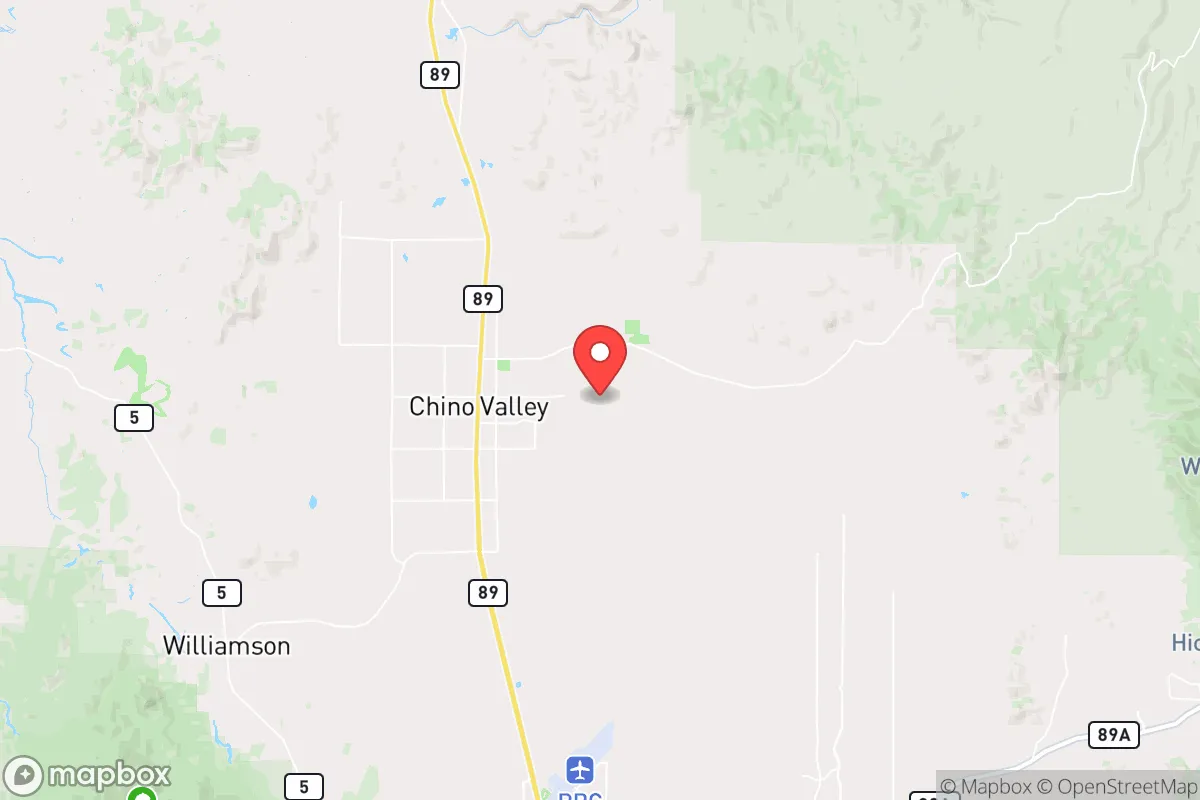
District shown is the primary district for this city’s centroid. Cities may span multiple districts.
Local Political AnalysisPolitical Analysis of Chino Valley, AZ
Chino Valley has long been a reliably conservative community, and that hasn't changed much despite some national trends. The area carries a Cook PVI of R+7, which means it votes about seven points more Republican than the country as a whole, and that number feels about right if you've lived here for any length of time. In the 2024 presidential race, Yavapai County as a whole went for Trump by a comfortable margin, and Chino Valley's precincts were even redder than the county average. The real story, though, isn't just the voting numbers—it's the quiet cultural shift that's starting to ripple through town, and not everyone is thrilled about it.
How it compares
If you drive ten miles south to Prescott, you'll find a more moderate, almost purple-leaning vibe these days, especially among the younger crowd and the transplants from California and Phoenix. Prescott Valley, just east of us, is still solidly red but has a more suburban, strip-mall feel that attracts a different kind of conservative—folks who are fine with a bit more regulation as long as the HOA keeps the lawns trimmed. Chino Valley, by contrast, has held onto its rural, independent streak. People here moved out this way specifically to get away from city ordinances, noise complaints, and the kind of government overreach that tells you what color you can paint your shed. The contrast is stark: Prescott has a thriving arts scene and a growing number of progressive-leaning businesses, while Chino Valley still has more feed stores than coffee shops. That's not an accident—it's a choice.
What this means for residents
For the people who live here, the political climate translates directly into daily life. You won't find a lot of red tape when it comes to building a workshop on your property or keeping a few chickens in the backyard—the county government generally takes a hands-off approach, and that's exactly how most folks want it. Property taxes are low, and there's no city income tax, which is a big draw for retirees and families looking to stretch a dollar. But there are warning signs on the horizon. The town council has seen a few new faces in recent years, and some of them are pushing for more zoning rules, more development fees, and a "master plan" that sounds an awful lot like the kind of progressive urban planning that ruined places like Flagstaff and Sedona. If you value your freedom to do what you want with your own land, you need to pay attention to local elections—because the real threat isn't coming from Washington, it's coming from the town hall meetings where a few vocal newcomers want to "improve" things.
The cultural distinction here is that Chino Valley remains one of the last places in central Arizona where you can still live like it's 1995—no HOA telling you when to take out the trash, no city council micromanaging your water usage, and a sheriff's office that actually believes in the Second Amendment. The long-term trajectory depends on whether the people who moved here for that freedom will actually show up to defend it. If the trend toward progressive governance in Prescott and Flagstaff is any indication, the next five to ten years will be a fight. But for now, if you want a place where your vote actually means something and the government stays out of your business, Chino Valley is still one of the best bets in the state.

State Political ClimatePolitical Climate in Arizona
State Political AnalysisPolitical Environment in the State
Arizona has shifted from a reliably Republican stronghold to a genuine battleground state over the past two decades, with its partisan lean now hovering around a coin-flip in presidential elections. The dominant coalition is a fragile mix of conservative retirees, suburban moderates, and a rapidly growing Latino electorate, but the state’s trajectory has been a slow leftward drift since 2016. While Maricopa County still holds the keys to statewide outcomes, the real story is how places like Pinal County and Yavapai County have hardened their conservative edges even as Phoenix proper and Tucson have moved decisively blue.
Urban vs. rural divide
The political map of Arizona is a textbook case of urban-rural polarization. Maricopa County, home to Phoenix, Mesa, and Scottsdale, casts about 60% of the state’s votes and has flipped from reliably red to purple—and now leans slightly Democratic in presidential years. The city of Phoenix itself is solidly blue, driven by young professionals, transplants from California and Illinois, and a growing Latino population. Tucson, anchored by the University of Arizona, is even more liberal, with Pima County consistently voting Democratic by double digits. In contrast, the rural and exurban counties are deeply conservative. Yavapai County (Prescott) and Mohave County (Lake Havasu City) routinely vote Republican by 30-40 points. Pinal County, once a sleepy agricultural area, has become a critical swing region as Phoenix sprawl pushes south; it voted for Trump in 2020 but by a narrower margin than in 2016. The divide isn’t just geographic—it’s cultural. A retiree in Sun City West and a tech worker in downtown Phoenix live in different political universes, and that tension defines every statewide race.
Policy environment
Arizona’s policy environment is a mixed bag for conservatives, with some bright spots and some genuine frustrations. The state has a flat income tax rate of 2.5% as of 2023, a major win after years of progressive tax proposals. Property taxes are relatively low, and there is no estate tax. However, the regulatory posture is uneven: the state has a right-to-work law and is generally business-friendly, but local zoning battles in Phoenix and Tucson have become battlegrounds over housing density and short-term rentals. Education policy is a flashpoint. The state expanded school choice dramatically with the Empowerment Scholarship Account program, now universal for all K-12 students, which is a huge plus for parents. But the public school system remains underfunded per pupil, and teacher unions have clashed repeatedly with Republican governors. Healthcare is a mixed bag: Arizona expanded Medicaid under the Affordable Care Act, which many conservatives view as a federal overreach, but the state has also passed laws restricting abortion to 15 weeks (with no exceptions for rape or incest) and banning gender-affirming care for minors. Election laws have been a rollercoaster: the state passed voter ID requirements and tightened mail-in ballot rules in 2022, but ongoing litigation and a Democratic secretary of state have kept the system in flux.
Trajectory & freedom
On balance, Arizona has been moving in a more conservative direction on several key freedom metrics, but the trend is fragile and contested. The biggest win for personal liberty in recent years was the 2022 passage of Proposition 207, which legalized recreational marijuana—a libertarian-friendly move that also generated tax revenue. Gun rights remain strong: Arizona is a constitutional carry state, meaning no permit is needed to carry a concealed firearm, and the legislature has repeatedly blocked red-flag laws. Parental rights saw a major victory with the universal school choice expansion, but the fight over what kids are taught in public schools continues, with the state banning critical race theory and divisive concepts in classrooms. Medical autonomy took a hit with the 15-week abortion ban, but the issue remains volatile after the state supreme court briefly revived a near-total 1864 ban in 2024 before the legislature stepped in to repeal it. Property rights are generally respected, though local governments in Maricopa County have imposed growth boundaries and impact fees that frustrate developers. The biggest threat to freedom, from a conservative perspective, is the steady influx of voters from blue states who bring their political habits with them—a demographic tide that could overwhelm the state’s conservative infrastructure within a decade.
Civil unrest & political movements
Arizona has been a hotbed of political activism on both sides, and the temperature is often high. The 2020 election aftermath was particularly intense: the state was ground zero for election integrity debates, with the controversial Arizona Senate audit of Maricopa County ballots dragging on for months and fueling national conspiracy theories. Protests have been frequent: Black Lives Matter demonstrations in Phoenix in 2020 turned violent in some cases, and counter-protests by armed groups like the Oath Keepers and Patriot Movement were visible. Immigration politics remain the state’s defining cultural flashpoint. The 2010 SB 1070 law, which required police to check immigration status during stops, made Arizona a national symbol of hardline enforcement, and while courts gutted most of its provisions, the issue hasn’t faded. The border crisis under the Biden administration has led to a surge in migrant crossings in Yuma and Cochise counties, and the state has responded by busing migrants to Washington D.C. and New York. Organized activist movements are robust: on the right, the Arizona Freedom Caucus is a powerful force in the legislature, while on the left, groups like Living United for Change in Arizona (LUCHA) push for driver’s licenses for undocumented immigrants and rent control. A new resident will notice the political polarization in everyday life—yard signs, bumper stickers, and even which grocery store you choose can signal your tribe.
Projection
Over the next five to ten years, Arizona is likely to continue its slow leftward drift, driven by demographic change and in-migration from California and the Midwest. The Latino population, which now makes up about 32% of the state, is growing younger and more politically engaged, and while it’s not monolithic, it leans Democratic. Maricopa County will remain the battleground, but the suburbs of Chandler, Gilbert, and Queen Creek are still conservative-leaning, offering a potential firewall. The wild card is the exurban and rural vote: if Pinal County and Yavapai County continue to grow with conservative transplants, they could offset some of the blue gains in Phoenix. However, the state’s electoral college votes and Senate seats are now genuinely competitive, meaning a Republican presidential candidate will have to work hard to win Arizona. For a conservative moving in now, the expectation should be that the state will be purple for the foreseeable future, with occasional Republican wins when the national environment favors them. The policy environment could swing back and forth depending on which party controls the governor’s mansion and legislature—currently split, with a Democratic governor and Republican legislature, which means gridlock on most big issues.
For a new resident, the bottom line is that Arizona offers a high degree of personal freedom compared to California or New York, but it’s not a conservative utopia. You’ll find low taxes, strong gun rights, and school choice, but you’ll also encounter a state that is politically divided and culturally contested. If you’re moving here, pick your county carefully: Yavapai or Mohave for a reliably conservative environment, Pinal for a growing exurban mix, or Maricopa if you want to be in the middle of the fight. The state is still free enough to be worth the move, but the battle for its soul is far from over.
* Values derived from national, state, county, city and local statistics and may differ in a specific area. Last updated: 2026-05-01T06:03:36.000Z
Narrative content on this page is AI-generated and may contain mistakes. Verify any details that matter before acting on them.
ReloMaps may earn a commission from affiliate links at no extra cost to you.

