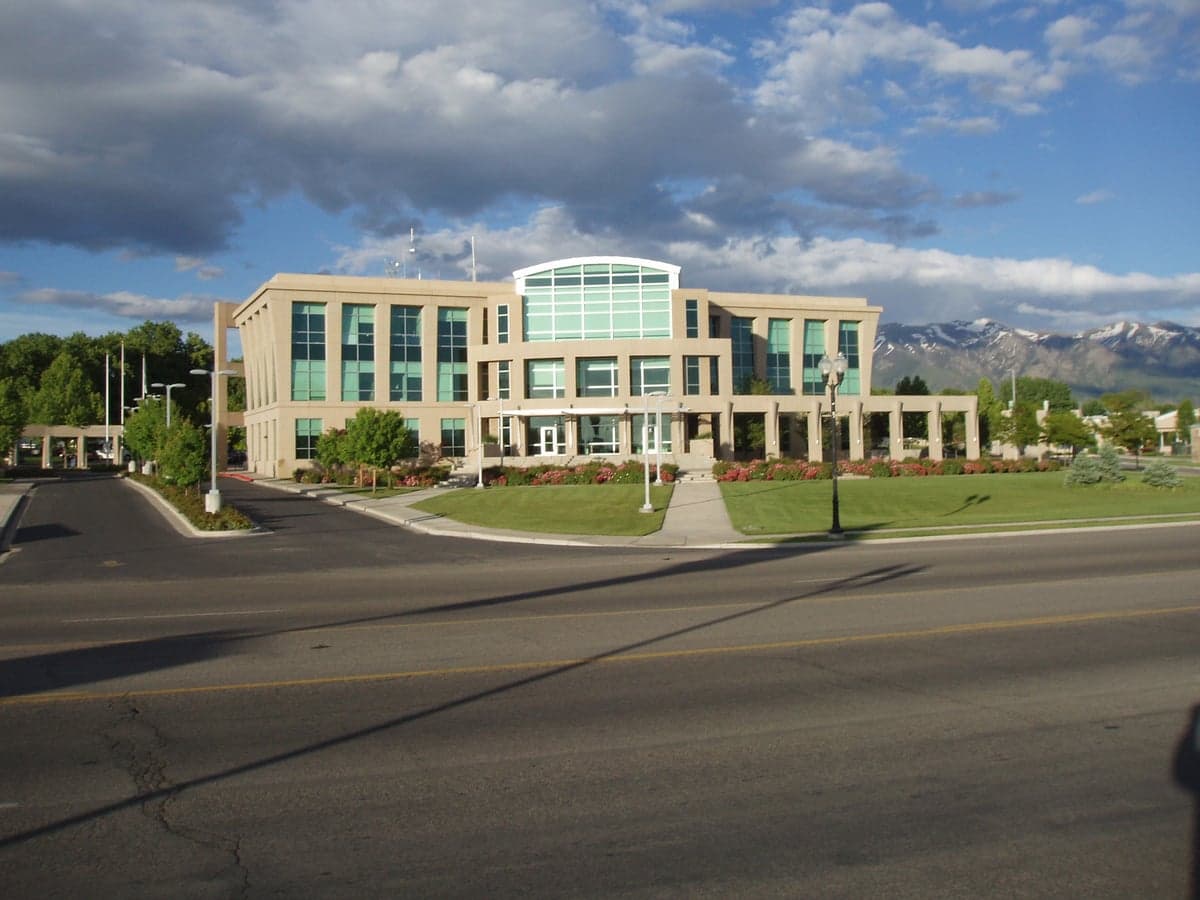
Photo: Wikipedia
Political ClimatePolitical Climate in Clearfield, UT
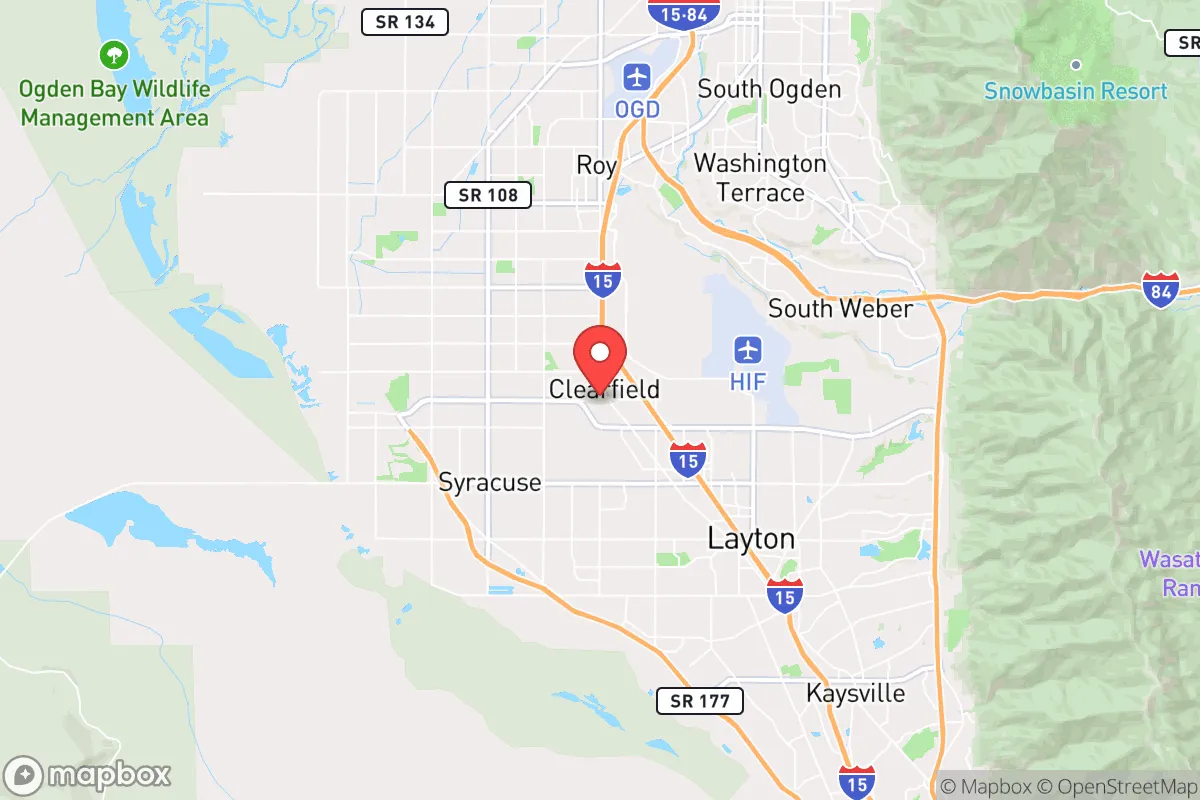
District shown is the primary district for this city’s centroid. Cities may span multiple districts.
Local Political AnalysisPolitical Analysis of Clearfield, UT
Clearfield, Utah, has long been a solidly conservative community, and that hasn't changed much despite the state's rapid growth. The Cook PVI rating of R+10 tells you the math right off the bat—this area leans heavily Republican, and it's not just a party-line thing; it's a cultural and lifestyle preference. People here value self-reliance, low taxes, and the freedom to live without a lot of government interference. That said, you can feel the pressure from the Wasatch Front's population boom, and some of the old-timers worry that the next wave of newcomers might bring big-government ideas with them.
How it compares
If you drive a few miles south to Layton or even into parts of Ogden, you'll notice a slightly different political flavor. Layton has a more mixed suburban vibe, with some pockets trending moderate, especially around Hill Air Force Base where military families bring a more transient, less entrenched political culture. Ogden, meanwhile, has seen a real push toward progressive policies in recent years—things like bike lanes, density zoning, and even talk of rent control. Clearfield, by contrast, has held the line. The city council and county commission are still dominated by folks who believe in limited government and personal accountability. The contrast is stark: Ogden might debate a plastic bag ban; Clearfield is more likely to debate how to keep property taxes from creeping up. For a conservative resident, Clearfield feels like a refuge from the creeping overreach you see in bigger cities along the Wasatch Front.
What this means for residents
Practically speaking, living in Clearfield means you're not dealing with a lot of the regulatory headaches that are popping up elsewhere. Zoning is straightforward, business licenses aren't a nightmare, and the local government generally assumes you know how to run your own life. That's a big deal if you value personal freedom—whether it's the freedom to build a shed in your backyard without three permits or the freedom to send your kids to a school that doesn't push a political agenda. The downside? As the area grows, there's constant pressure from developers and outside interests to "modernize" things, which often means more rules, more fees, and less autonomy. Long-term, the biggest concern is that the state's overall growth could dilute Clearfield's conservative character. If enough people move in from California or the East Coast, they might bring the same government-overreach habits they left behind. So far, the community has resisted that, but it's something to keep an eye on.
Culturally, Clearfield still feels like a place where the Second Amendment is a given, not a debate, and where the local church parking lots are full on Sundays. There's a strong sense of neighborly independence—people help each other out without expecting the government to step in. Policy-wise, the city has kept taxes low and avoided the kind of social engineering experiments you see in more progressive towns. If you're looking for a place where you can live your life without a lot of bureaucratic nonsense, Clearfield is still that spot. But it's worth paying attention to local elections and zoning meetings, because the fight to keep it that way is ongoing.

State Political ClimatePolitical Climate in Utah
State Political AnalysisPolitical Environment in the State
Utah is one of the most reliably conservative states in the nation, with a Republican trifecta controlling the governorship and supermajorities in both legislative chambers. The state has voted for the GOP presidential candidate in every election since 1964, and in 2024, Donald Trump carried Utah by roughly 21 points, though that margin has narrowed slightly from the 37-point win in 2016. Over the last 10-20 years, the dominant coalition has been a blend of traditional Mormon conservatism, fiscal restraint, and a growing libertarian streak, but the state is now seeing a slow, steady shift as in-migration from California and other blue states brings more moderate and even progressive voters into the Wasatch Front.
Urban vs. rural divide
The political map of Utah is starkly divided between the urban Wasatch Front and the rest of the state. Salt Lake County, home to over 1.1 million people, has been trending purple for a decade. In 2020, Joe Biden won Salt Lake County by 7 points, and while Trump flipped it back in 2024, the margin was razor-thin. The city of Salt Lake City itself is a deep blue island, with progressive politics on housing, transit, and social issues. Meanwhile, Provo and Orem in Utah County remain deeply conservative, anchored by Brigham Young University and a dense Mormon population. St. George in the southwest is a fast-growing red stronghold, attracting conservative retirees and families. Rural counties like Duchesne, Uintah, and San Juan vote 80%+ Republican, driven by energy extraction, ranching, and a strong distrust of federal land management. The divide is less about urban vs. rural and more about the Wasatch Front corridor versus everything else, with Davis County and Weber County acting as swing areas that lean red but can flip in close races.
Policy environment
Utah’s policy environment is a mixed bag for conservatives. On the plus side, the state has a flat income tax rate of 4.65% (down from 5% in 2024), no state-level property tax on vehicles, and a relatively low overall tax burden compared to the national average. The regulatory posture is business-friendly, with right-to-work laws and minimal red tape for small businesses. Education policy is a flashpoint: the state passed a universal school choice voucher program in 2023, allowing families to use public funds for private or homeschool expenses, which is a major win for parental rights. However, the state also mandates a "comprehensive" sex education curriculum in public schools, which has drawn criticism from conservative parents. Healthcare policy is mixed—Utah expanded Medicaid under the Affordable Care Act in 2020 via a ballot initiative, but the legislature has since added work requirements. Election laws are solid: voter ID is required, no-excuse mail-in voting is the norm, and the state has a strong voter roll maintenance program. The biggest red flag for conservatives is the state’s aggressive water and land-use planning, which some see as government overreach into property rights, especially in the fast-growing Wasatch Back areas like Park City and Heber City.
Trajectory & freedom
Utah is becoming more free in several key areas, but there are concerning trends. On the positive side, the state passed a constitutional carry law in 2021, allowing law-abiding citizens to carry a concealed firearm without a permit. The legislature also passed a "parental rights in education" bill in 2023, requiring schools to notify parents of any curriculum involving sexuality or gender identity. Property rights got a boost with the 2024 passage of a law limiting the use of eminent domain for private development. However, the state has also seen a creep of government overreach: the 2023 "social media regulation" law requires age verification and parental consent for minors to use platforms like TikTok and Instagram, which some conservatives view as a free speech and privacy concern. The biggest freedom threat is the state’s water management regime—the Great Salt Lake crisis has led to mandatory water use reductions in Salt Lake City and Davis County, with fines for overuse. This is a classic case of government stepping in to solve a problem created by prior government mismanagement, and it’s only going to get worse as the population grows.
Civil unrest & political movements
Utah has seen relatively little civil unrest compared to other states, but there are visible flashpoints. The most notable was the 2020 protests in Salt Lake City over the death of George Floyd, which turned violent for a few nights, with property damage and clashes with police. Since then, the left-wing activist scene has been quiet but organized, focusing on housing affordability and environmental issues. On the right, the "People’s Right to Know" movement has pushed for election transparency, and there was a brief but intense debate over "audit the vote" efforts in 2021, though no major fraud was found. Immigration politics are a hot-button issue: Salt Lake City has a "sanctuary city" policy that limits cooperation with ICE, which has drawn sharp criticism from rural counties. The state legislature passed a law in 2024 banning sanctuary policies statewide, but the city is fighting it in court. There is no serious secession or nullification rhetoric in Utah, but there is a strong "state sovereignty" movement, particularly around federal land control—the state has sued the federal government multiple times over land management in San Juan County and Grand County. A new resident would notice the political tension most acutely in the Salt Lake City suburbs like Sandy and Draper, where "Keep Utah Red" signs compete with "Hate Has No Home Here" yard signs.
Projection
Over the next 5-10 years, Utah is likely to become more politically competitive, but not necessarily more liberal. The in-migration from California and other blue states is bringing a mix of moderate Republicans and independents who are fiscally conservative but socially moderate. The Wasatch Front will continue to trend purple, with Salt Lake County potentially becoming a swing county by 2030. However, the rural and suburban areas are growing faster than the urban core, which could offset the blue shift. The biggest wild card is the Mormon Church’s influence—younger members are increasingly moderate on social issues, which could soften the state’s hard-right edge. The policy environment will likely see more school choice expansion, continued tax cuts, and a push for water rights reform. The biggest risk for conservatives is that the state’s rapid growth (Utah is the fastest-growing state in the nation) will lead to more government intervention in housing, transportation, and water, which could erode personal freedom. A new resident moving in now should expect a state that remains conservative but is no longer a lock for the GOP in statewide races, with a growing tension between the old guard and the newcomers.
For a conservative single individual or parent relocating to Utah, the bottom line is this: you’ll find a state that largely respects your right to live your life as you see fit, with low taxes, strong gun rights, and a culture of self-reliance. But you’ll also see the early signs of the same government overreach that plagues other fast-growing states—water restrictions, zoning battles, and a creeping regulatory state. If you’re looking for a place where you can raise a family with traditional values and minimal interference, Utah is still one of the best bets in the country. Just keep an eye on the Wasatch Front, because that’s where the fight for the state’s soul is happening right now.
* Values derived from national, state, county, city and local statistics and may differ in a specific area. Last updated: 2026-05-03T20:34:19.000Z
Narrative content on this page is AI-generated and may contain mistakes. Verify any details that matter before acting on them.
ReloMaps may earn a commission from affiliate links at no extra cost to you.

