 Popular
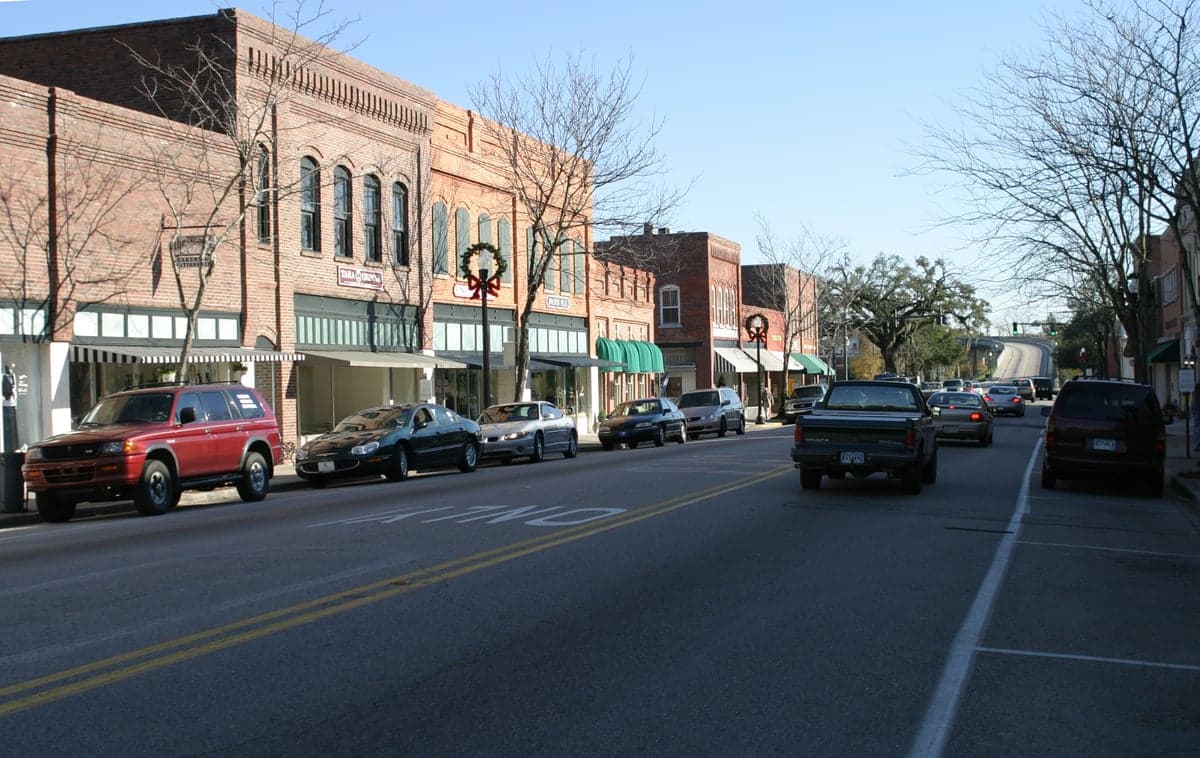
Photo: Wikipedia
Quality of Life in Conway, SC
A high quality of life with strong walkability, manageable living costs, healthy neighborhood signals, and solid amenity access.
What does Quality of Life tell us?
Quality of Life blends cost of living, nearby amenities, socioeconomic signals, and neighborhood character. City-level scores represent the whole municipality; individual neighborhoods can differ.
What does this tell us?
Quality of Life blends cost of living, nearby amenities, socioeconomic signals, and neighborhood character. City-level scores represent the whole municipality; individual neighborhoods can differ.
Cost of Living
21% below national average
The Real Cost of Living in Conway, SC for 2026
| Tier | Individual | Family (4) |
|---|---|---|
| Survival | $14k | $26k |
| Comfortable | $46k | $67k |
| Luxury | $95k+ | $147k+ |
| Elite (Top 5%) | $111k+ | $172k+ |
81%
The Area Signal
A metric tracking the socioeconomic signals of the area.
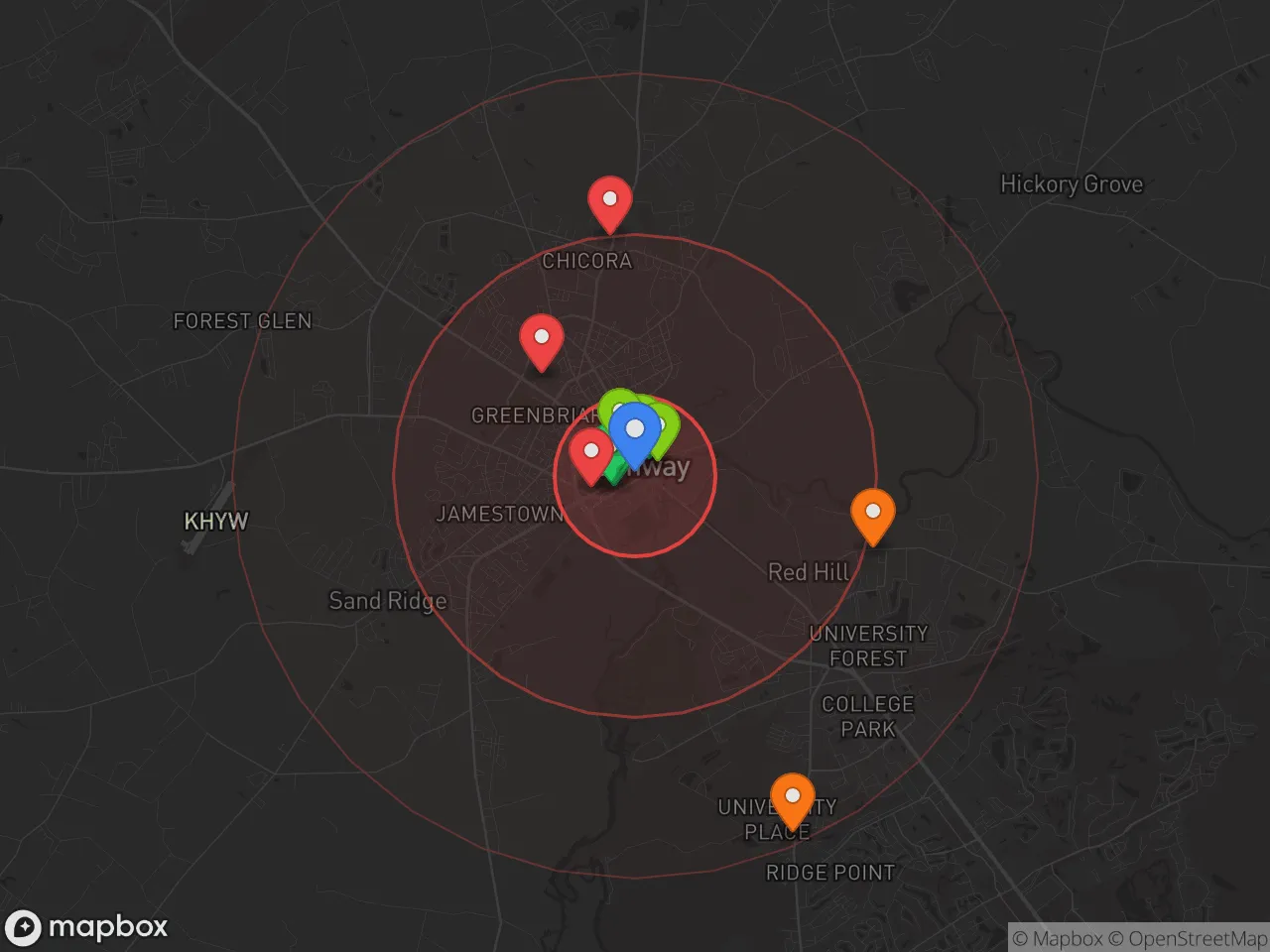
Hobbies
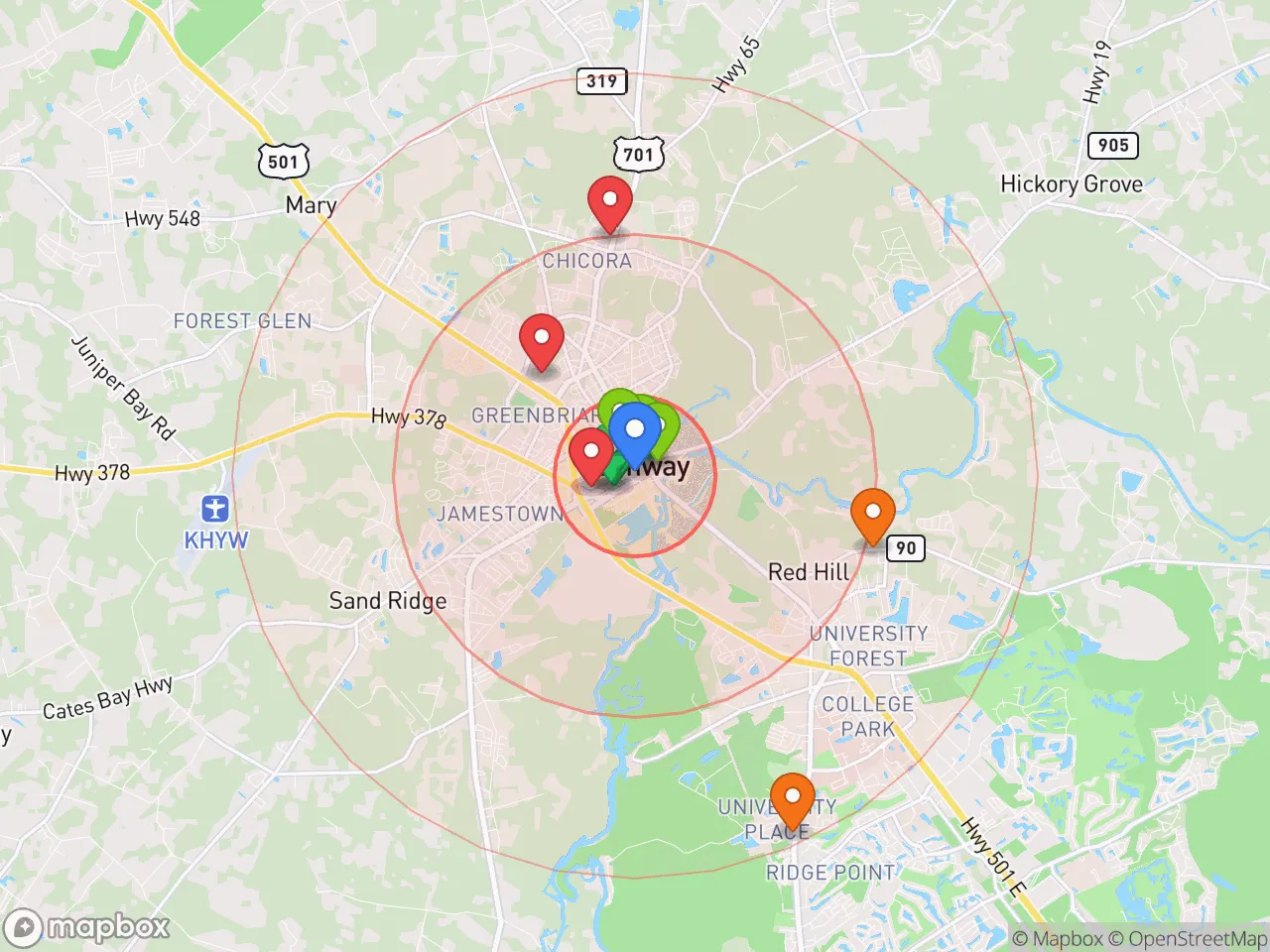
Explore the areaGroceries
6 within 10 miles
Gas
20 within 10 miles
Hospital
6 within 20 miles
Airport
RDU — Raleigh–Durham International
Post Office
USPS — Conway, SC
Critical Amenities
Quality-of-Life Analysis
Conway, South Carolina, offers a quality of life defined by its blend of historic small-town charm and rapid growth, attracting a mix of families, retirees, and professionals drawn to the Grand Strand area without the full tourist intensity of Myrtle Beach. With a cost of living index of 79 (21% below the U.S. average), the city provides significant financial breathing room compared to national norms, while its median home value of $236,300 and median rent of $881 make it notably more affordable than coastal counterparts like Charleston or Hilton Head. The population skews toward long-term residents and newcomers seeking a quieter, river-centric lifestyle, with a strong presence of Coastal Carolina University students and faculty adding a youthful, academic layer to the community.
Cost of living and housing affordability compared to Myrtle Beach and the Grand Strand
Conway’s housing market remains a primary draw, with a median home value roughly $60,000 less than Myrtle Beach and nearly half that of North Myrtle Beach. The median rent of $881 is well below the national average of $1,200, making it one of the most affordable rental markets in Horry County. The average commute of 22.4 minutes is slightly longer than the national average of 26 minutes, but still manageable, with most residents driving to jobs in Conway proper, Myrtle Beach (20 minutes south), or along the Highway 501 corridor. Property taxes in Horry County are relatively low, with an effective rate around 0.55%, further stretching household budgets. However, home values have risen roughly 15% since 2020, reflecting increased demand from out-of-state buyers, particularly from the Northeast and Midwest, who are priced out of coastal markets.
Daily life, schools, and local amenities in Conway’s historic river district
Daily life in Conway centers on the Waccamaw River and the historic downtown, which features a walkable riverwalk, local boutiques, and restaurants like Rivertown Bistro and Crady’s. The city’s public schools, part of Horry County Schools, include Conway High School and several elementary schools rated above state averages, though some families opt for private options like Christian Academy of Myrtle Beach. Outdoor recreation is abundant: the Conway Riverwalk connects to the Waccamaw River Blue Trail for kayaking and fishing, while the nearby Vereen Memorial Gardens offers hiking trails. The city hosts the annual Conway Riverfest and a weekly farmers market from April to October. For shopping and dining, Coastal Grand Mall and the Market Common are a 15-minute drive south, providing big-box retail and chain restaurants that supplement downtown’s local offerings. Healthcare access is solid, with Conway Medical Center and Grand Strand Medical Center both within 20 minutes.
Conway is best suited for those who prioritize affordability and a slower pace over nightlife or beachfront living. Families benefit from lower housing costs and decent schools, while retirees appreciate the low taxes and riverfront amenities. Remote workers and university-affiliated residents find the commute to Myrtle Beach manageable and the cost savings significant. However, those seeking a vibrant urban scene or immediate ocean access may find Conway too quiet, as the city’s social life revolves around university events and seasonal festivals rather than a 24/7 entertainment district. For anyone willing to trade beach proximity for a 20% lower cost of living and a historic, river-oriented community, Conway represents a strong value proposition in the competitive Southeast housing market.

Crime in Conway, SC
Crime rates similar to the national median for U.S. locations.
Violent CrimeViolent Crime Analysis
Property CrimeProperty Crime Analysis
Crime Analysis
Conway, South Carolina, presents a mixed safety profile that requires careful consideration for potential residents. The city's violent crime rate of 323.6 incidents per 100,000 residents is notably higher than the national average, while its property crime rate of 1,734.6 per 100,000 also exceeds national benchmarks. These figures place Conway in a category where crime is a tangible concern, particularly for those relocating from safer suburban or rural environments.
Crime in context
When compared to state and national averages, Conway's crime statistics demand attention. The violent crime rate is approximately 8% higher than the national average and significantly above the South Carolina state average of roughly 280 per 100,000. Property crime in Conway is even more elevated, running about 15% above the national average and closely tracking the higher property crime rates common across the Myrtle Beach metropolitan area. This regional context matters: Conway sits within Horry County, which as part of a large metro area, has experienced the effects of progressive prosecutorial policies in recent years. Lenient sentencing and reduced incarceration for property offenses have contributed to a revolving-door dynamic for repeat offenders, directly impacting community safety and victim satisfaction.
What residents experience
Daily life in Conway involves navigating these elevated risks. The most common property crimes are theft from vehicles and burglary, particularly in areas near Coastal Carolina University and along the U.S. 501 corridor. Residents report that car break-ins and package thefts are routine nuisances. Violent crime, while less frequent, is concentrated in specific pockets, with aggravated assault making up the majority of incidents. The presence of a progressive judicial philosophy in Horry County courts has been cited by local law enforcement as a factor in recidivism, as offenders arrested for property crimes are often released quickly, undermining deterrence. This creates a cycle where residents feel the justice system prioritizes offender rehabilitation over public protection.
Neighborhood-level variation
Safety in Conway is not uniform. The historic downtown district and newer subdivisions west of the Waccamaw River generally report lower crime rates, benefiting from stronger neighborhood watch programs and private security patrols. In contrast, areas near the university, along Church Street, and the older neighborhoods east of Main Street see higher incident volumes. Prospective residents should examine block-level crime maps and consider that property crime rates in the university-adjacent zone can be 40-50% higher than in the city's safer western neighborhoods. For those prioritizing safety, choosing a home in the River Oaks or Kingston Park areas, or in unincorporated Horry County with its own sheriff's patrol, offers a meaningful reduction in risk compared to the city's higher-crime corridors.
* Values derived from national, state, county, city and local statistics and may differ in a specific area. Last updated: 2026-04-30T02:27:01.000Z
Narrative content on this page is AI-generated and may contain mistakes. Verify any details that matter before acting on them.
ReloMaps may earn a commission from affiliate links at no extra cost to you.

